

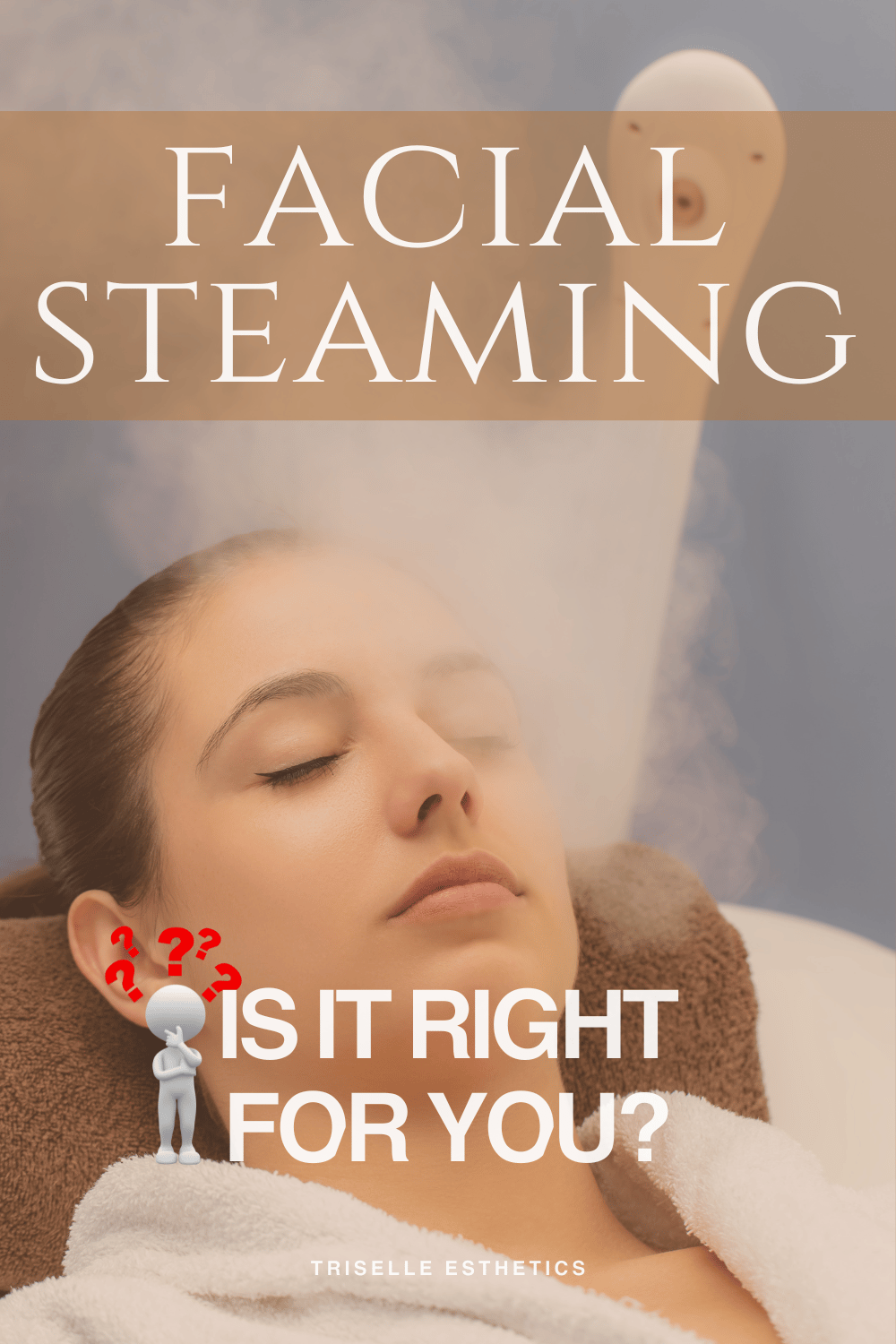
The Pros and Cons of Facial Steaming: Is It Right for You?
Facial steaming has gained popularity in recent years as a skincare treatment hailed for its ability to cleanse, hydrate, and rejuvenate the skin. However, like most beauty treatments, it comes with its own set of advantages and disadvantages.
What is Facial Steaming?
Facial steaming involves exposing the face to steam for a set period, typically between 5 to 15 minutes. This process loosens sebum in the pores and can help in various ways, from deep cleansing to promoting relaxation. Many people incorporate facial steaming into their skincare routines, either at home or during spa treatments. Facial steaming DOES NOT "open the pores" as pores do not have muscles and cannot actually open and close, although some products and procedures can change their appearance allowing them to appear smaller.
As explained in an article by Dermascope published by Fact of Fiction, '' what makes pores appear larger and more visible is the act of stretching caused by a buildup of dead skin cells, dirt, and oil. Oxidation of this buildup creates the darkened color known as blackheads. When all this debris is cleared from the pores, they appear smaller. Steam is used to soften the skin to make extractions easier to perform and less painful. In this scenario, the pore is not expanding; the impaction is loosening.
Steaming introduces moisture to the skin, creating a more absorptive canvas for product application. Enzymes, acids, and retinoids all work more effectively when applied to freshly steamed skin – again, not because pores are more open, but because the moisturized skin more readily absorbs these ingredients.
Steaming increases blood flow to improve circulation, which facilitates the transport of nutrients and oxygen to skin cells to promote regeneration and healthy collagen.
For clients with acne, steaming is particularly beneficial. While it does not directly clear blemishes, it does aid greatly in unplugging the pores by allowing for easier removal of puss, sebum, and cellular debris.
Because steam is intensely hydrating, it softens the top layer of the epidermis, which aids in exfoliating dead skin cells and promoting cell renewal.
It is the combination of exfoliation and deep cleaning that ultimately makes the pores appear smaller (not the imagined opening and closing).
READ FULL ARTICLE HERE: https://www.dermascope.com/fact-or-fiction/9832-fact-or-fiction-steam-opens-up-pores
Advantages of Facial Steaming
1. Deep Cleansing:
- **How It Works:** The heat from the steam helps to loosen sebum in the pores, making it easier to remove dirt, oil, and impurities that can clog the skin.
- **Result:** A cleaner complexion and reduced chances of breakouts.
2. Enhanced Circulation:
- **How It Works:** The warmth increases blood flow, delivering more oxygen and nutrients to the skin.
- **Result:** A healthy, glowing complexion and improved skin elasticity.
3. Hydration:
- **How It Works:** Steaming helps to hydrate the skin by infusing moisture into the upper layers.
- **Result:** A plump and dewy appearance.
4. Relaxation:
- **How It Works:** The warmth can provide stress relief and promote relaxation.
- **Result:** An overall sense of well-being, which can enhance your skincare experience.
5. Improved Product Absorption:
- **How It Works:** Clean pores allow skincare products (like serums and moisturizers) to penetrate deeper into the skin.
- **Result:** More effective use of your skincare products.
Disadvantages of Facial Steaming
1. Skin Sensitivity:
- **Challenge:** For some people, especially those with sensitive skin or conditions like rosacea, facial steaming can cause irritation or redness.
- **Tip:** Always test your skin's reaction and consult with a dermatologist if you have concerns.
2. Overheating:
- **Challenge:** Overexposing yourself to steam can lead to burns or excessive dryness.
- **Tip:** Keep a safe distance from the steam source and limit steaming sessions to 10-15 minutes.
3. Not Suitable for Everyone:
- **Challenge:** Certain skin types or conditions (like eczema, rosacea or acne) may worsen with steaming.
- **Tip:** Individuals with specific skin conditions should seek professional advice before trying facial steaming.
4. Temporary Results:
- **Challenge:** While steaming can make skin look instantly refreshed, these results are often temporary.
- **Tip:** Incorporate steaming into a broader skincare regimen for lasting benefits.
5. Requires Preparation:
- **Challenge:** Steaming requires preparation, such as gathering equipment and other skincare products to enhance the experience.
- **Tip:** Have a plan in place for your session to maximize benefits.
Conclusion
Facial steaming can be a beneficial addition to your skincare routine, offering numerous advantages such as deep cleansing, hydration, and enhanced circulation. However, it is essential to weigh these benefits against the potential disadvantages, particularly if you have sensitive skin or specific skin conditions.
As with any skincare treatment, it’s wise to consult with a dermatologist or skincare professional to ensure facial steaming is suitable for your skin type and needs.
**Happy steaming!**
This message has been generated by Nova