

Understanding Hypopigmentation vs. Hyperpigmentation: Key Differences and Treatments
Skin pigmentation disorders are common concerns that affect individuals of all skin types and tones. Two primary conditions often discussed in dermatology are hypopigmentation and hyperpigmentation. Although they sound similar, they are distinct conditions with different causes, characteristics, and treatment options. In this blog post, we’ll explore what each condition entails, how they differ, and what treatments are available.
What is Hypopigmentation?
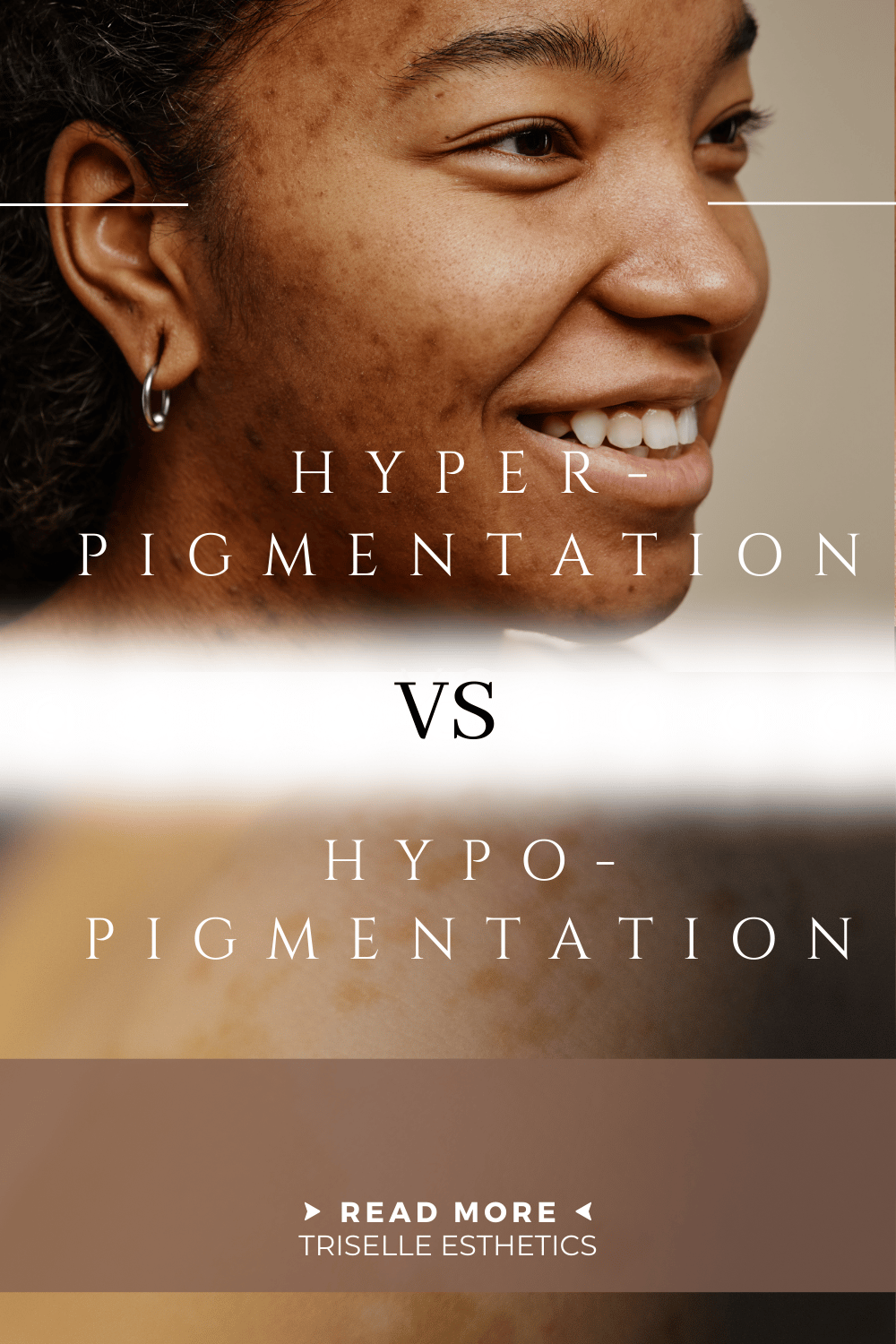
Hypopigmentation occurs when there is a reduction in melanin production, resulting in lighter patches on the skin. Melanin is the pigment responsible for the color of our skin, hair, and eyes. When melanocytes (the cells that produce melanin) are damaged or fail to produce enough melanin, hypopigmented areas can appear. This condition can affect small areas or large patches, depending on the underlying cause.
**Causes of Hypopigmentation:**
- Genetic Conditions:** Albinism is a genetic condition that leads to little or no production of melanin.
- Skin Injuries:** Post-inflammatory hypopigmentation can occur after inflammation, burns, or other skin injuries.
- Certain Skin Diseases:** Conditions like vitiligo, where melanocytes are destroyed, can lead to hypo-pigmented patches.
- Environmental Factors:** Sun exposure, certain medications, and chemicals can also contribute to reduced melanin production.
**Treatment Options for Hypopigmentation:**
While complete restoration of lost pigment is not always possible, treatments may help improve the appearance of the skin. Options include:
- Topical Treatments:** Creams containing steroids or other medications may suppress inflammation and promote re-pigmentation.
- Phototherapy:** Controlled exposure to ultraviolet light can help stimulate melanin production.
- Micro-needling:** This can promote healing and may encourage the return of pigment.
- Cover-Up Products:** Cosmetic solutions can offer immediate results by masking the lighter patches.
What is Hyperpigmentation?
Hyperpigmentation, in contrast, is the darkening of certain areas of the skin due to excess melanin production. This results in brown or black patches that can vary in size and location. Hyperpigmentation is often not harmful but can be a cosmetic concern for many.
**Causes of Hyperpigmentation:**
- Sun Exposure:** UV rays from the sun can trigger increased melanin production, leading to sun spots or age spots.
- Hormonal Changes:** Conditions such as melasma, which often affect women during pregnancy or as a result of hormonal therapy, lead to brown patches, typically on the face.
- Inflammatory Conditions: Post-inflammatory hyperpigmentation can occur after acne, eczema, or psoriasis.
- Medications:** Some medications can lead to pigmentation changes as a side effect.
**Treatment Options for Hyperpigmentation:**
There are several ways to reduce the appearance of hyperpigmented areas. Treatment strategies may include:
- Topical Lightening Agents:** Ingredients such as hydroquinone, kojic acid, and vitamin C can help lighten dark areas.
- Laser Treatments:** Certain laser therapies can effectively target and break down excess melanin.
- Sunscreen:** Preventing further darkening due to sun exposure is crucial in managing hyperpigmentation.
Key Differences Between Hypopigmentation and Hyperpigmentation
- Nature of Change:** Hypopigmentation involves a decrease in melanin, leading to lighter patches, while hyperpigmentation involves an increase, resulting in darker patches.
- Aesthetic Impact:** Both conditions can affect skin appearance, but their impact may vary based on skin tone and the individual's concerns.
- Treatment Approaches:** The aforementioned treatment strategies differ significantly due to the underlying causes of each condition.
Conclusion
Understanding the differences between hypopigmentation and hyperpigmentation is crucial for effective management and treatment. While both conditions can be distressing, numerous options are available to address pigmentation concerns. For anyone experiencing significant changes in skin pigmentation, consulting with a dermatologist is advisable to determine the appropriate diagnosis and develop a suitable treatment plan. By taking proactive steps, individuals can work towards achieving healthier, more even-toned skin.
This message has been generated by Nova