

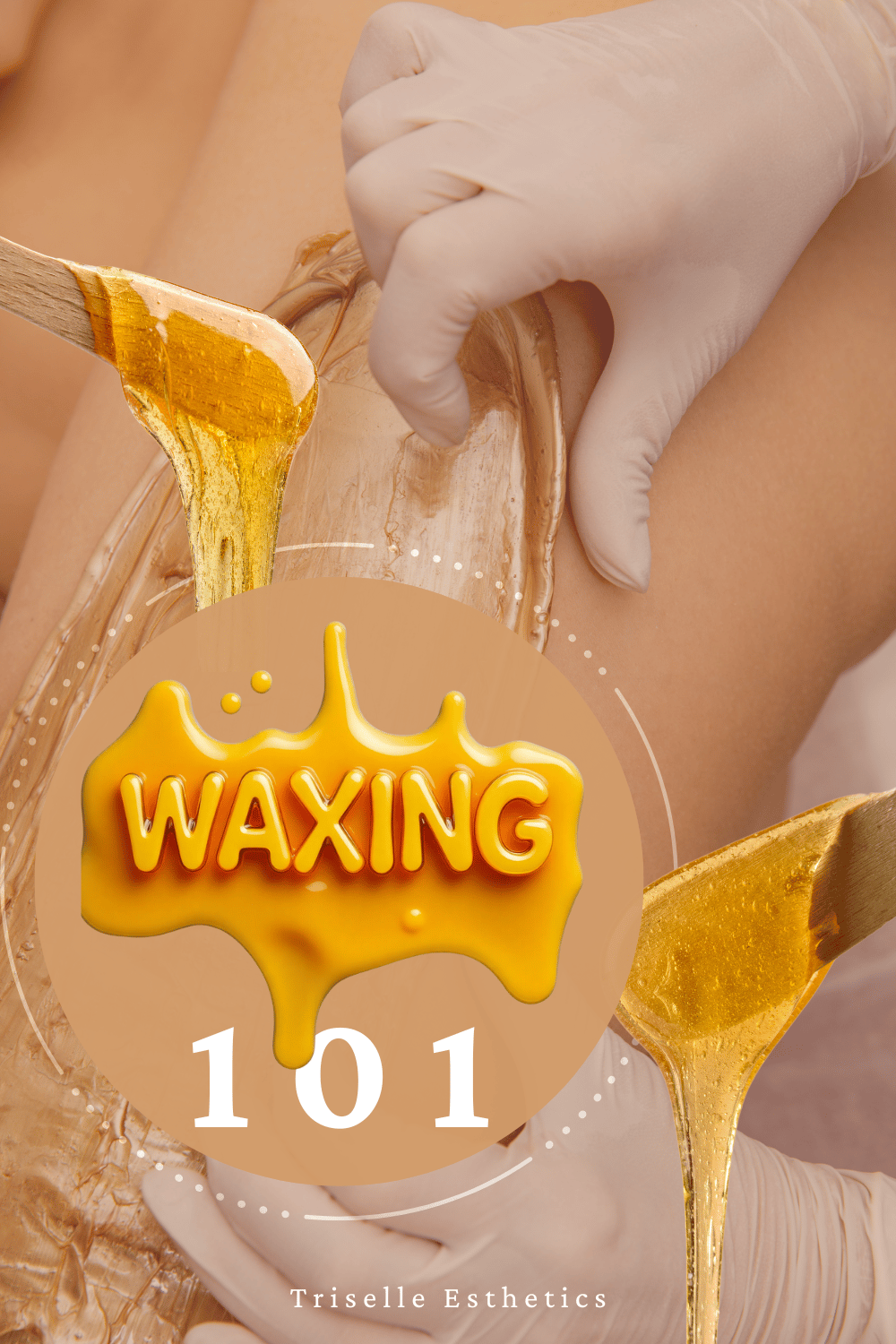
Waxing 101: A Beginner’s Guide to Smooth Skin
Are you tired of the never-ending cycle of shaving and dealing with stubble? If so, waxing might be the perfect alternative for you! This article will provide you with all the essential information you need to know about waxing, from its benefits and types to preparations and aftercare. Let’s get started on your journey to smooth, hair-free skin!
What is Waxing?
Waxing is a hair removal method that involves applying a sticky substance (wax) to the skin and then removing it quickly, pulling the hair from the roots. This method can be used on various parts of the body, including the legs, arms, underarms, bikini area, and face.
Benefits of Waxing
1. Long-Lasting Results: Unlike shaving, which only cuts hair at the surface level, waxing removes hair from the root, resulting in smoother skin that lasts for weeks—typically 3 to 6 weeks, depending on your hair growth cycle.
2. Thinner Hair Over Time: Regular waxing can lead to finer and softer regrowth over time, making hair less noticeable.
3. Exfoliation: The waxing process also exfoliates the skin, removing dead skin cells and leaving your skin feeling smooth and refreshed.
4. Reduced Ingrown Hairs: Waxing can help minimize the occurrence of ingrown hairs compared to shaving, especially when done correctly.
Types of Waxing
1. **Soft Wax**: Often used for larger areas like legs and arms, soft wax is applied with a spatula and removed using a cloth or paper strip.
2. **Hard Wax**: Ideal for sensitive areas such as the bikini line or face, hard wax is applied thicker and allowed to cool before being removed. It adheres more to the hair than the skin, which can reduce discomfort.
3. **Sugar Waxing**: A natural alternative, sugar waxing uses a sugar paste made from sugar, lemon juice, and water. It’s gentler on the skin and can be used on all hair types.
Preparing for Your Waxing Session
1. Grow Your Hair: For effective waxing, hair should be at least a quarter-inch long (about the length of a grain of rice). If you’ve shaved recently, wait a few weeks before waxing.
2. Exfoliate: Gently exfoliate your skin a day or two prior to waxing. This will help remove dead skin cells and potentially reduce the risk of ingrown hairs.
3. Moisturize: Keep your skin hydrated in the days leading up to your appointment, but avoid applying lotion on the day of waxing, as this can interfere with the wax adhering to the hair.
4. Pain Management: Waxing can be uncomfortable, especially the first time. Consider taking an over-the-counter pain reliever 30 minutes before your appointment if you're concerned about pain.
What to Expect During the Process
If you’re new to waxing, it can be helpful to know what to expect during the process:
- Consultation: Your esthetician will likely ask about your skin type, sensitivity, and any medications you’re taking.
- Application: The wax will be applied to your skin in small sections and removed quickly to minimize pain.
- Aftercare Recommendations: After the waxing is complete, your esthetician will provide aftercare tips to ensure your skin stays smooth and free of irritation.
Post-Wax Care
1. Avoid Heat: For 24 hours post-wax, stay away from hot showers, saunas, and intense workouts that can irritate your skin.
2. Moisturize: Use a gentle lotion or aloe vera to keep your skin hydrated and reduce any redness.
3. Exfoliate: After a few days, start gently exfoliating to prevent ingrown hairs.
4. Stay Out of the Sun: Avoid direct sunlight on waxed areas for at least 48 hours to prevent irritation and burns.
Conclusion
Waxing can be an excellent hair removal method for those looking for longer-lasting results and smooth skin. With the right prep, technique, and aftercare, you can enjoy all the benefits that waxing has to offer. Whether you opt for a salon or try at-home waxing, it’s essential to find a method that works best for you. Happy waxing!
This message has been generated by Nova