

That familiar checkout total can feel like a small shock, especially when the trolley does not even look full. The Grocery Shock angle is not about blaming your choices or pretending you should never buy a snack, birthday cake or convenient dinner again. It is about noticing how food and everyday essentials quietly take a bigger share of your pay packet than you expected.
For busy households, the supermarket is rarely just the supermarket. It is school lunchbox supplies, cleaning products, pet food, toiletries, medication, top-up shops and the one thing everyone suddenly needs for tomorrow. When these costs are not visible in your weekly plan, money can feel as though it disappears before the important bills are even due.
The "Sneaky" Everyday Expenses That Explode a Household Budget
Groceries are usually the biggest piece, but the budget blowout often happens around the edges. A quick milk run becomes milk, bread, dishwashing tablets and a few extras. A fuel stop turns into a drink and a snack because you are already there. None of these purchases are wrong. They are simply easy to miss when you only look at the big shop.
The tricky part is that everyday spending does not arrive as one dramatic bill. It arrives in small amounts, several times a week. A $12 top-up shop, a $19 pharmacy purchase and a $16 fuel-station stop can add up faster than expected. If your budget only allows for one large grocery trip, those smaller purchases can make it feel as though you have failed before the week is over.
It also depends on your household season. Families with growing children, shift workers relying on convenience meals, pet owners and people caring for relatives may need more room in this category. A useful budget should reflect real life, not an ideal week where nobody gets sick, runs out of shampoo or forgets lunch.
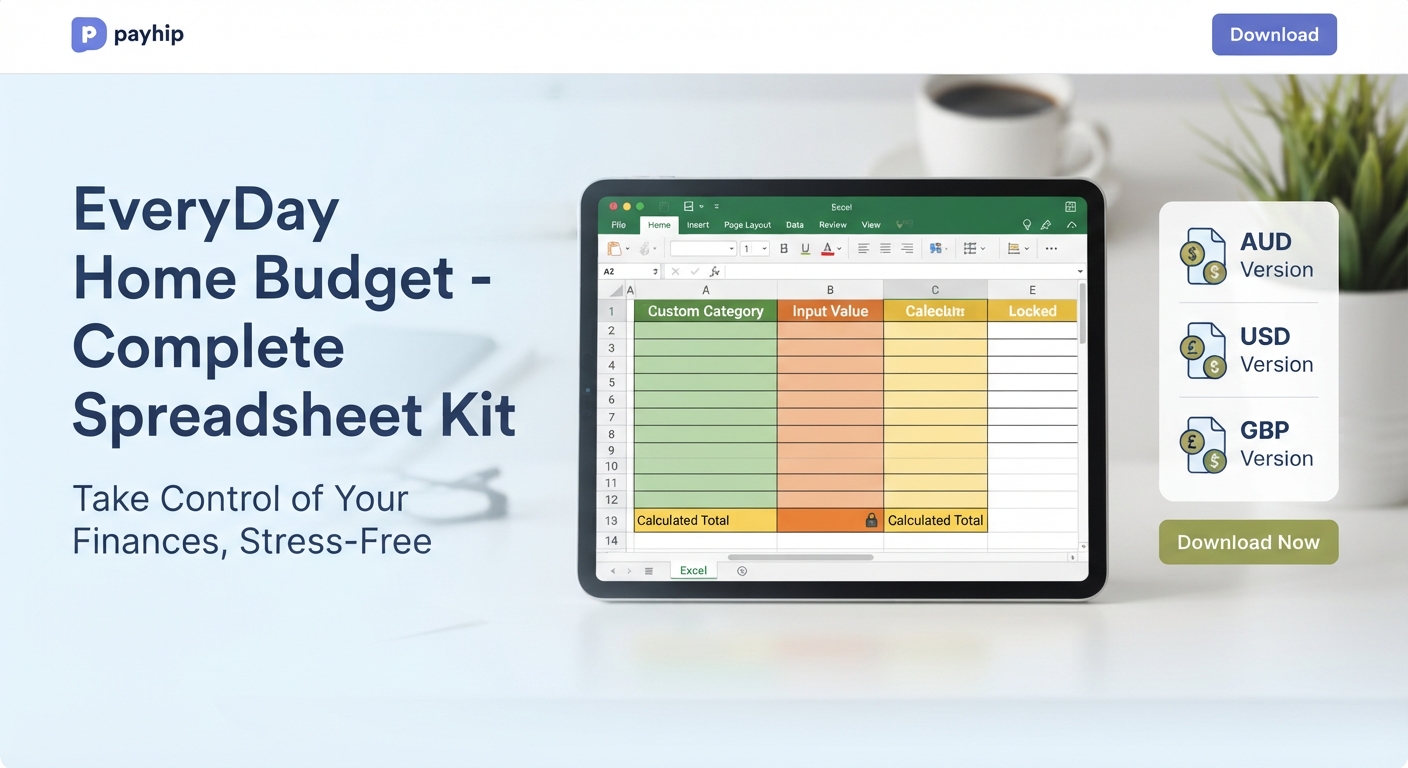
Your easy to use Every Day Home Budget at AUD $2.10:
https://payhip.com/EveryDayHomeBudget1
How to Map Out a Weekly Food and Fuel Buffer Without Restricting Yourself
Start with what you already spend, not what you think you should spend. Look back at the last two or three weeks of supermarket, petrol station, takeaway and top-up purchases. You do not need to sort every receipt perfectly. A rough total gives you a more honest starting point than guessing.
Next, split the number into two simple parts: your planned shop and your buffer. Your planned shop covers the usual food and household basics. Your buffer covers the things that pop up between shops, including a few convenience buys. Even a modest amount set aside for this can stop those purchases from eating into rent, savings or bill money.
For example, if you usually spend $220 across a week, you might plan $180 for the main shop and keep $40 as a food and fuel buffer. The exact split is personal. If fuel is your biggest surprise cost, put more there. If you tend to make several top-up shops, give groceries the larger share.
The goal is not to spend every dollar in the buffer. It is to know that the money is there when life is busy. If some remains at the end of the week, let it roll into next week or move it towards a future bill. That small win can make your budget feel supportive rather than restrictive.
Taking Back Control: A Simple AUD $2.10 Tracker to Stop the Leak
A $2.10 purchase may not seem worth writing down. But that is exactly why a simple tracker helps. The AUD $2.10 tracker is a reminder to record the little spending moments without judging them: the extra item at the servo, the bakery treat, the emergency cleaning product or the midweek top-up.
For one week, write down every food, fuel and everyday-essential purchase as it happens. Use your mobile notes, a piece of paper on the fridge or a beginner-friendly tool such as Every Day Home Budget. Keep it simple: write the amount, where it went and whether it came from your planned shop or your buffer.
By the end of the week, you are not looking for proof that you have done something wrong. You are looking for patterns. Perhaps the main shop is fine, but four small top-ups are adding $55. Perhaps fuel costs rise on weeks with school activities. Once you can see the pattern, you can give it a place in next week’s plan.
You do not need a perfect budget to feel calmer about money. You only need a clear enough picture to make the next small choice with confidence. That is how a supermarket shock becomes a manageable part of everyday life, one honest week at a time.
Your easy to use Every Day Home Budget at AUD $2.10:
https://payhip.com/EveryDayHomeBudget1
Thanks for taking the time to read this blog, best wishes and I hide this is a value to you.