
Lending decisions often move fast, but that doesn’t mean every loan should be handled on trust alone. Businesses grow, inventory changes, invoices get paid, and financial positions shift over time. That’s why regular reviews matter. A good asset based lending audit gives lenders a clearer picture of the assets backing a loan, helping them spot issues before they become expensive problems. It’s less about finding mistakes and more about staying informed throughout the lending relationship.
Why Regular Reviews Matter
Businesses rarely stay the same for long. A manufacturer may double its inventory before a busy season, while a wholesaler could see customer payments slow during market uncertainty. Changes like these affect collateral value, and lenders need accurate information to make informed decisions. An asset based lending audit checks records, verifies collateral, and compares reported values with actual business conditions. This creates more confidence for both lenders and borrowers while reducing the chance of unpleasant surprises.
Looking Beyond the Balance Sheet
Financial statements provide useful information, but they don't always tell the complete story. A company might report healthy accounts receivable, yet some invoices could be months overdue. Inventory might also appear valuable on paper even though certain products are outdated or slow-moving. An asset based lending system helps bring together financial data, collateral records, and reporting in one place, making it easier to review information without jumping between multiple spreadsheets and documents.
Common Areas Reviewed During an Audit
Every business is different, but audits usually focus on a few key areas. Accounts receivable are checked to confirm invoices are genuine and collectible. Inventory records are compared against physical stock, and equipment may be reviewed to confirm ownership and condition. Experienced asset based lenders also pay attention to internal controls, looking at how businesses record transactions and manage assets. Small gaps in recordkeeping can sometimes point to larger operational issues that deserve attention.
Technology Has Changed the Process
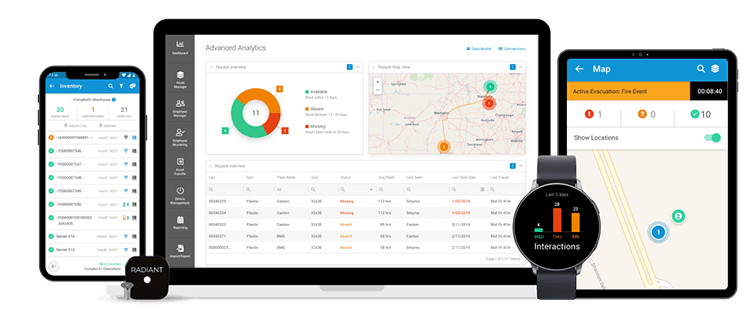
Not too long ago, audits involved stacks of paperwork, long site visits, and countless manual calculations. While on-site reviews are still valuable, modern technology has made the process much faster. A reliable loan monitoring system can automatically track borrowing base certificates, generate alerts for unusual activity, and organize financial updates in one dashboard. Instead of spending hours chasing documents, lenders can focus more on reviewing meaningful trends.
Real-Life Example
Consider a regional food distributor that secures financing using inventory and receivables. During a scheduled asset based lending audit, the review finds that several large customer invoices remain unpaid far longer than expected. At the same time, part of the warehouse contains products nearing expiration. Without the audit, the reported collateral value might have appeared stronger than reality. Catching these issues early allows the lender and borrower to work together before the situation becomes more difficult.
Benefits for Both Lenders and Borrowers
Audits aren't only designed to protect lenders. Borrowers also benefit from regular reviews because they often uncover reporting errors, outdated inventory records, or accounting inconsistencies that can be corrected quickly. A modern asset based lending system also creates smoother communication by giving both parties access to organized financial information. When records stay accurate, loan renewals and future financing requests often become much easier to manage.
Building Stronger Lending Relationships
Trust grows through transparency rather than assumptions. Regular reporting, open communication, and consistent reviews help create stronger partnerships over time. Experienced asset based lenders understand that every audit is also an opportunity to learn more about a client's business operations, seasonal trends, and future plans. That knowledge supports smarter lending decisions instead of relying only on historical financial statements.
Choosing the Right Tools for Long-Term Success
Manual processes may work for smaller portfolios, but they become difficult to manage as lending volumes increase. Automation reduces repetitive work while improving visibility across multiple borrowers. A dependable loan monitoring system keeps documents organized, tracks reporting deadlines, and highlights changes that may require attention. This saves valuable time while giving lending teams better control over their portfolios without adding unnecessary complexity.
Conclusion
Regular reviews aren't about making the lending process harder—they're about making it smarter. When lenders understand the real value of collateral, they can make better decisions, reduce unnecessary risk, and build stronger relationships with borrowers. A thoughtful asset based lending audit supports all of these goals while helping lending teams stay informed as businesses grow and change.
Finsoft offers technology designed to simplify lending operations and improve visibility across asset-backed portfolios.