
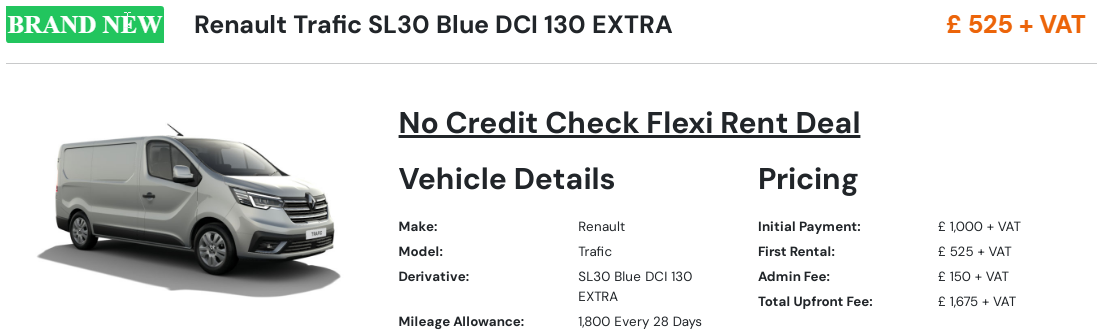
Getting access to a reliable van can be essential for running a business, transporting equipment, making deliveries, or simply managing everyday responsibilities. However, a less-than-perfect credit history can make traditional vehicle finance more difficult to secure. Fortunately, specialist finance options have made it possible for more drivers and businesses to explore practical alternatives.
If your credit record includes missed payments, defaults, County Court Judgments (CCJs), or other financial difficulties, you may still have options worth considering. Understanding how these agreements work can help you approach the process with greater confidence and make a financially sensible decision.
What Does Bad Credit Mean for Van Finance?
A poor credit history generally indicates that you have experienced difficulties meeting previous borrowing commitments. Lenders may view this as a higher level of financial risk, which can affect the type of finance available to you.
Common issues that may appear on a credit report include:
- Missed or late payments
- Defaults on previous accounts
- CCJs
- Individual Voluntary Arrangements (IVAs)
- Bankruptcy
- A limited or relatively new credit history
Importantly, having one or more of these issues does not automatically mean that you cannot obtain vehicle finance. Lenders consider several factors when assessing an application, including affordability, income, employment status, deposit, and the size of the proposed agreement.
How Van Leasing for Bad Credit Can Work
For people searching for van leasing for bad credit, specialist finance providers may assess applications differently from mainstream lenders. Instead of relying solely on a credit score, they may look at the applicant's wider financial circumstances.
The precise terms offered will depend on the provider and your individual situation. A weaker credit profile may result in higher monthly payments, a larger initial payment, or additional conditions. This is why it is important to compare the complete cost of an agreement rather than focusing exclusively on the monthly figure.
Some providers may also require evidence of stable income or request additional information before making a decision.
Choose the Right Van for Your Needs
Before applying, think carefully about what you actually need from the vehicle. Selecting a van based purely on appearance or headline pricing could lead to unnecessary costs later.
Consider factors such as:
- Payload: Make sure the van can safely carry your typical load.
- Fuel economy: Efficient models may help reduce running expenses.
- Vehicle size: A compact van may be easier to operate in urban areas, while larger models offer additional capacity.
- Reliability: A dependable vehicle can reduce disruption and unexpected repair costs.
- Insurance: Obtain insurance quotations before committing to understand the overall running cost.
A clear understanding of your requirements can make it easier to narrow down suitable vehicles and avoid paying for features or capacity you do not need.
Improve Your Chances of Acceptance
Although nobody can guarantee finance approval, preparing your application properly can make the process more straightforward.
Start by checking your credit report for errors. If you discover inaccurate information, consider contacting the relevant credit reference agency or lender to have it investigated.
You should also prepare documents that demonstrate your financial circumstances. Depending on the lender, these may include proof of identity, address, income, employment, or business activity.
Being realistic about affordability is equally important. Calculate your regular household or business expenses before deciding how much you can comfortably allocate towards a vehicle.
Compare More Than the Monthly Payment
When considering van leasing for bad credit, it is easy to concentrate on the advertised monthly payment.
However, the overall cost can be more important.
Check the agreement for:
- Initial payment requirements
- Contract length
- Mileage limits
- Excess mileage charges
- Maintenance arrangements
- End-of-contract conditions
- Early termination provisions
- Additional fees
Reading the agreement carefully helps you understand your responsibilities before signing. If any term is unclear, ask the finance provider to explain it.
Take a Long-Term View
A difficult credit history does not necessarily prevent you from obtaining a van, but finance should always fit comfortably within your budget. The right agreement depends on your circumstances, vehicle
requirements, and ability to maintain the payments throughout the contract.
For drivers researching van leasing for bad credit, comparing reputable providers, understanding the full agreement, and assessing affordability are key steps towards making an informed choice. Rather than rushing into the first available offer, take time to review the terms and consider how the vehicle will fit into your personal or business finances.
With careful planning and realistic budgeting, obtaining a suitable van can become a more manageable financial decision—even when your previous credit history is not perfect.