
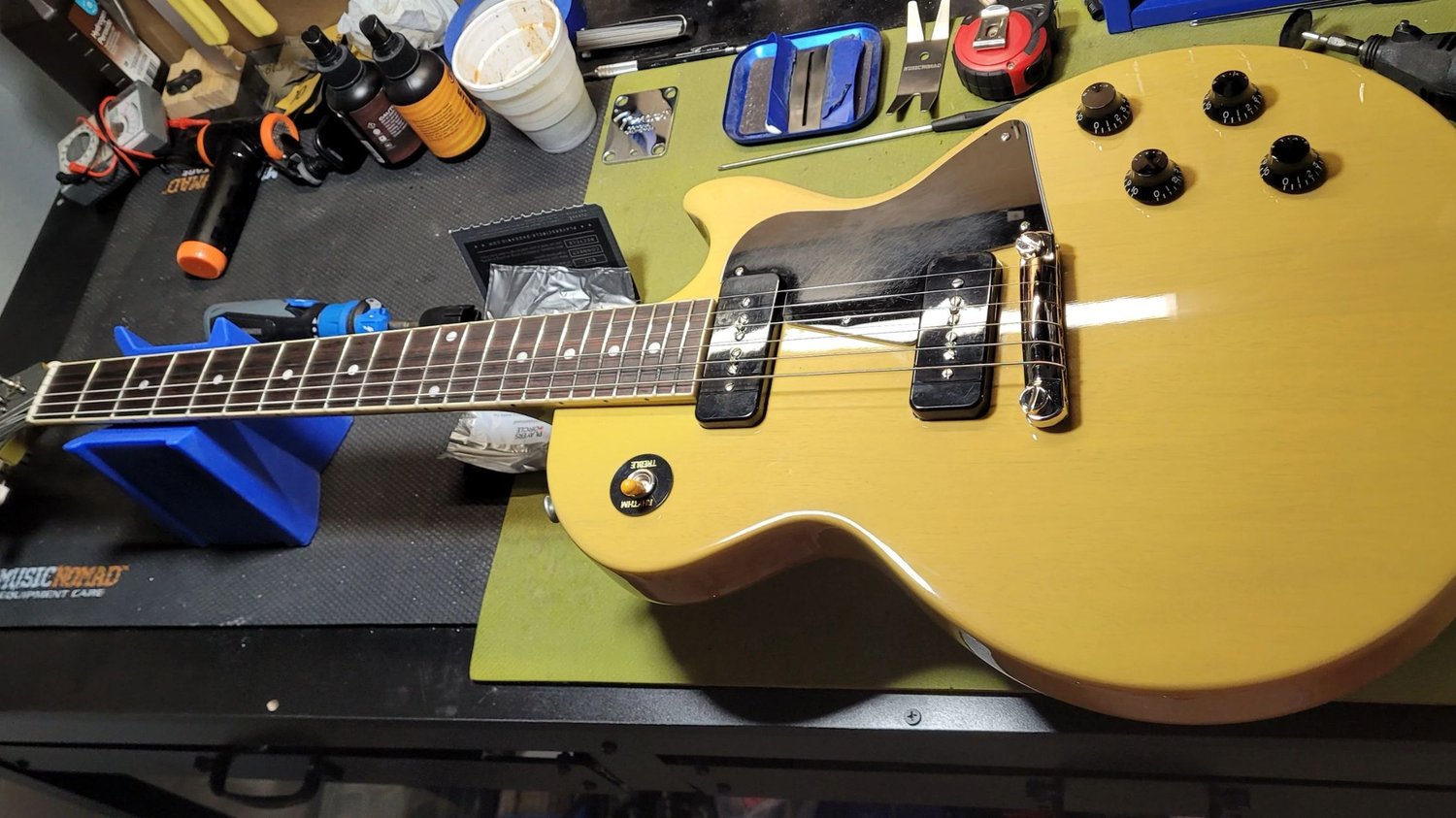
If you play guitar regularly, you probably already know this. At some point, your instrument starts acting in ways that feel strange. One day it sounds great, and the next day something feels off. You may try small fixes at home, but some problems are deeper than basic adjustments.
This is where professional help becomes important. Especially when it comes to something like bass guitar repair in Madison, MS, small mistakes can make the issue worse instead of fixing it. Let’s look at seven common guitar problems that usually need expert care.
1. Fret Buzz That Won’t Go Away
Fret buzz is one of the most annoying problems for any player. You play a note, and instead of a clean sound, you hear a buzzing noise.
Many people try changing strings or adjusting action at home, but ongoing fret buzz usually means deeper issues like uneven frets or neck problems.
A professional in bass guitar repair will check:
- Fret leveling and worn spots
- Neck straightness
- String height balance
Fixing this properly needs special tools. Guesswork can actually make the frets worse over time.
2. Neck Problems and Truss Rod Misalignment
The neck of your guitar carries constant tension. Over time, it can bend slightly due to humidity, weather changes, or string pressure.
If the neck is too curved or too straight, the guitar becomes hard to play. You may notice high string action, fret buzz, or tuning problems.
A trained technician working in bass guitar repair knows how to safely adjust the truss rod and check neck balance. This is not something you should try without experience, because too much force can permanently damage the instrument.
3. Electronics That Stop Working Properly
When pickups stop giving clear sound or your volume knob becomes noisy, the issue is usually electrical.
Common signs include:
- Weak or no sound output
- Crackling noise when turning knobs
- One pickup not working
Inside a guitar, wiring is very delicate. A professional bass guitar repair service checks solder joints, wiring paths, grounding, and pickup condition. These repairs need proper tools and experience, not trial and error.
4. Intonation Problems That Affect Tuning
Have you ever tuned your guitar correctly, but still felt it sounds wrong when playing higher frets?
That is an intonation issue. It happens when string length is not properly set across the fretboard.
A skilled technician adjusts saddle positions and checks scale accuracy. In proper bass guitar repair, intonation is measured carefully so every note sounds right across the neck.
Without proper fixing, even a tuned guitar will sound slightly off, especially during recording or live shows.
5. Bridge and Saddle Damage
The bridge holds string tension and sends vibration to the body. If it is damaged or not aligned properly, everything feels off.
Signs include:
- Uneven string height
- Strings slipping or breaking often
- Weak sustain
Repairing a bridge needs careful adjustment and sometimes part replacement. In professional bass guitar repair, technicians make sure the bridge sits correctly and supports proper string pressure. This directly affects tone and playability.
6. Cracks and Structural Body Damage
Even small cracks in a guitar body should never be ignored. Wood reacts to pressure and moisture, and cracks can slowly grow over time.
Common causes include drops, heat changes, or natural aging of wood.
A professional repair technician will:
- Strengthen the crack area
- Support the inner structure
- Restore surface finish if needed
This is delicate work. In proper bass guitar repair, the goal is not only to cover damage but to restore strength so the instrument stays safe for long-term use.
7. Tuning Instability and Machine Head Issues
If your guitar keeps going out of tune even after tuning it correctly, the problem may be the machine heads.
Loose or worn tuning pegs can cause constant slipping. Sometimes the issue is simple wear, but in many cases, alignment or internal gear damage is the cause.
A professional technician will check:
- Gear tightness inside machine heads
- Nut friction points
- String winding quality
Proper bass guitar repair improves tuning stability by fixing all related parts, not just replacing one piece.
Why Professional Repair Makes a Real Difference
Guitars look simple, but they are very sensitive instruments. A small change in one part can affect the whole sound. That is why professional repair is not just about fixing damage, it is about restoring balance.
When you take your instrument to an expert, you get:
- Correct problem finding instead of guessing
- Proper tools made for accurate work
- Long-term solutions instead of short fixes
Many players wait too long before getting help, thinking the problem is small. But in reality, early repair often saves you from bigger damage later.
Summary:
Every guitarist faces these problems at some point. Whether it is fret buzz, neck issues, or electronic faults, the solution is not always easy to see. What matters is how early you fix it and who handles the repair.
Professional technicians understand how guitars work in detail and help bring back clear sound and smooth playability.
If your guitar is showing signs of wear or inconsistency, getting it checked at a proper bass repair shop near Madison, MS, can bring it back to good condition and help you enjoy playing without stress.