
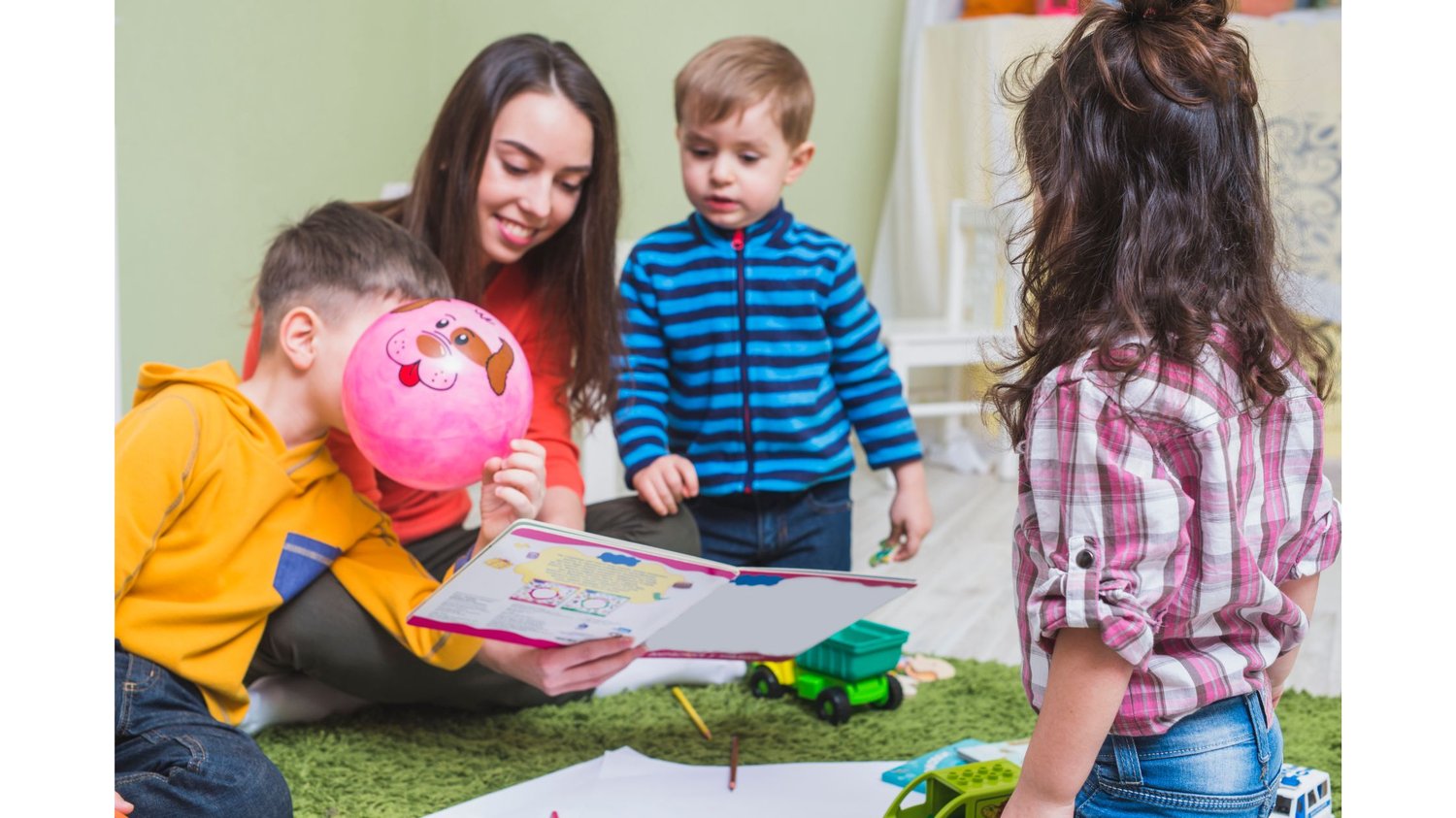
The early years of a child’s life are packed with growth and discovery. Every day brings something new to learn. Kids begin to talk, listen, explore, and understand the world around them. These early steps help shape how they think and learn later in school.
This stage is called early childhood learning, and it is one of the most important parts of a child’s development. During this time, children build basic skills like speaking, recognizing sounds, and understanding simple ideas.
Parents, teachers, and caregivers guide children along this path. With encouragement and patience, kids gain confidence. They try new things and learn from their mistakes. Slowly but surely, they start building skills that will help them throughout life.
Small Steps Turn Into Big Wins
Kids do not learn everything at once. Instead, they grow through small steps. At first, a child may learn to hold a crayon or stack a few blocks. These simple actions may seem small, but they actually help children develop important skills. For example, drawing lines or shapes improves hand control. Building towers with blocks helps kids understand balance and problem solving. Reading also plays a big role in development. Listening to stories introduces children to new words and ideas. Over time, this helps strengthen early childhood literacy. When children hear stories often, they start recognizing letters and sounds. They also learn how stories work. They notice characters, settings, and simple plots. Bit by bit, these experiences help children become better readers and listeners.
Curious Kids Learn the Best
Children are naturally curious. They ask questions all the time. Sometimes it feels like they never stop asking “why.” But that curiosity is actually a great thing. When kids ask questions, it means their brains are working hard. They are trying to understand how the world works. Adults can help by encouraging those questions. Instead of giving quick answers, they can ask kids what they think. This keeps the conversation going and helps children practice thinking. Playtime is also a powerful learning tool. Kids learn a lot when they pretend, build things, or draw pictures. These activities allow them to test ideas and use their imagination. Learning does not always have to feel like a lesson. When kids have fun, they learn without even realizing it.
Learning Tools That Kids Actually Enjoy
Today, learning can happen in many different ways. Books, games, songs, and hands-on activities all help children grow. Technology has also become part of the learning process. One popular tool is preschool learning videos. These videos often include music, colorful characters, and simple stories that grab a child’s attention. Kids may watch characters count numbers, sing the alphabet, or explore nature. Because the lessons feel playful, children stay interested and excited. Still, balance is important. Children should not spend too much time in front of screens. Real conversations, outdoor play, and creative activities are just as important. A good idea is to watch together. After the video ends, adults can ask simple questions about what the child saw. Talking about the lesson helps children remember what they learned.
Practice Helps Kids Grow
Learning takes time. Every child develops at their own pace, and that is perfectly normal. Some children speak early, while others take a bit longer. What matters most is steady practice and encouragement. Daily routines can help build learning habits. Reading before bedtime, singing songs during playtime, or counting toys while cleaning up are simple ways to practice skills. Positive words also make a big difference. When adults cheer kids on, children feel proud of their efforts. A simple “Great job!” or “You did it!” can boost their confidence. Little by little, these moments help children grow stronger in their abilities.
Conclusion
Early learning experiences shape how children understand the world. When adults support curiosity and creativity, kids feel excited about learning. They build confidence, improve their language skills, and become more eager to explore new ideas.
One of the easiest ways to support young learners is through storytime for preschoolers. Reading together builds imagination and strengthens language skills. It also creates special moments that children remember for years.