
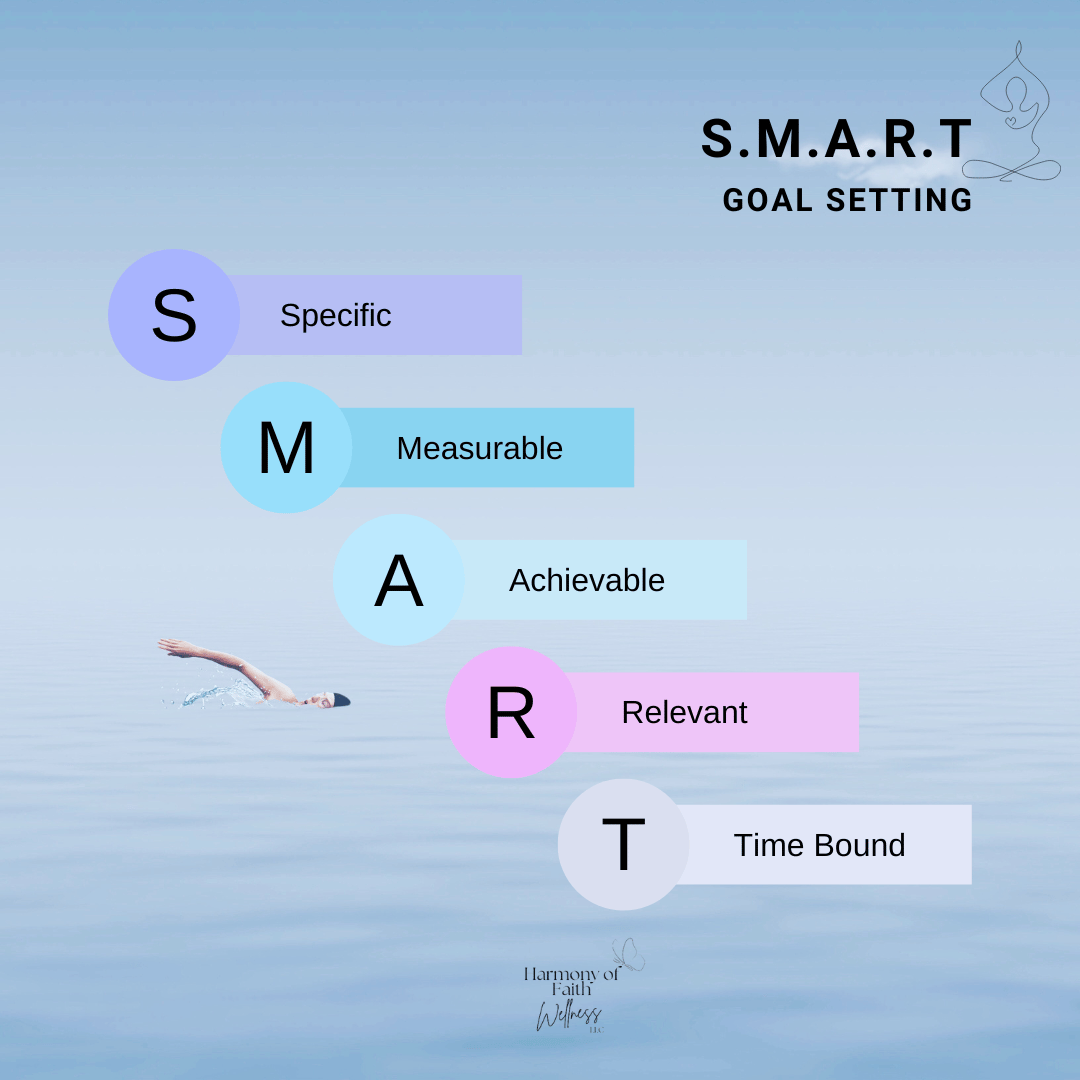
One thing time has taught me, is that setting goals is a crucial step in turning dreams into reality. However, simply having a goal isn't always enough. Without a clear plan of action, it's easy to feel overwhelmed and unsure of where to begin. And this at times can be enough to make you avoid working towards the goal because you can't seem to see a clear way to it. This is where SMART goals come into play. SMART goals provide a structured framework for setting objectives that are Specific, Measurable, Achievable, Relevant, and Time-bound. In this guide, we'll break down the SMART goals methodology and explore how you can apply it to achieve success in any area of your life.
Step 1: SPECIFIC
The first step in setting a SMART goal is to make it specific. Clearly define what you want to accomplish, answering the questions: What? Why? and How? The more specific you are, the easier it will be to create a plan of action. For example, instead of saying "I want to get in shape," a specific goal would be "I want to lose 10 pounds by exercising three times a week and following a balanced diet."
Step 2: MEASURABLE
Next, your goal should be measurable. Define criteria for tracking your progress and determining when you've successfully achieved your objective. This might involve quantifying your goal or identifying specific milestones along the way. Using the example above, you could measure your progress by tracking your weight loss each week and monitoring your fitness levels.
Step 3: ACHIEVABLE
An achievable goal is one that is realistic and attainable given your resources and circumstances. Consider what it will take to reach your goal and whether it's within your ability to accomplish it. If your goal feels too daunting, break it down into smaller, more manageable tasks. For instance, if your aim is to run a marathon but you're currently a beginner, you might start by training for a shorter race such as a 5k race.
Step 4: RELEVANT
Your goal should be relevant to your overall objectives and aligned with your values and priorities. Ask yourself if pursuing this goal will bring you closer to your long-term aspirations. If the answer is yes, then your goal is likely relevant. If not, consider whether it's worth pursuing or if there are adjustments you can make to better align it with your aspirations.
Step 5: TIME BOUND
Finally, set a deadline for achieving your goal. Establishing a timeframe creates a sense of urgency and helps prevent procrastination. Be realistic about the time it will take to accomplish your goal, taking into account any potential obstacles or challenges along the way. By setting a deadline, you'll stay focused and motivated to take consistent action towards your objective.
In conclusion, SMART goals provide a roadmap for achieving clarity and success in any endeavor. By following these five steps—Specific, Measurable, Achievable, Relevant, and Time-bound—you can set yourself up for achievement and turn your dreams into reality. Remember, the journey to success begins with a single step, so take action today and start working towards your SMART goals!