
JEWISH HOLIDAYS I HER TRIBE MAGAZINE 5786
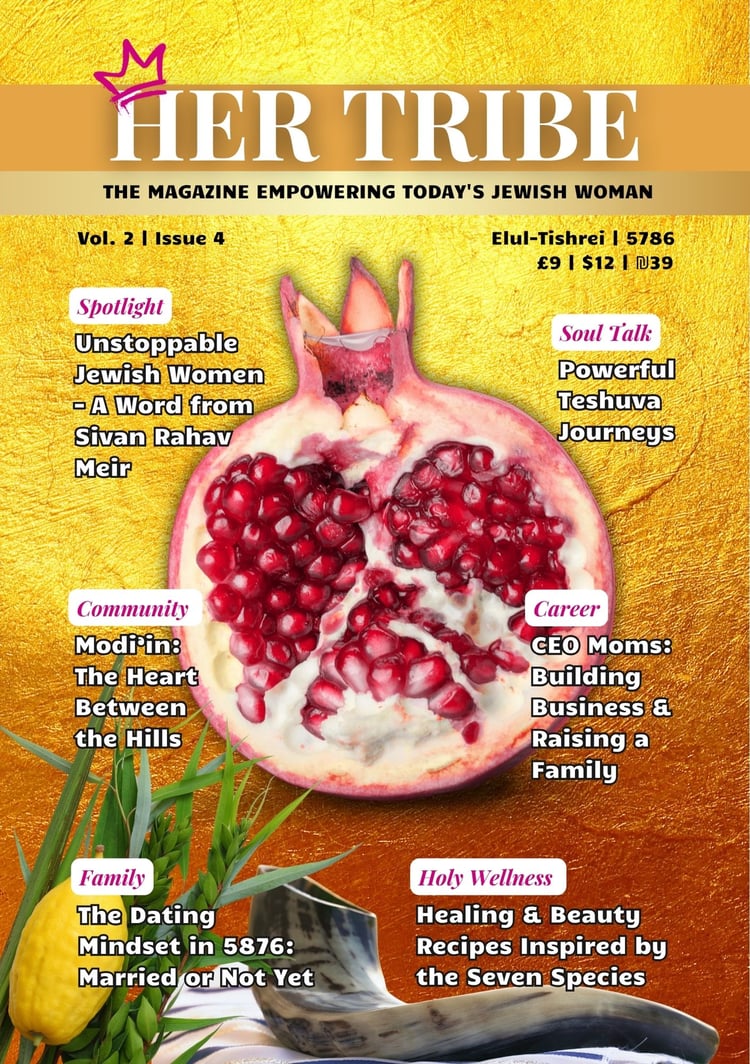
In a world of soundbites, breaking news, and constant distraction, Sivan Rahav Meir offers something rare: depth, clarity, and Torah wisdom wrapped in relevance. A journalist turned Jewish educator, media personality turned mentor, Sivan’s words travel across continents—from daily WhatsApp messages to bestselling books, TV shows to Rosh Chodesh Hallel events.
But beyond her public roles, Sivan is a wife, mother, and a deeply grounded woman navigating life’s questions just like the rest of us. As Elul begins and the Yamim Noraim approach, Her Tribe sat down with Sivan to hear her thoughts on teshuvah, the role of Jewish women today, and how she sees the unfolding geula in real time.
How do you personally prepare for the High Holidays while balancing your work, family, and public life?
Thank you for the opportunity to pause and reflect. Elul is one of the most beautiful concepts in Judaism because it doesn’t change. Every year, we’re gifted with the ability to start fresh, to renew ourselves. We don’t need a “new” idea or method—it’s the return to the core that counts. It’s like waiting for the chance to become a better version of ourselves, especially now, with everything happening in the Jewish world.
You recently made a big change in your professional life. Was that part of your teshuvah process?
Absolutely. I left Israeli political journalism after more than 20 years, working in a major news company. It was a tough but needed decision. Not everything you can do is what you should be doing. I realized it wasn’t my tafkid anymore. It didn’t match my values or goals. I realized that reporting the news wasn’t my purpose anymore. There’s a lot of negativity, a lot of noise, and I didn’t want to add to that. I wanted to build something instead. Now, I blend journalism with Judaism. I send a daily WhatsApp with a Torah thought—more than 100,000 people receive it in over 10 languages. I have a weekly TV and radio show, a newspaper column, and travel the world giving lectures.
This work feels aligned. I’m still in media—but it’s media with a mission. It’s not just about what’s happening. It’s about why it matters.
Teshuvah doesn’t only mean adding new things. Sometimes it means letting go.
That shift wasn’t just career-related—it was spiritual. It freed me to serve in other ways: teaching Torah, sharing inspiration, connecting Jews across the world. Teshuvah can start with subtraction.
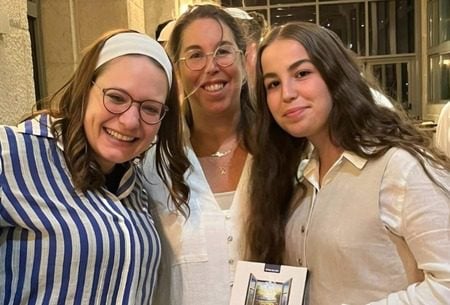
Photo: Courtesy of Sivan Rahav Meir
What advice would you give women going through their own teshuvah journey?
Start small and go slowly. The slower it is, the more serious and lasting it will be. I’ve seen it in myself and others—we get inspired and want to change everything overnight. But true teshuvah is about consistency. It’s daily. Real growth comes from small, repeated efforts. Find one thing you can do regularly—a mitzvah, a study commitment, even just a moment of reflection—and build from there.
Can you share a personal moment where you deeply felt Hashem’s closeness—especially during Elul or the chagim?
This year, something powerful happened. I released a new book called Birkat Hashachar, which is all about the power of blessings. Unlike my other works that are more inspirational, this one is about action. It moves people to say brachot in daily life. It’s a mitzvah.
And something shifted for me too. I wasn’t just sharing words—I was helping people do. It made my writing feel more alive, more connected to Hashem. It brought the kedusha into the most basic routines. Blessings can transform the way we eat, drink, walk, and notice the world. That connection—it’s very real.
This year, after years of trying to understand, I finally connected to a concept in Tanya that changed something for me. We often hear, “Hashem loves you.” And it's true—He does. Every person, every woman reading this right now, should know: Hashem truly loves you.
But I’ve come to believe there’s an even deeper level. Hashem doesn’t just love you—He needs you. You are part of His team. The word tzavah (like in mitzvah) doesn’t only mean “commandment”—it also comes from the root meaning team or togetherness. Hashem partners with us. He needs us to help repair and elevate the world.
Every mitzvah we do, every piece of Torah we learn, brings the geulah closer. He cannot do it without us. This idea—that Hashem not only loves us but needs us—has deeply shaped the way I see my role this year. It’s not just about being beloved. It’s about being essential.
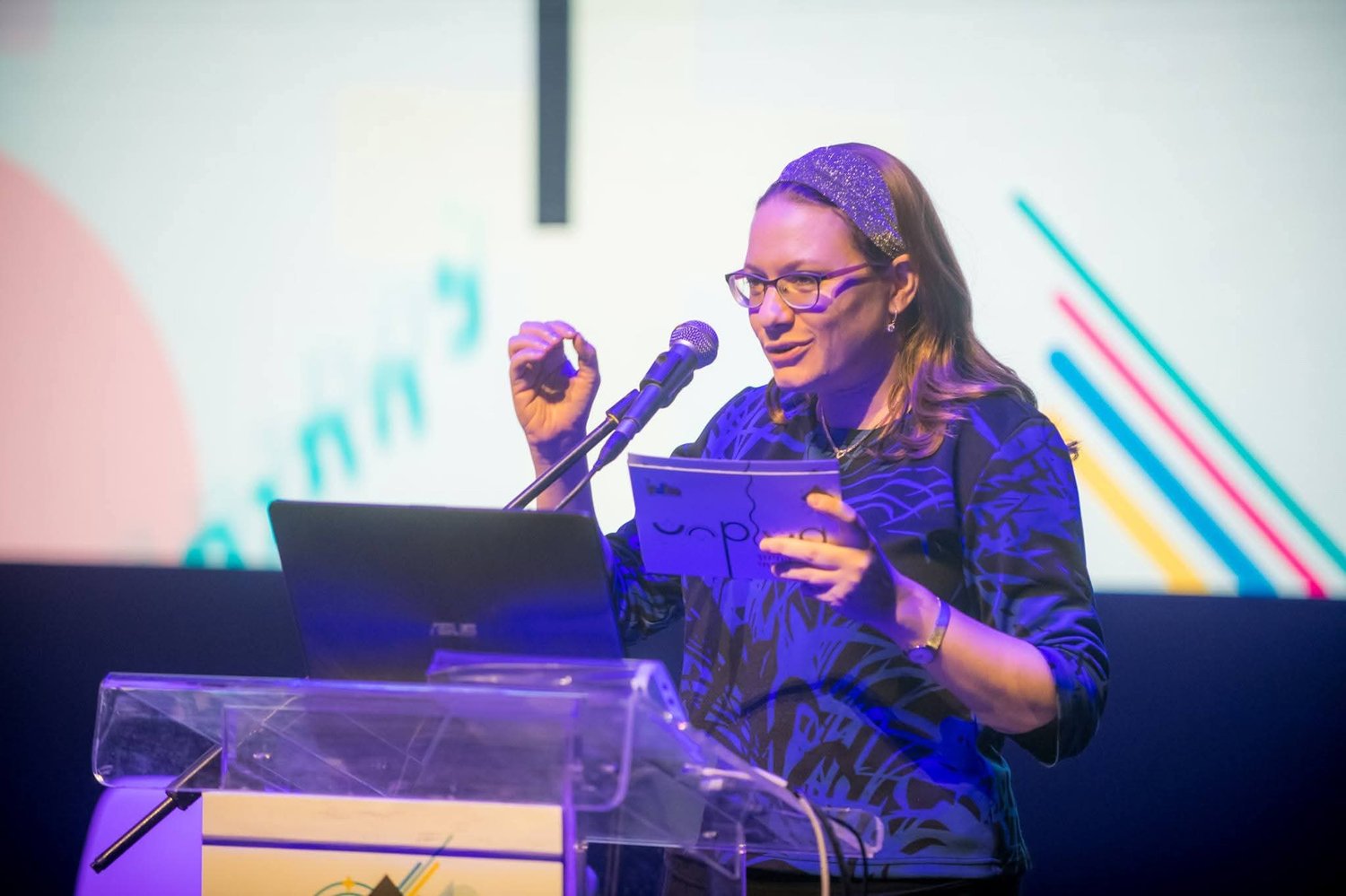
Photo: Courtesy of Sivan Rahav Meir
How do you decide what stories to share?
I focus on the reader or listener, not myself. What do they need to hear? What will resonate with them and be memorable enough to share? I simplify and summarize, always aiming to turn the message into action. I consider their age, knowledge, and how they can apply the information to their lives. I break things down into key takeaways and make them practical. That’s my approach, but of course, there are many ways to communicate.
What message do you think Jewish women today need to hear most as we enter Elul, especially with all the current events happening?
Wherever they live, whether in Israel or anywhere in the world, I think it’s important to remember that Hashem truly rules the world. We saw this clearly during Operation Rising Lion and with everything that’s been happening. The real challenge is understanding that this truth is reflected in our daily lives, in our homes, in our living rooms, with our children, and with our elderly family members.
This year, we witnessed how unpredictable everything is—how things can change in an instant. It may seem like the world is spinning out of control, but the challenge for me, personally, is bringing this understanding into my own life.
I am grateful for the opportunity to reflect on this, especially during Elul. This month reminds us that no matter what happens in the world—from Iran to the Houthis, to Syria, Lebanon, and Gaza—we cannot break the pulse of the Jewish people. Our essence, our eternity, remains intact. Whether in Auschwitz, 2000 years ago, or in the future, we will always have Rosh Hashanah, Yom Kippur, and our collective strength. It continues no matter what. Our enemies may try to harm us, but they can never cancel or erase this process.
You speak to women from many different backgrounds. What do you think unites Jewish women today?
Since October 7th, I’ve been using a term: October 8th Jews. These are people who woke up the next morning with a different awareness. More engaged. More present. They know what matters. They know what’s at stake. And they want to be part of the solution.
I see this everywhere—from New York to Toronto to Johannesburg. Women who maybe weren’t so involved are stepping up, speaking out, seeking connection. There’s a new clarity. A hunger for emet.
You host a monthly Rosh Chodesh Hallel event with Rika Razel. What does that gathering mean to you?
Rika invited me right after the war began. Our first event was small, but it’s grown into something I could never have imagined. Hundreds of women show up from all over the world, which is fascinating. Teenagers and great-grandmothers dancing and singing together—it’s achdut in its purest form.
Recently, I was in Toronto giving lectures to the community, and one woman told me, "I’ll see you on Rosh Hashanah in Jerusalem." Wherever I go—in London, New York—women tell me, "I’m planning to come this Rosh Chodesh."
Which sefarim or figures do you turn to most often for guidance?
It changes over time. For years I was immersed in Rav Steinsaltz and Rav Soloveitchik. Then Netivot Shalom. And recently, I’ve been diving deep into the teachings of the Lubavitcher Rebbe.
What I love about the Rebbe’s message is the emphasis on shlichut—your mission. You weren’t born by accident. You were sent to do something specific. And your inner world matters just as much as your outer achievements. It’s a message of empowerment and responsibility.
How do you stay grounded in such a busy environment, especially when people constantly seek your attention?
I don’t see it as a burden. I love it. I’m grateful when people stop me, share feedback, ask questions—even criticize. These are my people, my audience, the crowd. I want to listen to them to know what they want. That’s the reason I’m doing it. I work for them. It’s not about ego. It’s about service.
Of course, my kids sometimes don’t love it. They want my attention too. But I try to explain that their Ima is here for others too—and they’re a part of that.
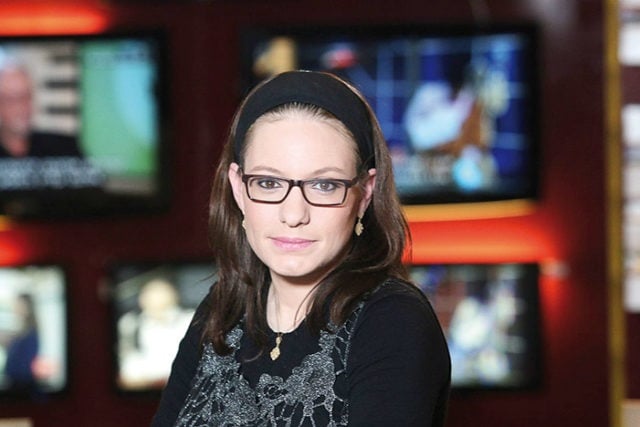
Photo: Courtesy of Sivan Rahav Meir
What’s your biggest piece of advice for women striving for success in both work and home?
One word: Balance—izun. Every woman needs to find her own path. Some may need to focus more on home life, while others on their professional work. The key is to remain honest with yourself and not lose your joy. If you're not happy, pause and reflect: What’s off? There’s no one-size-fits-all formula. Judaism teaches us that life is a constant dance between different forces—and that’s okay. The goal is balanced joy, not perfection.
For years, I’ve seen others, including myself, trying to do too much, too quickly, and too drastically. But when it’s truly meaningful, it’s gradual—it’s a daily process. I believe the word daily is crucial. My husband, for example, learns the Daf Yomi every day, and I publish “The Daily Thought.” With so many distractions and challenges today, it’s vital to base our lives on a daily routine. Whatever process you want to start or change, make it practical and consistent—tachless, as we say in Hebrew and Yiddish.
How do you help women find balance in their lives?
I often see successful women and wonder about their kids. I see women who focus solely on the home and think, "Maybe their souls need more." There’s no one-size-fits-all prescription. Everyone must find their own balanced way, whether it’s managing free time, quality time with your husband and kids, or addressing financial concerns.
Everything should be balanced. I believe that’s the core lesson Judaism teaches us. We have different inclinations, distractions, and needs—and that’s okay. Let’s find a way to live not just with balance, but with happiness. I want us to smile.
If you're happy doing something, then it’s right. But if you're unhappy, pause and check: why? Women should be happy.
If you could choose one pasuk or quote to hang on every Jewish woman’s fridge, what would it be?
“Harpu u’de’u ki Anochi Elokim” — “Be still and know that I am God” (Tehillim 46:11).
To me, this means: relax. Let Hashem do His job. We try so hard to control everything—our families, our finances, the world. But it’s not all up to us. Sometimes the holiest act is letting go.
Do you have a special message for Her Tribe readers?
This beautiful magazine is more than just a publication—it's a reflection of our Jewish knowledge and identity. And if you’re holding it in your hands, it means you’ve been gifted with something precious. But remember: there are so many Jews around us who are hungry and thirsty—not for food or water, but for meaning, for identity, for a way home. It’s up to us to share these treasures. If we have this knowledge, we have the responsibility to pass it on. That’s how I see it.
Stay Connected
You can join Sivan’s daily Torah message via WhatsApp in multiple languages. Just search “Sivan Rahav Meir WhatsApp Daily” or contact her team for the right link.
Her newest book, Birkhot HaShachar: Morning Blessings – A Guide for the First Moments of the Day, is now available for purchase.
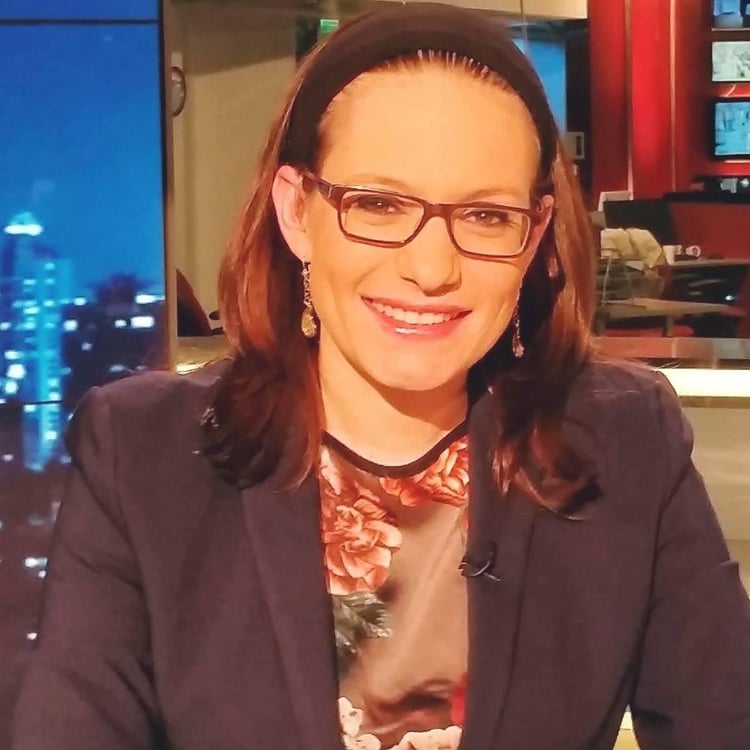
Sivan Rahav-Meir is a prominent media personality, lecturer, and author. She is married to Yedidya and is the mother of five, residing in Jerusalem. Currently, Sivan writes a popular column for Yediot Aharonot and hosts a weekly radio show. She is also known for her inspiring lectures on the weekly Torah portion, which are attended by hundreds in person and reach thousands more via live broadcasts around the world. Sivan speaks frequently in Israel and abroad on topics ranging from her personal story and the impact of Judaism to the evolving intersection of the Jewish world and new media, especially following the events of 10/7.
Recognized for her influential presence, Sivan was named the most popular female media personality in Israel by Globes and ranked among the 50 most influential Jews in the world by the Jerusalem Post.
Enjoyed this article?
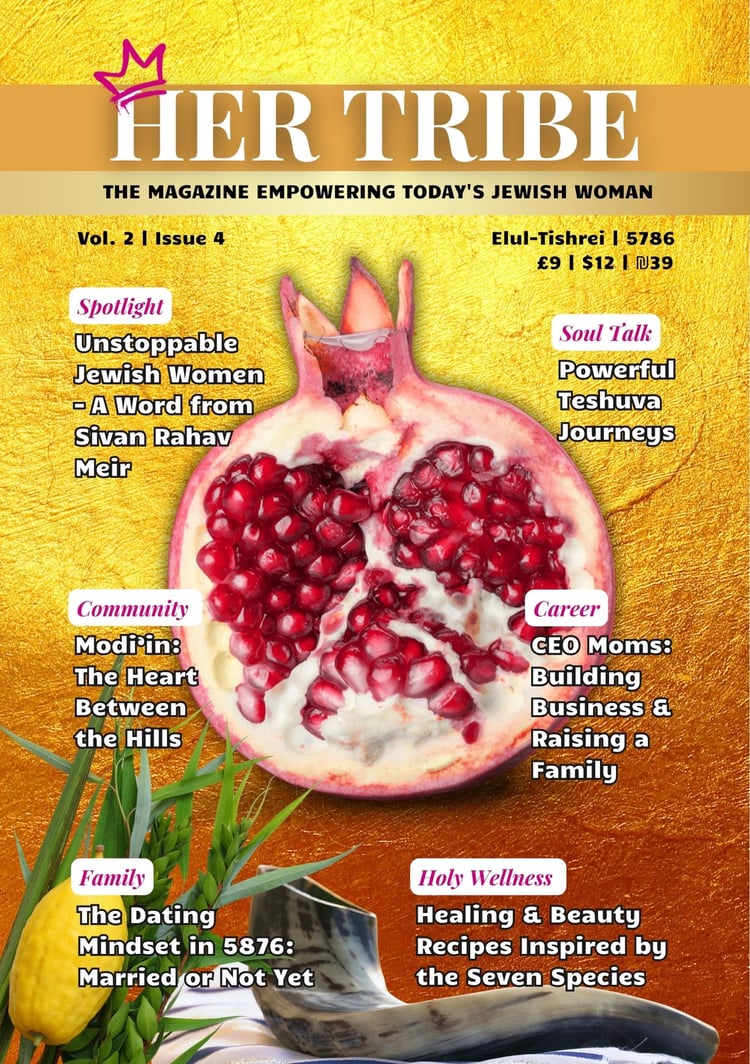
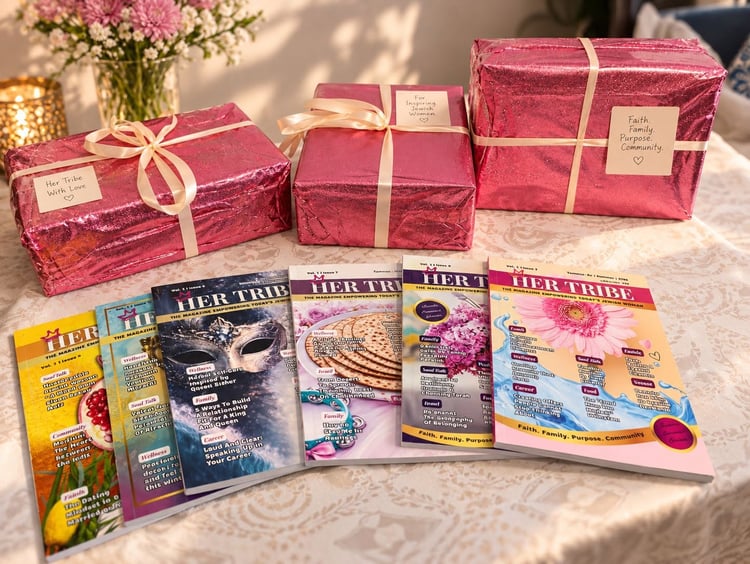
This article originally appeared in Her Tribe Magazine Elu/Tishrei 5786.
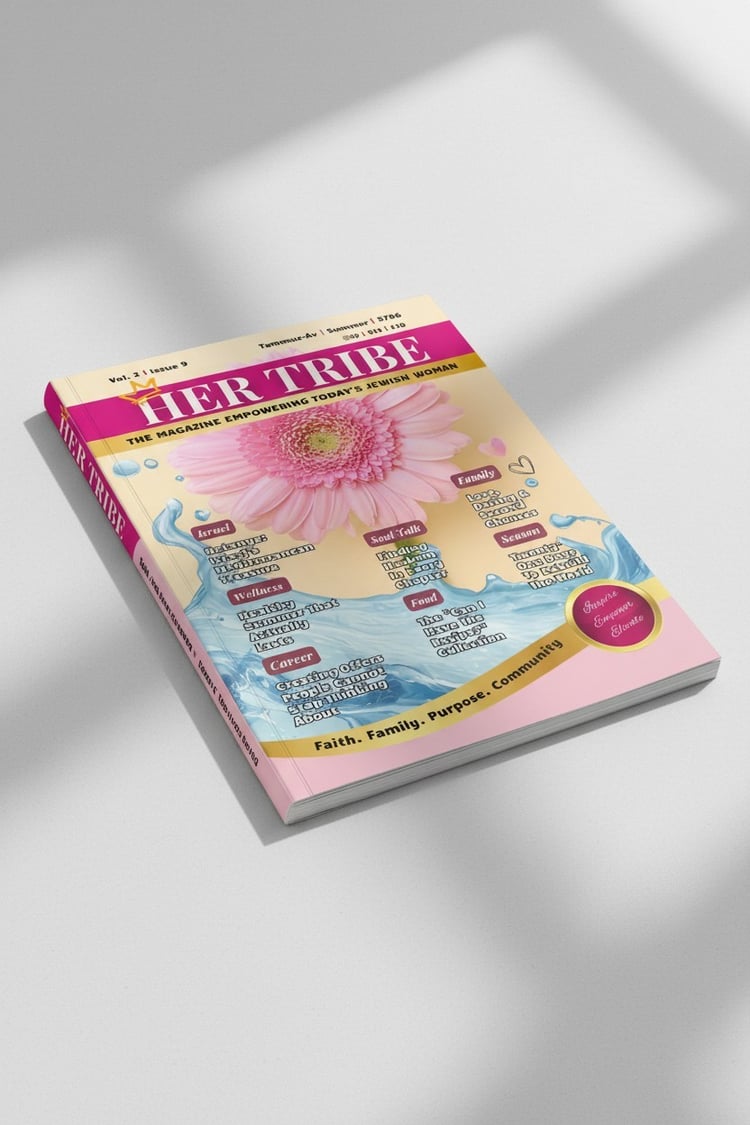
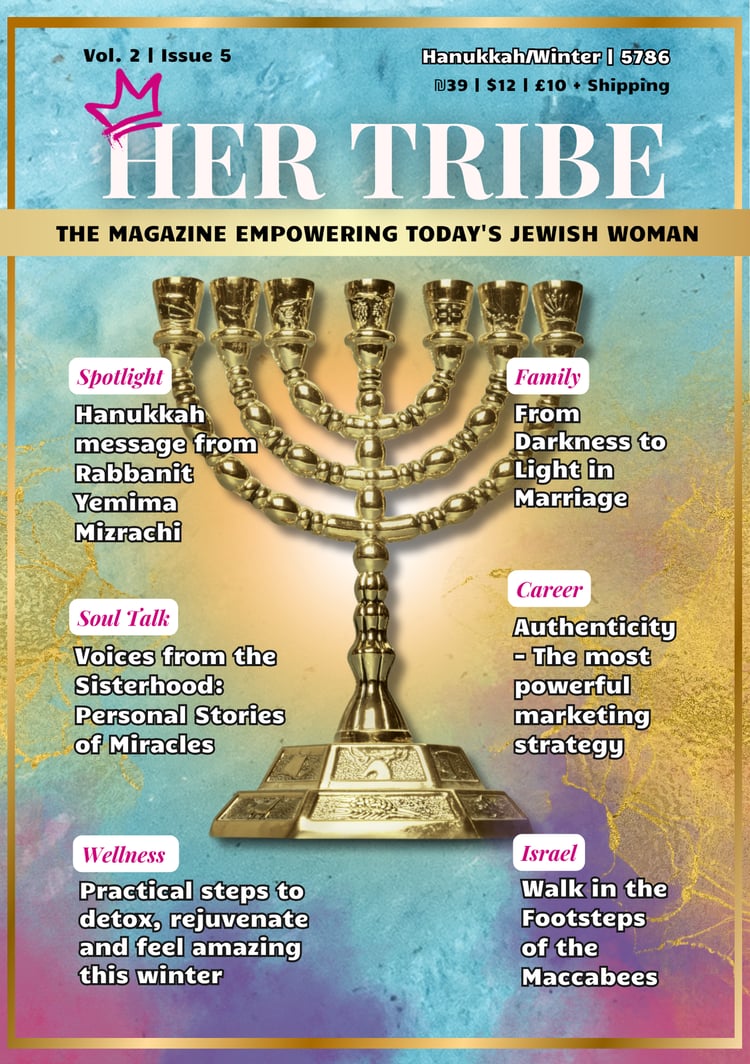
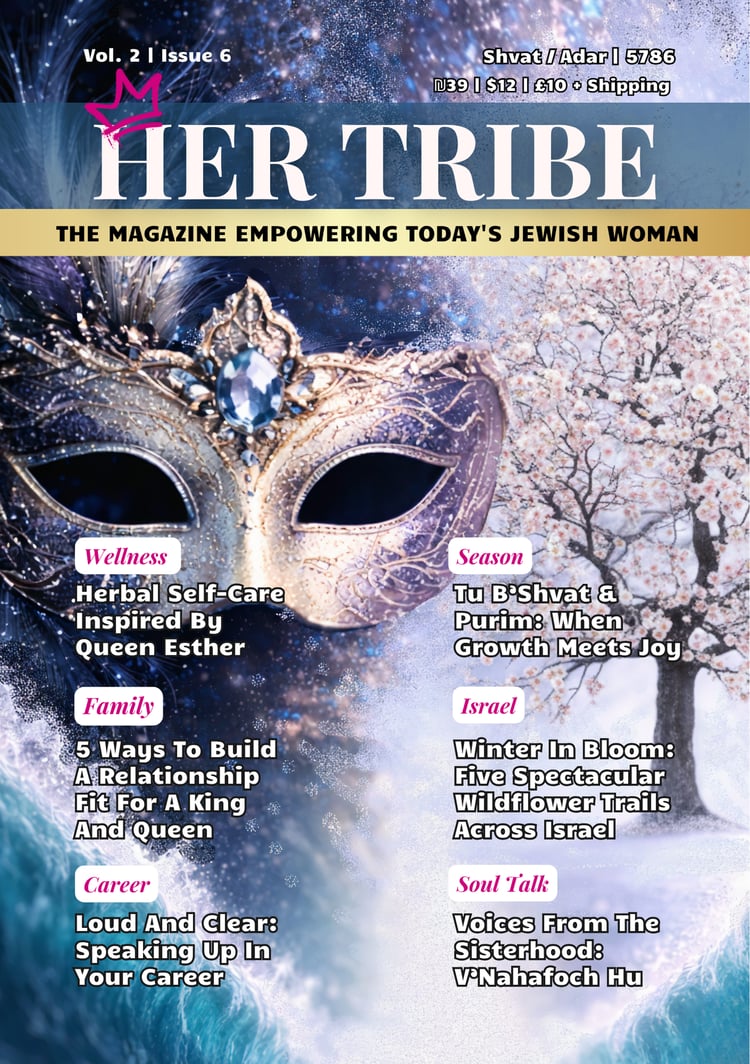
Continue reading inspiring stories, Jewish wisdom, personal journeys and meaningful conversations in the complete edition.
Comments ()