

TORAH & INSPIRATION
There is something about Chodesh Elul that softens even the hardest of hearts. It’s not just a month on the calendar—it’s a spiritual whisper from above, gently calling each of us back to where we belong. Elul is the time when the King leaves His palace and walks through the fields—accessible, compassionate, and close. As the Alter Rebbe teaches in Likkutei Torah (Parshas Re’eh), “The King is in the field”—and every soul has the ability to approach Him directly, without barriers.
At the heart of this return lies emuna—faith in Hashem’s unwavering love—and bitachon, the inner trust that He is guiding us, even when we falter. As it says in Habakkuk (2:4), "צַדִּיק בֶּאֱמוּנָתוֹ יִחְיֶה" – "A righteous person lives by his faith." Without emuna, Torah and mitzvot lose their vitality. But with emuna, even a whispered prayer becomes a declaration of spiritual life.
Elul is defined by closeness, not fear. It is ani l’dodi v’dodi li (Shir HaShirim 6:3)— “I am my beloved’s, and my beloved is mine.” This isn’t just a poetic phrase. The Baal Shem Tov explains that in Elul, the natural yearning of the soul is awakened. Teshuva in this month isn’t only about remorse. It’s about reunion. The soul hears the call of its Creator and longs to return—not from guilt, but from love.
A ba’al teshuva—one who “owns” their return—is not someone who never fell. It’s someone who chooses to rise again and again. The Navi Yirmiyahu proclaims (31:20), “שׁוּבִי בְּתוּלַת יִשְׂרָאֵל” – “Return, O virgin of Israel.” The Ramban zt”l explains that after true teshuva, Am Yisrael returns to her pristine state, like a bride untouched by past mistakes. This is the Divine miracle of teshuva—it not only cleanses; it restores the soul to its original brilliance.The Baal Shem Tov taught that teshuva is not only for sins. It is a constant yearning to return to Hashem from the distractions and spiritual dullness of the world. He called this teshuva ila’ah—a higher return, motivated by love and longing. Even tzaddikim, said the Baal Shem Tov, are in a constant process of teshuva, because there is always a higher rung of closeness to reach.
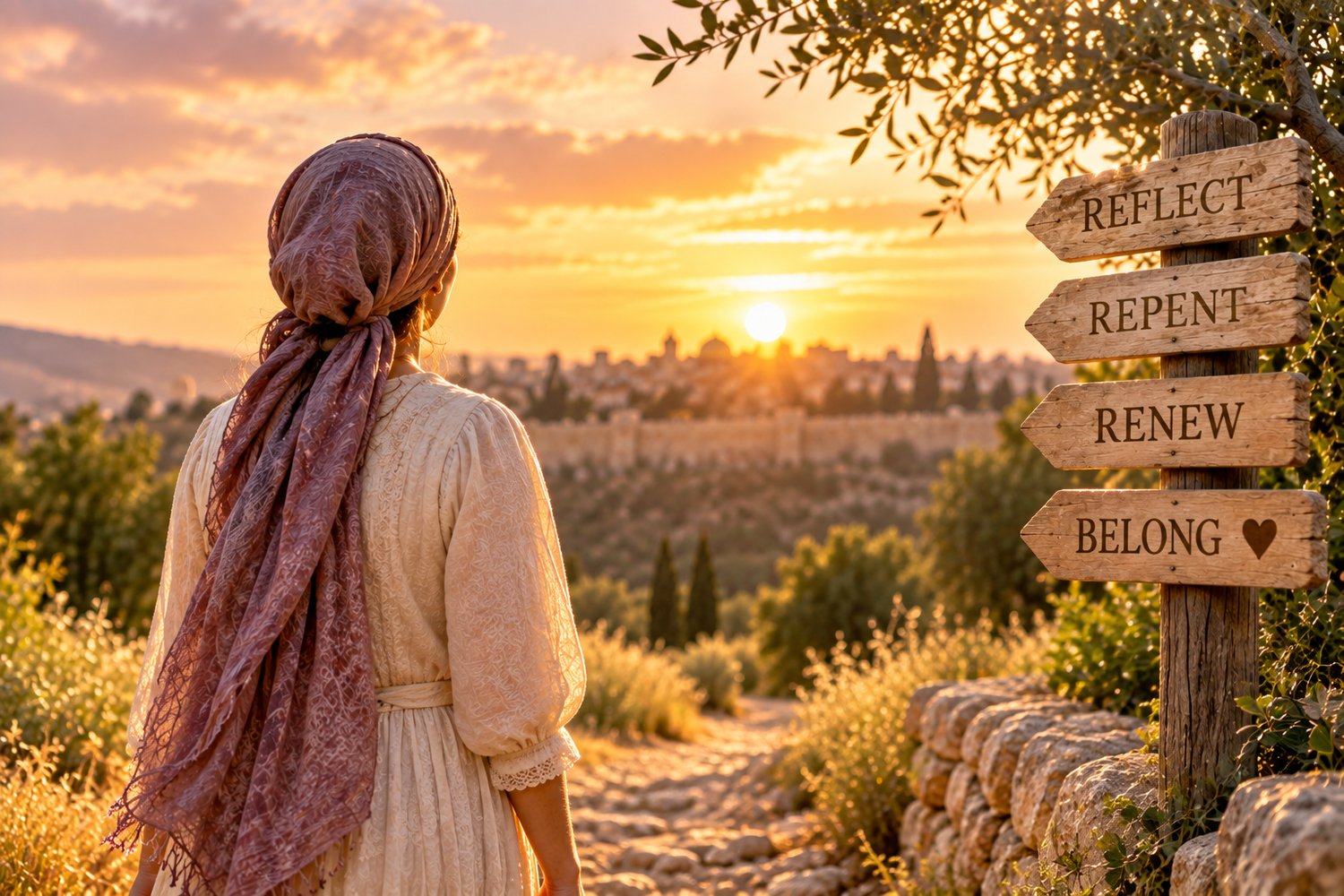
Elul is not preparation for the High Holidays—it is the gateway to them. These are the Yemei Ratzon—days of Divine desire. Hashem desires us—not our perfection, but our effort, our yearning, our realness. And when we step toward Him even slightly, He embraces us in return:
"פתחו לי פתח כחודו של מחט ואני אפתח לכם פתח כפתחו של אולם" – “Open for Me an opening the size of a needle’s eye, and I will open for you an opening the size of a grand hall” (Shir HaShirim Rabbah 5:3).
For women especially, Elul stirs the soul. As natural nurturers and feelers, we often juggle so much—family, fear, fatigue, faith. Sometimes we lose connection with our inner voice—the quiet one that just wants to say, “Hashem, I miss You.” But this is what Elul is for. To pause. To remember. To come back to the still place inside and say, “Hashiveinu Hashem eilecha v’nashuva”—bring us back to You, and we shall return.
So how do we access the awe and inspiration if we don’t feel it?
The Baal Shem Tov teaches in Tzava’at HaRivash that when a Jew reflects on how much worse things could be, and yet Hashem still gives them life and light—it naturally awakens love and awe. The body may not always feel it, but the soul remembers.
He says, “Wherever your thoughts are, that’s where you are entirely.”
In Elul, we train our thoughts to return to Hashem, and in doing so, our soul follows. We also remind ourselves that nothing in life is a given. Our sight, our breath, our emotional stability—these are all daily gifts.
Our lives are not ours; they are lent to us in mercy and trust. This realization humbles us and inspires us to live more fully and truthfully. Teshuva means we get to start over. Like a newlywed couple filled with joy in their first year, teshuva me’ahava—repentance from love—restores our relationship with Hashem to its most vibrant, passionate state. In Likutei Moharan (Torah 6), Rebbe Nachman teaches that one who does teshuva out of love transforms all their previous sins into merits. Not only are we cleansed—we are elevated.
So don’t be afraid of your past. Use it as a launching pad for a deeper relationship. Hashem doesn’t wait for perfection. He waits for you.
This Elul, may we rise with emunah—knowing that Hashem believes in us.
May we walk with bitachon—trusting that we are never too far.
And may we return not with fear, but with love.
Because in the end, teshuva is not just about turning back. It’s about coming home.
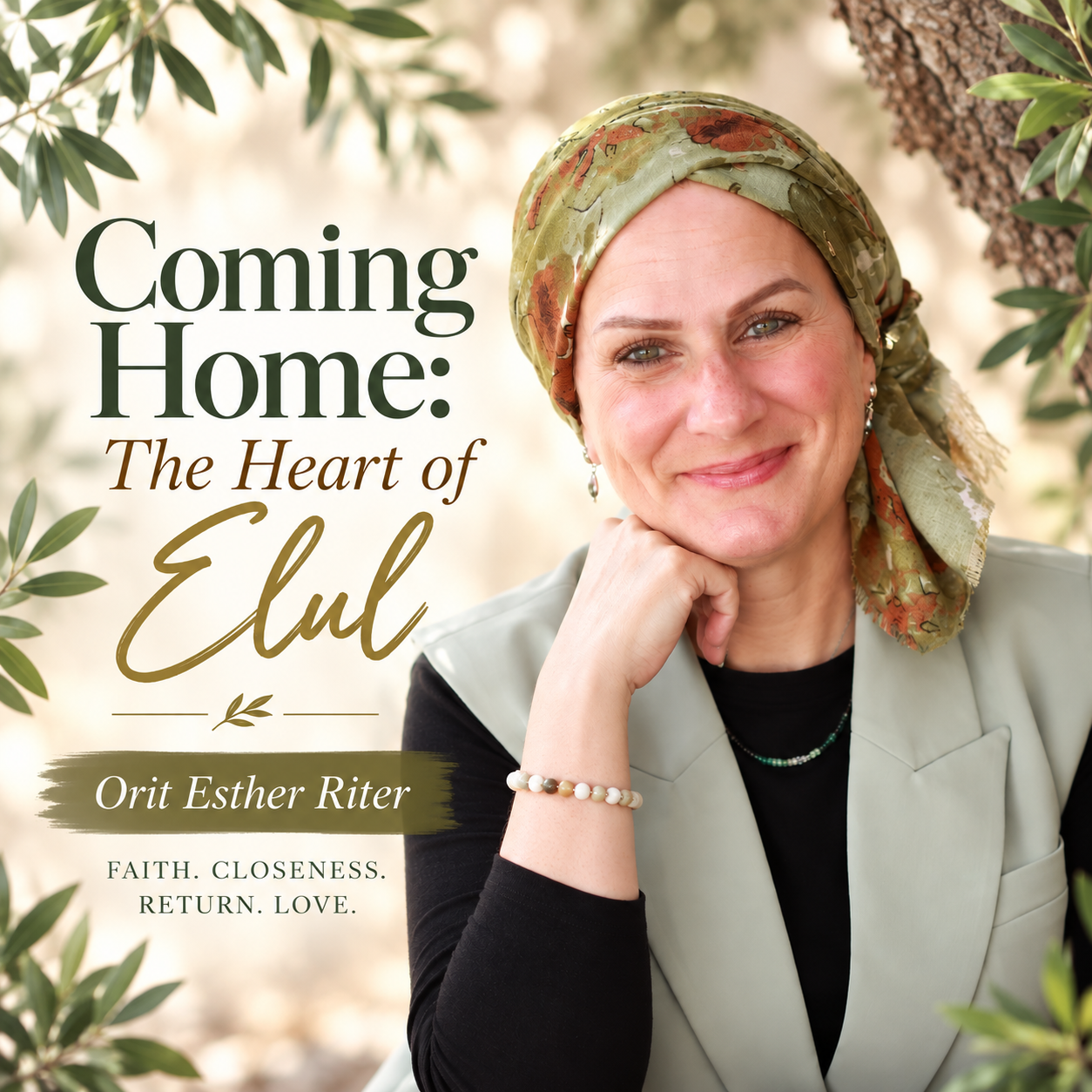
Orit Esther Riter is an Emuna Energizer, Renowned Inspirational Speaker, Author and the Practicing Founder of the First Haskamah-Approved Torah-Centric Energy Therapy Program.
After being diagnosed with multiple sclerosis 19 years ago, Emuna was the answer to Orit Esther’s healing, growth, and building of a solid foundation with Hashem. So much so, Orit Esther redirected her culinary chef career to a more meaningful path of spreading Emuna. Orit Esther believes that every soul is beautiful and holds positive energy and light that deserves to shine and therefore single-handedly began an Emuna movement worldwide devoted to helping others heal from trauma and pain. Her diverse healing techniques, teachings, programs and courses are found on the Or Emuna Therapeutic Healing Academy platform and are based on the transformative teachings of the Holy Ba'al Shem Tov. Orit Esther's end goal - supercharge those who attend the programs to embark on the Emuna movement of Torah consciousness in the most palpable and applicable way in our ”dor hageula”, the generation of Mashiach.
light@oremuna.org.
Enjoyed this article?
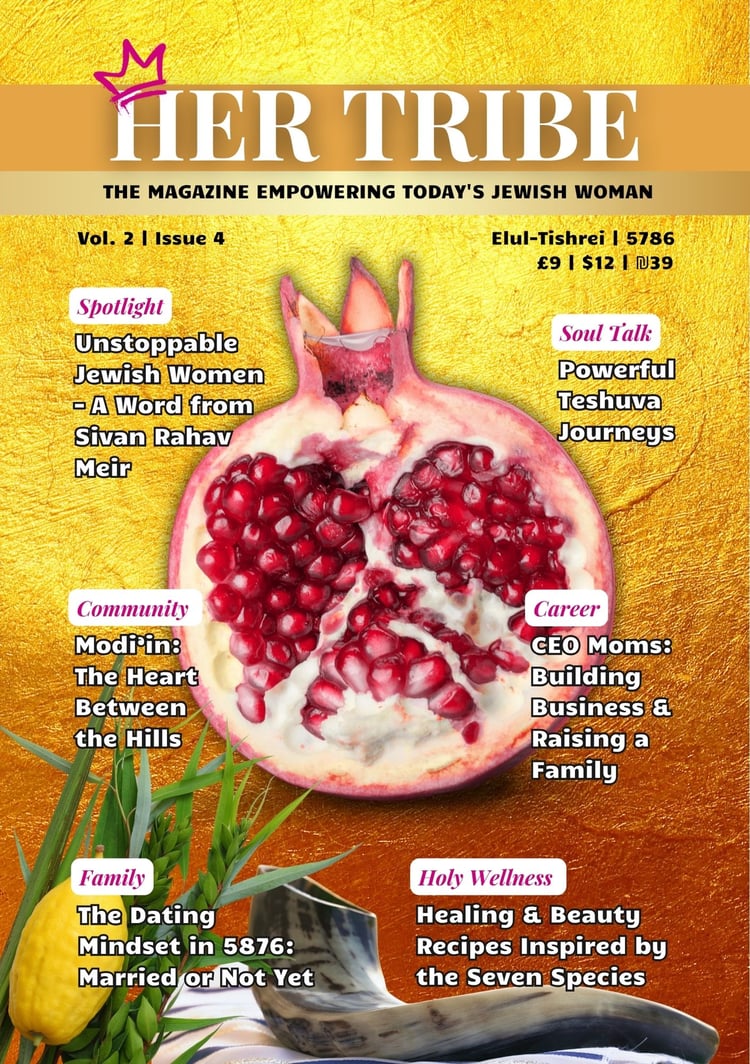
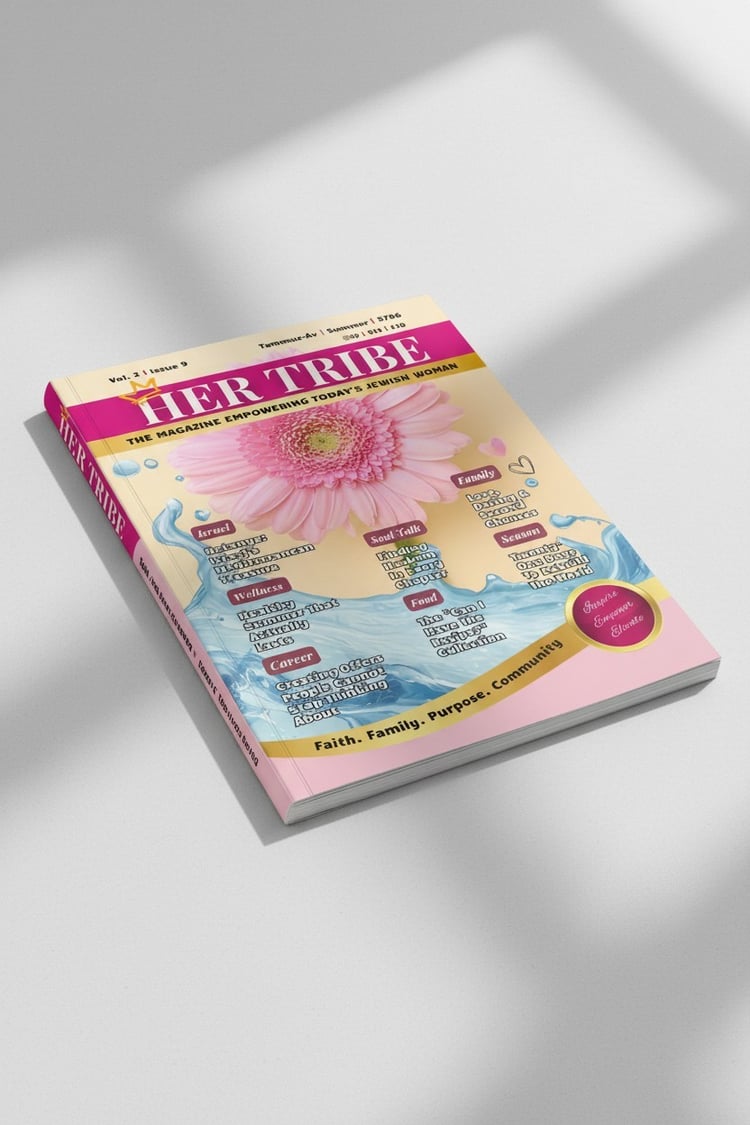
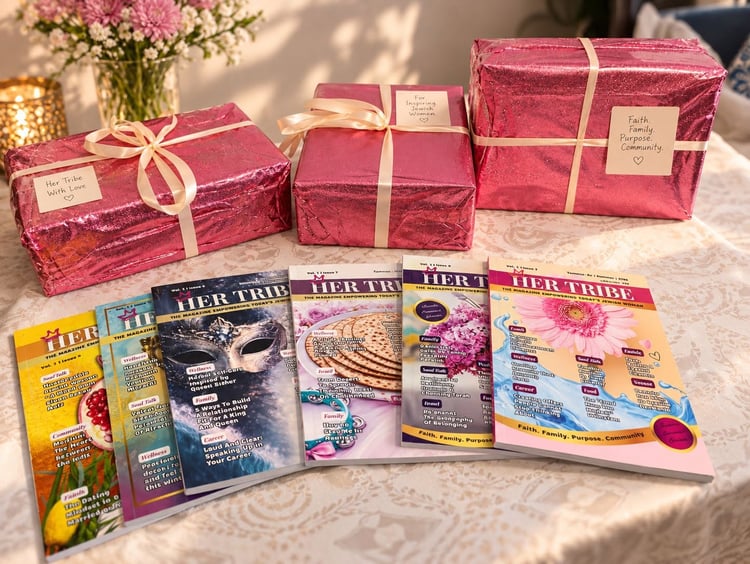
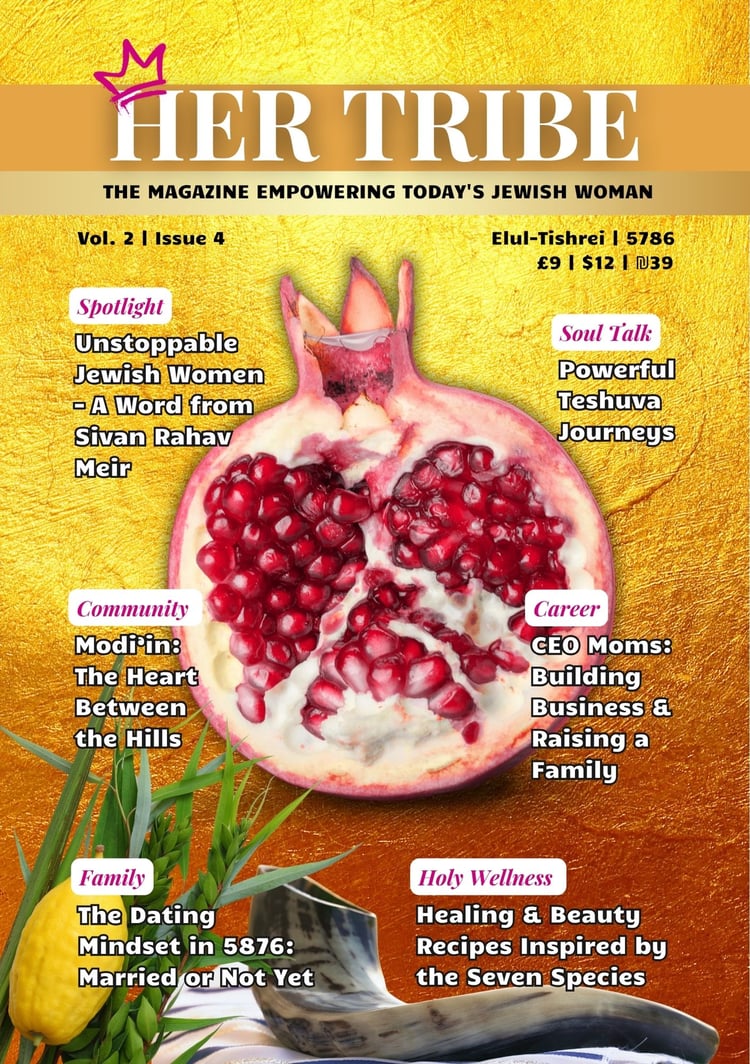
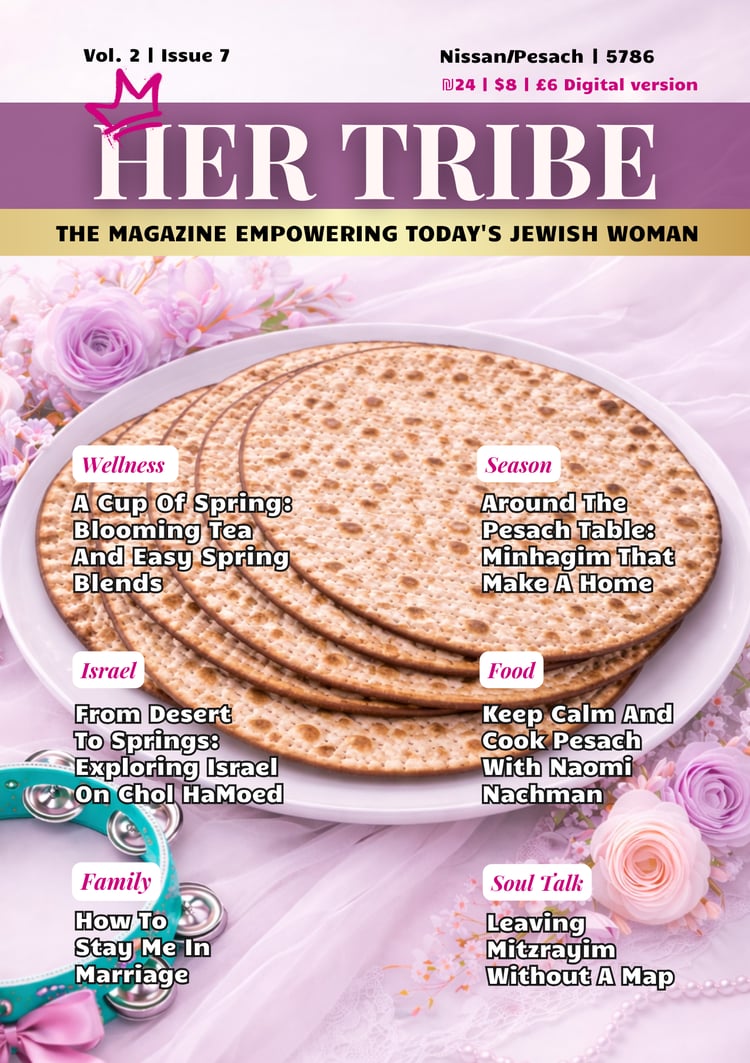
This article originally appeared in Her Tribe Magazine Elu/Tishrei 5786.
Continue reading inspiring stories, Jewish wisdom, personal journeys and meaningful conversations in the complete edition.
Comments ()