
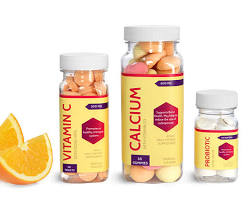
1. Artificial Colors
Why They Are Harmful:Artificial colors, often listed as FD&C Blue No. 1, Red No. 40, and Yellow No. 5, are synthetic dyes derived from petroleum. These colors are used to make supplements more visually appealing. However, they have been linked to various health issues. Studies have shown that artificial colors can cause allergic reactions, hyperactivity in children, and even cancer in high doses.
Why They Shouldn’t Be in Supplements:Supplements are meant to support health, not compromise it. The risks associated with artificial colors outweigh any aesthetic benefits.
Safer Alternatives:
- Beet juice powder
- Turmeric
- Spirulina
- Annatto extract
2. Titanium Dioxide
Why It Is Harmful:Titanium dioxide is used as a whitening agent in supplements. It has been classified as a possible carcinogen by the International Agency for Research on Cancer (IARC). Ingesting titanium dioxide can lead to inflammation and potential damage to the intestinal lining.
Why It Shouldn’t Be in Supplements:Titanium dioxide is prudent to avoid in health supplements given the potential for harm, especially with long-term use.
Safer Alternatives:
- Calcium carbonate
- Rice powder
- Silica
3. Hydrogenated Oils
Why They Are Harmful:Hydrogenated oils (vegetable oils) and partially hydrogenated oils (seed oils such as canola, sunflower, grapeseed, cottonseed, safflower, soybean and corn oils), are used to extend the shelf life of supplements. These oils contain trans fats and are high in omega 6 which causes inflammation in the body. These are known to increase the risk of heart disease, stroke, and diabetes. They also do this by raising bad cholesterol levels and lowering good cholesterol levels.
Why They Shouldn’t Be in Supplements:The inclusion of hydrogenated and partially hydrogenated oils contradicts the very purpose of supplements, which is to promote health.
Safer Alternatives:
- Coconut oil
- Olive oil
4. Magnesium Stearate
Why It Is Harmful:Magnesium stearate is commonly used as a lubricant in the manufacturing of supplements. Although generally considered safe in small amounts, high levels of magnesium stearate can suppress immune function and potentially lead to the formation of biofilms in the intestines, which can hinder nutrient absorption.
Why It Shouldn’t Be in Supplements:While the immediate risk might be low, the potential for long-term health effects makes magnesium stearate an unnecessary addition to supplements.
Safer Alternatives:
- Vegetable stearate
- Rice bran extract
- Silica
5. Carrageenan
Why It Is Harmful:Carrageenan is used as a thickener and stabilizer in many supplements. Some studies have linked carrageenan to gastrointestinal inflammation and ulceration. It has also been suggested that carrageenan can trigger an immune response similar to that of pathogens like Salmonella.
Why It Shouldn’t Be in Supplements:Considering the potential for serious digestive issues, carrageenan is best avoided in supplements.
Safer Alternatives:
- Guar gum
- Agar-agar
- Xanthan gum
6. Cellulose Gum
Why It Is Harmful:Cellulose gum, also known as carboxymethyl cellulose (CMC), is a thickener and emulsifier used in many supplements. It can be made from wood pulp, also known as sawdust. Cellulose gum is a chemically modified form of cellulose which is a polymer that’s naturally found in plant cell walls. While generally recognized as safe (GRAS) by the FDA, some studies suggest that high levels of cellulose gum can lead to digestive problems, such as bloating, gas, and laxative effects. There is also concern that it may disrupt the gut microbiome, leading to long-term gastrointestinal issues.
Why It Shouldn’t Be in Supplements:Cellulose gum is considered safe in small quantities. However, the potential for digestive disturbances and its impact on gut health make it an undesirable ingredient in supplements.
Safer Alternatives:
- Acacia gum
- Guar gum
- Pectin
In Conclusion
While dietary supplements can offer significant health benefits, it’s crucial to be aware of the ingredients they contain. Harmful additives like artificial colors, titanium dioxide, hydrogenated oils, magnesium stearate, carrageenan, and cellulose gum can pose serious health risks. By choosing supplements free from these harmful ingredients and opting for products that use safer alternatives, consumers can better protect their health and ensure they are truly supporting their wellness goals. Always read labels carefully and opt for products from reputable manufacturers that prioritize safety and transparency. One of my absolute favorite supplement companies if Earthley Wellness. They use natural herbs with no extra added junk that we don’t need.
If the reason you are taking supplements is because you are deficient in certain vitamins and minerals, have you thought that it could maybe be an absorption or toxicity issue and not truly a deficiency? If you want to learn more about this you can go here.
All the content here is solely for informational purposes only. It is not intended to be medical advice, diagnosis or treatment. Always seek the advice of your medical practitioner if you have concerns. The information, suggestions or remedies mentioned on this site are provided without warranty of any kind; whether expressed or implied. This information is provided so that you can make truly informed decisions.