

Pregnancy and birth are some of the most powerful and transformative experiences of a woman’s life. With them comes a flood of decisions—one of the biggest being whether or not to get an epidural.
For some women, the idea of pain relief sounds like the obvious choice. But for others, the risks and potential side effects of an epidural raise enough concerns to consider a natural birth instead. This isn’t about judgment—it’s about being fully informed so you can make the best choice for your body and your baby.
If you’ve been wondering why some moms decide against epidurals, here are several important reasons to consider.
1. What’s in an Epidural: The Medications Matter
Most epidurals are a mixture of a local anesthetic (like bupivacaine or lidocaine) and an opioid (commonly fentanyl). While this cocktail is effective at blocking pain, it also means that an opioid is entering your bloodstream — and your baby’s.
Fentanyl is a powerful synthetic opioid, up to 50–100 times stronger than morphine. Even in small doses, it crosses the placenta and can affect your baby’s nervous system. Research has shown that fentanyl exposure during labor may lead to newborns who are less alert, have weaker muscle tone, and may have difficulty initiating breastfeeding right away.
For mothers, fentanyl carries its own risks. Some women report itching, nausea, difficulty breathing, and long-lasting headaches. More concerning is the possibility of dependence or sensitivity to opioids, especially for those with a personal or family history of opioid issues.
Many parents today are actively trying to reduce unnecessary exposure to synthetic drugs and chemicals — and for good reason. Avoiding fentanyl in labor is one way to protect both mom and baby during such a crucial moment.
📌 Supporting research:
- Cleveland Clinic – Epidural Risks & Side Effects
3. Freedom to Move and Work With Your Body
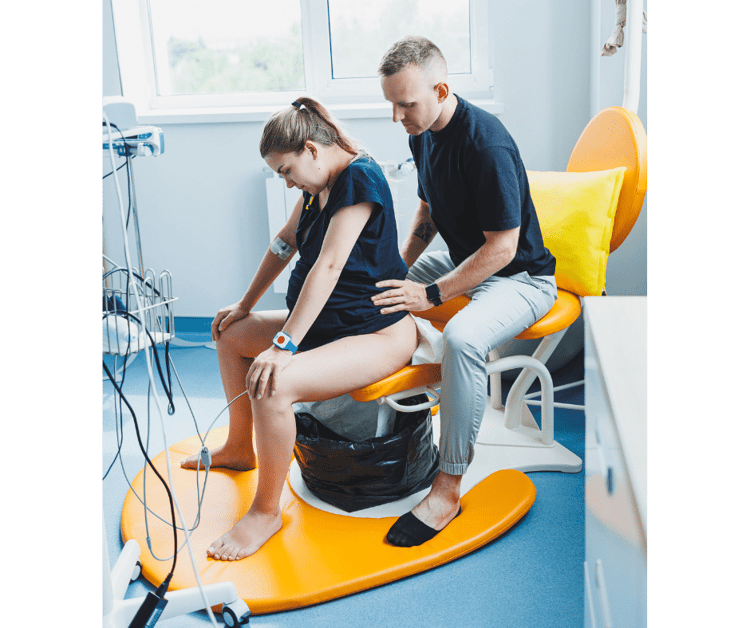
One of the biggest advantages of skipping the epidural is mobility. When you’re numb and tethered to monitors, your options for positioning are limited. But movement during labor is more than just comfort—it’s a powerful tool for progress.
Being upright allows gravity to help your baby descend. Swaying, walking, squatting, or using a birthing ball opens the pelvis and encourages the baby to rotate into an optimal position. Studies show that mobility can shorten labor and reduce the likelihood of assisted delivery. Without an epidural, you have the freedom to work with your body rather than being confined to a bed.
4. Easier Pushing and Faster Recovery
When you’re numb from an epidural, you may lose the natural urge to push. Instead of following your body’s cues, you often have to rely on coached pushing. This can make the process longer and more exhausting.
In contrast, women without epidurals often describe pushing as instinctive. Their bodies tell them when and how to push, making the process more efficient. Recovery may also be smoother, with fewer interventions, less tearing, and less soreness afterward. The more connected you are to your body during birth, the more likely you are to have an easier postpartum recovery.
📌 Supporting research: National Institutes of Health – Epidural and Labor Outcomes
5. Side Effects Doctors Don’t Always Mention
Epidurals are considered safe, but like any medical intervention, they come with risks—some of which aren’t always discussed in detail during prenatal visits. Side effects may include:
- Drop in blood pressure – This can reduce oxygen supply to your baby and may require additional monitoring or medications.
- Severe spinal headaches – If spinal fluid leaks during the procedure, intense headaches can last for days and may require further treatment.
- Lingering back pain – Some women report soreness or stiffness at the injection site long after delivery.
- Temporary or permanent nerve issues (rare) – Although uncommon, nerve damage is a potential risk.
- Shivering, fever, or itching – Side effects that, while not dangerous, can make labor more uncomfortable.
For many moms, avoiding these possibilities is enough reason to explore natural pain relief options.
📌 Supporting research:
- American Pregnancy Association – Epidural Anesthesia
- Mayo Clinic – Labor & Delivery: Pain Medications
6. Fever and Antibiotic Use
Epidurals have been linked to an increased risk of maternal fever during labor. If a mom develops a fever, doctors may suspect infection and often respond by giving antibiotics to both mom and baby. This can disrupt the newborn’s gut microbiome right from birth, which plays a huge role in long-term health and immunity. If you would like to learn about this more in detail you can read this article here.
7. Staying Fully Present in the Birth Experience
Birth is raw, intense, and life-changing. For many women, avoiding an epidural is less about refusing medication and more about embracing the full experience. Feeling each contraction, responding to your body’s natural signals, and being fully present when your baby arrives can create a deep sense of empowerment.
While labor without medication is undeniably challenging, many women report feeling proud and connected to their birth experience afterward. For them, the sense of accomplishment outweighs the pain.
8. Natural Pain Relief Alternatives
Choosing not to get an epidural doesn’t mean you’re left without options. There are plenty of natural, effective methods for managing labor pain, including:
- Breathing techniques – Rhythmic breathing and visualization can calm your nervous system.
- Hydrotherapy – Warm water from a shower or birthing tub can relax muscles and reduce pain.
- Massage and counter-pressure – Particularly effective for back labor.
- Hypnobirthing – Guided relaxation techniques that change the way you perceive pain.
- TENS unit – Gentle electrical stimulation that distracts from contraction pain.
- Acupressure or essential oils – Natural methods that promote relaxation and comfort.
Having a supportive birth team—partner, doula, or midwife—can also make a huge difference when navigating labor naturally.

9. Possible Impact on Breastfeeding
One area often overlooked in the epidural conversation is breastfeeding. Oxytocin, the hormone responsible for bonding and milk letdown, can be affected by epidurals. When oxytocin receptors are blocked, the initiation of breastfeeding may be delayed.
Medications used in epidurals also cross the placenta, which means your baby may be a little groggy or less alert in the first hours after birth. This can interfere with the “golden hour”—that crucial time when skin-to-skin contact and breastfeeding initiation are most successful.
Studies have shown that breastfeeding tends to be most effective in babies born without exposure to medication, less effective in babies exposed to epidurals or IV narcotics, and least effective in babies exposed to both.
📌 Supporting research: National Library of Medicine – Epidurals and Breastfeeding Outcomes
10. Increased Risk of Tearing
Because epidurals numb the lower half of the body, you may not feel the natural urge to push. Instead, you’ll likely have to rely on coached pushing. Without feedback from your body, pushing is often less effective and can place more strain on the perineum.
This increases the chances of tearing or needing an episiotomy. In contrast, when moms can feel their contractions and respond naturally, they often have better control and can push more gently, allowing the tissues to stretch gradually. While tearing can still happen without an epidural, the risk of severe tearing may be lower when you’re able to follow your body’s cues.
📌 Supporting research: National Library of Medicine – Epidural and Birth Outcomes
Final Thoughts
Choosing whether or not to get an epidural is one of the most personal decisions you’ll make in labor. Some women feel safer and more comfortable with the pain relief it provides, while others want the freedom, mobility, and empowerment that come with going without.
What matters most is that you’re fully informed. Understanding not just the benefits but also the risks, side effects, and potential impacts on your postpartum experience allows you to make the decision that feels right for you.
If you’re leaning toward a natural birth, prepare ahead of time by practicing pain management techniques, researching your options, and surrounding yourself with a supportive birth team. Remember—your body was designed for this, and you are so much stronger than you realize.
All the content here is solely for informational purposes only. It is not intended to be medical advice, diagnosis or treatment. Always seek the advice of your medical practitioner if you have concerns. The information, suggestions or remedies mentioned on this site are provided without warranty of any kind; whether expressed or implied. This information is provided so that you can make truly informed decisions.