

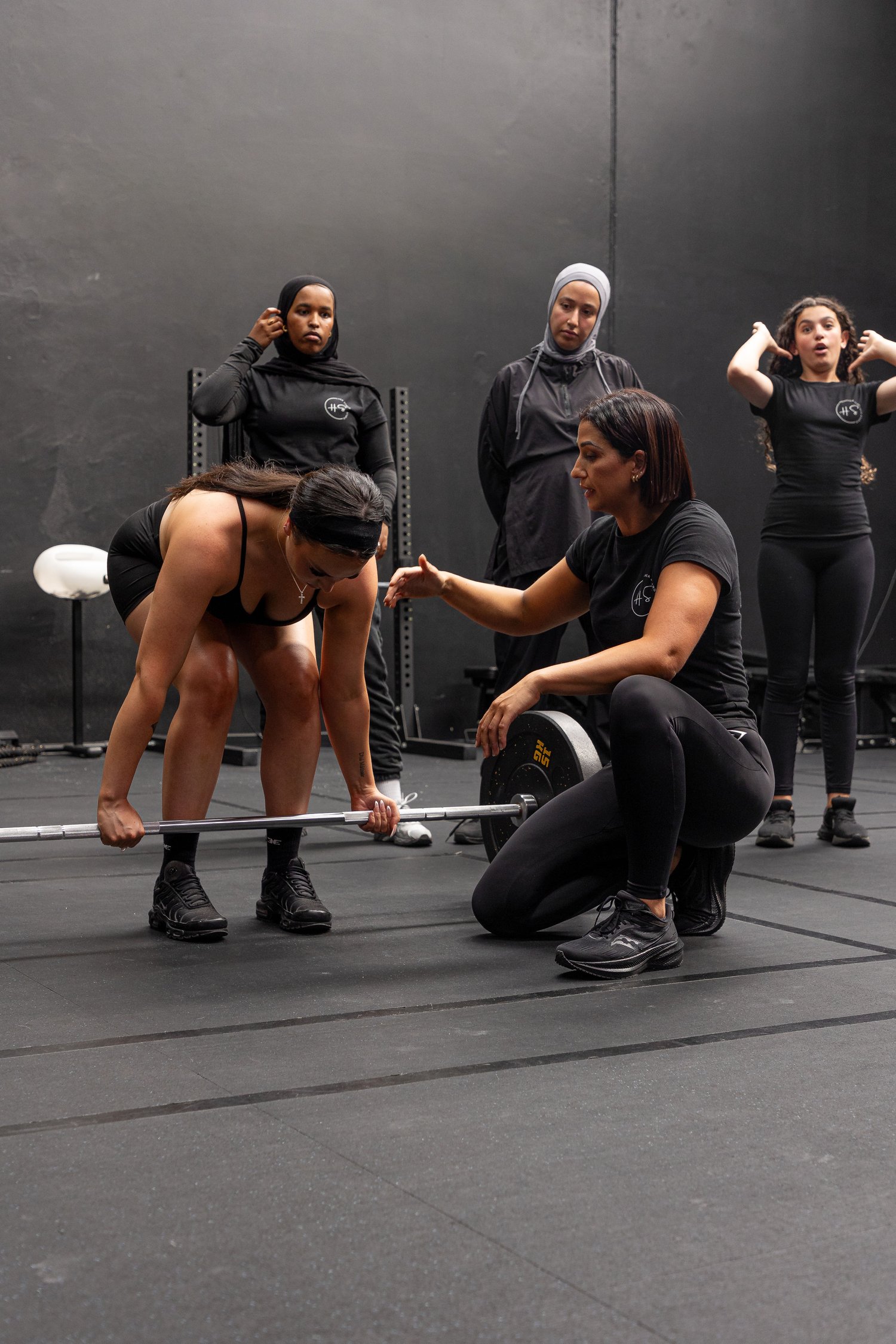
When it comes to improving performance, structural balance is key.
Think of it as the foundation that supports your strength, reduces the risk of injuries, and helps you perform better overall.
Periodization is a fancy word for planning training in phases. Each phase has a specific focus and builds on the previous one. Here’s how it works:
- Early Training (Off-Season): We use this time to fix any muscle weaknesses or imbalances. Think of it like a tune-up for your body.
- Intense Training (In-Season): During this phase, we shift focus. The goal is to maintain structural balance with smaller exercises, but the main effort goes into strengthening the movements needed for the client's specific goal.
This phased approach keeps client's strong, stable, and mobile while allowing them to push hard when it matters most.
My training programs focus on structural balance to help client's improve safely and effectively. This means we work on strengthening all muscle groups so the body is stable, strong, and ready to handle intense training.
However, things shift when a client has a specific goal, like preparing for a powerlifting meet or a triathlon.
At these times, we focus more on the muscles and movements directly related to their goal. For example, a powerlifter might prioritise their bench press or squat over achieving perfect muscle balance in other areas.
Once the competition or goal is achieved, we return to balanced training.
This recovery phase is crucial—it prevents injuries, corrects weaknesses, and prepares the client for their next challenge.
Structural balance doesn’t mean your body has to be perfectly symmetrical. In fact, aiming for perfect balance can sometimes get in the way of your performance goals.
Not every imbalance is a problem. Some are just natural adaptations to your sport. For example, a tennis player might have one arm that’s stronger because of how they play.
As a coach, I decide which imbalances need fixing right away, which ones can wait, and which don’t need attention at all.
Structural balance builds a strong foundation.
Periodization helps us decide when to focus on balance and when to push for peak performance.
Together, they help client's stay strong, perform better, and avoid injuries over the long term.