

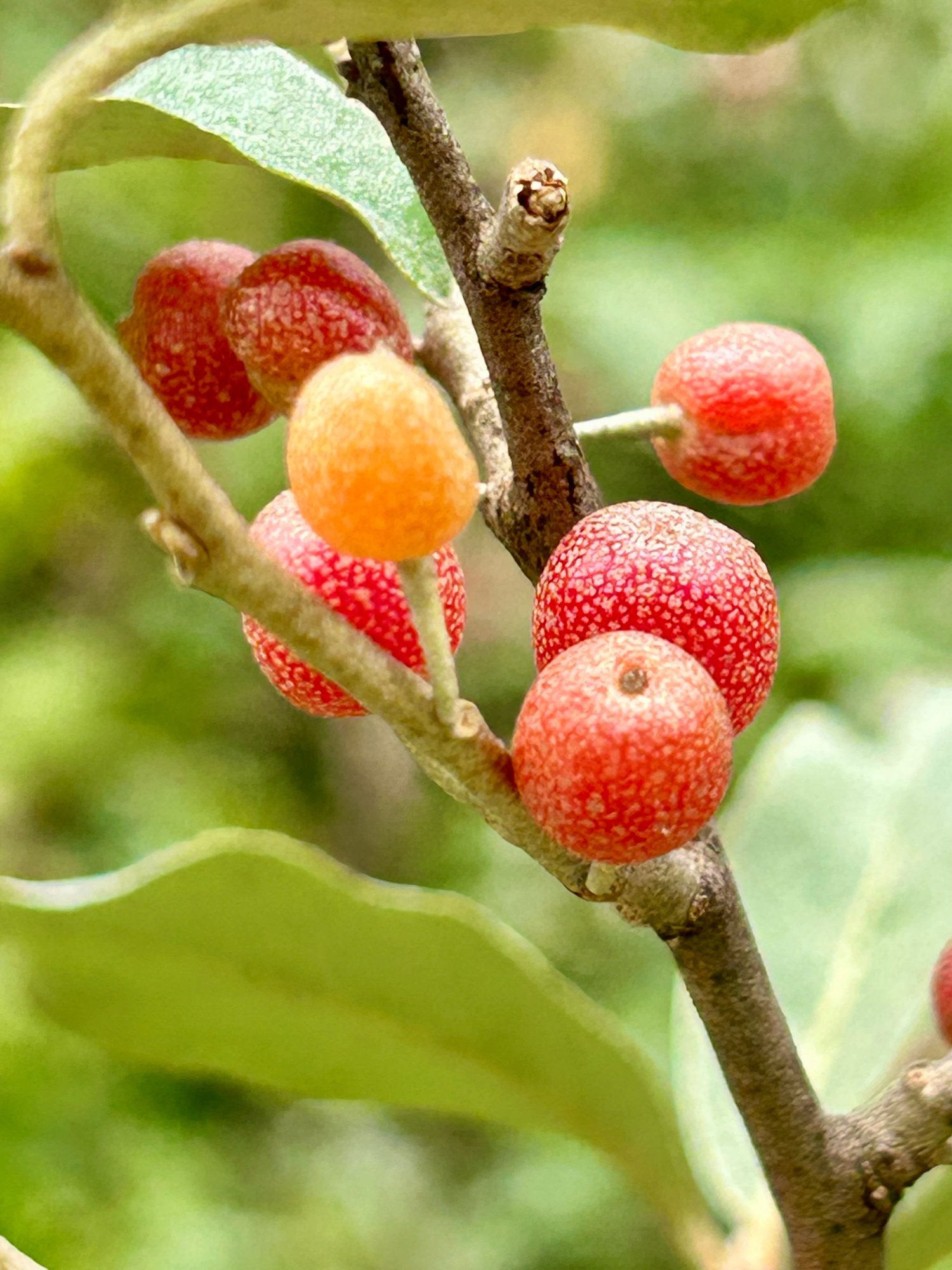
If you’ve ever walked along a trail, field edge, or country road in late summer or fall and noticed a shrub covered in tiny red berries sprinkled with silvery-white dots, you may have walked right past an edible wild food: autumn olive.
Autumn olive (Elaeagnus umbellata) is an invasive shrub found throughout much of the eastern United States. While its aggressive growth can create ecological problems, its ripe berries are edible—and they contain an impressive collection of naturally occurring antioxidants and plant nutrients.
One nutrient in particular makes autumn olive especially interesting: lycopene.
Let’s explore how to recognize autumn olive, its nutritional benefits, how to use the berries, and what you should know before foraging them.
🌿 What Is Autumn Olive?
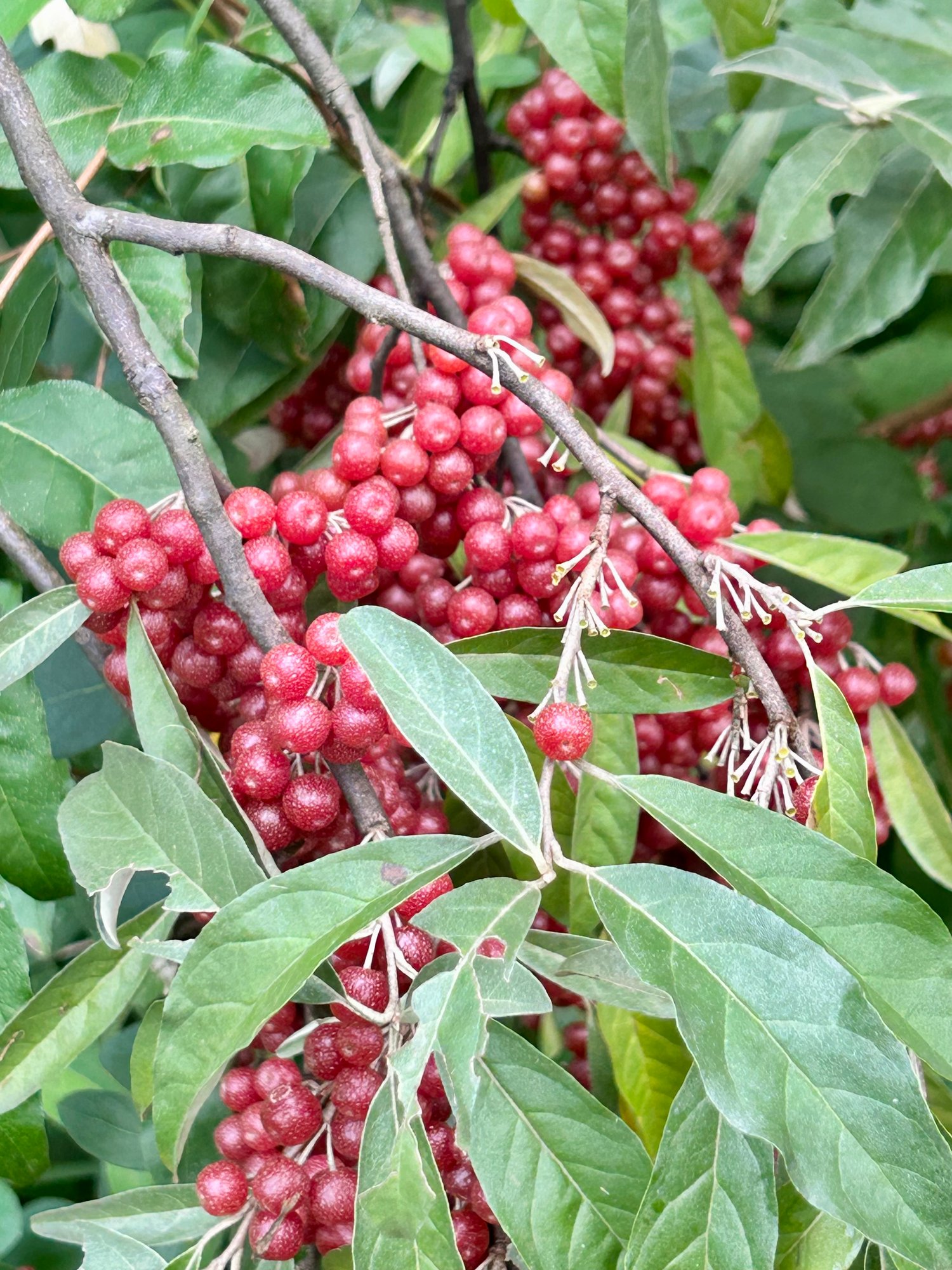
Despite its name, autumn olive isn't actually an olive. Autumn olive is a deciduous shrub in the Elaeagnaceae family that is native to parts of Asia. It was introduced to the United States and historically planted for purposes such as erosion control, wildlife habitat, and land reclamation.
Unfortunately, autumn olive adapted a little too well. Today, it is considered invasive in many areas because it can spread rapidly, form dense thickets, and compete with native vegetation.
One reason autumn olive is so successful is its ability to thrive in poor soils. Its roots associate with nitrogen-fixing bacteria known as Frankia, allowing the plant to obtain nitrogen in environments where many other plants struggle.
That helps explain why autumn olive frequently appears along:
- Forest edges
- Hiking trails
- Roadsides
- Open fields
- Abandoned farmland
- Utility corridors
- Disturbed ground
While its invasive nature is an ecological concern, it also creates an interesting opportunity for responsible foragers: harvesting the fruit can remove berries—and therefore seeds—from invasive shrubs.
Just be careful not to spread those seeds elsewhere.
How to Identify Autumn Olive Berries
Autumn olive has several distinctive characteristics that make it relatively recognizable once you know what to look for.
The ripe berries are:
- Small and round
- Bright to deep red
- Covered with tiny silver or white speckles
- Juicy when fully ripe
- Tart, sweet, and slightly astringent
The leaves provide another important clue. Autumn olive leaves are generally green on top while the undersides have a striking silvery appearance. When wind moves through a large shrub, the flashing silver undersides can make the entire plant appear to shimmer.
The berries typically begin ripening in late summer and become abundant during the fall. Underripe berries can be extremely tart and astringent. As they mature, they become softer, juicier, sweeter, and much more enjoyable.
Autumn Olive Is Remarkably Rich in Lycopene
One of the most fascinating nutritional characteristics of autumn olive is its lycopene content.
Lycopene is the red carotenoid pigment famously associated with tomatoes, watermelon, pink grapefruit, and other red or pink fruits.
Research examining autumn olive fruit has found that some samples contain remarkably high concentrations of lycopene—potentially considerably higher than fresh tomatoes by weight. However, lycopene concentrations can vary depending on factors such as ripeness, growing conditions, genetics, and processing.
Lycopene has been extensively studied for its antioxidant properties and its potential role in supporting cardiovascular and overall cellular health.
That bright red color isn't just beautiful—it reflects some of the plant chemistry hiding inside the fruit.
A Natural Source of Antioxidants
Autumn olive berries contain several antioxidant compounds, including carotenoids and phenolic compounds.
Antioxidants help protect cells against oxidative damage caused by free radicals. Oxidative stress occurs when the body's production of reactive molecules exceeds its antioxidant defenses. Diets rich in fruits, vegetables, herbs, and other plant foods provide a diverse range of compounds that contribute to the body's antioxidant network.
Autumn olive is another colorful wild fruit that can contribute to that diversity.
Provides Vitamin C
Autumn olive fruit also provides vitamin C.
Vitamin C plays several essential roles in the body, including supporting:
- Normal immune function
- Collagen production
- Wound healing
- Antioxidant defenses
- Iron absorption
Vitamin C content can vary considerably between fruits and growing conditions, so autumn olive shouldn't necessarily be viewed as a replacement for other vitamin-C-rich foods. Instead, think of it as another seasonal whole-food source of valuable plant nutrients.
Contains Beneficial Carotenoids
Lycopene isn't the only carotenoid found in autumn olive. Research has also identified carotenoids such as β-carotene and lutein in the fruit. Beta-carotene can be converted by the body into vitamin A, which contributes to normal immune function, skin health, and vision.
Lutein is particularly associated with the eyes, where it accumulates in retinal tissue and helps support normal visual function.
Eating a variety of colorful fruits and vegetables is one of the best ways to obtain a broad spectrum of carotenoids.
Contains Natural Polyphenols
Autumn olive berries also contain phenolic compounds, a broad family of phytochemicals found throughout the plant kingdom. Polyphenols are widely studied for their antioxidant and biological activity.
While laboratory research on autumn olive is intriguing, it's important to distinguish nutritional potential from proven medical treatment.
Autumn olive berries are a nutritious wild food—not a cure for disease. Human clinical research specifically examining autumn olive consumption remains limited, so claims about treating or preventing particular diseases should be approached cautiously.
What Do Autumn Olives Taste Like?
A fully ripe autumn olive berry has a surprisingly complex flavor.
Imagine a combination of:
tart cherry + cranberry + pomegranate
with a slightly tannic or puckering finish.
When the berries aren't completely ripe, that puckering sensation can be intense.
As autumn progresses and the fruit becomes fully mature, the berries generally soften and develop more sweetness.
If your first berry makes your entire mouth feel dry, you may simply have found the shrub a little too early!
Ways to Use Autumn Olive
You can eat fully ripe autumn olive berries straight from the shrub, but their tart flavor also makes them excellent for recipes.
Try using them for:
- Autumn olive jam
- Jelly
- Fruit leather
- Syrup
- Smoothies
- Homemade sauces
- Chia jam
- Wild berry compote
- Infused vinegar
- Frozen berry blends
The berries contain a relatively large seed, so many recipes involve cooking or crushing the fruit and then passing it through a food mill or strainer.
The resulting pulp has a gorgeous red color and pleasantly tart flavor.
Foraging an Invasive Plant
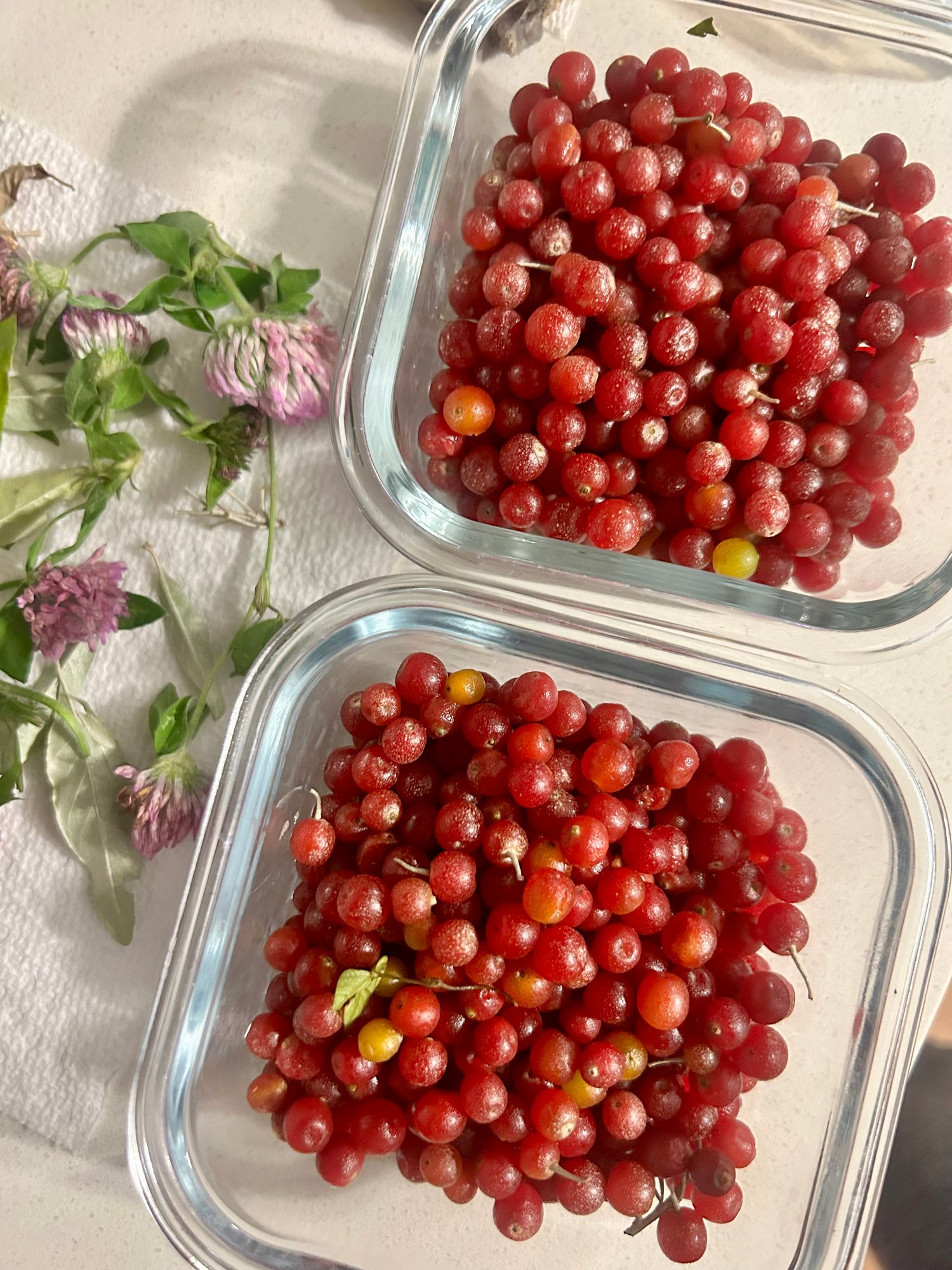
Autumn olive presents an unusual situation for foragers. Normally, responsible wild harvesting means taking only a small portion of what you find so plenty remains for wildlife and plant reproduction.
With invasive species, management goals can be different.
Because autumn olive can displace native plants, harvesting its berries removes some reproductive material from the environment.
However, there's an important catch:
Don't accidentally become an autumn olive seed distributor!
Avoid tossing seeds along trails, composting viable seeds where they might spread, or intentionally planting autumn olive. Dispose of seeds responsibly according to local invasive-species recommendations.
⚠️ Autumn Olive Foraging Safety
Never eat a wild plant based solely on a photograph, social media post, or single identifying characteristic.
Confirm several identifying features before harvesting.
For autumn olive, look for the combination of:
red berries + distinctive silver speckles + silvery leaf undersides + appropriate shrub characteristics.
If you're uncertain about an identification, don't eat it. Also avoid harvesting berries from areas that may be contaminated, including heavily trafficked roadsides, industrial areas, chemically treated landscapes, and locations that may have been sprayed with herbicides.
And always check local regulations before collecting plants or fruit from public land. Some parks and protected areas prohibit removing natural materials.
🌿 Wild Foods Are Often Hiding in Plain Sight
Autumn olive is a perfect example of how dramatically your perspective changes once you begin learning about the plants around you.
What once looked like an ordinary roadside shrub suddenly becomes recognizable as a plant with an interesting ecological history, edible fruit, and an impressive collection of naturally occurring phytochemicals.
Its invasive status certainly isn't something to celebrate—but responsible harvesting can allow us to make use of an abundant wild food while learning more about the ecosystems around us. The next time you're hiking during late summer or fall, pay attention to the shrubs along sunny forest edges and open fields.
Those tiny red, silver-speckled berries might just be autumn olives hiding in plain sight.
Holistify Me Foraging Reminder:
Wild foods can be wonderful additions to a diverse, plant-rich lifestyle, but proper identification always comes first. Learn multiple identifying characteristics, understand local harvesting rules, avoid potentially contaminated locations, and never consume a wild plant unless you are confident in its identification.
This article is for educational purposes and is not intended to diagnose, treat, cure, or prevent any disease.
Comments ()