

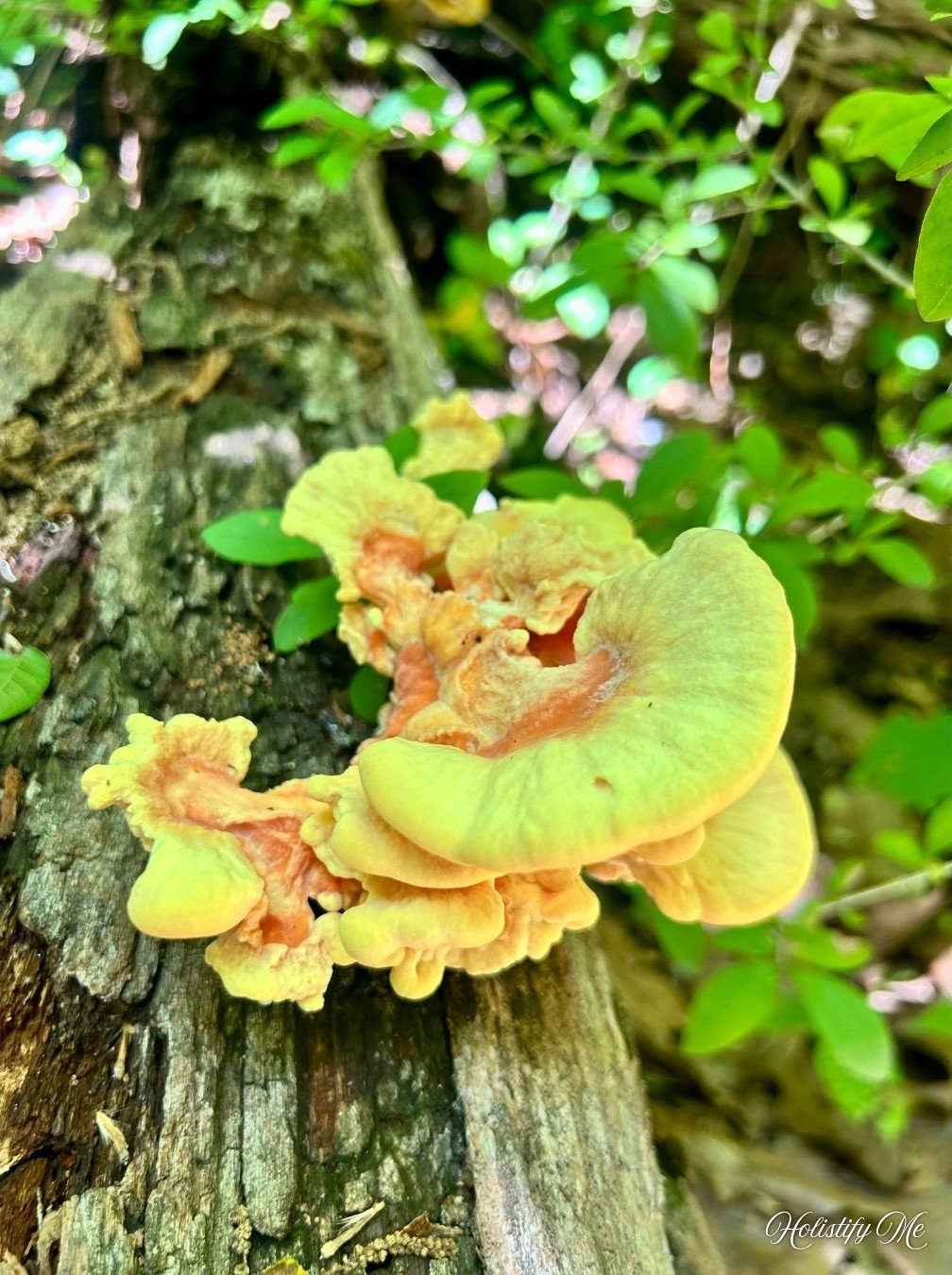
If you've ever heard foragers talk excitedly about a mushroom that tastes like chicken, they're probably referring to Chicken of the Woods. This vibrant orange-and-yellow mushroom is one of the most sought-after edible wild mushrooms in North America due to its meaty texture, mild flavor, and impressive nutritional profile.
Whether you're new to foraging or simply curious about this fascinating fungus, Chicken of the Woods is a species worth learning about.
What Is Chicken of the Woods?
Chicken of the Woods refers to several species within the genus Laetiporus. These mushrooms grow in large shelf-like clusters on living trees, dead trees, logs, and stumps.
The most commonly encountered species include:
- Laetiporus sulphureus
- Laetiporus cincinnatus
- Laetiporus gilbertsonii
Their bright colors make them difficult to miss in the forest.


Why Is It Called "Chicken of the Woods"?
The mushroom earned its common name because its texture and flavor resemble cooked chicken, especially when harvested young and tender. But it doesn’t taste like chicken on its own. That part comes from a combination of natural qualities + how you cook it.
Many foragers use it as a plant-based substitute in:
- Tacos
- Stir-fries
- Soups
- Curries
- Sandwiches
- Pasta dishes
- Vegan "chicken" nuggets
When properly cooked, the mushroom develops a firm, fibrous texture that closely mimics poultry.
Identification Features
Color
Young specimens typically display:
- Bright orange upper surface
- Yellow margins
- Yellow or white pore surface underneath
Growth Pattern
Chicken of the Woods grows in overlapping shelves or brackets that emerge directly from wood.
Pores Instead of Gills
Unlike many mushrooms, Chicken of the Woods does not have gills. Instead, it has tiny pores on the underside that release spores.
Texture
Young mushrooms are:
- Soft
- Moist
- Flexible
Older specimens become:
- Tough
- Dry
- Woody
- Less desirable for eating
Where Does It Grow?
Chicken of the Woods can be found throughout much of North America.
Common Host Trees
- Oak
- Cherry
- Beech
- Willow
- Maple
Some species grow from roots at the base of trees, while others emerge directly from trunks and logs.
Fruiting Season
Depending on your region, Chicken of the Woods can appear from:
- Late spring
- Summer
- Early fall
After periods of warm temperatures and rainfall, large flushes often appear seemingly overnight.
Nutritional Benefits
Chicken of the Woods offers more than just great flavor.
It contains:
- Dietary fiber
- Protein
- Potassium
- Antioxidants
- Beta-glucans
- Various vitamins and minerals
Like many mushrooms, it is low in calories while providing satisfying texture and nutrients.
Potential Health Benefits
Researchers continue studying medicinal compounds found in fungi, including species of Laetiporus.
Preliminary studies suggest compounds within Chicken of the Woods may possess:
- Antioxidant activity
- Antimicrobial properties
- Immune-supporting potential
- Anti-inflammatory compounds
While promising, more human research is needed before making specific health claims.
Important Safety Considerations
Always Cook Thoroughly
Never eat Chicken of the Woods raw.
Raw specimens can cause digestive upset.
Try a Small Portion First
Some individuals experience gastrointestinal discomfort even when the mushroom is cooked.
When trying it for the first time:
- Cook thoroughly.
- Eat a small amount.
- Wait 24 hours before consuming more.
Harvest Young Specimens
The best edible portions are:
- Soft
- Moist
- Flexible
Avoid mushrooms that are:
- Dry
- Brittle
- Insect-ridden
- Tough
Tree Species Matter
Some foragers report increased digestive reactions when mushrooms are harvested from certain conifers, such as eucalyptus or pine. While many people consume them without issue, beginners often prefer specimens collected from hardwood trees such as oak.
How to Harvest Sustainably
Responsible foraging helps preserve fungal ecosystems.
Follow these guidelines:
- Harvest only what you will use.
- Leave some behind for wildlife and spore dispersal.
- Avoid damaging the host tree.
- Use a knife to cut cleanly.
- Confirm identification before consumption.
When harvested carefully, many Chicken of the Woods patches can produce year after year.
Simple Chicken of the Woods Skillet Recipe
Ingredients
- 1 pound young Chicken of the Woods
- 2 tablespoons extra virgin olive oil
- 2 cloves garlic, minced
- Sea salt to taste
- Black pepper to taste
- Fresh thyme or rosemary
Directions
- Clean mushrooms and cut into bite-sized pieces.
- Heat olive oil in a skillet.
- Sauté mushrooms for 8–12 minutes until golden.
- Add garlic and herbs.
- Cook another 2–3 minutes.
- Season with salt and pepper.
Serve alongside roasted vegetables, pasta, grains, or fresh greens.
Forager's Pairing: Chicken of the Woods & Lowbush Blueberries
One surprisingly delicious pairing is Chicken of the Woods with wild lowbush blueberries.
Try:
- Sautéing the mushroom in olive oil until lightly browned.
- Simmering blueberries with a splash of apple cider vinegar.
- Adding a pinch of thyme and black pepper.
- Spoon the blueberry reduction over the mushrooms.
The savory, meaty mushroom contrasts beautifully with the sweet-tart berry sauce, creating a dish that feels both rustic and gourmet.
Final Thoughts
Chicken of the Woods is one of nature's most exciting edible mushrooms. Its striking appearance, delicious flavor, and versatility in the kitchen have earned it a devoted following among foragers and chefs alike.
Whether you're preparing mushroom tacos, adding it to a woodland-inspired meal with wild blueberries, or simply exploring the fascinating world of fungi, Chicken of the Woods offers a memorable connection to the forest and the food it provides.
As with all wild mushrooms, proper identification and careful preparation are essential. When harvested responsibly and cooked thoroughly, Chicken of the Woods can be one of the most rewarding wild foods you'll ever discover. 🍄🌲
Comments ()