

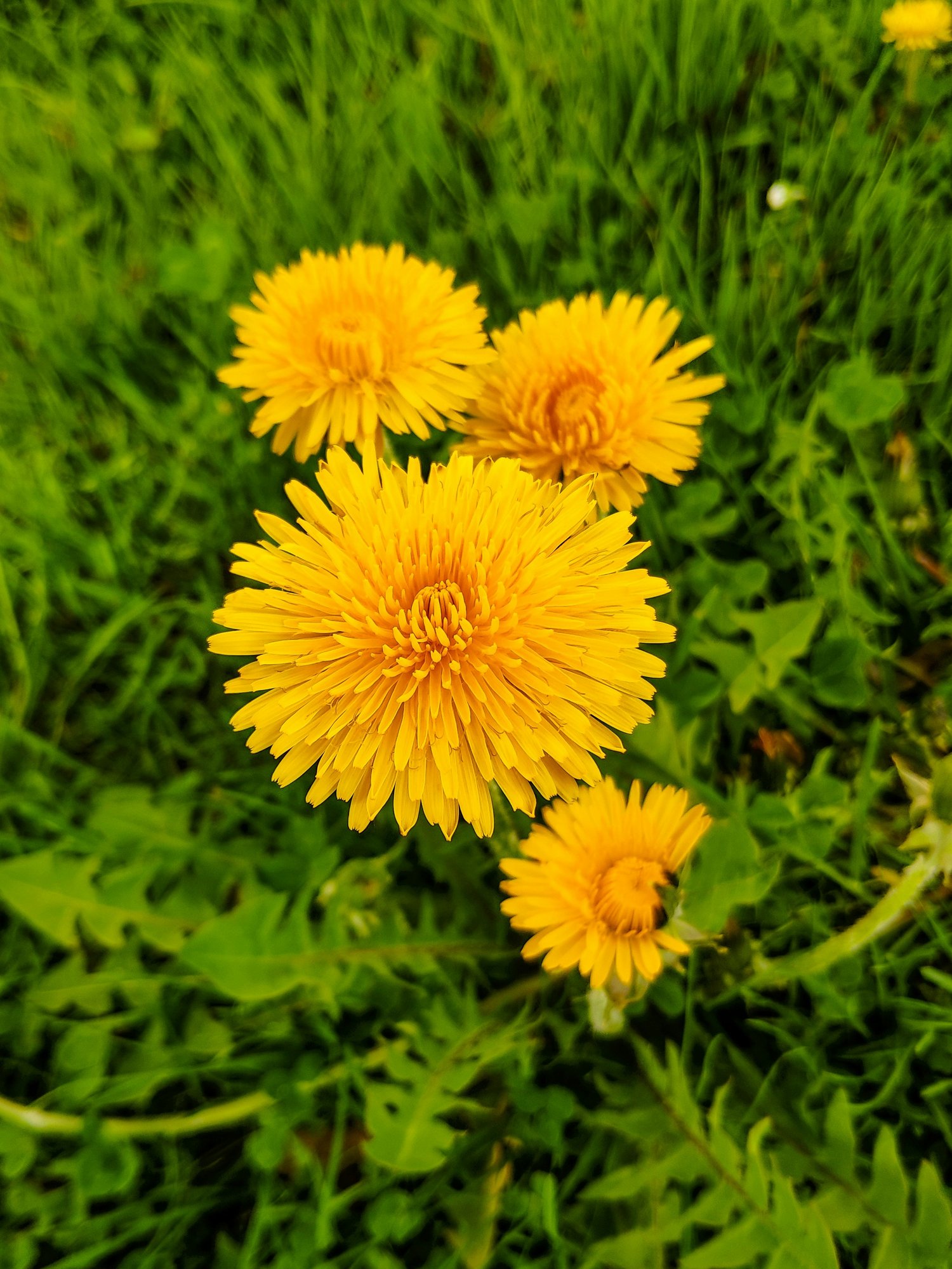
The overlooked botanical treasure growing right beneath our feet.
To some, it's an annoying weed that invades perfectly manicured lawns. To others, it's a cheerful yellow flower that signals the arrival of spring. But to herbalists and traditional healers, the humble dandelion has long been recognized as something far more valuable: a versatile medicinal plant with a fascinating history of supporting digestion, urinary function, and overall wellness.
Dandelion (Taraxacum officinale) is one of the most overlooked plants in the botanical world. While homeowners spend countless dollars trying to eliminate it, herbal enthusiasts deliberately cultivate and harvest it for its roots, leaves, and flowers.
But what makes dandelion so special? And does its reputation as a powerful detoxification herb actually hold up under scientific examination?
Let's explore the fascinating world of dandelion, its traditional healing applications, and why this misunderstood plant deserves a little more respect.
1. The Humble Dandelion: A History Rooted in Herbal Medicine
Dandelion belongs to the Asteraceae family, the same botanical family as chamomile, calendula, and sunflowers. Its familiar bright yellow flowers eventually transform into delicate white seed heads that scatter with the wind.
Its name comes from the French phrase dent de lion, meaning "lion's tooth," a reference to the plant's deeply serrated leaves.
For centuries, different cultures have incorporated dandelion into traditional herbal practices. In European herbalism, it was commonly used as a bitter digestive tonic and for supporting urinary elimination. Traditional Chinese medicine and other healing systems have also incorporated dandelion species into herbal preparations.
What makes this plant particularly interesting is that nearly every part has a practical use.
The roots have traditionally been prepared as digestive bitters, herbal decoctions, and roasted coffee alternatives.
The leaves have been eaten as nutritious greens and used in herbal preparations associated with urinary function.
The flowers have appeared in culinary preparations, infused oils, and traditional botanical recipes.
Unlike many herbs prized for one specific component, dandelion offers multiple ways to incorporate a single plant into everyday wellness.
2. Dandelion and Detoxification: What Does Detox Really Mean?
The word "detox" has become one of the most misunderstood terms in modern wellness. Marketing campaigns frequently suggest that the body accumulates mysterious toxins that must be flushed away through restrictive diets, cleansing teas, or expensive supplements. However, the human body already possesses an extraordinarily sophisticated detoxification system.
The liver continuously processes medications, hormones, metabolic byproducts, and substances absorbed from the digestive tract. The kidneys filter blood and eliminate many waste products through urine. The digestive system helps remove waste through regular bowel movements, while the lungs eliminate carbon dioxide.
These processes occur naturally, whether or not someone drinks an herbal tea.
So where does dandelion fit into this picture?
Traditionally, dandelion has been used to support certain digestive and urinary processes associated with normal elimination. Its bitter compounds, plant nutrients, and possible mild diuretic properties help explain its longstanding reputation as a cleansing herb.
However, there is currently no compelling clinical evidence that dandelion removes toxins from the body, reverses liver damage, or improves detoxification in otherwise healthy people.
The most useful way to appreciate dandelion is not as a magical cleansing solution, but as a nutrient-containing plant with interesting traditional applications and biological properties that scientists are still investigating.
3. Dandelion Root: The Traditional Liver and Digestive Tonic
Of all the parts of the dandelion plant, the root has perhaps earned the strongest reputation in herbal detoxification traditions.
Dandelion root contains several naturally occurring compounds, including bitter sesquiterpene lactones, phenolic compounds, and inulin, a type of fermentable dietary fiber.
Supporting Digestive Processes
Bitter plants have historically been consumed before meals to encourage digestive activity. When bitter compounds interact with taste receptors, they may influence digestive responses, although the clinical effects of dandelion root itself remain insufficiently studied.
Traditional herbalists have used dandelion root for occasional digestive discomfort, feelings of fullness, and reduced appetite.
The root has also been associated with bile production and movement. Bile is produced by the liver, stored in the gallbladder, and released into the small intestine to help digest and absorb fats.
Some laboratory and animal research suggests that dandelion preparations may influence pathways associated with liver function. Nevertheless, research has not established that drinking dandelion root tea increases bile flow or improves liver health in humans.
The Root's Connection to Gut Health
Another fascinating characteristic of dandelion root is its inulin content. Inulin is a naturally occurring prebiotic fiber that can serve as nourishment for certain beneficial gut bacteria.
When gut microorganisms ferment prebiotic fibers, they produce metabolites such as short-chain fatty acids, which contribute to the intestinal environment and normal gut function.
This gives dandelion root an interesting connection to the gut microbiome. However, the amount of inulin in a typical cup of strained dandelion tea may be substantially lower than the amount obtained from consuming the root itself.
For people interested in digestive wellness, dandelion represents one of many edible plants that can contribute to a fiber-rich, plant-diverse dietary pattern.
4. Dandelion Leaves: Nature's Traditional Water-Balance Herb
While the root is associated primarily with digestion and liver traditions, dandelion leaves have historically been used for their possible diuretic effects.
A diuretic is a substance that increases urine production, helping the body eliminate water and dissolved substances.
Interestingly, the French nickname pissenlit reflects dandelion's historical association with increased urination.
What Does Science Say?
A small human pilot study published in 2009 investigated the effects of dandelion leaf extract on urinary frequency and volume. The researchers observed an increase in urinary frequency during portions of the study period. However, the study was very small, short in duration, and lacked a placebo control group.
Furthermore, a 2026 study involving physically active adults found that dandelion root powder did not increase urine output beyond water alone over a four-hour observation period.
These findings illustrate an important distinction: dandelion leaf and root are not interchangeable, and evidence for a meaningful diuretic effect remains limited.
Dandelion should never replace prescribed diuretic medication or be used to self-treat persistent swelling, kidney disease, or fluid retention. Such symptoms sometimes indicate medical conditions requiring evaluation.
5. The Nutritional Power Hidden in Dandelion Greens
Beyond its reputation as an herbal remedy, dandelion is also an edible leafy vegetable with genuine nutritional value.
Fresh dandelion greens contain nutrients including:
- Vitamin K: Important for normal blood clotting and bone health.
- Vitamin A precursors: Carotenoids that contribute to normal vision, immune function, and cellular health.
- Vitamin C: Supports collagen formation and provides antioxidant activity.
- Potassium: An essential mineral involved in muscle contraction, nerve signaling, and fluid balance.
- Calcium: Contributes to healthy bones and normal muscle function.
- Plant polyphenols: Naturally occurring compounds studied for their antioxidant and other biological properties.
Dandelion greens can be enjoyed raw in salads, lightly sautéed with garlic, incorporated into soups, or blended with other leafy vegetables.
Young leaves tend to have a milder flavor, while mature leaves may become noticeably more bitter. Rather than relying on an herbal supplement to provide every benefit associated with a plant, incorporating edible greens into a varied diet can be a practical way to enjoy their nutritional qualities.
6. Antioxidants, Inflammation, and Cellular Protection
Dandelion contains plant compounds that have attracted considerable scientific interest. Among these are phenolic acids, flavonoids, and other phytochemicals studied for potential antioxidant and anti-inflammatory activities.
Oxidative stress occurs when the production of reactive molecules exceeds the body's capacity to regulate them. Persistent oxidative stress is associated with cellular damage and several chronic diseases.
In laboratory experiments, some dandelion extracts demonstrate antioxidant activity and influence inflammatory signaling pathways.
This is promising from a research perspective, but there is an important distinction between a plant extract affecting isolated cells in a laboratory and an herbal preparation producing measurable health benefits in humans.
The concentrations used in laboratory studies may be very different from those obtained through food or tea. Therefore, while dandelion's phytochemicals are scientifically interesting, it would be premature to claim that dandelion tea treats chronic inflammation or prevents disease.
7. Dandelion and the Gut-Liver Connection
One of the most fascinating relationships in human physiology is the connection between the digestive tract and the liver.
The gut and liver communicate through the portal circulation, which transports nutrient-rich blood from the digestive organs toward the liver.
The liver processes absorbed nutrients and participates in the regulation of metabolism, while the intestinal barrier and gut microbiome influence substances entering the bloodstream.
This relationship is often described as the gut-liver axis.
Because dandelion root contains bitter phytochemicals and potentially prebiotic carbohydrates, researchers have explored whether it might influence digestive and metabolic processes. However, there is no established evidence that consuming dandelion restores the gut-liver axis or repairs a damaged intestinal barrier.
For supporting this interconnected system, the strongest everyday foundations remain a nutritionally adequate diet, sufficient fiber, regular physical activity, limited alcohol consumption, and appropriate medical care.
Dandelion may be enjoyed as part of that larger lifestyle, but it should not be positioned as a substitute for those foundations.
8. Dandelion Flowers: Beauty, Biodiversity, and Traditional Herbal Uses
Although dandelion roots and leaves receive most of the attention in herbal medicine, its flowers deserve recognition as well. Dandelion flowers have been used in traditional culinary preparations, including botanical syrups, infused honey alternatives, jellies, and herbal beverages.
Some herbal traditions also incorporate dandelion flowers into infused oils and topical preparations. While laboratory studies have examined antioxidant compounds in the flowers, strong human evidence supporting specific therapeutic benefits is lacking.
Dandelion flowers also offer ecological value. Their pollen and nectar can provide food for visiting insects, particularly when other floral resources are limited. This makes the plant more than a potential herbal resource. It is also part of a larger ecosystem.
A flower dismissed as a lawn nuisance may simultaneously be a food source, a botanical ingredient, and a small contributor to local biodiversity.
9. How to Incorporate Dandelion Into Your Wellness Routine
One of the advantages of dandelion is its versatility. It can be incorporated into foods and beverages in several different ways.
Dandelion Root Tea
Dried dandelion root is commonly prepared as a decoction, a method that uses gentle simmering to extract compounds from tougher plant materials.
To prepare a simple culinary-style root tea, simmer approximately one teaspoon of dried, cut dandelion root in one cup of water for 10–15 minutes, then strain.
This is an example preparation, not a clinically established medicinal dose.
The resulting beverage has an earthy, mildly bitter flavor. Roasted dandelion root produces a deeper, toasted flavor that some people enjoy as a caffeine-free coffee alternative.
Dandelion Leaf Infusion
Dried dandelion leaves can be steeped in hot water to create a green, herbal infusion. Because dandelion leaf may influence urination, people with kidney problems, fluid-balance disorders, or relevant medication use should seek medical guidance before consuming concentrated preparations.
Fresh Dandelion Greens
Fresh young greens can be incorporated into salads, sautéed with olive oil and garlic, or combined with spinach and kale. Their naturally bitter flavor pairs especially well with lemon, citrus dressings, and other vegetables.
Dandelion in the Kitchen
The plant can also be explored through recipes such as dandelion pesto, vegetable soups, roasted-root beverages, and flower-infused culinary preparations.
For beginners, using properly identified, food-grade dandelion from a reputable grower is generally safer than harvesting from unfamiliar outdoor areas.
10. Wildcrafting Dandelion: Harvest Responsibly
For herbal enthusiasts interested in foraging, dandelion provides an opportunity to develop a stronger relationship with the natural environment. However, responsible harvesting requires more than finding a familiar-looking yellow flower.
Dandelion should be positively identified by its plant characteristics, including its toothed basal leaves, hollow leafless flower stalks, and milky sap. Several unrelated plants produce similar yellow flowers.
Avoid harvesting from lawns treated with pesticides, roadsides exposed to vehicle contamination, industrial areas, and locations where herbicide applications are unknown.
Also remember that public parks, nature preserves, and protected lands may restrict or prohibit plant collection.
Harvesting should always respect local regulations, property rights, and the ecological role of plants in their environments.
The goal of ethical wildcrafting is not simply to take from nature, but to learn how to participate responsibly within it.
11. Who Should Be Cautious With Dandelion?
Although dandelion is widely consumed as a food, concentrated herbal preparations are not necessarily appropriate for everyone.
People with allergies to plants in the Asteraceae family may experience allergic reactions to dandelion. Individuals with gallstones, bile duct obstruction, or significant liver or gallbladder disease should avoid self-treating with dandelion preparations. Those with kidney disease or conditions requiring careful fluid or potassium management should also consult their healthcare professionals.
Potential medication concerns include diuretics, lithium, certain blood pressure medications, and drugs that require careful monitoring of blood glucose or anticoagulation. People taking warfarin should be particularly mindful of substantial changes in vitamin K intake from leafy greens. Safety information is also limited during pregnancy and breastfeeding, especially for medicinal doses.
In addition, taking large quantities of bitter herbs or concentrated extracts may cause digestive discomfort in some individuals.
Natural does not automatically mean harmless. Even familiar plants contain biologically active substances, and the concentration, preparation method, and individual's medical circumstances all matter.
12. Why Dandelion Deserves More Respect
Perhaps the greatest lesson dandelion teaches us is that value is not always determined by appearance, price, or popularity. Many people readily purchase imported herbs and expensive botanical supplements while overlooking a remarkable edible plant growing in their own communities.
Dandelion reminds us that botanical knowledge often begins with curiosity about the ordinary. Its leaves offer nutrients. Its roots contain bitter compounds and prebiotic carbohydrates. Its flowers support culinary creativity and contribute to the natural environment. And its long history in herbal traditions offers an intriguing foundation for further scientific exploration. Yet respecting this plant also means acknowledging the limitations of what we know.
Dandelion is not a proven liver cleanser, a cure for kidney disease, or a shortcut around the body's natural physiological processes. Its importance lies in the intersection of food, tradition, biodiversity, and emerging botanical research. That alone makes it worthy of appreciation.
Final Thoughts: Sometimes the Most Valuable Plants Are the Ones We Overlook
Modern wellness culture often leads us to believe that better health must come from increasingly complicated routines, exotic ingredients, or costly products. But nature continually reminds us that simplicity has value. Dandelion is a beautiful example.
What many dismiss as an unwanted weed has nourished people, inspired generations of herbalists, and become the subject of scientific investigation. Its traditional association with detoxification invites us to understand the liver, kidneys, and digestive system more deeply—not to believe that these organs need to be forcibly cleansed.
True holistic wellness is built through consistent practices that support the body's normal functions: balanced nutrition, hydration, restorative sleep, movement, stress management, and a healthy relationship with the natural world. Dandelion can be one small part of that picture.
So the next time you encounter a bright yellow dandelion growing along a garden path, consider looking at it differently. It may not be the miracle detox remedy that marketing campaigns promise. But it is certainly far more than just a weed.
Sometimes, the most overlooked plants have the most interesting stories to tell.
Continue Your Holistic Wellness Journey With Holistify Me
At Holistify Me, we believe that sustainable wellness begins with understanding the body, respecting nature, and making intentional choices that support long-term health.
Through holistic health education, herbal knowledge, mindful nutrition, and lifestyle practices, our mission is to help you create a healthier relationship with your body—without relying on extreme cleanses, unrealistic promises, or complicated wellness trends.
Discover a more grounded approach to everyday well-being at Holistify Me, LLC.
Wellness isn't about forcing the body to heal. It's about creating the conditions that allow it to function at its best.💫
Scientific References & Further Reading
- National Center for Complementary and Integrative Health — Dandelion: Usefulness and Safety
- Memorial Sloan Kettering Cancer Center — Dandelion
- Journal of Alternative and Complementary Medicine — Pilot Study of Dandelion Leaf's Diuretic Effect
- Review — Dandelion and Liver Health: Hepatoprotective Properties
- MD Anderson Cancer Center — Dandelion Root Benefits, Precautions, and Research
Educational disclaimer: This article is intended for general educational purposes and is not medical advice. Herbal preparations should not replace prescribed treatments or appropriate medical evaluation.
Comments ()