

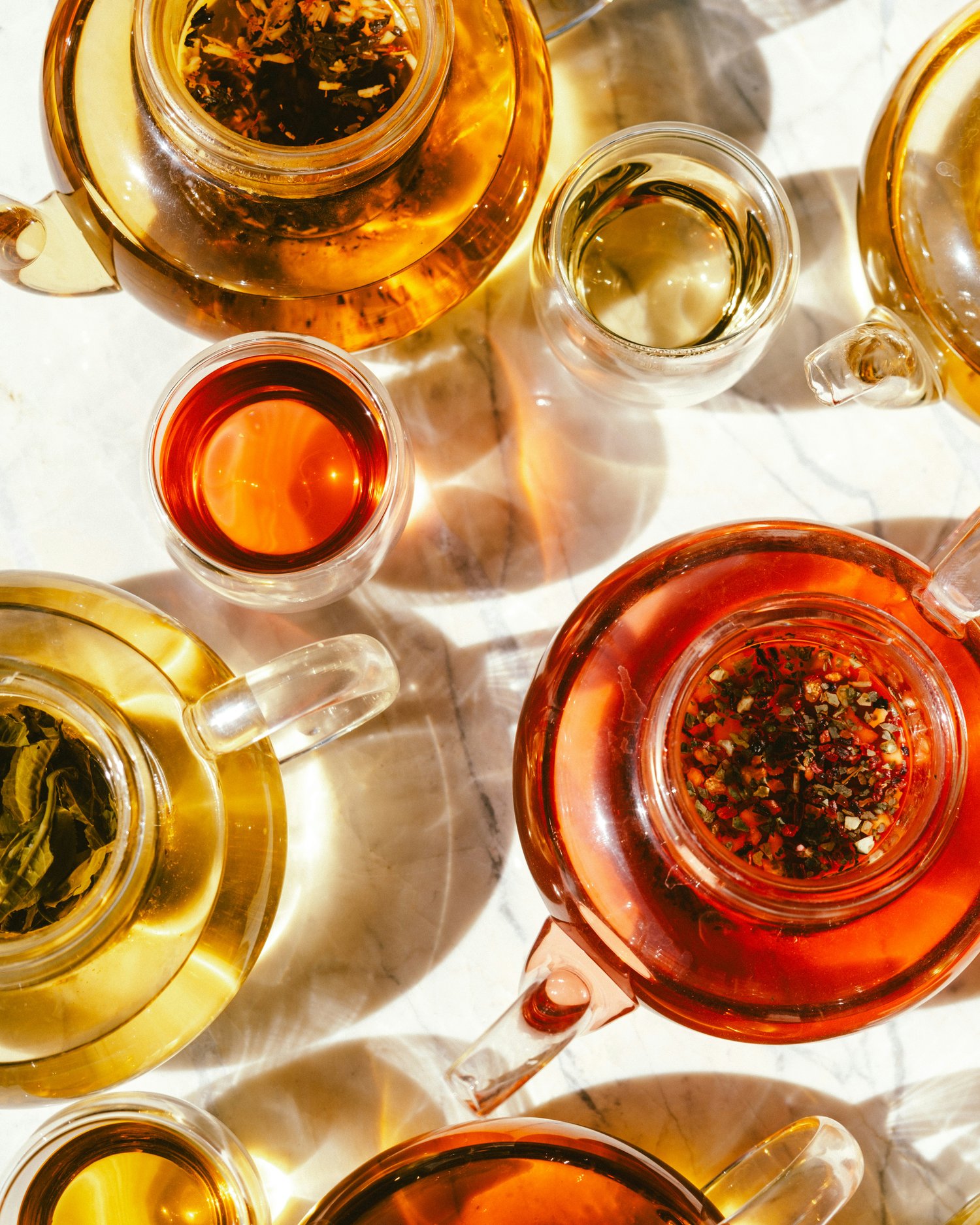
Nourish Your Defenses, Strengthen Your Daily Habits & Embrace Seasonal Wellness
As the leaves begin to change, temperatures drop, and the days grow shorter, our bodies begin adjusting to a new season.
Fall brings cozy sweaters, warm beverages, crisp morning air, and beautiful autumn landscapes. But it also marks the beginning of a time when respiratory infections, seasonal stress, and changes in daily routines can become more common. While many people wait until they're already feeling under the weather to focus on immune health, supporting your body before seasonal challenges arise is a more sustainable approach to wellness.
And one of the simplest ways to begin is by incorporating herbs into your daily routine. Herbalism has a long history of seasonal use, with plants traditionally prepared as teas, infusions, syrups, and nourishing foods. When combined with proper nutrition, quality sleep, movement, and stress management, herbs can become a meaningful part of your fall wellness routine.
Let's explore how to prepare your body for the colder months ahead—naturally, intentionally, and holistically.
Disclaimer: This article is for educational purposes only and is not intended to diagnose, treat, cure, or prevent disease. Herbal products may interact with medications and may not be appropriate during pregnancy, breastfeeding, or with certain medical conditions. Always consult a qualified healthcare professional when appropriate.
Why Fall Is the Perfect Time to Focus on Immune Health
Your immune system works year-round, constantly identifying and responding to potential threats. It doesn't suddenly become inactive when the weather gets cold. However, seasonal changes can influence the circumstances in which your immune system operates.
During fall and winter, several factors may affect overall wellness:
- Increased indoor gatherings: Spending more time indoors can increase exposure to respiratory viruses.
- Reduced daylight: Shorter days can influence circadian rhythms, sleep patterns, and opportunities for outdoor activity.
- Seasonal stress: Busy schedules and holiday preparations may affect sleep and recovery.
- Changes in nutrition: Some people consume fewer fresh fruits and vegetables as their routines change.
- Dry indoor air: Heating systems can contribute to dryness and irritation in the nose and throat.
The goal isn't to constantly stimulate your immune system.
It's to support healthy immune function by giving your body the resources it needs to operate effectively.
That includes nourishment, rest, hydration, movement, and appropriate preventive healthcare.
1. Start Your Morning With Ginger
Botanical name: Zingiber officinale
Ginger is one of the most versatile herbs to keep in your kitchen, especially during the colder months.
Its naturally warming, spicy flavor makes it an excellent addition to morning tea.
Ginger contains bioactive compounds, including gingerols and shogaols, that have been studied for their antioxidant and anti-inflammatory activities.
Although ginger has established uses for certain types of nausea, evidence that drinking ginger tea prevents seasonal infections remains limited.
Traditional Wellness Uses
- Digestive comfort
- Warming herbal preparations
- General seasonal wellness
- Soothing hot beverages
Morning Ginger Tea
Ingredients:
- 3–5 thin slices of fresh ginger
- 8–12 ounces of water
- A squeeze of fresh lemon
- Optional cinnamon stick
Directions:
Add the ginger to water and gently simmer for approximately 10 minutes. Strain into your favorite mug and finish with lemon.
Enjoy alongside a nourishing breakfast to begin your day with warmth and hydration.
Holistify Me Tip: Add ginger to oatmeal, soups, smoothies, or roasted vegetables. Herbal wellness doesn't have to come exclusively from tea.
2. Explore Elderberry for Seasonal Wellness
Botanical name: Sambucus nigra
Elderberry has become one of the most recognizable herbs associated with seasonal immune wellness. Its dark purple berries contain anthocyanins, plant pigments with antioxidant properties. Traditionally, properly prepared elderberries have been used during cold and flu season. Some clinical research has investigated whether elderberry preparations can reduce the duration or severity of respiratory symptoms. However, results are mixed, studies are generally small, and there is insufficient evidence that elderberry reliably prevents colds or influenza.
Common Preparations
- Commercially prepared elderberry syrup
- Elderberry tea
- Standardized extracts
- Capsules
Important: Raw or improperly prepared elderberries, along with the leaves and stems, can contain compounds that cause illness. Choose reputable, appropriately processed products rather than experimenting with raw elderberries.
Elderberry is an optional addition to a seasonal routine—not a substitute for vaccination, medical treatment, or other infection-prevention measures.
3. Incorporate Thyme Into Your Fall Routine
Botanical name: Thymus vulgaris
Thyme is far more than a culinary seasoning. This aromatic Mediterranean herb has been used traditionally in preparations for respiratory comfort and general wellness.
Thyme contains naturally occurring compounds such as thymol and carvacrol, which have demonstrated antimicrobial activity in laboratory studies. However, laboratory findings don't establish that thyme tea prevents or treats infections in humans.
Traditional Uses
- Respiratory comfort
- Herbal steam and aromatic preparations
- Digestive wellness
- Culinary nourishment
Simple Thyme Infusion
Steep approximately 1 teaspoon of dried culinary thyme in 8 ounces of hot water for 5–10 minutes. Strain before drinking. You can also incorporate thyme into vegetable soups, lentil dishes, and homemade broths.
Remember: Food-based herbs can be a wonderful way to explore herbalism without relying on concentrated supplements.
4. Add Chamomile for Rest & Recovery
Botanical name: Matricaria chamomilla
One of the most overlooked aspects of immune wellness is sleep. Your immune system and sleep cycle are closely connected. Consistently inadequate sleep can affect immune regulation and your body's response to infections.
Chamomile has a long history of traditional use as a calming herb, making it a popular choice for evening relaxation rituals. Although research on chamomile's direct effects on sleep is mixed, preparing a warm cup of tea can help establish a consistent wind-down routine.
Evening Chamomile Ritual
- Brew a cup of chamomile tea.
- Dim your lights.
- Put away stimulating electronics.
- Practice slow breathing.
- Aim for a consistent bedtime.
Rather than treating chamomile as a powerful sedative, think of it as a companion to healthy sleep habits.
Your body needs adequate rest to maintain healthy immune function.
5. Support Everyday Nourishment With Nettle
Botanical name: Urtica dioica
Stinging nettle has long been appreciated in traditional herbalism as a nourishing plant.
Nettle leaves naturally contain minerals and plant compounds, including calcium, magnesium, potassium, and polyphenols.
The exact nutrient content of a prepared infusion depends on the plant material, amount used, and brewing method.
While nettle isn't proven to prevent seasonal infections, it can be enjoyed as part of a varied, plant-rich diet.
Ways to Enjoy Nettle
- Dried-leaf herbal infusions
- Cooked nettle greens
- Herbal soup preparations
- Culinary combinations with other leafy greens
Nettle can interact with certain medications, and its potassium content may matter for people with kidney disease or potassium restrictions.
As with any herb, suitability is just as important as tradition.
6. Create a Fall Herbal Tea Ritual
One of the most enjoyable aspects of herbalism is combining simple plants into comforting seasonal beverages.
You don't need an elaborate collection to create a relaxing fall routine.
Cozy Fall Herbal Tea Blend
Ingredients:
- 1 teaspoon dried chamomile
- ½ teaspoon dried peppermint
- ½ teaspoon dried lemon balm
- 1 small cinnamon stick
- 10 ounces hot water
Directions:
- Place the herbs and cinnamon in a tea infuser or heat-safe container.
- Pour hot water over the ingredients.
- Cover and steep for 7–10 minutes.
- Strain and enjoy warm.
This blend combines refreshing mint, gentle floral notes, citrusy lemon balm, and warming cinnamon.
It isn't a proven infection-prevention formula, but it can be a comforting way to hydrate and create a mindful pause during a busy season.
7. Don't Forget the Foundations of Immune Health
Herbal teas can complement your wellness routine, but they cannot replace the fundamentals that help your immune system function properly.
Prioritize Quality Sleep
Most adults need approximately 7–9 hours of sleep each night.
Consistent sleep supports normal immune regulation, recovery, and overall health.
Eat a Nutrient-Dense Diet
Build meals around a variety of:
- Colorful vegetables
- Fruits rich in vitamin C
- Legumes and other protein sources
- Whole grains
- Nuts and seeds
- Healthy fats
Nutrients such as vitamin C, vitamin D, zinc, iron, selenium, and protein play important roles in normal immune function.
Supplementation is most useful when it addresses an actual deficiency or another identified need. Taking excessive amounts doesn't necessarily improve immunity and can cause harm.
Stay Physically Active
Regular moderate exercise supports overall health and healthy immune regulation.
Walking, hiking, resistance training, cycling, yoga, and other enjoyable movement practices can all contribute.
Manage Stress
Chronic stress can influence immune signaling, sleep, digestion, and other aspects of health.
Support your nervous system through:
- Meditation or prayer
- Journaling
- Time in nature
- Gentle stretching
- Deep breathing
- Meaningful social connection
Practice Infection Prevention
Handwashing, appropriate vaccinations, good indoor ventilation, and avoiding close contact when sick remain important ways to reduce the spread of respiratory infections.
Herbs should complement these practices—not replace them.
Your Simple Daily Fall Immune Wellness Routine
You don't have to overhaul your entire lifestyle to prepare for the colder months.
Try incorporating these simple practices throughout your day.
☀️ Morning: Nourish & Energize
Begin with a warm cup of ginger tea or your favorite herbal beverage.
Enjoy a balanced breakfast containing protein, fiber, and colorful plant foods.
Take a short walk outdoors when possible to enjoy natural daylight.
🍂 Afternoon: Hydrate & Move
Keep water or herbal tea nearby throughout your workday.
Enjoy a nutrient-dense lunch, and take short movement breaks to avoid remaining sedentary for long periods.
A refreshing mint tea can make an enjoyable afternoon beverage.
🌙 Evening: Relax & Restore
Prepare a calming chamomile or lemon balm infusion.
Reduce unnecessary screen time and create a peaceful evening environment.
Prioritize a consistent bedtime to support your body's natural recovery processes.
The key is consistency—not perfection.
Make Fall Wellness Easier With Holistify Me Herbal Teas
Building a seasonal wellness routine doesn't have to mean purchasing dozens of individual herbs or spending hours preparing complicated formulas.
Sometimes, convenience makes consistency easier.
At Holistify Me, we believe herbal tea should be both enjoyable and a meaningful part of everyday self-care.
🌿 Holistify Me Detox Tea
Fall is a wonderful time to refresh your daily habits, reconnect with your wellness goals, and create space for intentional self-care.
Our Holistify Me Detox Tea can become part of that seasonal reset.
While your liver and kidneys already perform your body's natural detoxification processes, an herbal tea ritual can encourage you to slow down, stay hydrated, and make more mindful wellness choices.
Rather than chasing extreme cleanses or unrealistic promises, embrace a gentler approach built around nourishment, consistency, and everyday balance.
💚 Holistify Me Mint + Chlorophyll Green Tea
Looking for something refreshing to enjoy during your busy fall afternoons?
Our Holistify Me Mint + Chlorophyll Green Tea combines the refreshing character of mint with green tea and chlorophyll.
Mint has a long history of traditional use for digestive comfort, while green tea naturally contains caffeine and antioxidant polyphenols.
Whether enjoyed warm on a crisp autumn morning or chilled during your afternoon break, this blend makes it easy to incorporate a refreshing tea ritual into your day.
Explore Holistify Me herbal teas at HolistifyMe.com and make your daily cup part of a more intentional wellness routine.
Final Thoughts: Prepare, Don't Panic
Fall wellness isn't about fearing every seasonal illness or trying to force your immune system into overdrive.
It's about giving your body the nourishment, rest, movement, and support it needs to function at its best.
Herbs such as ginger, chamomile, thyme, nettle, and elderberry have meaningful places in traditional herbalism. Some have been studied for specific health effects, while others are best appreciated for their culinary, sensory, and ritual value.
Understanding that difference helps you make informed decisions rather than relying on exaggerated wellness claims.
Start with one simple habit.
Prepare a warming herbal tea in the morning. Add more colorful plant foods to your meals. Take a walk among the changing leaves. Give yourself permission to rest.
These small actions may seem insignificant on their own, but together they can create a strong foundation for seasonal wellbeing.
At Holistify Me, we believe true wellness isn't about quick fixes. It's about nurturing your mind, body, and soul through intentional choices that support your health in every season.
This fall, don't just prepare your wardrobe for the changing weather. Prepare your wellness routine, too.
Holistify Me — Embracing Health & Wellness the Holistic Way: Mind, Body & Soul. 🌿
Comments ()