

Sometimes the most useful herbs aren't exotic plants tucked away in distant forests or sold in expensive bottles. Sometimes they're growing quietly beneath our feet.
Heal-all (Prunella vulgaris), also known as self-heal, is a small perennial herb traditionally used for wounds, irritated skin, sore throats, inflammation, and general wellness. Its names alone—heal-all and self-heal—tell us something about the reputation this little plant developed throughout traditional herbal medicine.
But what does heal-all actually do?
Let's explore the traditional uses, beneficial plant compounds, and practical ways this often-overlooked herb can be incorporated into herbal wellness.
🌿 What Is Heal-All?
Heal-all (Prunella vulgaris) belongs to the mint family (Lamiaceae).
Unlike strongly aromatic relatives such as peppermint, spearmint, and lemon balm, heal-all doesn't have the intense minty fragrance many people associate with this plant family.
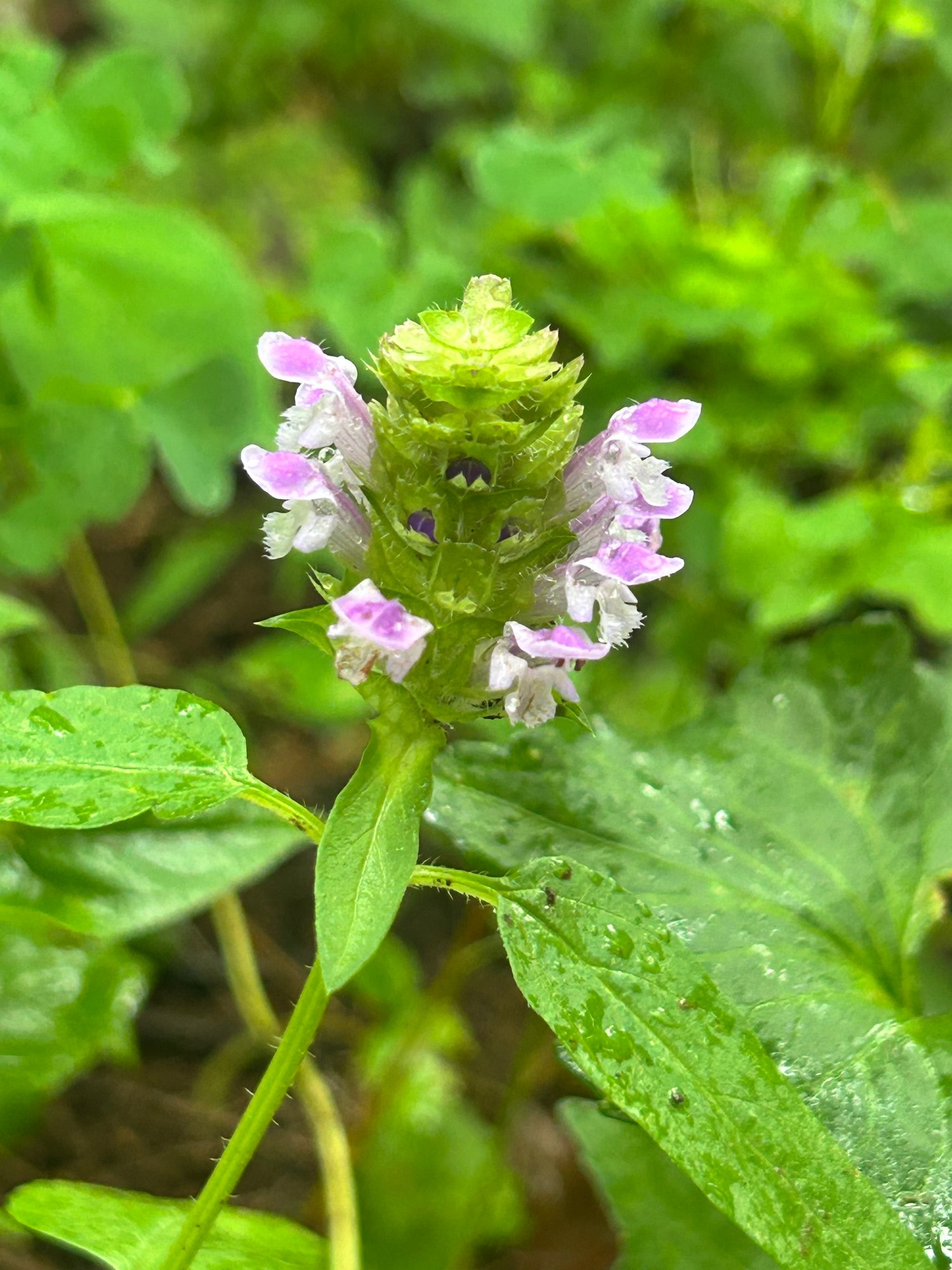
It is a low-growing perennial that commonly produces small purple to violet flowers clustered around a compact flower spike. It can be found growing in lawns, meadows, woodland edges, roadsides, trails, and other disturbed areas.
It grows throughout much of North America and many other parts of the world.
Historically, heal-all has been used in several traditional herbal systems, particularly for supporting the skin, mouth, throat, and inflammatory response.
🌱 7 Traditional & Potential Benefits of Heal-All
1. Supports Minor Wounds & Skin Irritation
This is perhaps the use most closely associated with the name self-heal.
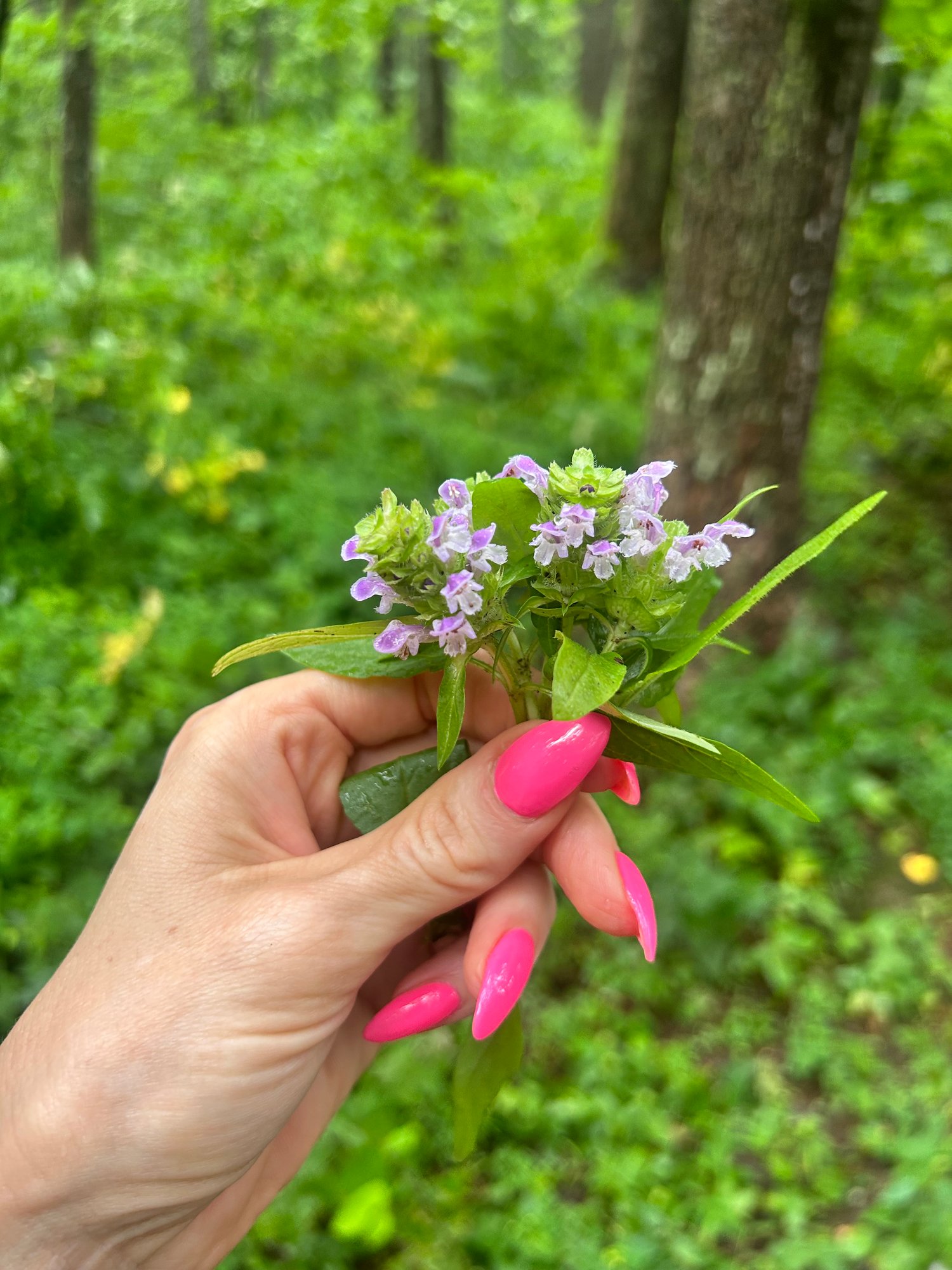
Traditionally, fresh heal-all leaves were crushed and applied directly to minor skin injuries.
Herbalists have used the plant externally for things such as:
• Minor cuts
• Scrapes
• Insect bites
• Small wounds
• Irritated skin
• Minor inflammation
Heal-all contains tannins, which have natural astringent properties. Astringent herbs cause tissues to temporarily contract and have traditionally been valued for minor wounds and irritated tissues.
The plant also contains several compounds being investigated for anti-inflammatory and antioxidant activity.
A simple traditional preparation is a fresh-herb poultice, where clean leaves are crushed or bruised before being placed over intact or superficially irritated skin.
2. Provides Natural Antioxidant Compounds
Heal-all contains a variety of naturally occurring plant compounds, including:
• Rosmarinic acid
• Ursolic acid
• Flavonoids
• Phenolic compounds
• Tannins
Many of these compounds demonstrate antioxidant activity.
Antioxidants help the body manage oxidative stress, which occurs when reactive molecules known as free radicals overwhelm the body's antioxidant defenses.
Oxidative stress is a normal part of metabolism, but excessive oxidative stress has been associated with cellular damage and numerous chronic health conditions.
That doesn't make heal-all a treatment for those conditions, but its phytochemical profile helps explain why researchers continue to investigate the plant.
3. May Support a Healthy Inflammatory Response
Inflammation isn't always harmful.
Short-term inflammation is actually an important part of the body's natural response to injury and infection. Problems can arise when inflammatory processes become excessive or persist longer than necessary.
Laboratory research suggests compounds found in Prunella vulgaris may influence certain inflammatory pathways.
Rosmarinic acid, in particular, has been widely studied for antioxidant and anti-inflammatory properties.
This supports some of heal-all's traditional reputation as an herb for soothing irritated tissues.
However, much of the research involving heal-all remains laboratory or animal-based, so we should be careful not to interpret these findings as proof that the herb treats inflammatory diseases in humans.
4. Traditionally Used for the Mouth & Throat
One of heal-all's particularly interesting traditional applications involves the mouth and throat.
Herbal preparations have historically been used for:
• Sore or irritated throats
• Inflamed gums
• Minor mouth irritation
• Gargles and herbal mouth rinses
Its astringent tannins may be particularly relevant here.
Heal-all tea can also be cooled and traditionally used as an herbal gargle rather than simply swallowed.
This is a great example of how herbal preparations don't always have to mean taking capsules or drinking tea—the preparation can be matched to the area you're trying to support.
5. Demonstrates Interesting Antimicrobial Activity
This is where heal-all becomes particularly fascinating from a research perspective.
Extracts and compounds derived from Prunella vulgaris have demonstrated antibacterial and antiviral activity in laboratory studies.
Researchers have investigated the plant in connection with several microorganisms and viruses.
However, there is an important distinction:
Laboratory activity does NOT automatically mean clinical treatment.
A plant extract interfering with a virus or bacterium in a laboratory does not prove that drinking heal-all tea will treat an infection inside the human body.
Unfortunately, herbal information online sometimes skips that distinction.
Heal-all should therefore not be promoted as a cure for herpes, HIV, cancer, or other serious diseases based on preliminary research.
The research is interesting—and worth continuing—but it shouldn't be exaggerated.
6. Traditionally Supports Digestive Wellness
Heal-all has also been used historically for certain digestive complaints.
Because it contains astringent tannins, traditional herbalists have sometimes used it when excessive secretions or loose stools were involved.
That doesn't necessarily make heal-all your first digestive herb.
For example, herbs such as peppermint, ginger, fennel, chamomile, and traditional digestive bitters may have more specific roles depending on the digestive concern.
Heal-all's digestive application is simply another example of how its astringent properties have historically been utilized.
7. May Have Immune-Supporting Properties
Researchers have also investigated compounds within Prunella vulgaris, including its polysaccharides and polyphenols, for their potential effects on immune activity.
Some experimental research suggests these compounds may possess immunomodulatory properties—meaning they may interact with mechanisms involved in immune regulation.
This is an exciting area of botanical research, but once again, most of the evidence isn't strong enough to say that heal-all prevents or treats specific diseases.
Think potential supportive botanical, rather than miracle immune booster.
🍵 How Can Heal-All Be Used?
One of the wonderful things about heal-all is its versatility.
The leaves, stems, and flowering tops—collectively known as the aerial parts—can be used in herbal preparations.
Traditionally, heal-all has been prepared as:
🌿 Herbal tea
🌿 Tincture
🌿 Poultice
🌿 Compress
🌿 Herbal-infused oil
🌿 Gargle
🌿 Herbal mouth rinse
Simple Heal-All Tea
A traditional preparation might use approximately:
• 1–2 teaspoons dried heal-all
• 1 cup hot water
Pour the hot water over the herb, cover, and allow it to steep for approximately 10–15 minutes before straining.
The same tea can be allowed to cool completely and used traditionally as a gargle or herbal rinse.
Keep in mind that traditional preparation amounts are not the same thing as clinically established medical dosages.
🌸 Foraging Heal-All
If you're interested in herbal foraging, heal-all is a wonderful plant to learn.
Look for:
• A low-growing plant
• Opposite leaves
• Square-ish stems characteristic of the mint family
• Purple or violet flowers
• Dense, compact flower heads
• Plants growing in lawns, fields, trail edges, and open woodland areas
The flowering aerial portions can be harvested without pulling up the entire plant.
That allows the root system to remain intact so the plant can continue growing.
Harvest Responsibly
Never harvest a wild plant unless you're 100% confident in its identification.
Also avoid harvesting from areas that may have been exposed to:
• Herbicides or pesticides
• Road runoff
• Pet waste
• Industrial contamination
• Heavily polluted water
• Frequently sprayed lawns
A plant being medicinal doesn't automatically make every specimen safe to consume.
🌿 Traditional Wisdom Meets Modern Herbal Research
Heal-all is a perfect example of why herbalism can be so fascinating.
People were using Prunella vulgaris long before laboratories identified compounds such as rosmarinic acid, flavonoids, tannins, and ursolic acid.
Today, modern research is beginning to investigate biological activities that may help explain some of those traditional applications.
But good herbal education requires balance.
We shouldn't dismiss centuries of traditional knowledge simply because every use hasn't undergone large human clinical trials.
At the same time, we shouldn't turn promising laboratory findings into claims that an herb can cure serious diseases.
The responsible approach lies somewhere in the middle: respect traditional knowledge, understand the plant's chemistry, follow emerging research, and be honest about what we still don't know.
💚 The Bottom Line
Heal-all may be small, but it has earned a surprisingly large place in traditional herbal medicine.
Its most compelling traditional uses include:
🌿 Minor skin and wound support
🌿 Mouth and throat soothing
🌿 Astringent herbal applications
🌿 Antioxidant support
🌿 Supporting a normal inflammatory response
🌿 Traditional digestive support
And modern research continues to explore its antimicrobial, antioxidant, anti-inflammatory, and immune-related properties.
Perhaps the most interesting lesson from heal-all isn't that it's some magical cure-all.
It's that powerful plant knowledge can sometimes be hiding in plain sight.
The little purple "weed" growing along a trail or tucked into a patch of grass may actually be a medicinal herb humans have valued for generations.
And once you begin learning the plants around you, you may never look at the ground beneath your feet quite the same way again. 🌿
A Note From Holistify Me 🌿
At Holistify Me, LLC, herbal wellness isn't about chasing miracle cures. It's about learning how plants have traditionally been used, understanding what modern research tells us, and discovering practical ways to reconnect with the natural world.
Herbalism becomes much more empowering when you learn not simply which herbs are beneficial—but why they're used, how they're prepared, and when they're appropriate.
Disclaimer: This information is provided for educational purposes only and is not intended to diagnose, treat, cure, or prevent any disease. Herbal products may cause side effects or interact with medications. Consult an appropriately qualified healthcare professional before using medicinal herbs if you are pregnant or breastfeeding, take medications, have a medical condition, or are considering an herb for a health concern.
Comments ()