

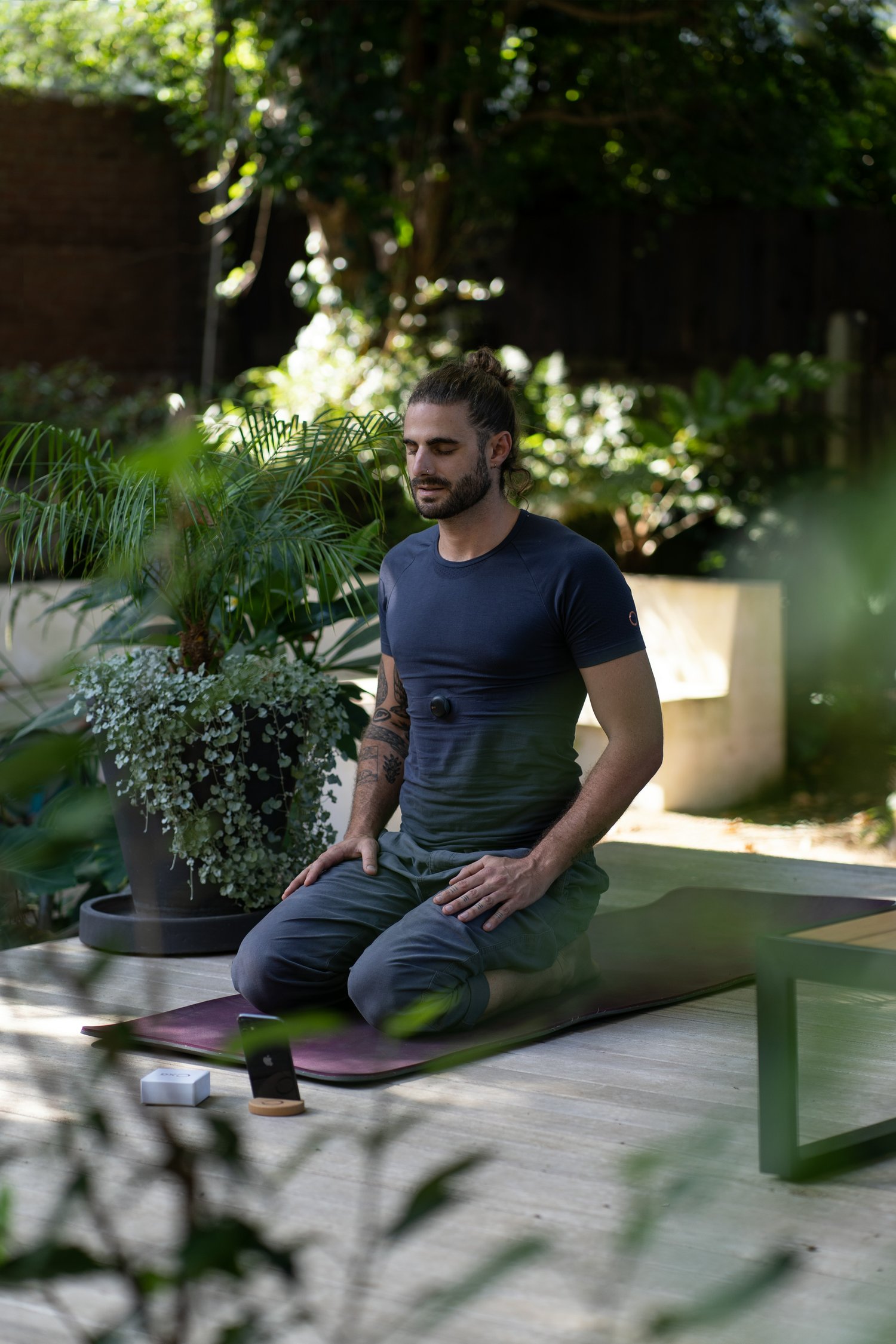
Breathing is the first thing you do when you're born and the last thing you do before you leave this world.
Between those two moments, you'll take roughly 20,000 breaths every day—yet most of them happen unconsciously.
What many people don't realize is that the way you breathe can directly influence your thoughts, emotions, energy levels, heart rate, digestion, sleep, and overall health.
Your breath is far more than a survival mechanism.
It is one of the most powerful tools you have for healing your mind, body, and soul.
At Holistify Me, we believe wellness begins with simple practices that reconnect you with your body's natural wisdom. Breathwork is one of those practices.
What Is Breathwork?
Breathwork is the intentional practice of controlling your breathing to influence your physical, mental, emotional, and spiritual wellbeing.
Unlike unconscious breathing, breathwork involves using specific breathing patterns to achieve different goals, such as:
- Reducing stress
- Increasing focus
- Boosting energy
- Supporting relaxation
- Processing emotions
- Improving physical performance
The incredible thing about breathwork is that it requires no equipment.
Your greatest healing tool has been with you all along.
Why Your Breath Matters
Every emotion has a breathing pattern.
Think about it.
When you're anxious…
Your breathing becomes:
- Fast
- Shallow
- Rapid
When you're calm…
Your breathing becomes:
- Slow
- Deep
- Rhythmic
The relationship works both ways.
Your emotions affect your breathing—but your breathing also affects your emotions.
By intentionally slowing your breath, you can help signal to your nervous system that you're safe.
Understanding Your Nervous System
Your nervous system has two primary modes.
Fight-or-Flight
This survival response prepares the body for danger.
It increases:
- Heart rate
- Blood pressure
- Muscle tension
- Alertness
While this response is essential during emergencies, many people remain stuck in this state due to:
- Chronic stress
- Financial pressure
- Poor sleep
- Information overload
- Constant busyness
Living in survival mode for extended periods can leave you feeling mentally and physically exhausted.
Rest-and-Digest
This is the body's healing mode.
When activated, it promotes:
- Relaxation
- Digestion
- Tissue repair
- Hormone balance
- Emotional regulation
- Recovery
One of the simplest ways to encourage this state is through slow, intentional breathing.
The Benefits of Breathwork
Consistent breathwork can support multiple aspects of holistic health.
Mental Benefits
Intentional breathing may help:
- Improve focus
- Reduce mental clutter
- Increase concentration
- Support emotional regulation
- Promote mindfulness
- Reduce feelings of overwhelm
When your breathing slows, your thoughts often become clearer.
Physical Benefits
Healthy breathing supports:
- Efficient oxygen delivery
- Better posture
- Improved circulation
- Reduced muscle tension
- Greater endurance
- Enhanced recovery after exercise
Many people unknowingly breathe from the upper chest, which can contribute to unnecessary tension and fatigue.
Learning to breathe more deeply can improve overall body awareness.
Emotional Benefits
Our emotions often become stored as physical tension.
Breathwork creates an opportunity to:
- Release stress
- Process emotions
- Feel more grounded
- Reduce emotional reactivity
- Increase resilience
Some people even notice that intentional breathing helps them become more aware of emotions they have been avoiding.
Healing often begins with awareness.
The Mind-Body Connection
Stress doesn't only affect the mind.
It affects the entire body.
Chronic stress may contribute to:
- Digestive discomfort
- Poor sleep
- Muscle tightness
- Headaches
- Fatigue
- Brain fog
Because breathing directly influences the nervous system, it can become a powerful part of a holistic wellness routine.
Five Breathwork Practices to Try
1. Belly Breathing (Diaphragmatic Breathing)
Best for:
- Everyday stress
- Relaxation
- Improving breathing efficiency
How to Practice
- Sit comfortably.
- Place one hand on your chest.
- Place the other on your abdomen.
- Inhale slowly through your nose.
- Feel your abdomen rise.
- Exhale gently through your nose or mouth.
Continue for 5–10 minutes.
This encourages the diaphragm to do more of the work instead of relying on shallow chest breathing.
2. Box Breathing
Best for:
- Stress management
- Mental clarity
- Focus
Practice
Inhale for 4 counts
Hold for 4 counts
Exhale for 4 counts
Hold again for 4 counts
Repeat for several minutes.
This simple technique is commonly used by athletes, military personnel, and emergency responders to stay calm under pressure.
3. Extended Exhale Breathing
One of the fastest ways to calm the nervous system.
Practice
Inhale for 4 counts
Exhale for 6–8 counts
Repeat for 3–5 minutes.
A longer exhale encourages the body to transition into a more relaxed state.
This is an excellent practice before bedtime.
4. Alternate Nostril Breathing
This traditional yogic breathing practice encourages mindfulness and balance.
Practice
- Close your right nostril.
- Inhale through the left.
- Close the left nostril.
- Exhale through the right.
- Inhale through the right.
- Switch and exhale through the left.
Continue for several rounds while maintaining a slow, comfortable rhythm.
Many people find this practice calming and centering.
5. Energizing Breath
Feeling sluggish?
Try a short session of quicker, controlled breathing through the nose while maintaining good posture.
Practice for 30–60 seconds, then return to normal breathing.
This can increase alertness without relying on another cup of coffee.
If you feel dizzy or have certain heart, lung, or neurological conditions, stop the exercise and consult your healthcare provider before attempting more vigorous breathwork techniques.
Breathing During Everyday Life
Breathwork isn't reserved for meditation.
Use it throughout your day.
Before Work
Take five slow breaths before opening your email.
You'll begin the day feeling calmer and more focused.
Before Meals
Pause.
Take several deep breaths.
This helps your body transition into a more relaxed state before eating.
During Conflict
Instead of reacting immediately…
Breathe.
A few intentional breaths create space for thoughtful responses rather than impulsive reactions.
During Exercise
Coordinate your breathing with movement.
Deep, controlled breathing can improve endurance, posture, and body awareness.
Before Sleep
Slow your breathing.
Dim the lights.
Allow your nervous system to recognize that it's time to rest.
Combining Breathwork with Other Holistic Practices
Breathwork becomes even more powerful when paired with:
- Meditation
- Yoga
- Nature walks
- Journaling
- Prayer
- Stretching
- Mindful movement
Together, these practices support the body's natural ability to regulate stress and restore balance.
A 10-Minute Holistify Me Breathwork Routine
Minute 1–2
Sit comfortably.
Relax your shoulders.
Notice your natural breathing.
Minute 3–5
Practice diaphragmatic breathing.
Slow.
Steady.
Comfortable.
Minute 6–8
Switch to extended exhale breathing.
Inhale for 4.
Exhale for 6–8.
Release tension with each breath.
Minute 9
Close your eyes.
Notice how your body feels.
Observe without judgment.
Minute 10
Set a simple intention.
Examples:
- "Today I choose peace."
- "I will respond with patience."
- "I trust my body's ability to heal."
Carry that intention with you throughout your day.
Common Mistakes to Avoid
Trying Too Hard
Breathwork should feel gentle—not forced.
Holding Tension
Keep your jaw, shoulders, and neck relaxed.
Expecting Instant Results
Like strength training, breathwork becomes more effective with regular practice.
Small, consistent sessions often produce the greatest benefits over time.
Final Reflection
Take a quiet moment and ask yourself:
- Do I notice my breathing throughout the day?
- How does my breath change when I feel stressed?
- When was the last time I intentionally paused to breathe?
- What emotions might I be carrying that could benefit from slowing down and creating space?
Your breath is always available to you.
The question is whether you'll choose to use it intentionally.
Closing Thought
Breath is the rhythm of life.
It nourishes every cell, calms the nervous system, and reminds us that healing doesn't always require something outside of ourselves.
Sometimes, the most profound transformation begins with something as simple as one slow inhale…
…followed by one intentional exhale.
Each breath is an invitation to release stress, restore balance, and reconnect with the present moment.
At Holistify Me, we believe true wellness begins with honoring the connection between the mind, body, and soul. Breathwork is one of the simplest—and most powerful—ways to strengthen that connection.
Take a deep breath.
Your body has been waiting for this moment all along. 🌿💜
Comments ()