

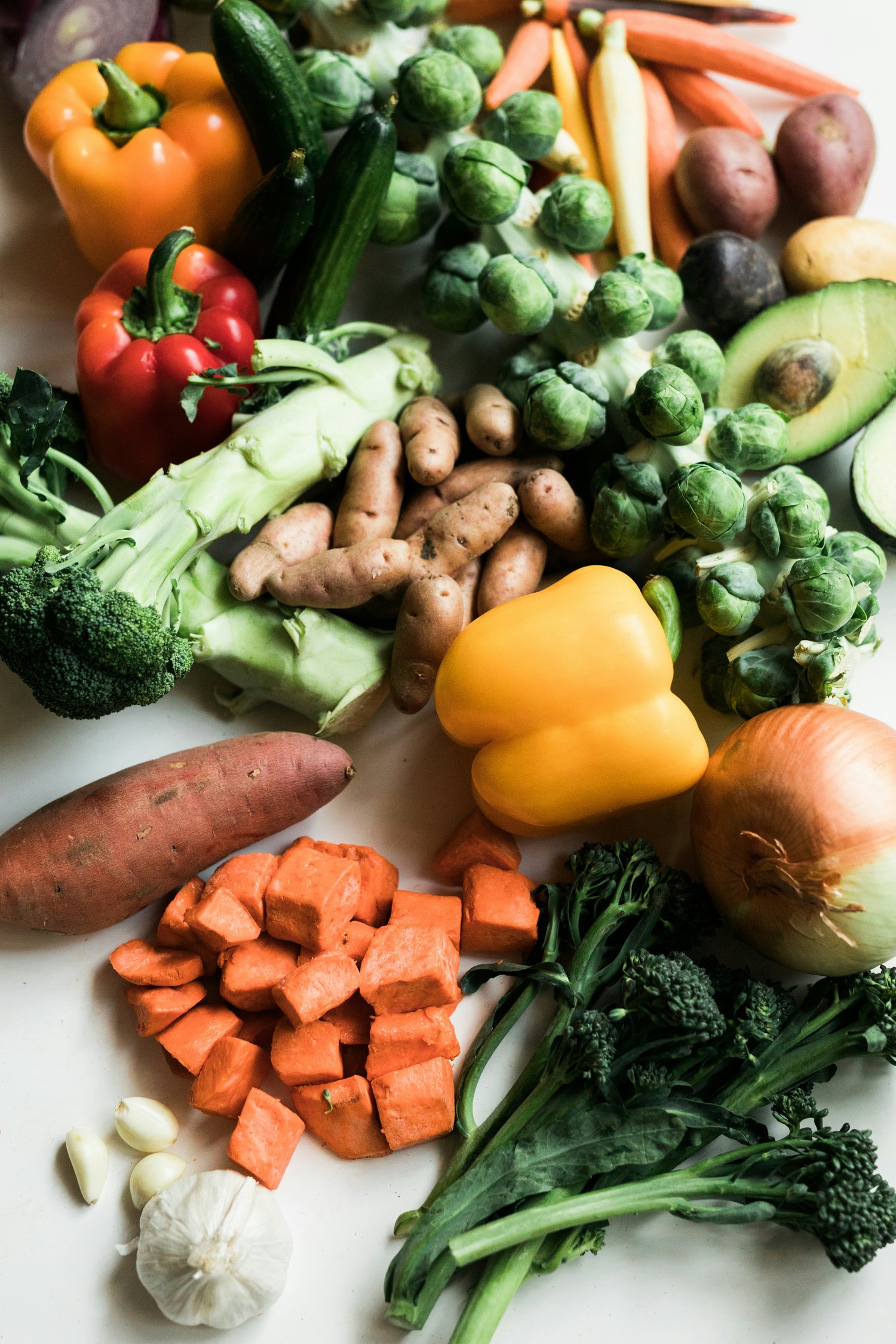
Why “clean eating” Isn’t Always Helping Your Digestion
In today’s wellness culture, certain foods are automatically labeled as healthy:
- Raw salads
- Green smoothies
- High-fiber meals
- Raw vegetables at every meal
And for some people, these foods work wonderfully.
But for others?
They lead to:
- Bloating
- Gas
- Constipation
- Stomach discomfort
- Feeling heavy and inflamed after eating
This is the part of gut health that rarely gets talked about:
A food can be healthy in theory and still be too stressful for your current digestive capacity.
The Wellness Myth: “If It’s Healthy, More Must Be Better”
A lot of people assume:
- More fiber = better digestion
- More raw vegetables = cleaner gut
- More smoothies = easier digestion
But digestion doesn’t work that simply.
Your gut has to:
- Break food down
- Produce enough stomach acid and enzymes
- Move material efficiently through the intestines
And if those systems are already struggling?
Some “healthy” foods can become overwhelming instead of healing.
Raw Vegetables: Healthy… But Harder to Digest
Raw vegetables are rich in nutrients—but they’re also physically demanding for the digestive system.
Many contain:
- Tough plant fibers
- Cellulose
- Complex carbohydrates
And unlike some animals, humans do not efficiently break down cellulose.
So if your digestion is weak or inflamed, large amounts of raw vegetables may contribute to:
- Bloating
- Gas
- Abdominal pressure
- Feeling overly full
Why Cooking Can Sometimes Be More Supportive
Cooking partially breaks down plant fibers and softens food structure.
This makes foods easier to digest and absorb.
For sensitive digestive systems, cooked vegetables may:
- Reduce bloating
- Require less digestive effort
- Improve nutrient accessibility
This doesn’t mean raw foods are “bad.”
It means your body may need support before it can comfortably process large amounts of them.
Excess Fiber: When “Good for Digestion” Backfires
Fiber is constantly praised—and yes, it plays an important role in digestion.
But here’s the part few people mention:
Too much fiber in a sluggish digestive system can create even more backup.
If gut motility is slow:
- Fiber may sit longer in the intestines
- Fermentation increases
- Gas production rises
- Constipation may worsen
This is especially true when people suddenly increase fiber intake without:
- Adequate hydration
- Proper digestion
- Healthy motility
👉 More fiber is not always the answer if the gut is already stagnant.
Smoothies: Convenient, But Not Always Digestive-Friendly
Smoothies are marketed as the ultimate health food.
But for some people, they can overload digestion.
Why?
Because smoothies often combine:
- Large amounts of raw fiber
- Fruit sugars
- Seeds
- Protein powders
- Nut butters
- Cold temperatures
All blended into one dense meal.
The “Easy to Digest” Assumption Isn’t Always True
Many people assume blending food automatically makes it easier to digest.
But for some individuals:
- Smoothies are consumed too quickly
- Digestion becomes diluted by excess liquid
- Cold ingredients slow digestive activity
- Large food volume overwhelms the stomach
This can lead to:
- Bloating
- Sluggishness
- Fermentation
- Feeling uncomfortably full
Especially in people with:
- Low stomach acid
- Slow gut motility
- Nervous system dysregulation
Your Gut Has a Capacity Limit
This is the deeper truth many people miss.
Healing digestion is not about cramming in the maximum amount of “healthy foods.”
It’s about understanding:
- What your body can currently handle
- What it can break down efficiently
- What leaves you feeling nourished instead of burdened
Because even nutrient-dense foods can become stressful when digestion is compromised.
The Nervous System Matters Too
Your digestive capacity changes depending on your nervous system state.
When the body is stressed:
- Stomach acid drops
- Enzyme production decreases
- Motility slows down
Which means foods requiring more digestive effort may suddenly become problematic.
This is why someone can tolerate salads and smoothies during one season of life… and struggle with them during another.
Signs “Healthy Foods” May Be Overwhelming Your Gut
Pay attention if you experience:
- Bloating after salads or smoothies
- Feeling overly full from vegetables
- Excess gas from high-fiber foods
- Undigested plant matter in stool
- Constipation despite “eating healthy”
Your body may be asking for a gentler approach.
Supporting Digestion Without Fear of Food
This isn’t about demonizing healthy foods.
It’s about respecting bioindividuality.
🌿 Supportive Strategies
- Lightly cook vegetables instead of eating everything raw
- Introduce fiber gradually
- Chew thoroughly
- Eat smaller, simpler meals
- Avoid overwhelming combinations in smoothies
🌿 Focus on Digestive Function First
Before forcing more “healthy foods,” ask:
- Is my digestion strong enough to process them well?
- Am I absorbing nutrients—or just consuming them?
Because digestion is not about what looks healthy online.
It’s about what your body can truly utilize.
Final Perspective
Some people don’t need more restriction.
They need better digestion.
And sometimes the foods marketed as “clean” or “healing” are actually creating more stress in an already overwhelmed gut.
A healthy diet should leave you feeling nourished, energized, and supported—not chronically bloated and uncomfortable.
So instead of blindly following food trends, start paying attention to the most important feedback system you have:
Your body. 💁🏻♀️✨
Comments ()