

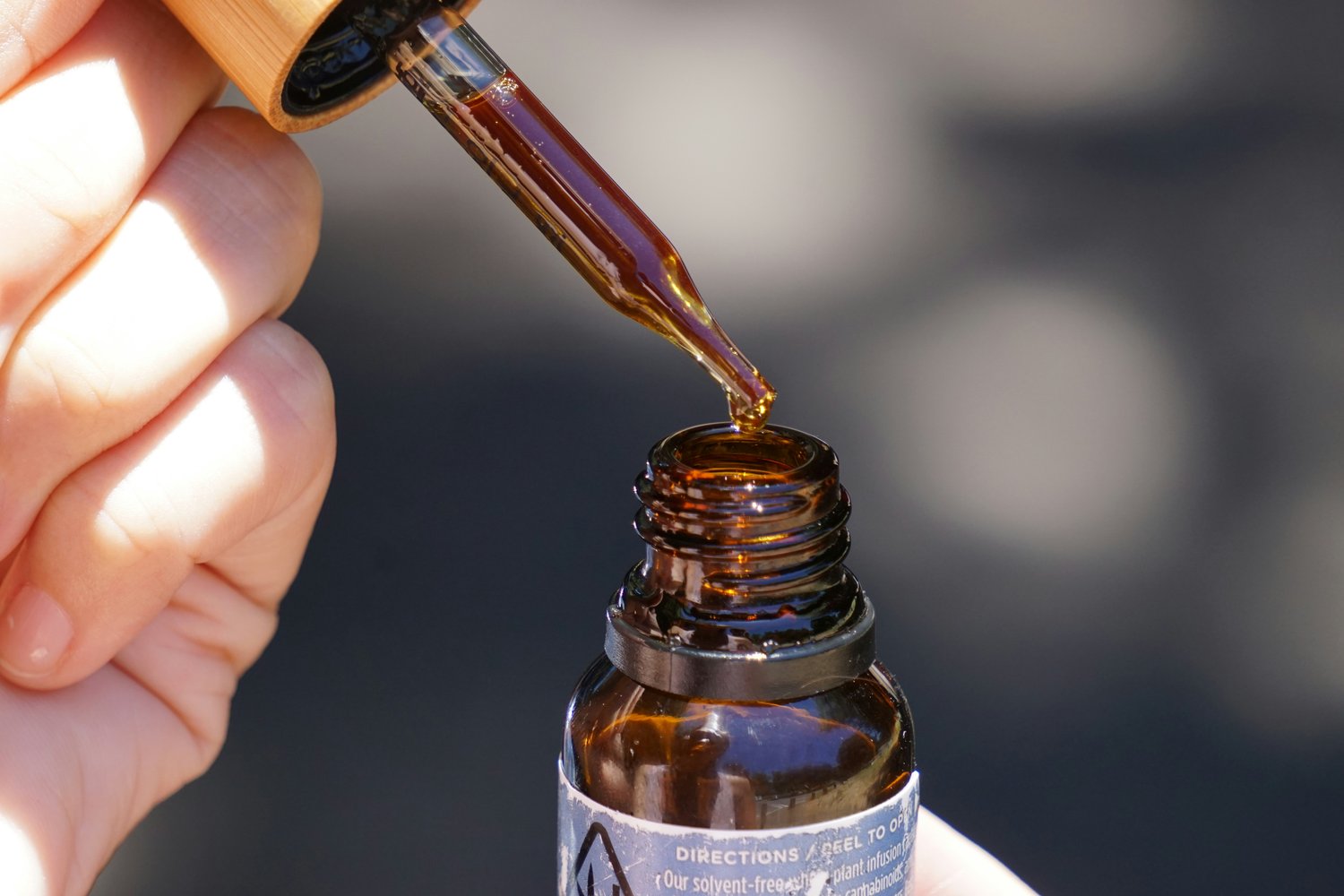
Walk down the supplement aisle or browse online, and you'll quickly notice that herbal products are everywhere. Teas, tinctures, capsules, powders, extracts—the choices seem endless.
The problem?
Not all herbal products are created equal.
Beautiful packaging and buzzwords like "natural," "pure," or "premium" don't necessarily tell you what's actually inside the bottle.
Learning how to read an herb label can help you make informed decisions, avoid marketing gimmicks, and choose products that align with your wellness goals.
Let's break down exactly what to look for.
Disclaimer: This article is for educational purposes only and is not intended to diagnose, treat, cure, or prevent any disease. Herbs may interact with medications or may not be appropriate for everyone. Always consult your healthcare provider before beginning a new herbal regimen.
🌿 Why Reading Herb Labels Matters
When choosing an herbal product, you're trusting that what's listed on the label accurately reflects what's inside.
Unfortunately, labels can sometimes emphasize attractive marketing language while leaving out details that matter most.
Understanding a few key terms can help you become a more informed consumer.
🌱 1. Learn the Common Name and the Botanical Name
Many plants share similar common names, but they may be entirely different species.
That's why reputable companies usually include the botanical (Latin) name.
Example:
Common Name: Stinging Nettle
Botanical Name: Urtica dioica
The botanical name removes confusion and helps ensure you're purchasing the intended herb.
🌼 2. Know Which Part of the Plant Is Being Used
Different parts of the same plant can have different traditional uses and chemical compositions.
The label should specify which part is included.
Examples include:
- Root
- Leaf
- Flower
- Bark
- Seed
- Fruit
- Rhizome
Examples
Dandelion
- Root
- Leaf
- Flower
Each has different traditional uses.
Black Cohosh
The root and rhizome are the parts traditionally used in herbal preparations—not the leaves.
🌿 3. Understand the Form of the Herb
Herbal products come in many forms.
Look for wording such as:
- Dried herb
- Powder
- Tea
- Capsule
- Tincture
- Liquid extract
- Standardized extract
Knowing the preparation helps you understand how the herb is intended to be used.
🍃 4. Check the Ingredient List
Some products contain one herb.
Others contain many.
Look for:
✅ Active herbal ingredients
and
✅ Inactive ingredients (sometimes called "other ingredients")
Inactive ingredients may include:
- Plant-based capsule materials
- Rice flour
- Cellulose
- Vegetable glycerin
- Natural flavors
Generally, shorter ingredient lists are easier to evaluate, though that doesn't automatically make them better.
🌸 5. Understand Serving Size
A bottle may advertise:
"500 mg"
But ask yourself:
500 mg of what?
Read carefully.
The serving size tells you:
- How many capsules
- How many drops
- How much liquid
- How much herb is included per serving
Always compare products using the serving size—not just the number printed on the front of the label.
🌱 6. What Does "Standardized Extract" Mean?
Some herbal products are labeled as standardized extracts.
This means the manufacturer has adjusted the extract to contain a consistent amount of one or more identified compounds.
This can improve consistency between batches, but it doesn't necessarily mean the product is superior to whole-herb preparations. Whole herbs naturally contain many compounds that may work together.
Neither approach is inherently "better"—they simply represent different ways of preparing herbs.
🍵 7. Tea Labels: What Should You Look For?
If you're purchasing herbal tea, check:
✔ Ingredients
✔ Whether it's caffeine-free (if desired)
✔ Loose leaf or tea bags
✔ Added flavors or sweeteners
Some teas contain only herbs.
Others include flavorings, fruit pieces, spices, or natural flavors.
Choose based on your personal preferences and wellness goals.
🌿 8. Look for Storage Instructions
Quality herbs are best protected from:
- Heat
- Moisture
- Direct sunlight
Proper storage helps preserve freshness and quality over time.
🌎 9. Check the Expiration or Best-By Date
Herbs don't necessarily "go bad" overnight, but their potency, aroma, and flavor can diminish over time.
Choosing products with plenty of time before their best-by date helps ensure you're getting a fresher product.
🔍 10. Don't Be Swayed by Marketing Buzzwords
Many labels feature appealing terms like:
- Natural
- Pure
- Premium
- Ancient formula
- Herbal blend
- Detox
- Superfood
These phrases can sound impressive, but they don't always tell you much about the product's quality.
Instead, focus on the information that can be verified, such as:
- Botanical name
- Plant part
- Ingredient list
- Serving size
- Preparation type
- Storage guidance
- Best-by date
These details provide a clearer picture of what you're buying.
🌿 Quick Herb Label Checklist
Before purchasing an herbal product, ask yourself:
✅ Is the botanical (Latin) name listed?
✅ Does it specify which part of the plant is used?
✅ Is the preparation type clear (tea, tincture, capsule, extract)?
✅ Are all ingredients listed?
✅ Do I understand the serving size?
✅ Does it include storage instructions?
✅ Is there a best-by or expiration date?
✅ Am I making my decision based on facts rather than marketing claims?
🚩 Red Flags to Watch For
While no single factor automatically means a product is poor quality, consider taking a closer look if you notice:
- The plant species isn't clearly identified.
- The plant part isn't listed.
- The ingredient list is vague or incomplete.
- The serving size is difficult to interpret.
- The label relies heavily on bold health promises instead of providing useful product details.
- There is little information about the product itself.
Being an informed consumer is one of the best ways to choose herbal products confidently.
🌸 Final Thoughts
Herbalism is about more than simply buying a bottle with an attractive label—it's about understanding the plants you're choosing and how they're prepared.
Learning to read herb labels helps you move beyond clever marketing and make choices based on transparency and quality.
The next time you're shopping for an herbal product, take an extra minute to read the label carefully.
The more you understand what's inside, the more confident you'll become in building a home herbal collection that supports your wellness journey.
At Holistify Me, we believe that education is one of the most powerful tools in herbalism. The more you learn about herbs, the better equipped you'll be to make thoughtful, informed decisions for yourself and your family.
🌿 Knowledge is one of the most valuable ingredients in any wellness routine.
Comments ()