

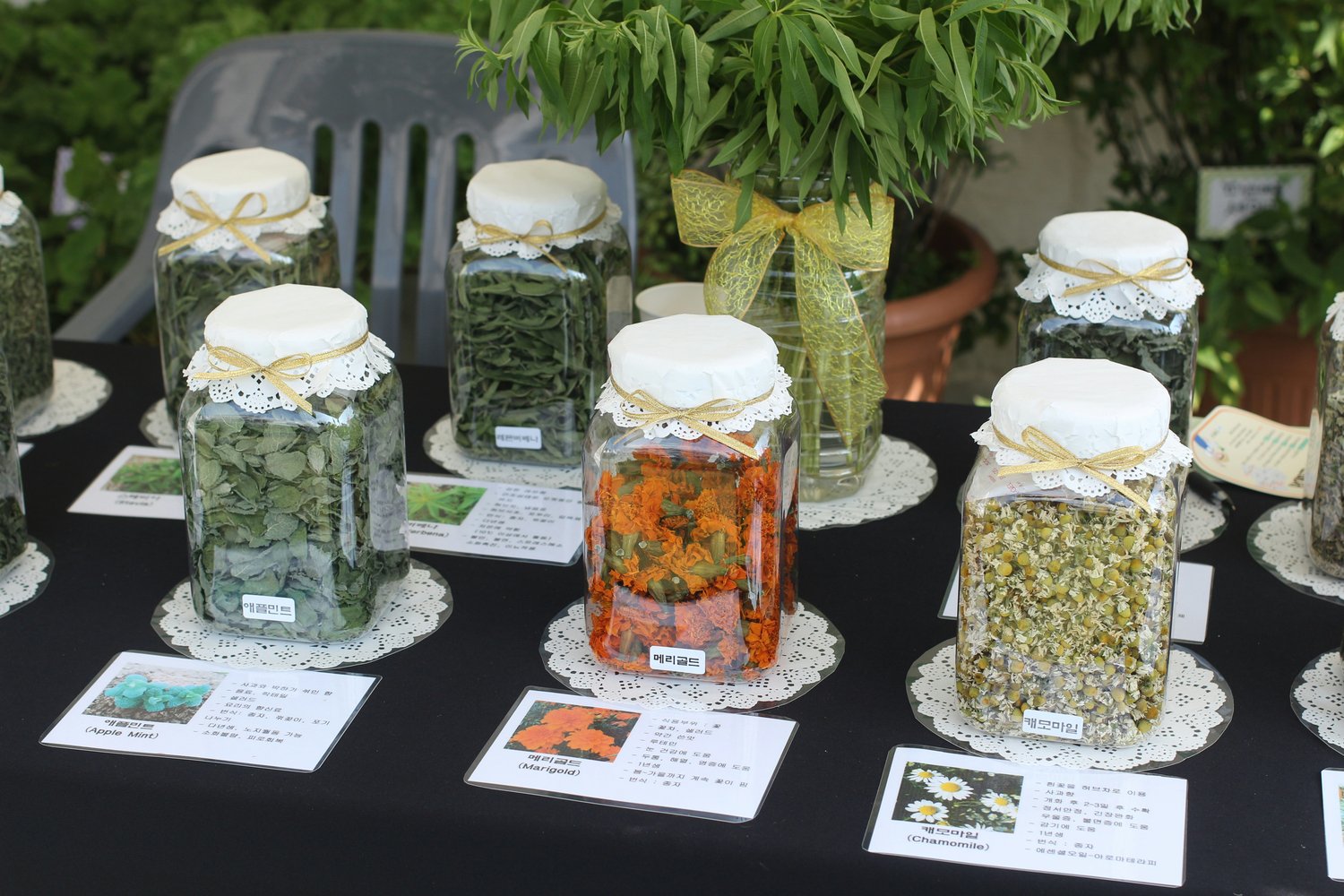
Understanding Herbal Ingredients, Potency, Purity, and Marketing Claims
Herbal medicine has been used for centuries to support health and wellness. Today, herbal teas, tinctures, capsules, powders, and extracts are more accessible than ever. Walk into almost any health food store or browse an online wellness shop, and you'll find countless products promising everything from better digestion and restful sleep to immune support and hormonal balance.
But how do you know what you're actually buying?
Just because a product is labeled "natural," "organic," or "herbal" doesn't automatically mean it's safe, effective, or high-quality.
The herbal supplement industry is filled with attractive packaging, impressive-sounding ingredients, and persuasive marketing claims. Unfortunately, not every product delivers the quality or transparency consumers deserve.
Some herbal products contain carefully sourced, properly identified botanicals, while others may contain undisclosed ingredient quantities, unnecessary additives, inconsistent concentrations, or exaggerated claims.
Learning how to read an herbal product label is one of the most valuable skills you can develop as a conscious consumer.
Understanding what to look for can help you make informed decisions, recognize misleading marketing tactics, and choose products that align with your wellness goals.
Let's explore how to look beyond the front of the package and understand what an herbal label is really telling you.
1. Look Beyond the Common Name: Identify the Botanical Name
One of the first things to examine on an herbal label is the botanical name of the plant. Many herbs are known by common names that can refer to multiple plant species. Although these plants may share similar names, their chemical compositions, traditional applications, and safety considerations can differ.
For example, chamomile is commonly associated with relaxation and digestive comfort. However, two different plants are frequently marketed as chamomile:
German Chamomile (Matricaria chamomilla)
Traditionally used in herbal preparations for digestive comfort and relaxation.
Roman Chamomile (Chamaemelum nobile)
A separate botanical species with its own chemical composition and traditional uses. Although both plants belong to the daisy family and share some similarities, they are not botanically identical.
This distinction matters because the specific species can influence the plant's constituents, preparation methods, and intended applications.
What to look for: A quality herbal label should ideally include both the common name and scientific name of the plant. The botanical name helps establish exactly which species you're purchasing and reduces confusion between similarly named herbs.
Herbal Wisdom: The common name tells you what people call the plant. The botanical name helps tell you which plant it actually is.
2. Pay Attention to Which Part of the Plant Is Used
Not all parts of an herb have the same properties. The roots, leaves, flowers, seeds, bark, and berries of a plant can contain different naturally occurring compounds. As a result, different parts of the same plant may be used for entirely different purposes. Consider stinging nettle (Urtica dioica).
Nettle Leaf: Traditionally consumed as a mineral-containing herbal infusion and used for general nutritional support.
Nettle Root: Studied primarily for its potential role in supporting urinary symptoms associated with benign prostate enlargement.
Nettle Seed: Used in certain traditional herbal practices, although scientific research involving humans remains limited.
These plant parts are not interchangeable.
Another example is dandelion (Taraxacum officinale).
Dandelion leaves are traditionally used in preparations associated with urinary function, while dandelion roots are more commonly used in digestive herbal formulations. When a label simply states "Dandelion Extract" without identifying the plant part, important information is missing.
What to look for: Specific identification of the plant part, such as "Dandelion Root," "Nettle Leaf," or "Elderberry Fruit."
Herbal Wisdom: Knowing the herb is important. Knowing which part of the herb you're consuming is equally important.
3. Understand the Difference Between Whole Herbs and Herbal Extracts
One of the most misunderstood aspects of herbal labeling is the difference between whole herbs and concentrated extracts. Although both originate from plants, they are not necessarily equivalent.
Whole Herbs
Whole-herb products typically contain dried, cut, sifted, or powdered plant material. These preparations retain a broad range of the plant's naturally occurring constituents, although their concentrations can vary depending on growing conditions, harvesting, drying, and storage. Common examples include loose-leaf herbal teas, dried roots, powdered herbs, and encapsulated plant material.
Herbal Extracts
Herbal extracts are produced by using solvents such as water, alcohol, or glycerin to extract certain compounds from plant material. Depending on the preparation method, extracts may concentrate particular constituents.
For example, a supplement label might state:
Turmeric Extract — 500 mg (10:1)
A 10:1 extraction ratio generally indicates that approximately ten parts of starting plant material were used to produce one part of extract. However, this doesn't automatically mean that 500 mg of the extract has the same biological effects as 5,000 mg of whole turmeric. The extraction method, chemical composition, and concentration of relevant compounds all influence the final preparation. Furthermore, some compounds dissolve more readily in water, while others are more effectively extracted using alcohol or other solvents.
What to look for: Labels that clearly identify whether the product contains whole plant material, powdered herbs, or extracts. When purchasing extracts, look for meaningful information about the extraction ratio, solvent, or standardized constituents.
Herbal Wisdom: More concentrated doesn't always mean more beneficial. The right preparation depends on the herb, its intended use, and the available evidence.
4. Don't Be Fooled by High Milligram Numbers
Have you ever seen an herbal supplement advertised as containing 10,000 mg of herbal strength? At first glance, that number may seem impressive. However, large numbers are often used as marketing tools rather than meaningful indicators of product effectiveness.
For example, a supplement may advertise:
- 10,000 mg Herbal Equivalent
- Maximum Strength Formula
- Ultra-Potent Botanical Complex
- High-Concentration Herbal Support
A product advertised as providing a "10,000 mg equivalent" might contain a much smaller quantity of concentrated extract. While this isn't necessarily deceptive when properly disclosed, consumers should understand the difference between the actual extract quantity and its claimed whole-herb equivalent. Another important consideration is that milligram amounts alone don't reveal the concentration of potentially relevant constituents. Two products containing 500 mg of the same herb may differ significantly in their chemical composition. Factors such as plant species, growing conditions, harvesting practices, extraction methods, and manufacturing quality can influence the final product.
What to look for: The actual amount of herb or extract per serving rather than relying exclusively on prominent numbers displayed on the front of the package.
Herbal Wisdom: A larger number doesn't automatically indicate a stronger, safer, or more effective herbal product.
5. Learn What Standardized Extracts Actually Mean
Some herbal supplements advertise standardized extracts. Standardization refers to a process used to achieve a specified concentration of one or more chemical constituents within an herbal preparation.
For example:
Milk Thistle Extract — Standardized to 80% Silymarin
This means the manufacturer intends the extract to contain a particular percentage of a group of compounds known as silymarin. Standardization can help improve consistency between manufacturing batches. However, it doesn't automatically guarantee that the product is clinically effective or appropriate for every individual. Herbs are chemically complex.
Many plants contain numerous naturally occurring compounds that may contribute to their overall biological activity. Focusing on one standardized constituent doesn't necessarily capture the entire chemical profile of the plant. Additionally, the presence of a standardized percentage does not establish that the product has been independently tested.
What to look for: The specific standardized compound, its percentage, and the actual amount of extract included per serving.
Herbal Wisdom: Standardization can provide consistency, but consistency and clinical effectiveness are not the same thing.
6. Be Cautious of Proprietary Herbal Blends
Proprietary blends are common in the dietary supplement industry. These formulations combine several ingredients under one collective name and total quantity.
For example, a label might read:
Herbal Stress Support Complex — 750 mg
Ingredients:
- Ashwagandha Root
- Rhodiola Root
- Holy Basil Leaf
- Lemon Balm Leaf
Although this sounds like a comprehensive herbal formulation, there's one important detail missing. How much of each herb does the product actually contain? The 750 mg represents the combined weight of the blend rather than the individual amount of each botanical. Under U.S. dietary supplement labeling requirements, proprietary blend ingredients generally must be listed in descending order by weight, but their individual quantities do not have to be disclosed. This makes it difficult to determine whether each herb is included in an amount consistent with the available research. It can also complicate safety evaluations when certain herbs have dose-related precautions.
What to look for: Herbal products that disclose individual ingredient quantities whenever possible.
A proprietary blend isn't automatically poor-quality, but limited disclosure makes meaningful comparisons more difficult.
Herbal Wisdom: Transparency matters. You should be able to understand what you're putting into your body without having to guess.
7. Examine the Other Ingredients Section
Many consumers focus entirely on the featured herbs while overlooking the rest of the ingredient list. However, herbal products may contain additional substances used for manufacturing, preservation, flavor, or consistency.
Common examples include:
- Fillers and bulking agents
- Binders
- Anti-caking agents
- Capsule materials
- Sweeteners
- Natural or artificial flavors
- Preservatives
Not all additional ingredients are harmful or unnecessary. Some serve legitimate purposes, such as improving shelf stability or maintaining consistent manufacturing. Nevertheless, consumers should understand what they're purchasing.
For example, an herbal tea marketed as a peppermint blend might contain peppermint alongside several flavoring ingredients. Similarly, an herbal tincture may contain alcohol, glycerin, or water as part of its extraction and preservation system. These details may influence whether a product aligns with your personal preferences or health considerations.
What to look for: A complete ingredient list that identifies botanical ingredients, inactive ingredients, and relevant allergens.
Herbal Wisdom: Don't stop reading after the featured herb. Sometimes the most revealing information appears farther down the label.
8. Understand What Organic, Natural, and Non-GMO Really Mean
Words such as "organic," "natural," and "non-GMO" can make an herbal product appear healthier or more trustworthy. However, these terms don't all communicate the same information.
USDA Organic
USDA Organic certification indicates compliance with applicable organic production and handling standards. This can provide meaningful information about agricultural practices and certain production requirements. However, organic certification does not guarantee that an herbal product is free from every contaminant, clinically effective, or safe for everyone.
Natural
The term "natural" is often used broadly in herbal marketing. It doesn't independently establish product safety, purity, or effectiveness. Many naturally occurring substances can produce significant biological effects, including adverse effects.
Non-GMO
A non-GMO claim generally indicates that the product or its ingredients meet specified criteria regarding genetic modification. It does not automatically establish that the product is more nutritious, safer, or more effective.
Wildcrafted
Wildcrafted herbs are generally plants collected from their natural environments rather than cultivated agricultural settings. Although wildcrafting can be part of traditional herbal practice, responsible harvesting requires accurate plant identification, environmental awareness, and sustainable collection methods. Wildcrafted plants are not automatically superior to cultivated herbs.
Chemical-Free
This phrase is scientifically misleading. Everything in nature, including herbs, fruits, vegetables, and water, consists of chemical substances. The important question isn't whether a plant contains chemicals, but which compounds it contains and how they affect the body.
What to look for: Meaningful certifications, clearly explained sourcing practices, and evidence supporting specific quality claims.
Herbal Wisdom: Natural describes an origin or characteristic. It does not guarantee safety.
9. Look for Quality Testing and Manufacturing Transparency
Herbal product quality begins long before the finished product reaches the shelf. Plants can be affected by environmental conditions, improper identification, contamination, storage practices, and manufacturing procedures.
Potential quality concerns include:
- Heavy metal contamination
- Pesticide residues
- Microbial contamination
- Incorrect plant identification
- Substitution with another botanical species
- Inconsistent concentrations of relevant constituents
Responsible manufacturers should have procedures to verify botanical identity and evaluate raw materials and finished products. Third-party testing can provide additional assurance. Some indicators worth investigating include USP verification, applicable NSF certification, and access to Certificates of Analysis (COAs). A Certificate of Analysis may document testing for identity, chemical constituents, microbial contamination, heavy metals, or other quality parameters. However, not every certificate or certification evaluates the same criteria.
A company stating that its products are "lab tested" should ideally be able to explain what was tested, which laboratory performed the testing, and whether the results apply to the specific product or batch.
What to look for: Verifiable quality-control information rather than vague promises of purity.
Herbal Wisdom: Quality isn't just about what's supposed to be in the product. It's also about verifying what's actually there.
10. Recognize Misleading Health Claims
Perhaps one of the biggest warning signs in herbal marketing is the promise of dramatic or guaranteed results.
Be cautious when you encounter claims such as:
"Cure Diabetes Naturally!"
"Eliminate Anxiety Permanently!"
"Reverse Chronic Disease!"
"Detox Every Organ in Seven Days!"
These statements can misrepresent the scientific evidence and create unrealistic expectations. In the United States, dietary supplements generally cannot legally be marketed with claims that they diagnose, treat, cure, or prevent diseases unless they satisfy applicable drug requirements. Manufacturers may make certain structure/function claims, such as "supports digestive health" or "promotes relaxation," provided they comply with relevant regulations. However, these claims should not be confused with FDA approval or proof of clinical effectiveness.
You may also notice the following disclaimer on supplement labels:
"These statements have not been evaluated by the Food and Drug Administration. This product is not intended to diagnose, treat, cure, or prevent any disease." This disclaimer does not establish that the product is safe or effective. It also doesn't excuse misleading advertising.
What to look for: Realistic claims that reflect the available scientific evidence rather than promises of miraculous results.
Herbal Wisdom: Responsible herbal education empowers consumers with knowledge instead of selling unrealistic expectations.
11. Check Serving Sizes and Preparation Instructions
Another commonly overlooked detail is the serving size. A supplement may prominently advertise 1,200 mg, but that amount might represent four capsules rather than one. Always examine the Supplement Facts panel to determine how much of each ingredient is included per serving. For herbal teas, preparation instructions are particularly important.
Look for information about:
- The amount of dried herbs per serving
- Recommended water quantity
- Steeping temperature
- Steeping duration
- Suggested frequency of consumption
- Relevant precautions
Different herbs and plant parts may require different preparation methods. For example, delicate leaves and flowers are commonly prepared as infusions, while tougher roots and bark are sometimes prepared as decoctions. An infusion generally involves steeping herbs in hot water.
A decoction typically involves simmering tougher plant materials to extract water-soluble constituents. Neither preparation method is universally superior. The appropriate technique depends on the botanical and its intended use.
What to look for: Clear instructions that explain how the product should be prepared and consumed.
Herbal Wisdom: Proper preparation is part of responsible herbal use. More herbs, hotter water, or longer steeping times aren't automatically better.
12. Never Overlook Safety Warnings and Herbal Interactions
One of the most dangerous misconceptions about herbal products is that natural ingredients cannot cause harm. Herbs contain biologically active compounds that may influence physiological processes. Certain botanicals can interact with medications, affect blood pressure, alter blood glucose, influence blood clotting, or be inappropriate during pregnancy.
Consider these examples:
St. John's Wort: Can interact with numerous medications and reduce the effectiveness of certain prescription drugs, including some hormonal contraceptives.
Licorice Root: Can increase blood pressure and lower potassium levels, particularly with prolonged or excessive consumption.
Ginkgo Biloba: May raise bleeding concerns when combined with certain medications.
Ashwagandha: May influence thyroid function, is generally avoided during pregnancy, and has been associated with rare cases of liver injury.
These examples demonstrate why herbal products should be approached thoughtfully. Unfortunately, not every product label provides comprehensive safety information. The absence of a warning does not necessarily mean the absence of risk.
What to look for: Information about contraindications, medication interactions, pregnancy and breastfeeding precautions, age restrictions, and recommended use. If you take medications or have an existing health condition, consult a qualified healthcare professional before introducing a new herbal supplement.
Herbal Wisdom: Respecting the biological activity of herbs means respecting both their potential benefits and their risks.
13. Know the Difference Between Herbal Teas and Dietary Supplements
Not all herbal products are regulated under identical labeling requirements. In the United States, many herbal capsules, tinctures, and powders are marketed as dietary supplements. Herbal teas, depending on their intended use and marketing, may be classified as conventional foods or dietary supplements. This distinction influences labeling requirements. Dietary supplements typically display a Supplement Facts panel. Conventional foods generally use a Nutrition Facts panel when required, although certain exemptions may apply. The product's intended use and marketing claims can affect how it is regulated.
Regardless of classification, consumers should expect accurate ingredient information and truthful marketing. When evaluating herbal teas, look beyond the front label to understand which botanicals are included and whether their quantities are disclosed.
Herbal Wisdom: Different product categories may follow different labeling rules, but transparency remains valuable in every category.
14. Understand the Difference Between Traditional Use and Scientific Evidence
Herbal medicine has a rich history rooted in generations of traditional knowledge. Across cultures, plants have been used in teas, poultices, tinctures, foods, and other preparations. This traditional knowledge can provide valuable insight into how plants have historically been understood and used. However, traditional use does not automatically establish modern clinical effectiveness or safety. Similarly, a promising laboratory study doesn't necessarily mean that the same effects will occur in humans. When researching an herbal product, consider the quality of the evidence.
Ask yourself:
Was the herb studied in humans? Research involving human participants is generally more directly relevant to clinical outcomes than laboratory or animal studies alone.
Was the same plant species used? Research findings from one botanical species cannot automatically be applied to another.
Was the same plant part studied? Root extracts and leaf preparations may have different chemical profiles.
Was the same preparation used? A concentrated alcohol extract may differ significantly from a water-based herbal infusion.
Was the amount comparable? Research involving a specific extract and dosage may not apply to a product containing a different concentration.
Were the results meaningful and reproducible? One small study rarely provides enough evidence for sweeping conclusions.
The goal isn't to dismiss traditional herbal knowledge. Instead, it's to appreciate traditional wisdom while recognizing the value of modern scientific research, quality standards, and appropriate safety practices.
Herbal Wisdom: Tradition can guide curiosity. Scientific research helps us evaluate what we know, what remains uncertain, and where caution is necessary.
15. A Practical Example: Comparing Two Herbal Products
Imagine you're shopping for a lemon balm supplement. You discover two products with very different labels.
Product A: Premium Calm Herbal Complex
The label advertises:
- Maximum Strength Formula
- 2,000 mg Herbal Equivalent
- Proprietary Botanical Blend
- All-Natural Ingredients
- No individual botanical quantities disclosed
- No accessible quality-testing information
At first glance, this product may appear impressive. However, several important questions remain unanswered.
Which botanical species are included? How much of each herb does the product contain?
What does the advertised equivalent actually represent? Has the product undergone meaningful quality testing?
Product B: Lemon Balm Leaf Extract
The label provides:
- Lemon Balm (Melissa officinalis)
- Plant Part: Leaf
- 500 mg Extract Per Serving
- Clearly Identified Additional Ingredients
- Lot-Specific Quality Testing Available
- Clear Preparation and Safety Information
Although Product B uses less dramatic marketing language, it provides more useful information for evaluating the product. This doesn't automatically establish that Product B is more effective. However, it allows consumers to make a more informed comparison.
The lesson: Transparency is more valuable than impressive-sounding promises.
Your Herbal Label Checklist: 10 Questions to Ask Before Buying
Before purchasing an herbal product, use the following checklist to evaluate its transparency and quality.
1. Is the botanical name clearly identified?
Look for the scientific name alongside the common name.
2. Does the label specify which part of the plant is used?
Leaves, roots, flowers, seeds, and bark may have different properties.
3. Is the product made from whole herbs or concentrated extracts?
Understand which preparation you're purchasing.
4. Are the actual ingredient quantities disclosed?
Don't rely exclusively on large numbers displayed on the front label.
5. Are extract ratios and standardized constituents explained?
These details can help you understand the product's composition.
6. Does the product contain a proprietary blend?
Determine whether individual botanical quantities are available.
7. Are additional ingredients clearly listed?
Review fillers, flavorings, sweeteners, preservatives, and potential allergens.
8. Can the company's quality claims be verified?
Look for meaningful testing information, certifications, or Certificates of Analysis.
9. Are the health claims realistic?
Be skeptical of products promising guaranteed cures or dramatic results.
10. Are directions, warnings, and precautions provided?
Responsible herbal use requires attention to preparation, medication interactions, and individual health considerations. No checklist can guarantee that a product is safe or effective, but asking these questions can help you recognize important gaps in information.
Final Thoughts: Herbal Wellness Begins With Knowledge
Herbal medicine offers a fascinating connection between traditional plant knowledge, modern botanical research, and holistic wellness practices. However, the growing popularity of herbal products has also created opportunities for misleading marketing, exaggerated claims, and consumer confusion.
An attractive label doesn't guarantee quality.
A high milligram count doesn't guarantee effectiveness.
An organic certification doesn't guarantee safety.
And the word "natural" doesn't mean a product is appropriate for everyone.
Becoming an informed herbal consumer means learning to look beyond marketing language and examine the details that truly matter. Botanical identification, plant parts, ingredient quantities, extraction methods, manufacturing practices, and scientific evidence all contribute to a more complete understanding of an herbal product. The more you understand these details, the better equipped you become to make thoughtful decisions about the products you introduce into your wellness routine.
Remember: The goal of herbal wellness isn't to consume as many herbs as possible. It's to understand what you're using, why you're using it, and whether it's appropriate for your individual needs.
Nature provides an extraordinary diversity of botanicals worthy of study and appreciation. Our responsibility is to approach them with curiosity, knowledge, and respect. Because when it comes to your health, informed choices will always serve you better than clever marketing.
Explore Herbal Wellness with Holistify Me
At Holistify Me, we believe that a healthier lifestyle begins with education, intentional choices, and a deeper connection to the natural world.
Herbal wellness isn't about chasing miracle ingredients or believing every claim printed on a package. It's about understanding the plants we use, recognizing their potential and limitations, and incorporating them thoughtfully into our daily routines.
Whether you're beginning your herbal journey or looking to deepen your botanical knowledge, Holistify Me encourages a mindful, informed approach to plant-based wellness.
Explore our Holistify Me Detox Tea and Mint + Chlorophyll Green Tea as part of your personal herbal tea ritual, and discover more educational resources designed to help you make empowered wellness decisions. Because true holistic wellness is more than what you consume. It's about understanding how your daily choices contribute to your overall well-being.
Explore Holistify Me's herbal wellness collection at Holistify Me, LLC.
Nourish Your Body. Nurture Your Mind. Embrace Holistic Wellness.
Educational Resources
For additional information about herbal product labeling, dietary supplement regulations, and botanical safety, explore these trusted resources:
National Institutes of Health — Office of Dietary Supplements: https://ods.od.nih.gov/
National Center for Complementary and Integrative Health — Herbs at a Glance: https://www.nccih.nih.gov/health/herbs-at-a-glance
U.S. Food and Drug Administration — Dietary Supplements: https://www.fda.gov/food/dietary-supplements
Disclaimer: This article is provided for educational purposes only and is not intended to diagnose, treat, cure, or prevent any disease. Herbal products may interact with medications or be inappropriate for certain health conditions. Consult a qualified healthcare professional before beginning new herbal supplements, particularly if you are pregnant, breastfeeding, taking medications, or managing a medical condition.
Comments ()