

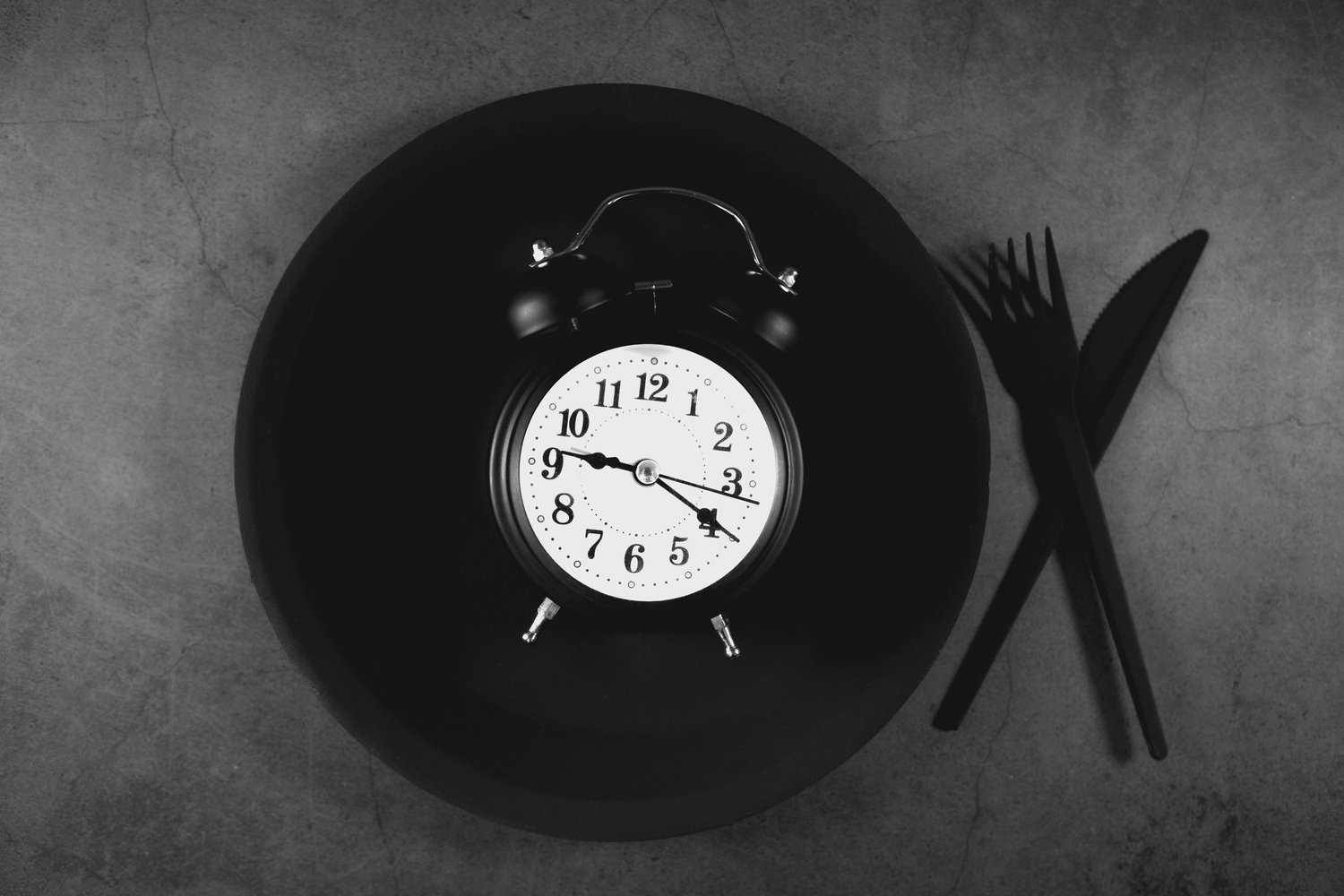
For most of human history, food wasn't available around the clock.
Today, however, eating can begin shortly after waking and continue until bedtime—with meals, snacks, sweetened drinks, and late-night treats keeping the body in a nearly constant fed state.
This has helped spark interest in intermittent fasting, an eating pattern that focuses not only on what we eat, but also when we eat.
Research suggests that certain forms of intermittent fasting and time-restricted eating may support metabolic health, insulin sensitivity, weight management, and other markers of health in some people. But intermittent fasting isn't magic—and longer isn't automatically better.
At Holistify Me, we believe fasting should be approached as a tool for intentional wellness rather than punishment, extreme restriction, or another diet trend.
Let's explore what the science actually tells us.
What Is Intermittent Fasting?
Intermittent fasting, or IF, describes eating patterns that alternate between periods of eating and fasting. Instead of prescribing specific foods, intermittent fasting primarily changes when food is consumed.
Common approaches include:
12:12
Fast for 12 hours and eat within a 12-hour window.
For example:
7:00 a.m.–7:00 p.m. eating window
This is one of the gentlest approaches and may occur naturally when nighttime snacking is eliminated.
14:10
Fast for 14 hours with a 10-hour eating window.
16:8
Fast for 16 hours and eat during an 8-hour window.
5:2
Eat normally five days per week and substantially reduce calories on two nonconsecutive days.
Alternate-Day Fasting
Periods of normal eating alternate with fasting or very-low-calorie days. More aggressive isn't necessarily more beneficial. For many people interested primarily in metabolic wellness, a moderate overnight fasting period may be easier to sustain than prolonged fasting.
What Happens in the Body When You Fast?
After eating, carbohydrates are broken down into glucose, which can be used for energy.
The hormone insulin helps move glucose from the bloodstream into cells.
Some glucose is stored as glycogen in the liver and muscles.
As time passes without additional food, insulin levels generally decline and the body increasingly relies on stored energy.
With longer periods without food, fat contributes more substantially to energy production.
This ability to move between available fuel sources is sometimes described as metabolic flexibility.
Intermittent Fasting and Insulin Sensitivity
One of the most researched areas of intermittent fasting involves metabolic health. Insulin resistance occurs when cells become less responsive to insulin, requiring the body to produce more of it to manage blood glucose. Over time, insulin resistance can contribute to metabolic disease.
Research suggests some forms of intermittent fasting or time-restricted eating may improve measures such as:
- Fasting glucose
- Insulin sensitivity
- Body weight
- Waist circumference
- Certain blood lipid markers
However, results vary. Some of these improvements may also occur because intermittent fasting causes people to eat fewer calories overall. This is an important distinction. Fasting isn't necessarily superior to every other healthy eating pattern—but it may provide a structure that works particularly well for some people.
Timing May Matter
An especially interesting area of research is time-restricted eating. Our metabolism also follows circadian rhythms.
The body generally handles food differently depending on the time of day, and insulin sensitivity tends to be better earlier in the active period than late at night.
This has led researchers to investigate earlier eating windows.
For example, someone might eat between:
8:00 a.m. and 6:00 p.m.
rather than:
12:00 p.m. and 10:00 p.m.
Both create a fasting period. But the earlier window may align more closely with the body's natural circadian biology.
In other words:
When you fast may matter alongside how long you fast.
What About Energy?
People sometimes assume fasting automatically causes low energy. Initially, some people do experience:
- Hunger
- Irritability
- Headaches
- Reduced concentration
- Fatigue
These symptoms can be especially noticeable when someone abruptly changes a long-standing eating schedule.
Others report steadier energy after adapting to a moderate eating window.
However, persistent exhaustion isn't something to celebrate as evidence that fasting is "working."
Your body still requires adequate:
- Calories
- Protein
- Carbohydrates
- Healthy fats
- Vitamins
- Minerals
- Fluids
The goal isn't to become better at ignoring your body's needs. It's to create an eating pattern that supports them.
Fasting, Exercise & Muscle
This is especially important for physically active people. Muscle is metabolically valuable tissue and becomes increasingly important as we age. If fasting causes you to consistently under-eat calories or protein, it can work against goals such as:
- Building muscle
- Strength development
- Exercise recovery
- Athletic performance
Resistance training and adequate protein remain essential. If you're strength training, don't become so focused on your fasting window that you neglect the nutrition required to recover from your workouts.
Protecting muscle should remain a priority.
Intermittent Fasting and Cellular Cleanup
You've probably heard fasting discussed alongside autophagy. Autophagy literally refers to a cellular recycling process through which cells break down and reuse damaged or unnecessary components.
It's an important part of normal cellular maintenance. Fasting can influence pathways involved in autophagy, and animal and laboratory research has generated considerable interest in this area.
However, claims such as:
"Autophagy begins exactly 16 hours into a fast"
are overly simplistic.
Human biology doesn't operate like a stopwatch, and researchers cannot currently give everyone a precise fasting hour at which meaningful autophagy suddenly "switches on."
So while the science is fascinating, be cautious of rigid timelines promoted online.
Can Fasting Increase Longevity?
This is where it's especially important to separate promising research from proven fact.
Calorie restriction and fasting-related interventions have extended lifespan or improved health markers in several animal models.
Human research also suggests that eating patterns that improve metabolic health may reduce risk factors associated with chronic disease.
But we do not currently have evidence proving that a particular intermittent-fasting schedule will make humans live a specific number of years longer.
Longevity is influenced by many factors, including:
- Nutrition
- Physical activity
- Muscle mass
- Sleep
- Stress
- Genetics
- Social connection
- Smoking and alcohol exposure
- Cardiovascular health
Fasting may become one useful piece of a longevity-focused lifestyle.
It isn't the entire puzzle.
What You Eat Still Matters
An eight-hour eating window doesn't magically transform an unhealthy diet into a healthy one.
Food quality still matters tremendously.
Build meals around nutrient-dense foods such as:
Vegetables
Especially leafy greens, cruciferous vegetables, peppers, mushrooms, and other colorful produce.
Fruits
Berries and other whole fruits provide fiber and phytonutrients.
Plant Proteins
Consider:
- Tofu
- Tempeh
- Lentils
- Beans
- Edamame
- Seitan
- Peas
Healthy Fats
Include:
- Walnuts
- Chia seeds
- Flaxseeds
- Hemp seeds
- Avocado
- Nut and seed butters
Whole-Food Carbohydrates
Examples include:
- Oats
- Quinoa
- Potatoes
- Sweet potatoes
- Brown rice
- Whole grains
Fasting determines your eating window.
Nutrition determines what you're giving your body inside that window.
A Gentler Way to Begin
You don't need to jump immediately into a 16-, 18-, or 20-hour fast.
Start by creating a natural overnight fasting period.
For example:
Finish dinner at 7:30 p.m.
Eat breakfast at 7:30 a.m.
That's already a 12-hour overnight fast.
If your body responds well, you might gradually experiment with a slightly longer overnight window.
There is no prize for fasting the longest.
Don't Forget Hydration
Water remains important during fasting periods.
Dehydration can contribute to:
- Headaches
- Fatigue
- Dizziness
- Poor concentration
Plain water is generally the simplest option.
Some fasting approaches also allow unsweetened tea or black coffee, although caffeine tolerance varies.
Listen to your body rather than using caffeine to mask significant fatigue or hunger.
When Intermittent Fasting May Not Be Appropriate
Intermittent fasting isn't suitable for everyone.
Extra caution is warranted for people who:
- Are pregnant or breastfeeding
- Have a history of an eating disorder
- Are underweight
- Are children or adolescents
- Have certain chronic illnesses
- Take medications affected by meal timing
- Use glucose-lowering medications
People with diabetes should discuss fasting with their healthcare provider because medication and food timing can affect blood glucose and increase the risk of hypoglycemia.
Health comes before adherence to a fasting schedule.
Watch for Signs You're Overdoing It
A wellness practice shouldn't make you progressively less well.
Pay attention to persistent:
- Fatigue
- Dizziness
- Poor exercise performance
- Extreme hunger
- Irritability
- Sleep disruption
- Difficulty concentrating
- Menstrual changes
- Unintentional weight loss
- Loss of strength
These may indicate that your fasting approach is too aggressive or that you're simply not eating enough.
Sometimes the healthier decision is to eat more—not fast longer.
A Holistify Me Metabolic Health Approach
Rather than obsessing over fasting hours, build your lifestyle around the bigger picture.
Morning
Hydrate.
Get natural light.
Move your body.
Eating Window
Prioritize whole plant foods.
Include adequate protein.
Eat enough to support your activity level.
Throughout the Day
Stay hydrated.
Walk regularly.
Strength train consistently.
Manage stress.
Evening
Finish eating at a reasonable time when practical.
Reduce late-night snacking.
Allow digestion and your nervous system to settle before bed.
Overnight
Prioritize restorative sleep. Your metabolism doesn't operate independently from the rest of your body. Nutrition, movement, circadian rhythm, stress, and sleep all communicate with one another.
The Mind-Body-Soul Connection
Intermittent fasting can become more than simply watching the clock. When practiced appropriately, intentional eating can encourage greater awareness of your relationship with food.
Mind
You begin recognizing the difference between:
- Physical hunger
- Habitual eating
- Emotional eating
- Boredom
Body
You become more aware of:
- Energy
- Hunger
- Fullness
- Digestion
- Exercise recovery
Soul
A mindful pause from constant consumption can create opportunities for:
- Reflection
- Gratitude
- Prayer
- Intentionality
- Greater appreciation for nourishment
But fasting should never become a competition against your body's needs.
True wellness requires listening as much as discipline.
Final Reflection
Ask yourself:
- Am I eating because I'm physically hungry or simply because food is available?
- How late am I eating each evening?
- Does my current eating schedule support my sleep?
- Am I consuming enough protein and calories for my activity level?
- Would a simple 12-hour overnight eating break improve my routine without creating unnecessary restriction?
- Am I pursuing fasting for health—or because I believe longer fasting must automatically be better?
Your answers matter more than someone else's fasting schedule.
Closing Thought
Intermittent fasting reminds us of something important:
Health isn't only influenced by what we consume.
Timing, movement, sleep, stress, and recovery matter too.
But fasting should complement good nutrition—not compete with it.
You don't need to starve yourself, chase extreme fasting windows, or force your body into someone else's routine to support metabolic health.
Sometimes the most powerful approach is remarkably simple:
Eat nourishing food.
Build muscle.
Move often.
Sleep deeply.
Allow reasonable periods without constant eating.
And pay attention to what your body tells you.
At Holistify Me, we believe sustainable wellness comes from working with your body rather than constantly fighting against it.
Fasting can be a tool. But nourishment, balance, and consistency are the foundation. 🌿⏰💚
Comments ()