

Exploring the science behind nerve growth factor, memory, mental clarity, and the fascinating relationship between medicinal mushrooms and the human brain.
Can a Mushroom Really Support Brain Health?
Imagine a mushroom that may influence how nerve cells grow, communicate, and respond to damage. It sounds almost too remarkable to be true, yet this is precisely why Lion's Mane has captured the attention of neuroscientists, herbalists, and holistic health enthusiasts around the world.
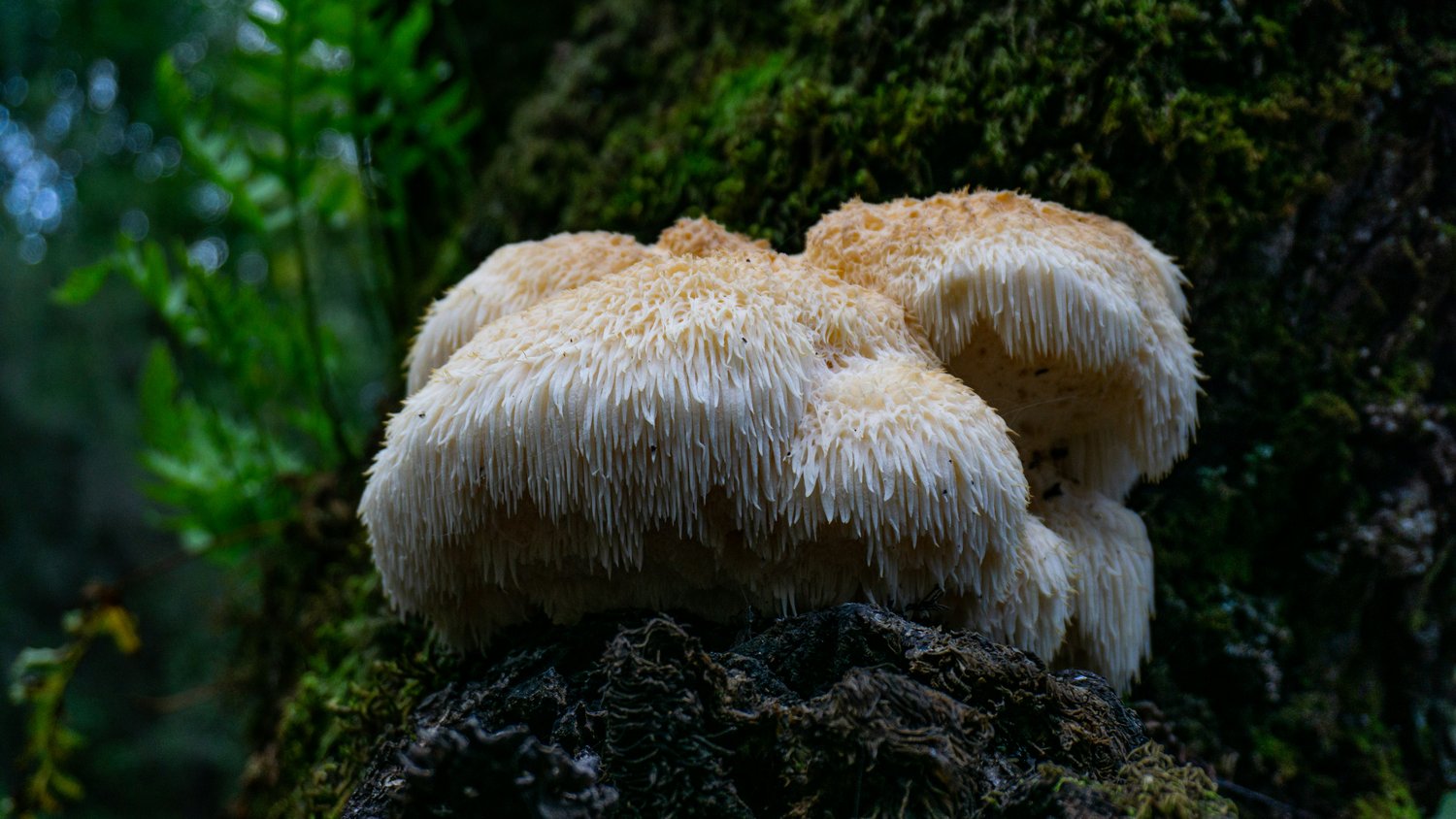
Known scientifically as Hericium erinaceus, Lion's Mane is an edible medicinal mushroom recognized for its distinctive appearance: long, cascading white spines resembling the mane of a lion.
For centuries, this fascinating fungus has been valued in traditional East Asian wellness practices. Today, it is gaining recognition for its potential effects on cognitive function, memory, concentration, and nervous system health. But with growing popularity comes an important question: Does Lion's Mane actually improve brain health, or are modern marketing claims moving faster than the science?
The answer is intriguing. Early research suggests that Lion's Mane contains compounds capable of influencing biological pathways involved in nerve cell growth and protection. However, human research is still developing, and its benefits are not yet firmly established.
Let's explore what science has discovered, what remains uncertain, and how Lion's Mane may fit into a holistic approach to cognitive wellness.
1. What Makes Lion's Mane Different From Other Mushrooms?
Unlike familiar culinary mushrooms such as button mushrooms or portobellos, Lion's Mane belongs to a group of fungi being studied for specialized bioactive compounds.
Two particularly interesting groups of compounds are:
Hericenones: Compounds identified primarily in the mushroom's fruiting body, the visible portion that grows above its woody substrate. Certain hericenones have been investigated for their potential effects on pathways related to nerve growth.
Erinacines: Compounds found particularly in the mushroom's mycelium, the threadlike fungal network responsible for nutrient absorption and growth. Some erinacines have demonstrated neurotrophic activity in laboratory and animal studies.
Lion's Mane also contains polysaccharides, including beta-glucans, along with various antioxidant compounds. These substances are being investigated for their possible roles in inflammatory signaling, immune function, and neuronal health.
What makes Lion's Mane especially fascinating is not simply its nutritional profile, but its potential influence on the biological environment in which nerve cells function.
2. Lion's Mane and Nerve Growth Factor: The Science Behind the Excitement
One of the most widely discussed aspects of Lion's Mane research involves a protein called Nerve Growth Factor (NGF).
What is Nerve Growth Factor?
Nerve Growth Factor belongs to a family of proteins called neurotrophins. These proteins help regulate the development, maintenance, survival, and functioning of certain nerve cells. Think of NGF as one part of the body's complex nerve-maintenance system. Just as plants depend on the right environmental conditions to develop healthy roots, nerve cells depend on biological signals that help maintain their structure and functionality.
NGF is particularly important for certain populations of neurons, including cholinergic neurons involved in attention and memory.
How does Lion's Mane influence NGF?
Laboratory and animal research suggests that certain compounds in Lion's Mane may stimulate NGF-related activity and support the growth of neurites, the projections through which nerve cells develop connections. Researchers are interested in whether these effects could eventually contribute to new strategies for maintaining neuronal health as we age. However, there is an important distinction.
Stimulating NGF-related pathways in laboratory cells or animals does not automatically mean that taking Lion's Mane supplements increases NGF in the human brain.
Scientists must still determine which compounds reach the brain in meaningful concentrations, how they behave in humans, and whether these biological effects translate into measurable long-term improvements in cognition.
This is where Lion's Mane becomes scientifically promising, but not yet scientifically proven.
3. Lion's Mane, Neuroplasticity, and the Brain's Ability to Adapt
Our brains are remarkably adaptable. Throughout life, the nervous system continuously responds to new experiences, environmental changes, learning, and physical activity. This ability is known as neuroplasticity. Neuroplasticity allows the brain to modify existing neural connections and, under certain conditions, develop new ones. It plays an essential role in learning new skills, forming memories, adapting to challenges, and recovering certain functions after neurological injury.
Another important protein involved in these processes is Brain-Derived Neurotrophic Factor (BDNF).
BDNF helps regulate synaptic plasticity, learning, and memory, particularly in brain regions such as the hippocampus. Some Lion's Mane studies have investigated whether mushroom-derived compounds influence BDNF and related signaling pathways. Results from human research remain limited and inconsistent. This means Lion's Mane should not be described as a proven method for regenerating brain cells or reversing neurological damage. Instead, it is better understood as a mushroom containing biologically active compounds that scientists are investigating for potential effects on nervous system function.
4. Can Lion's Mane Improve Memory and Concentration?
This is where the research becomes particularly interesting. Memory and concentration depend on multiple interconnected processes, including neuronal communication, sleep quality, emotional regulation, blood flow, and metabolic health. Researchers have begun examining whether Lion's Mane supplementation can influence measurable aspects of cognitive performance. Some early studies have reported improvements in particular cognitive tasks, while others have found little or no meaningful benefit.
These mixed results suggest that the mushroom may have potential, but its effects cannot yet be generalized to everyone.
5. What Does Scientific Research Actually Say?
To understand the potential benefits of Lion's Mane, we must distinguish promising preliminary findings from established medical evidence.
Here are several important human studies.
The 2009 Study: Mild Cognitive Impairment
A randomized, placebo-controlled study published in Phytotherapy Research examined 30 Japanese adults between the ages of 50 and 80 who experienced mild cognitive impairment. Participants received Lion's Mane mushroom powder or a placebo for 16 weeks. Researchers observed that participants taking Lion's Mane demonstrated improvements on a cognitive assessment at weeks 8, 12, and 16 compared with the placebo group. Interestingly, cognitive scores declined after supplementation was discontinued. Although these findings were encouraging, the study was small. Its results cannot establish that Lion's Mane prevents dementia or produces lasting improvements in brain health.
The 2023 Study: Concentration and Stress
A randomized pilot study involving 41 healthy adults examined the effects of Lion's Mane supplementation over 28 days.
Researchers reported faster performance on one attention-related cognitive task following a single dose, along with preliminary evidence of reduced subjective stress after continued supplementation. However, the cognitive findings were inconsistent across tests, and the small study was not sufficient to confirm broad improvements in memory or concentration.
The 2025 Study: Not All Results Were Positive
A double-blind clinical trial involving 18 healthy young adults investigated whether a single dose of Lion's Mane extract could improve cognitive performance and mood. The researchers found no significant overall improvement in cognitive function or mood compared with placebo.
Although one individual motor-performance test showed improvement, the broader findings did not support claims of immediate cognitive enhancement.
PubMed
The 2026 Study: Emerging Evidence for Attention
A newer randomized controlled trial evaluated 109 adults aged 40–75 who reported cognitive difficulties. After eight weeks, the Lion's Mane group demonstrated greater improvements in one computerized measure involving visual attention and working memory, as well as some subjective measures of sleep and mood. However, several other cognitive measures, including the overall cognitive composite score, did not show significant differences between groups. This is encouraging research, but the findings remain specific to the study population, supplement formulation, and tests used.
What Can We Conclude?
Current scientific evidence suggests that Lion's Mane may influence certain aspects of cognitive performance, particularly in some older adults or individuals with subjective cognitive concerns. However, there is not yet enough evidence to conclude that Lion's Mane reliably improves memory, prevents Alzheimer's disease, reverses cognitive decline, or enhances intelligence.
The research is worth following, but larger, longer-term clinical trials are essential.
6. Lion's Mane, Brain Inflammation, and Neurological Protection
Inflammation is a natural biological response that helps protect the body from injury and infection. However, chronic or poorly regulated inflammation can contribute to cellular dysfunction, including within the nervous system. Neuroinflammation involves immune activity in the brain and central nervous system. Specialized immune cells called microglia play an important role in this process.
Laboratory studies suggest that certain Lion's Mane compounds may influence inflammatory signaling and oxidative stress. Oxidative stress occurs when reactive molecules overwhelm the body's protective antioxidant systems, potentially damaging cells and their components.
Researchers are investigating whether Lion's Mane compounds can help protect neurons from these processes. This research has implications for understanding age-related neurological changes, but it is important to recognize that findings in laboratory and animal models do not establish clinical protection in humans.
Lion's Mane is not an approved treatment for Alzheimer's disease, Parkinson's disease, or other neurological disorders.
7. Could Lion's Mane Help With Brain Fog?
Brain fog is a common expression used to describe difficulties involving mental clarity, concentration, recall, or processing information. Although brain fog is not itself a specific medical diagnosis, it can occur alongside various health and lifestyle conditions. Potential contributing factors include insufficient sleep, chronic stress, nutritional deficiencies, hormonal changes, certain medications, and underlying medical conditions. Because Lion's Mane is being studied for its effects on attention and cognitive function, it has become popular among individuals seeking greater mental clarity. However, there is currently insufficient evidence to recommend it as a proven treatment for brain fog.
A holistic approach should begin by identifying the underlying contributors rather than assuming that a supplement will resolve the symptoms.
For example, someone experiencing persistent mental fatigue because of iron deficiency or inadequate sleep may benefit far more from addressing those factors than from adding a mushroom supplement.
True cognitive wellness begins with understanding what the brain needs, not simply searching for something that promises to stimulate it.
8. Lion's Mane and the Gut-Brain Connection
One particularly interesting area of mushroom research involves the relationship between digestive health and neurological function. The gut and brain communicate through a complex network known as the gut-brain axis.This communication involves the nervous system, immune signaling, hormones, microbial metabolites, and pathways associated with the vagus nerve.
Lion's Mane contains polysaccharides and other compounds that may influence the gut microbiome. Preliminary research suggests that Lion's Mane supplementation could affect microbial diversity and the abundance of certain intestinal bacteria. However, scientists have not established that these microbiome changes directly produce improvements in human memory, mood, or concentration.
The gut-brain connection offers an interesting avenue for future research, particularly because digestive wellness and neurological health are closely interconnected.
9. How to Incorporate Lion's Mane Into a Holistic Wellness Routine
Lion's Mane can be enjoyed as a culinary mushroom or consumed in supplemental forms, including powders, capsules, and extracts.
Enjoying Lion's Mane as Food
Fresh Lion's Mane mushrooms have a tender, somewhat seafood-like texture when cooked. They can be prepared in several delicious ways, including sautéing with olive oil and garlic, incorporating into plant-based meals, roasting with vegetables, or using as a meat alternative in mushroom patties.
As a whole food, Lion's Mane offers an opportunity to diversify a nutrient-rich diet without depending on concentrated extracts. However, eating Lion's Mane should not be expected to reproduce the cognitive effects observed in supplementation studies.
Understanding Lion's Mane Supplements
When evaluating Lion's Mane supplements, consider the following:
- Species identification: The label should clearly identify Hericium erinaceus.
- Fruiting body versus mycelium: Different portions of the fungus contain different concentrations of studied compounds. Neither should automatically be assumed superior for every purpose.
- Extraction methods: Hot-water and alcohol-based extraction techniques recover different types of compounds.
- Quality testing: Look for independent testing for microbial contamination, heavy metals, and accurate ingredient identification.
- Transparent labeling: Be cautious of products promising dramatic brain regeneration, instant intelligence improvements, or guaranteed neurological healing.
There is currently no universally established, clinically proven dosage of Lion's Mane for cognitive enhancement.
Clinical studies have used different formulations and amounts, so their results should not be treated as interchangeable recommendations.
10. Safety, Side Effects, and Important Precautions
Lion's Mane is generally considered safe when consumed as a properly identified culinary mushroom. However, supplements may contain concentrated extracts, and long-term safety information remains limited. Reported side effects include digestive discomfort, nausea, and skin reactions.
Individuals with mushroom allergies should avoid Lion's Mane. Those who are pregnant, breastfeeding, taking medications, preparing for surgery, or managing chronic medical conditions should consult a qualified healthcare professional before using concentrated supplements. It is also important to remember that supplements are not subject to the same premarket effectiveness requirements as prescription medications.
Natural substances can produce powerful biological effects, and natural does not automatically mean risk-free.
11. Supporting Brain Health Beyond Lion's Mane
While Lion's Mane is fascinating, the most effective approach to cognitive wellness involves creating an environment in which the brain can function optimally. Our daily habits influence neuronal health, circulation, metabolic regulation, and the biological processes involved in learning and memory.
Consider these foundational practices:
Prioritize restorative sleep. Sleep supports memory consolidation, attention, emotional regulation, and important brain-maintenance processes. Most adults benefit from approximately seven to nine hours per night.
Exercise consistently. Aerobic activity and resistance training support cardiovascular and metabolic health.
Regular movement is also associated with healthier cognitive aging.
Nourish the nervous system. A nutrient-dense diet containing vegetables, fruits, legumes, nuts, seeds, and adequate protein supports overall neurological health. Vitamin B12 is especially important for individuals following plant-based diets.
Challenge your brain. Learning new skills, reading, studying, creating art, and practicing unfamiliar activities stimulate cognitive engagement and support lifelong learning.
Manage chronic stress. Mindfulness, time outdoors, breathing exercises, and healthy boundaries can help support emotional regulation and reduce stress-related disruptions to concentration.
Protect cardiovascular health. Maintaining healthy blood pressure, blood glucose, and cholesterol levels can contribute to preserving cognitive function throughout life.
A mushroom supplement may eventually prove useful as one part of a comprehensive wellness strategy, but it cannot replace these foundational practices.
12. The Future of Lion's Mane Research
As interest in functional mushrooms grows, researchers continue investigating questions that could reshape our understanding of certain fungal compounds. Future studies will need to determine which Lion's Mane compounds are most biologically active in humans, whether specific extracts consistently improve cognitive performance, how long potential benefits persist, and whether supplementation influences meaningful neurological outcomes over time. Research must also clarify appropriate dosing, long-term safety, and potential interactions with medications. Perhaps most importantly, scientists need to establish whether laboratory observations involving nerve growth factor and neuroplasticity translate into significant clinical benefits.
Until those questions are answered, Lion's Mane remains an intriguing area of nutritional neuroscience rather than an established cognitive treatment.
Final Thoughts: A Promising Mushroom, Not a Miracle Cure
Lion's Mane offers a compelling example of the remarkable complexity of the natural world. Within this distinctive mushroom are compounds that have inspired scientists to investigate how fungi may interact with biological pathways involved in neuronal survival, growth, and communication.
Early research suggests potential benefits for certain aspects of cognitive performance, yet there is still much to discover.
The most valuable lesson is not that Lion's Mane can magically transform the brain. It is that nature contains biologically active compounds worthy of careful scientific investigation, while our everyday lifestyle choices remain essential to lifelong brain health.
At Holistify Me, we believe holistic wellness means combining the wisdom of nature with scientific understanding, informed decisions, and respect for the body's interconnected systems.
Lion's Mane may become a useful addition to evidence-based cognitive wellness strategies, but meaningful brain health begins with how we nourish, challenge, protect, and care for ourselves every day.
Nourish your body. Strengthen your mind. Embrace wellness naturally.
Holistify Me — A Holistic Approach to Mind, Body & Spirit.
Explore more educational wellness resources at Holistify Me LLC.
Scientific References & Further Reading
For readers interested in exploring the research behind Lion's Mane:
- Mori, K., et al. (2009). Improving effects of the mushroom Yamabushitake (Hericium erinaceus) on mild cognitive impairment. Phytotherapy Research
- Docherty, S., et al. (2023). The Acute and Chronic Effects of Lion's Mane Mushroom Supplementation on Cognitive Function, Stress and Mood in Young Adults. Nutrients
- Surendran, G., et al. (2025). Acute effects of a standardised extract of Hericium erinaceus on cognition and mood in healthy younger adults. Frontiers in Nutrition
- Grant, A., et al. (2026). A randomized, double-blind, placebo-controlled study evaluating the impact of Hericium erinaceus on cognitive performance and wellbeing. Frontiers in Nutrition
- Alzheimer's Drug Discovery Foundation. (2025). Lion's Mane: Cognitive Vitality Evidence Review
- Memorial Sloan Kettering Cancer Center. Lion's Mane Mushroom: Benefits, Safety, and Research
Educational Disclaimer: This article is intended for general educational purposes and does not constitute medical advice, diagnosis, or treatment. Research on Lion's Mane and cognitive function is evolving.
Consult a qualified healthcare professional before using supplements, particularly if you take medications or have an existing health condition.
Comments ()