

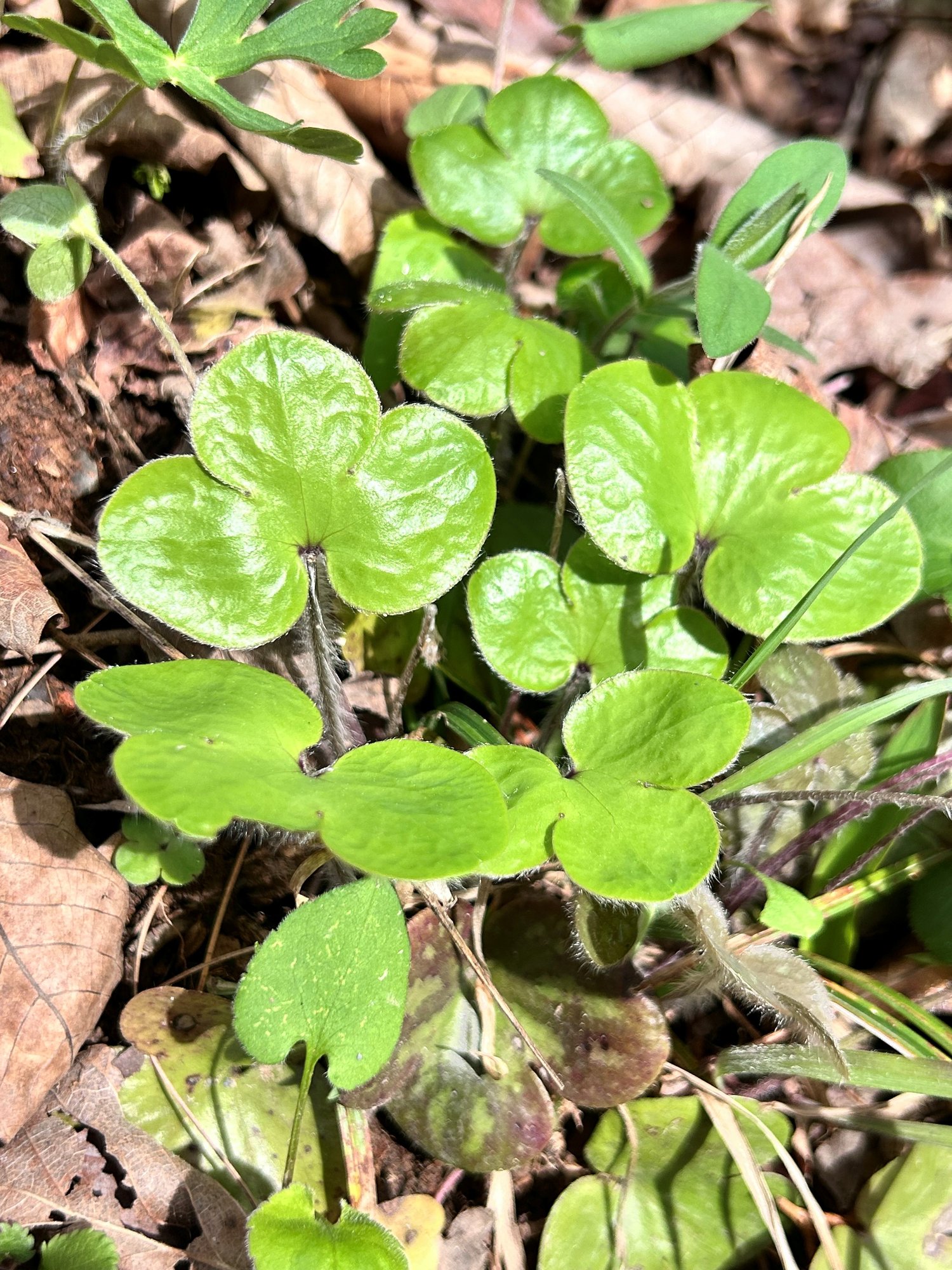
🌱 What is Liverwort?
Liverwort refers to a group of small, non-vascular plants in the division Marchantiophyta. They’re among the oldest land plants on Earth, dating back over 400 million years.
The most commonly used medicinal species is:
- Marchantia polymorpha (common liverwort)
👀 Identification Basics
- Flat, lobed, leaf-like structure (often looks like a green ribbon or reptile skin)
- Grows low to the ground
- Thrives in moist, shaded environments (soil, rocks, near streams)
- Reproduces via tiny cup-like structures (gemmae cups)
🧠 Why the Name “Liverwort”?
It comes from the ancient Doctrine of Signatures—a concept where plants resembling body parts were believed to support those organs.
👉 Liverwort’s shape resembles the liver, so historically it was used for liver health.
🌿 Key Active Compounds
Liverwort contains unique bioactive compounds like:
- Terpenoids
- Flavonoids
- Phenolic compounds
- Marchantins (specific to liverwort)
These contribute to its antimicrobial and anti-inflammatory effects.
✨ Health Benefits of Liverwort
🌿 Liver Support (Traditional Use)
- Historically used to support liver function
- Thought to stimulate bile flow and detox pathways
⚠️ Reality check:
Modern science is still limited here, so don’t treat this as a primary liver remedy—think of it as supportive, not foundational.
🦠 Antimicrobial Properties
Liverwort has shown activity against:
- Bacteria
- Fungi
- Some pathogens
This makes it useful in:
- Herbal washes
- Skin applications
- Wound support
🔥 Anti-Inflammatory Effects
Its compounds may help reduce inflammation, which can support:
- Skin irritation
- Minor swelling
- Internal inflammatory processes (mild support)
🧴 Skin Health & Topical Use
This is where liverwort really shines.
Used for:
- Acne
- Fungal skin issues
- Eczema-like irritation
Its antimicrobial + soothing combo makes it a quiet but effective topical herb.
🧠 Nervous System Support (Emerging Research)
Some liverwort species (especially those containing marchantins) are being studied for:
- Neuroprotective effects
- Mild relaxation support
Not mainstream yet—but promising.
🍄 Antifungal Potential
Liverwort has shown activity against fungi like:
- Candida albicans
That makes it relevant in:
- Skin fungal issues
- Holistic cleansing protocols
⚠️ Safety & Considerations
Here’s where I’m going to be real with you:
- ❌ Not widely used internally in modern herbalism
- ❌ Can cause skin irritation in some people
- ❌ Limited human clinical research
- ❌ Potency varies by species
👉 Translation:
This is not a daily tea herb. It’s more of a specialized, occasional, topical or experimental herb.
🌿 How It’s Used
- Topical infusions or washes
- Tinctures (less common, use caution)
- Powdered form (rare)
💡 Holistify Me Perspective
If I were guiding you as a client, I’d say:
👉 Liverwort is a supporting herb, not a star player.
For actual liver healing, you’d lean more on:
- Milk Thistle
- Dandelion
- Burdock Root
👉 Liverwort fits better in:
- Skin healing protocols
- Antifungal support stacks
- Niche herbal formulations
🌙 Integration Insight
Liverwort teaches a subtle lesson:
Not every powerful plant is meant for constant use.
Some are meant for targeted healing, not daily rituals.
📝 Integration Prompt
Where in your life are you forcing healing… when a gentler approach would actually go deeper?
Comments ()