

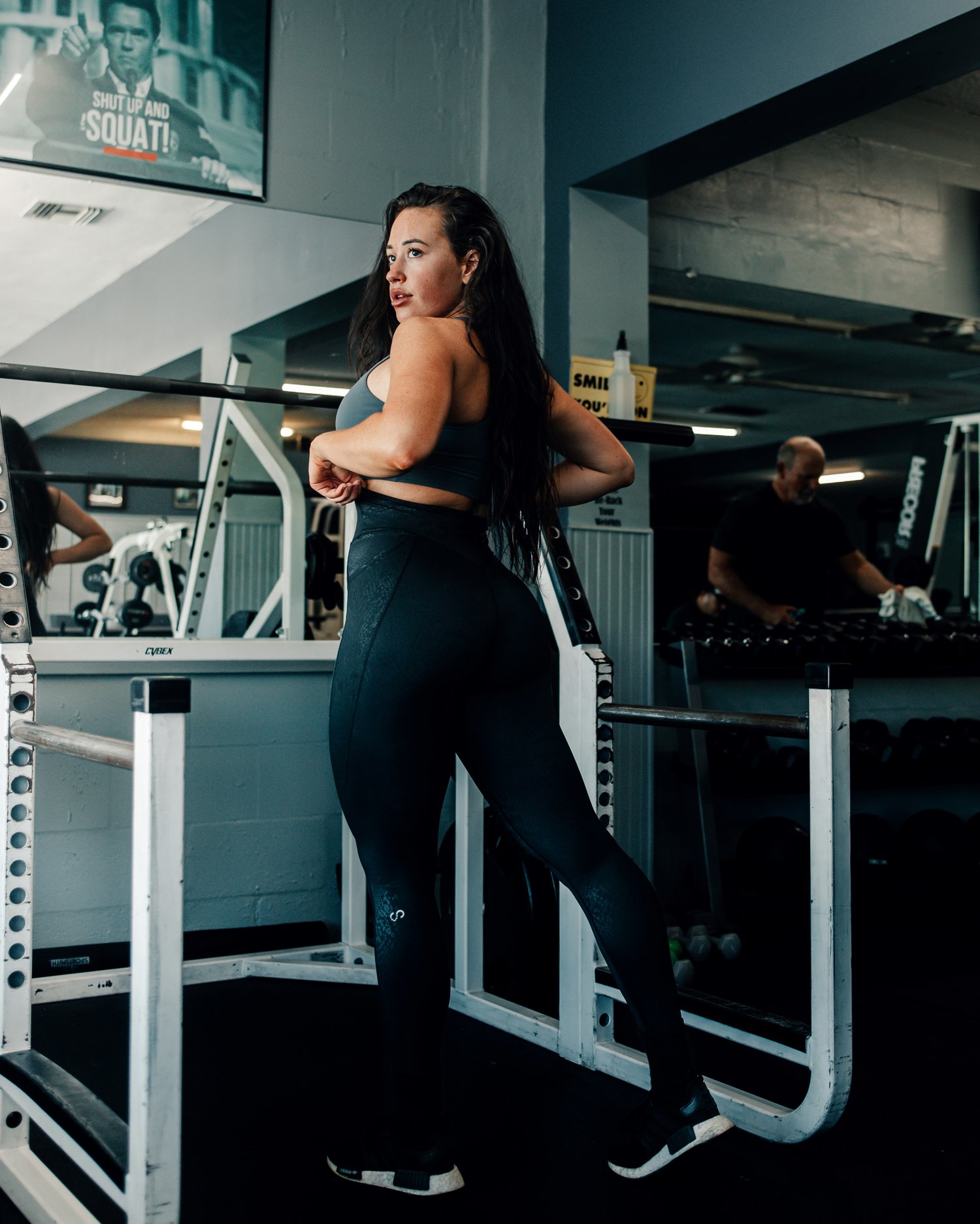
When people think about lower-body workouts, they often picture toned legs or stronger glutes. While there's nothing wrong with aesthetic goals, the true purpose of lower-body strength goes far beyond appearance.
Your glutes, hamstrings, and hips form the foundation of nearly every movement you perform throughout the day. Whether you're climbing stairs, hiking a mountain trail, lifting groceries, getting off the floor, or simply walking across a parking lot, your lower body is constantly at work.
Strong hips don't just help you move better—they help you live better.
Let's explore why these muscles are so important and how building lower-body strength can improve everything from athletic performance to everyday quality of life.
Meet Your Lower-Body Power Team
Your lower body is made up of many muscles, but three groups play especially important roles in strength and movement.
The Glutes: Your Body's Engine
The gluteal muscles (gluteus maximus, gluteus medius, and gluteus minimus) are the largest and most powerful muscles in your body.
Together, they help you:
- Stand up from a chair
- Walk and run efficiently
- Climb stairs
- Jump and land safely
- Stabilize your pelvis
- Protect your knees and lower back
Healthy glutes aren't just about shape—they're essential for power, balance, and injury prevention.
The Hamstrings: More Than the Back of Your Legs
Located on the back of your thighs, the hamstrings work closely with your glutes during almost every lower-body movement.
They help:
- Bend your knees
- Extend your hips
- Slow your body down during movement
- Stabilize the knee joint
- Protect the lower back during lifting
Weak hamstrings often force other muscles to compensate, increasing the risk of strains and joint discomfort.
The Hips: Your Body's Foundation
Your hips are one of the body's most important movement centers. They transfer force between your upper and lower body while helping maintain balance, posture, and stability.
Strong, mobile hips allow you to:
- Move efficiently
- Generate power
- Reduce unnecessary stress on surrounding joints
When hip stability is poor, the body often compensates through the knees or lower back.
Why Hip Stability Is So Important
Many people assume that stronger muscles automatically create better movement. Not always. Strength without stability is like building a house on an unstable foundation. Hip stability is your ability to control your pelvis and hips during movement.
When your hips are stable, your body can:
- Maintain proper alignment
- Generate more force
- Move more efficiently
- Reduce injury risk
Without stability, every movement becomes less efficient.
Signs Your Hips May Need More Strength
You don't have to be in pain to benefit from stronger hips.
Some common signs include:
- Knees collapsing inward during squats
- Lower back discomfort after standing or walking
- Difficulty balancing on one leg
- Feeling your lower back more than your glutes during exercise
- Hip fatigue while hiking or climbing stairs
- Poor posture during lower-body exercises
These are often movement issues—not character flaws. The good news is they're highly trainable.
Why Strong Glutes Protect Your Lower Back
One of the most common reasons people experience lower back discomfort isn't because the back is weak. It's because the glutes aren't doing enough of the work.
When your glutes don't activate properly, your lower back often steps in to compensate during movements like:
- Squats
- Deadlifts
- Picking objects off the floor
- Walking uphill
- Climbing stairs
Over time, that extra workload can contribute to unnecessary strain. Teaching your glutes to do their job often gives your back a well-deserved break.
Strong Hamstrings Improve Athletic Performance
The hamstrings aren't just important for athletes. They're important for anyone who wants to move confidently.
Strong hamstrings help you:
- Walk faster
- Hike longer
- Run more efficiently
- Improve balance
- Protect your knees
- Generate explosive power
Whether you're carrying laundry upstairs or exploring your favorite hiking trail, healthy hamstrings make movement easier.
The Best Exercises for Building Lower-Body Strength
You don't need dozens of exercises to build a strong lower body. Focus on mastering a few foundational movements.
Excellent options include:
Hip-Dominant Exercises
- Romanian deadlifts
- Hip thrusts
- Glute bridges
- Cable pull-throughs
These emphasize the glutes and hamstrings while teaching proper hip hinging.
Knee-Dominant Exercises
- Squats
- Goblet squats
- Split squats
- Step-ups
- Reverse lunges
These build strength throughout the hips, thighs, and glutes while improving balance and coordination.
Stability Exercises
- Single-leg Romanian deadlifts
- Single-leg glute bridges
- Lateral band walks
- Clamshells
- Farmer carries
- Single-leg balance drills
These challenge the smaller stabilizing muscles that keep your hips aligned during movement.
Don't Forget Mobility
Strong hips also need healthy mobility. Tight hip flexors, stiff ankles, or restricted glutes can change the way you squat, hinge, and walk.
Consider adding mobility work such as:
- Hip circles
- World's Greatest Stretch
- 90/90 hip rotations
- Deep squat holds
- Dynamic lunges
Strength and mobility work together.
One supports the other.
Everyday Benefits of Lower-Body Strength
Building stronger glutes, hamstrings, and hips isn't just about gym performance. It helps make everyday life easier.
You'll likely notice improvements in:
- Walking endurance
- Hiking performance
- Climbing stairs
- Carrying groceries
- Playing with children or grandchildren
- Balance and coordination
- Standing for longer periods
- Confidence in movement
The strongest bodies aren't just impressive in the gym.
They're capable in everyday life.
Final Thoughts
Your lower body is your foundation.
Every step you take, every object you lift, and every adventure you pursue depends on the strength and stability of your hips, glutes, and hamstrings.
When these muscles work together, movement feels smoother, lifting becomes safer, and your body becomes more resilient.
Strength isn't just about generating power.
It's about creating a foundation that supports you for years to come.
So the next time you train your lower body, remember:
You're not just building stronger muscles.
You're building a stronger life.
A Supportive Next Step
At Holistify Me, lower-body training is about much more than sculpting your legs or growing your glutes.
It's about creating strength that supports your posture, protects your joints, improves your balance, and helps you move confidently through everyday life.
My approach combines strength training, mobility, proper movement mechanics, and recovery to help you build a body that feels stable, capable, and resilient—not just in the gym, but everywhere life takes you.
Because real strength isn't measured by how much weight you lift.
It's measured by how confidently you move through life.
If you're ready to build a stronger foundation from the ground up, I'd love to help you take the next step.
— Crystal
Holistify Me
Comments ()