

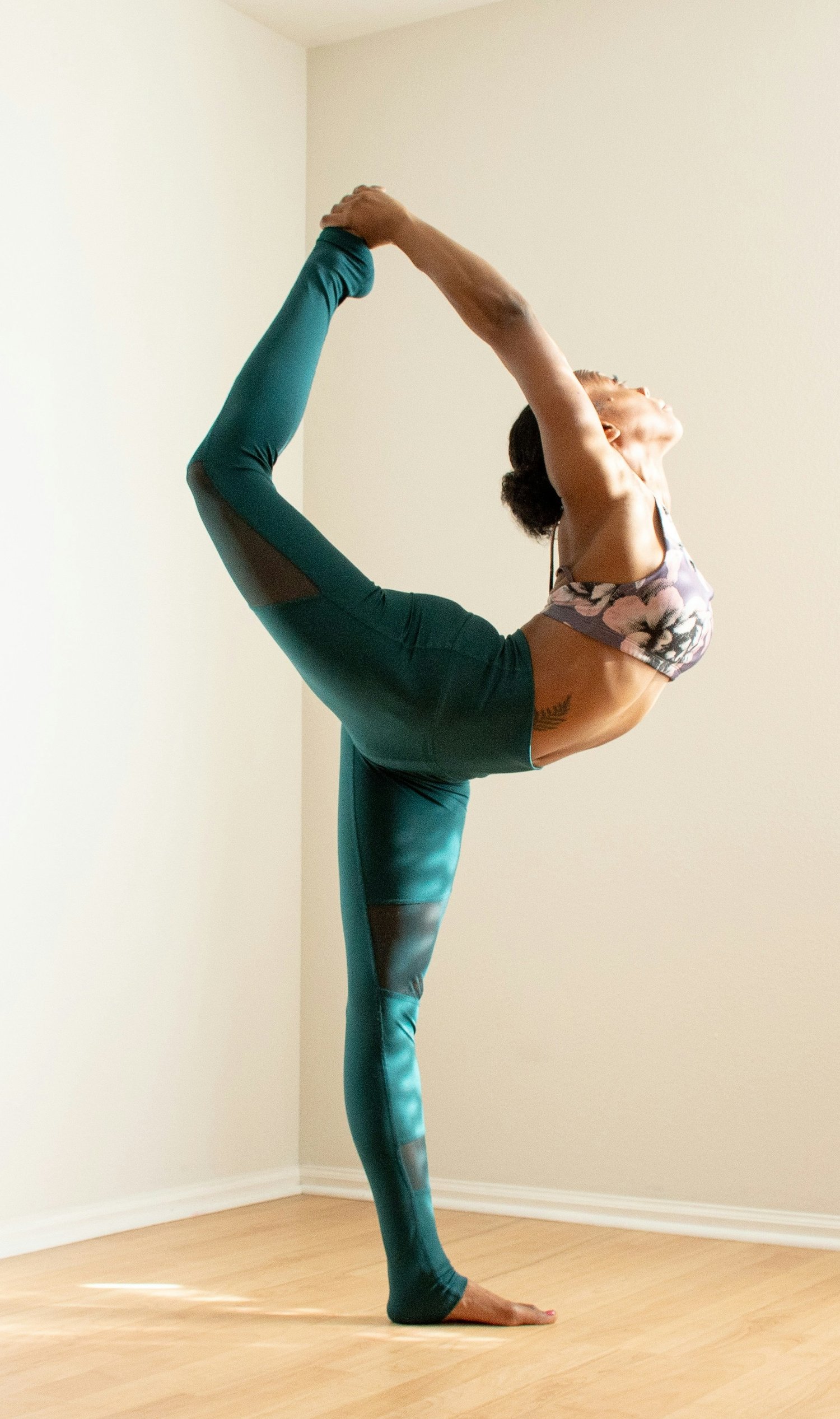
Have you ever heard someone say, "I'm just not flexible," or "I need to stretch more"?
While flexibility is important, it's only one piece of the puzzle. If your goal is to move better, lift safely, reduce pain, and stay active for years to come, you also need mobility.
Although the terms are often used interchangeably, mobility and flexibility are not the same thing. Understanding the difference can completely change the way you train and help you build a body that is not only strong, but also resilient.
Let's explore what sets them apart—and why you need both.
What Is Flexibility?
Flexibility is the ability of a muscle to lengthen through its available range of motion.
Think of flexibility as your muscles' ability to stretch.
Examples include:
- Touching your toes with straight legs
- Performing a hamstring stretch
- Stretching your chest after a workout
- Sitting in a butterfly stretch
Flexibility is primarily passive, meaning an outside force—gravity, another person, or your own hands—helps create the stretch.
Good flexibility can:
- Reduce muscle tightness
- Improve comfort during movement
- Increase your range of motion
- Help relieve post-workout stiffness
However, flexibility alone doesn't guarantee that you can control those movements.
What Is Mobility?
Mobility is your ability to actively move a joint through its full range of motion with strength, stability, and control.
Unlike flexibility, mobility requires your muscles, joints, nervous system, and brain to work together.
Examples include:
- Performing a deep squat while keeping your heels on the floor
- Reaching overhead without arching your back
- Rotating your hips smoothly during a lunge
- Controlling your shoulder position during an overhead press
Mobility is active movement, not passive stretching.
It's not just about how far you can move—it's about how well you can control your body throughout that movement.
The Biggest Difference
Here's an easy way to remember it:
- Flexibility is the ability to reach a position.
- Mobility is the ability to own that position.
Imagine someone who can easily do the splits but struggles to maintain balance during a single-leg squat.
They're flexible.
But they may lack the strength and stability needed to control their body throughout movement.
True movement quality comes from combining both flexibility and mobility.
Why Mobility Matters for Weight Training
If you've been following our Weight Training 101 series, you've probably noticed a recurring theme:
Good movement comes before heavy weight.
When mobility is limited, your body finds other ways to complete the exercise.
For example:
- Limited ankle mobility can cause your heels to lift during squats.
- Poor hip mobility can place extra stress on the lower back.
- Restricted shoulder mobility can lead to neck tension during overhead presses.
- Limited thoracic (upper back) mobility can affect posture and breathing.
These compensation patterns increase the risk of injury and make it harder to build strength efficiently.
The better your mobility, the more effectively you can perform every lift.
Why Flexibility Still Matters
Although mobility often gets the spotlight in strength training, flexibility still plays an important role.
Tight muscles can:
- Restrict movement
- Affect posture
- Reduce exercise technique
- Increase discomfort during daily activities
Improving flexibility can help muscles move through a healthier range of motion, making mobility exercises more effective.
Think of flexibility as creating the available movement, while mobility teaches your body how to use it.
Signs You May Need More Mobility
You may benefit from mobility work if you notice:
- Your heels lift during squats.
- Your lower back rounds when bending over.
- You struggle to lift your arms overhead comfortably.
- Your hips feel stiff after sitting for long periods.
- You lose balance during lunges or single-leg exercises.
- You experience recurring joint discomfort despite stretching.
These aren't signs that your body is "broken."
They're simply clues that your body may need more controlled movement.
Simple Ways to Improve Mobility
You don't need an hour-long mobility routine every day.
Just 5–10 minutes before your workout can make a noticeable difference.
Try incorporating:
- Bodyweight squats
- Hip circles
- World's Greatest Stretch
- Cat-Cow stretches
- Thoracic spine rotations
- Walking lunges
- Shoulder pass-throughs with a resistance band or dowel
- Controlled ankle mobility drills
The goal isn't to force a stretch.
It's to prepare your joints and muscles for quality movement.
When Should You Stretch?
Timing matters.
Before a workout
- Focus on dynamic mobility exercises that prepare your body for movement.
After a workout
- Perform gentle static stretches to help improve flexibility and encourage recovery.
This combination helps your body move well during training while maintaining healthy muscle length afterward.
Mobility and Flexibility Become More Important with Age
As we get older, it's common to lose:
- Joint mobility
- Muscle elasticity
- Balance
- Coordination
The good news?
These qualities can be maintained—and even improved—with consistent practice.
Strength training paired with mobility work helps preserve independence, reduce injury risk, and keep everyday activities feeling easier for years to come.
Think of mobility and flexibility as long-term investments in your quality of life.
Final Thoughts
Flexibility helps your muscles lengthen.
Mobility helps your body move with strength and control.
One without the other leaves gaps in your movement.
Together, they create a body that is:
- Strong
- Stable
- Resilient
- Balanced
- Ready for everyday life
Whether your goal is to lift heavier, hike farther, improve your posture, or simply move without pain, making both mobility and flexibility part of your routine will help you build a healthier, more capable body.
Progress isn't about forcing your body into difficult positions.
It's about teaching your body to move with confidence, control, and purpose.
A Supportive Next Step
At Holistify Me, movement is about more than completing a workout—it's about creating a body that supports you through every season of life.
That's why my approach combines strength training, mobility, recovery, and mindful movement to help you build lasting results without burnout.
Whether you're just beginning your fitness journey or rebuilding after years away from exercise, remember this:
Small improvements in how you move today can lead to a lifetime of greater strength, confidence, and freedom tomorrow. Because true wellness isn't just about moving more—it's about moving well.
— Crystal
Holistify Me
Comments ()