

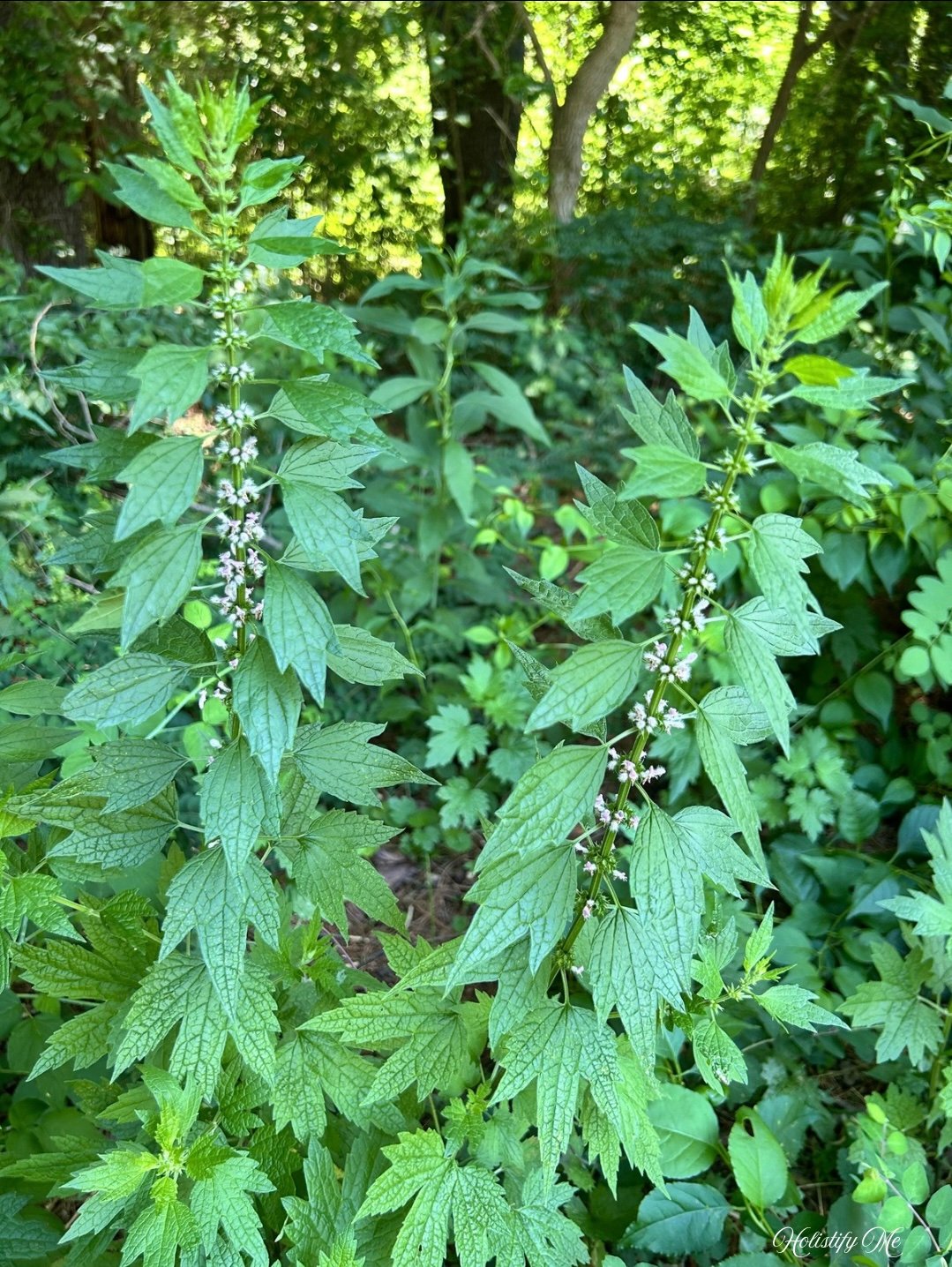
Motherwort (Leonurus cardiaca) is a traditional medicinal herb that has been used for centuries to support emotional wellbeing, heart health, and women's reproductive health. Its name comes from the Latin words Leonurus ("lion's tail") and cardiaca ("for the heart"), reflecting its long-standing reputation as a calming herb for both the heart and the mind.
Known as the "lion-hearted herb," motherwort is often used by herbalists to help ease anxiety, calm nervous tension, and support women through various stages of life, including menstruation, postpartum recovery, and perimenopause.
What Is Motherwort?
Motherwort is a perennial herb in the mint family (Lamiaceae) native to Europe and Asia but now naturalized throughout North America.
The aerial parts of the plant—primarily the leaves, stems, and flowers—are harvested and used in:
- Teas
- Tinctures
- Capsules
- Herbal extracts
Motherwort contains a variety of beneficial plant compounds, including:
- Flavonoids
- Alkaloids
- Iridoids
- Tannins
- Phenolic acids
These compounds contribute to its calming, cardioprotective, and anti-inflammatory properties.
Health Benefits of Motherwort
1. Supports Stress Relief and Emotional Balance
One of motherwort's most recognized uses is helping calm the nervous system.
Traditional herbalists often recommend motherwort for:
- Nervous tension
- Mild anxiety
- Emotional overwhelm
- Restlessness
- Stress-related symptoms
Motherwort may help promote a sense of calm without causing heavy sedation, making it useful during periods of emotional strain.
Potential Benefits
✓ Calms racing thoughts
✓ Supports relaxation
✓ Helps reduce feelings of overwhelm
✓ Encourages emotional resilience
2. Promotes Heart Health
Motherwort has earned a reputation as a heart-supportive herb for centuries.
Traditional herbal medicine has used it to:
- Support healthy circulation
- Ease occasional heart palpitations related to stress
- Promote a steady heartbeat
- Support cardiovascular wellness
Its calming effect on the nervous system may indirectly benefit the heart by helping the body better manage stress responses.
Why It's Called "Heart Herb"
Many herbalists view motherwort as an herb that supports both:
- The physical heart
- The emotional heart
This unique combination makes it popular for people experiencing stress-related cardiovascular symptoms.
3. Supports Menstrual Comfort
Motherwort has a long history of use in women's health.
Traditionally, it has been used to help:
- Ease menstrual cramps
- Reduce menstrual tension
- Support healthy menstrual flow
- Calm irritability associated with hormonal fluctuations
Its relaxing properties may help reduce uterine tension and discomfort during menstruation.
4. May Support Perimenopause and Menopause
Hormonal transitions can bring symptoms such as:
- Mood swings
- Anxiety
- Irritability
- Sleep disturbances
- Hot flashes
Many herbal practitioners incorporate motherwort into menopause-support formulas because of its calming and heart-supportive actions.
While it is not a cure for menopausal symptoms, it may provide gentle support during hormonal changes.
5. Traditionally Used for Postpartum Recovery
Historically, motherwort was valued by midwives for postpartum support.
Traditional uses included:
- Emotional support after childbirth
- Nervous system calming
- Recovery support during the postpartum period
Because pregnancy and postpartum care require special considerations, women should consult a qualified healthcare provider before using motherwort during these times.
6. Rich in Antioxidants
Motherwort contains antioxidants that help combat oxidative stress caused by free radicals.
Antioxidants may help:
- Protect cells from damage
- Support healthy aging
- Promote overall wellness
- Support cardiovascular health
7. Supports Sleep Through Relaxation
While motherwort is not considered a strong sleep herb like valerian or chamomile, its calming effects may indirectly support better sleep.
By helping reduce:
- Stress
- Nervous tension
- Emotional restlessness
Motherwort may make it easier to relax before bedtime.
Traditional Energetics of Motherwort
In traditional herbalism, motherwort is often described as:
Taste:
- Bitter
- Slightly pungent
Energetics:
- Cooling
- Drying
Primary Actions:
- Nervine
- Cardiotonic
- Mild antispasmodic
- Relaxant
Because of its bitterness, motherwort is commonly taken as a tincture rather than as a tea.
How to Use Motherwort
Motherwort Tea
A traditional preparation involves:
- 1–2 teaspoons dried motherwort
- 8 ounces hot water
- Steep 10–15 minutes
Because of its bitter taste, many people combine it with:
- Lemon balm
- Chamomile
- Peppermint
- Rose petals
Motherwort Tincture
Tinctures are one of the most popular forms because they:
- Concentrate active compounds
- Are convenient to use
- Avoid the strong bitterness of tea
Always follow product directions or consult a qualified healthcare professional.
Safety Considerations
Motherwort is generally considered safe for many adults when used appropriately, but it may not be suitable for everyone.
Avoid or use caution if you:
- Are pregnant
- Have a bleeding disorder
- Take blood-thinning medications
- Have a heart condition requiring medical supervision
- Take medications affecting heart rhythm
Always consult a healthcare provider before starting new herbs, especially if you have a medical condition or take prescription medications.
Motherwort vs. Lemon Balm
Motherwort (Leonurus cardiaca)
Primary Uses:
- Emotional support
- Stress relief
- Heart health
- Women's reproductive health
Best For:
- Anxiety with heart palpitations
- Menstrual discomfort
- Hormonal mood swings
- Perimenopause and menopause support
Nervous System Support:
- Strong calming effects
- Helps reduce nervous tension and emotional overwhelm
Heart Support:
- Traditionally used to support healthy heart function and circulation
- Often called the "heart herb"
Women's Health Support:
- Strong traditional use for menstrual and hormonal concerns
- May help ease cramps and support emotional balance during hormonal fluctuations
Sleep Support:
- Mild to moderate
- Helps promote relaxation that may improve sleep quality
Taste:
- Bitter
- Earthy
- Slightly pungent
Energetics:
- Cooling
- Drying
Common Preparations:
- Tinctures
- Teas
- Capsules
- Herbal extracts
Lemon Balm (Melissa officinalis)
Primary Uses:
- Stress relief
- Mood support
- Digestive wellness
- Cognitive support
Best For:
- Everyday stress
- Mild anxiety
- Restlessness
- Digestive upset related to stress
Nervous System Support:
- Gentle and calming
- Promotes relaxation without excessive drowsiness
Heart Support:
- Mild indirect support through stress reduction
- Not traditionally considered a primary heart herb
Women's Health Support:
- May help with mood swings and stress-related symptoms
- Less commonly used for menstrual support than motherwort
Sleep Support:
- Moderate
- Often included in bedtime tea blends
Taste:
- Pleasant
- Mildly sweet
- Fresh lemon flavor
Energetics:
- Cooling
- Slightly drying
Common Preparations:
- Teas
- Tinctures
- Glycerites
- Culinary uses
Which Herb Should You Choose?
Choose Motherwort if you are looking for:
- Heart support
- Menstrual comfort
- Hormonal balance support
- Anxiety accompanied by palpitations
- Stronger emotional resilience during stressful times
Choose Lemon Balm if you are looking for:
- A pleasant-tasting daily tea
- Gentle stress relief
- Relaxation and sleep support
- Digestive support
- A family-friendly calming herb
Many herbalists combine motherwort and lemon balm together to create a balanced blend that supports the nervous system, emotional wellbeing, relaxation, and overall stress resilience while improving the flavor of motherwort's naturally bitter taste.
Final Thoughts
Motherwort has earned its place as one of herbalism's most beloved remedies for emotional wellbeing, heart support, and women's health. Its ability to calm the mind while supporting the heart has led generations of herbalists to view it as a plant that nurtures both physical and emotional resilience.
Whether enjoyed as a tea, tincture, or part of a holistic wellness routine, motherwort offers a unique combination of calming, heart-supportive, and women's health benefits that continue to make it a valued herb in modern herbal practice.
Disclaimer: This article is for educational purposes only and is not intended to diagnose, treat, cure, or prevent any disease. Consult a qualified healthcare professional before using herbal products, especially if pregnant, nursing, taking medications, or managing a medical condition.
Comments ()