

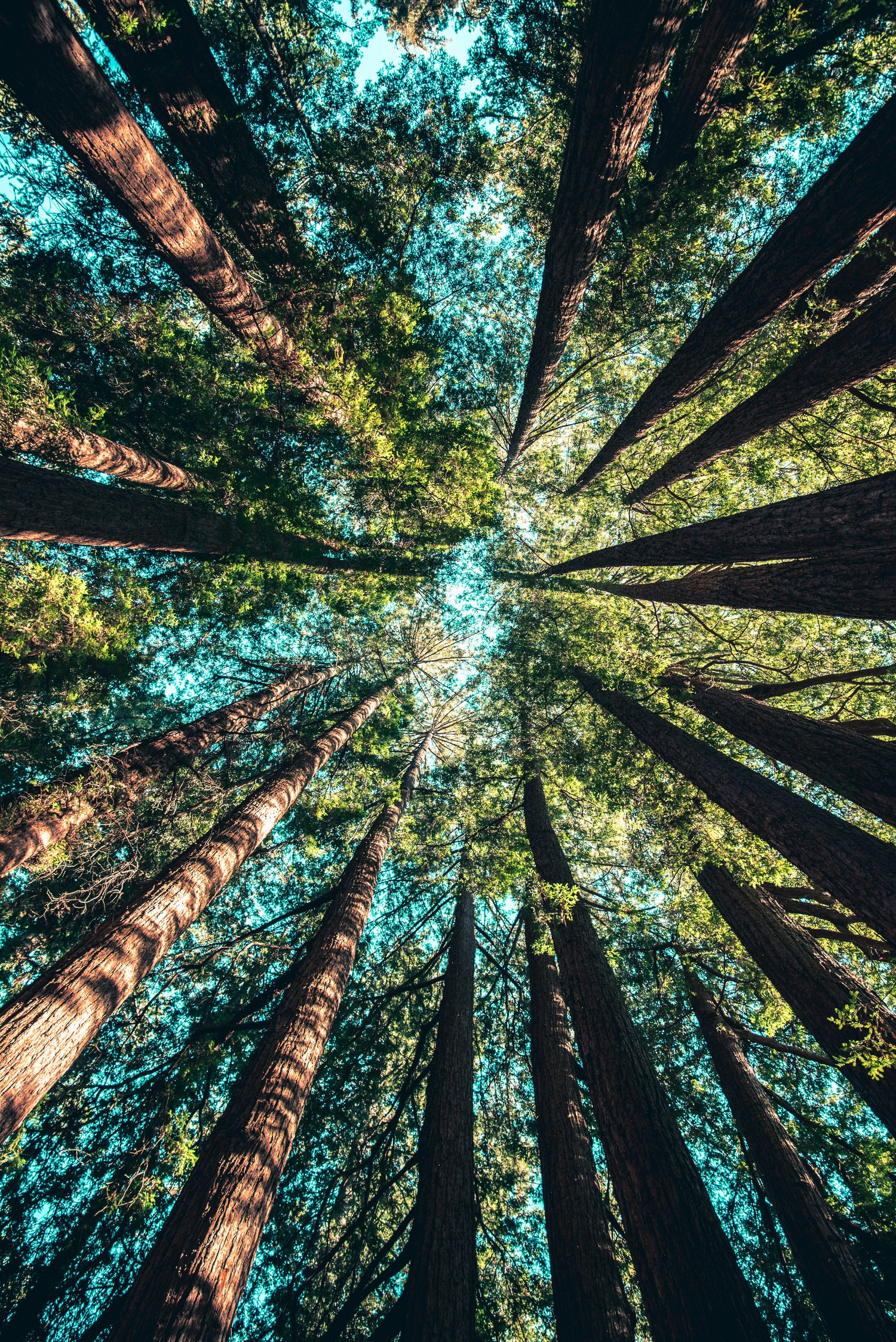
Modern life has disconnected many people from the natural world.
Most days are spent:
- Indoors
- Under artificial light
- Looking at screens
- Moving quickly from task to task
Then people wonder why they feel:
- Mentally overwhelmed
- Emotionally disconnected
- Physically exhausted
- Spiritually drained
The human body was not designed to live disconnected from nature indefinitely.
This is why practices like nature immersion and forest bathing can feel so deeply restorative. They reconnect us to an environment the nervous system naturally responds to.
Sometimes healing is not about adding more.
Sometimes it’s about returning to what the body already recognizes.
What Is Forest Bathing?
Forest bathing, known in Japan as Shinrin-yoku, is the practice of intentionally spending time in nature while fully engaging the senses.
It is not:
- Hiking for exercise
- Racing through trails
- Treating nature as a workout backdrop
It is about slowing down enough to actually experience the environment around you.
The goal is presence—not productivity.
Why Nature Has Such a Powerful Effect on the Body
The nervous system responds differently in natural environments than it does in overstimulating urban settings.
Research suggests time in nature may help:
- Lower cortisol (stress hormone)
- Reduce nervous system overload
- Improve mood
- Support focus and mental clarity
- Lower blood pressure
- Improve sleep quality
Nature helps shift the body out of chronic survival mode.
The Nervous System Needs Natural Regulation
Many people are living in a constant state of low-grade stress:
- Notifications
- Noise
- Artificial stimulation
- Mental overload
The brain rarely gets true rest.
Nature interrupts that pattern.
The sound of wind, birds, water, and rustling leaves creates a slower sensory environment that allows the nervous system to regulate naturally.
This is part of why many people feel calmer after spending time outside—even if they can’t fully explain why.
The Healing Power of Presence
Most people move through nature distracted:
- Listening to something
- Taking photos constantly
- Thinking about work
Forest bathing asks you to do the opposite.
It invites you to:
- Observe
- Breathe
- Slow down
- Feel grounded in your body again
The healing comes from awareness.
How Nature Supports Mental Health
Nature immersion can help reduce:
- Anxiety
- Mental fatigue
- Emotional overwhelm
- Rumination and overthinking
Why?
Because natural environments gently pull attention away from internal chaos and back into the present moment.
You begin noticing:
- The texture of tree bark
- The smell of the earth
- The movement of leaves
- The rhythm of your breath
This grounds the mind.
Nature & the Body Connection
Spending time outdoors also benefits the physical body.
1. Sunlight Supports Circadian Rhythm
Natural sunlight helps regulate:
- Sleep cycles
- Hormone production
- Mood
- Energy levels
Morning sunlight exposure is especially beneficial for nervous system regulation.
2. Fresh Air & Deep Breathing
Being outdoors often encourages slower, deeper breathing.
This supports:
- Oxygen flow
- Relaxation
- Mental clarity
Many people don’t realize how shallow their breathing becomes indoors and under stress.
3. Movement Becomes More Restorative
Walking in nature feels different than walking through stress-filled environments.
Nature-based movement:
- Reduces mental tension
- Improves circulation
- Supports emotional regulation
The body relaxes when it feels safe.
The Earth as a Grounding Force
There is something deeply regulating about reconnecting with natural environments.
The earth moves slowly.
Naturally.
Without urgency.
Many people have lost that rhythm.
Nature reminds the body:
You do not have to live in constant tension.
That reminder alone can be healing.
Practical Ways to Practice Nature Immersion
You do not need to live in a remote forest for this practice to benefit you.
Start where you are.
1. Take Slow, Intentional Walks
Leave distractions behind when possible.
During your walk:
- Notice sounds
- Observe colors and textures
- Pay attention to your breathing
- Walk slowly enough to actually experience your surroundings
2. Sit Quietly Outdoors
Even sitting under a tree or near water for 10–15 minutes can help calm the nervous system.
No agenda.
No productivity goal.
Just presence.
3. Practice Mindful Breathing in Nature
Try:
- Inhaling deeply through the nose
- Exhaling slowly
- Matching your breath to the rhythm of your steps or surroundings
This deepens relaxation and awareness.
4. Create a Daily Earth Connection Ritual
Simple practices matter.
Examples:
- Drinking tea outside in the morning
- Gardening
- Watching the sunrise
- Barefoot grounding on grass or soil
- Reading outdoors
Consistency matters more than complexity.
5. Observe Without Rushing
Nature teaches patience.
Spend time observing:
- Birds
- Wind patterns
- Plant life
- Seasonal changes
Slowing your attention helps calm the mind.
What Forest Bathing Teaches Us
One of the most powerful lessons nature offers is this:
Everything in nature has cycles.
Rest. Growth. Stillness. Renewal.
Humans often resist these cycles.
We try to stay productive constantly.
But the body was never designed for endless output without restoration.
Nature reminds us that slowing down is not weakness—it is part of balance.
The Spiritual Side of Nature Immersion
For many people, nature creates a sense of:
- Awe
- Humility
- Gratitude
- Connection
It becomes easier to reflect, pray, meditate, or reconnect with yourself when the noise of modern life quiets down. Nature has a way of bringing people back to what matters.
Final Reflection
Ask yourself:
- How often do I spend intentional time outdoors?
- When was the last time I slowed down enough to notice nature?
- Is my nervous system constantly overstimulated?
- What would change if I gave myself more moments of grounding and stillness?
Start there.
Closing Thought
The earth has always offered healing—most people are simply too distracted to receive it.
A quiet walk.
Fresh air.
Sunlight on your skin.
The sound of trees moving in the wind.
These are not small things.
They are reminders that your body and mind were designed to live in connection—not constant disconnection.
Sometimes the most healing thing you can do is step outside, slow down, and remember you are part of something larger than your stress.
Comments ()