

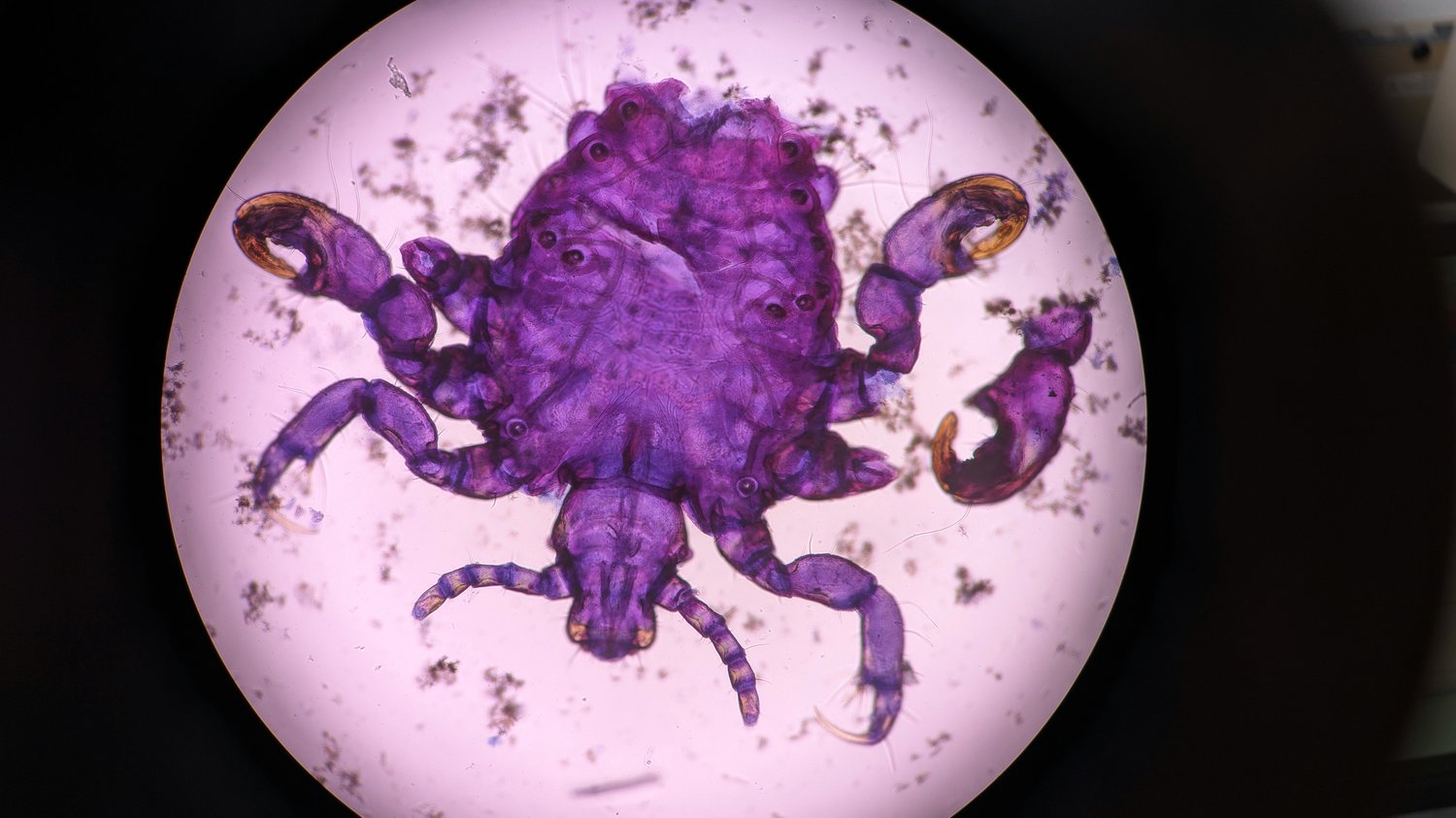
Could an overlooked gut issue be contributing to your health struggles?
Many people spend years searching for answers to symptoms that seem disconnected:
- Persistent bloating
- Unexplained fatigue
- Skin issues
- Digestive discomfort
- Intense cravings
- Brain fog
- Feeling "off" despite eating well
Often, the focus falls on hormones, stress, nutrient deficiencies, or food sensitivities.
While those can absolutely play a role, there is another possibility that is often overlooked:
Intestinal parasites.
The topic can sound alarming, but it deserves a balanced and informed discussion—especially because parasites are more common worldwide than many people realize.
What Is an Intestinal Parasitic Infection?
An Intestinal Parasitic Infection occurs when a parasite lives within the digestive tract and derives nutrients from its host.
Parasites vary widely and can range from microscopic organisms to larger intestinal worms.
Not everyone with a parasite experiences symptoms. However, when symptoms do occur, they can affect multiple systems throughout the body.
Why Parasites May Be More Common Than People Think
Many people assume parasites are only found in developing countries or extreme situations.
In reality, exposure can occur through:
- Contaminated food or water
- Improperly washed produce
- Travel
- Contact with infected animals
- Poor food handling practices
The risk varies greatly depending on location, sanitation, and lifestyle factors, but parasites are not exclusively a "somewhere else" problem.
The Connection Between Parasites and Gut Imbalance
Your digestive tract is home to a complex ecosystem of:
- Beneficial bacteria
- Digestive enzymes
- Immune cells
- Protective gut lining
When this ecosystem becomes disrupted, unwanted organisms may find it easier to thrive.
Factors that may contribute to gut imbalance include:
- Chronic stress
- Poor digestion
- Nutrient deficiencies
- Lack of dietary diversity
- Ongoing inflammation
A healthy gut environment is naturally more resilient.
Skin Issues: When the Gut Speaks Through the Skin
The skin and digestive system are closely connected.
When the gut becomes irritated or imbalanced, some people notice:
- Acne
- Rashes
- Itching
- Eczema flare-ups
- General skin inflammation
While parasites are certainly not the only cause of skin issues, chronic digestive irritation can sometimes show up externally.
This is one reason many holistic practitioners emphasize the gut-skin connection.
Fatigue That Doesn't Make Sense
One common complaint among people dealing with chronic digestive problems is exhaustion.
Potential contributing factors include:
- Poor nutrient absorption
- Increased immune activity
- Digestive stress
- Disturbed sleep
When the body struggles to absorb nutrients efficiently, energy production can suffer.
The result may be fatigue that persists even after adequate rest.
Cravings and Appetite Changes
Some individuals with digestive imbalances report:
- Increased sugar cravings
- Frequent hunger
- Difficulty feeling satisfied after meals
Cravings can arise from many causes, including blood sugar fluctuations, nutrient deficiencies, stress, and poor sleep.
When gut health is compromised, appetite regulation may become more difficult.
Bloating: One of the Most Common Complaints
Bloating is often one of the first symptoms people notice.
Possible reasons include:
- Fermentation of food in the gut
- Digestive inefficiency
- Microbial imbalance
- Inflammation
The result is:
- Gas
- Pressure
- Abdominal distention
- Discomfort after meals
Again, parasites are only one possible contributor among many, but they are sometimes overlooked during the investigation of chronic digestive issues.
Herbs Traditionally Used to Support Digestive Wellness
For centuries, herbal traditions around the world have included plants that support digestive health and help maintain a healthy intestinal environment.
Some commonly used herbs include:
🌿 Wormwood (Artemisia absinthium)
Traditionally used to:
- Support digestion
- Stimulate digestive secretions
- Promote a healthy gut environment
Its intense bitterness is one reason it has been valued in traditional herbal systems.
🌿 Black Walnut Hull
Traditionally used in wellness practices to support:
- Digestive health
- Healthy microbial balance
- General gut cleansing protocols
🌿 Clove
Cloves contain aromatic compounds that have long been used in traditional herbal preparations.
They are often paired with other digestive-supportive herbs.
🌿 Garlic
Garlic has a long history of traditional use for:
- Immune support
- Digestive health
- Maintaining microbial balance
Additionally, it may support cardiovascular health and overall wellness.
🌿 Ginger
Unlike stronger cleansing herbs, ginger primarily supports:
- Digestive comfort
- Healthy motility
- Reduction of occasional nausea
- Digestive circulation
🌿 Peppermint
Peppermint is often used to:
- Soothe digestive discomfort
- Reduce occasional gas
- Support healthy digestive flow
A Word of Caution About Parasite Cleanses
The internet is filled with aggressive parasite cleanse protocols.
Some involve:
- Excessive fasting
- Extremely high herbal doses
- Restrictive diets
More is not always better.
If you suspect a parasite infection, it's important to seek appropriate medical evaluation and testing. Many symptoms attributed to parasites can also result from:
- Food intolerances
- Gut dysbiosis
- Nutrient deficiencies
- Digestive disorders
- Hormonal imbalances
Proper diagnosis matters.
Building a Gut Environment That Supports Wellness
Whether parasites are present or not, many of the same foundational practices support digestive health:
🌿 Focus on Whole Foods
Prioritize:
- Vegetables
- Fruits
- Quality proteins
- Healthy fats
🌿 Support Digestion
- Chew thoroughly
- Eat slowly
- Avoid constant snacking
🌿 Support Gut Motility
Healthy elimination helps prevent stagnation.
Daily movement, hydration, and adequate fiber intake can all help.
🌿 Manage Stress
Your nervous system directly affects:
- Digestion
- Stomach acid production
- Enzyme output
- Gut motility
A calm body digests more effectively.
Final Reflection
Sometimes unexplained symptoms are exactly that—complex and multifactorial.
But when skin issues, fatigue, cravings, bloating, and digestive discomfort continue despite your best efforts, it may be worth considering the health of your gut ecosystem as a whole.
The goal is not to become fearful of parasites.
The goal is to understand that true digestive wellness involves more than symptom management. It involves creating an internal environment that supports balance, resilience, and proper digestive function.
Because often the path to better health begins by looking deeper than the symptoms—and listening to what the gut may be trying to tell you. 🌿
Ready to Go Deeper?
If you're ready to move beyond guesswork and learn how digestion, gut balance, herbs, nutrition, lifestyle habits, and the nervous system work together, the Holistify Me Optimizing Digestive Health Program was created for you:
💁🏻♀️✨Optimizing Digestive Health Program - Payhip
Inside, you'll learn practical, holistic strategies to support:
✅ Digestive function
✅ Healthy elimination
✅ Gut resilience
✅ Nutrient absorption
✅ Natural wellness from the inside out
Because lasting digestive health isn't built on quick fixes—it's built on understanding your body and supporting it consistently.
Your healing journey starts with knowledge, and your gut may be the place where everything begins. 🌿💫
Comments ()