

In today’s fast-paced world, stress has become so common that many people assume feeling overwhelmed, anxious, or mentally exhausted is simply part of life. While occasional stress is normal, living in a constant state of “fight or flight” can negatively impact nearly every system in the body.
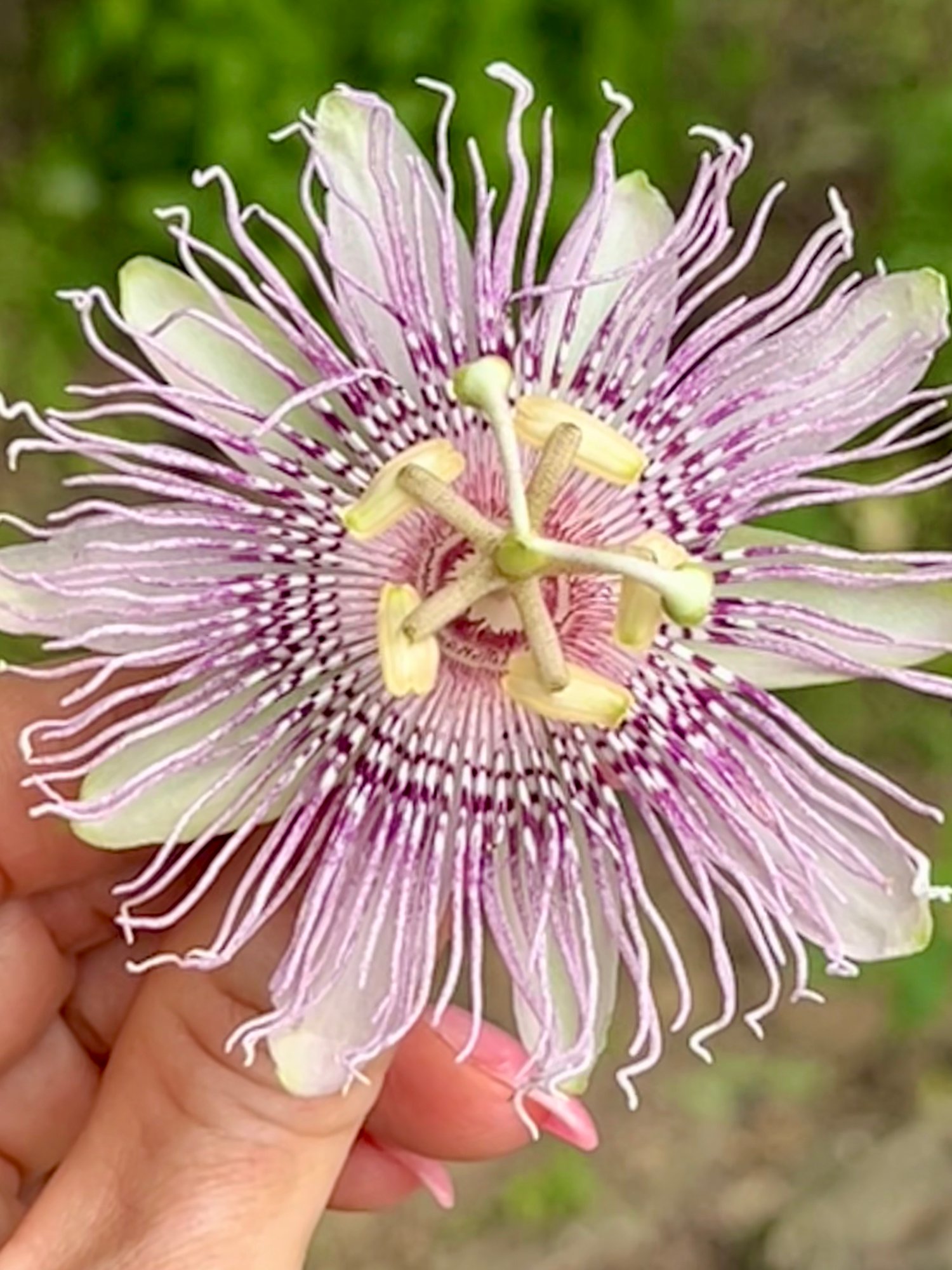
One of nature’s most beloved herbs for supporting a healthy nervous system is passionflower (Passiflora incarnata). Despite its exotic beauty, this climbing vine has been used for centuries as a gentle herbal ally for calming the mind, promoting restful sleep, and helping the body cope with everyday stress.
Let’s explore why passionflower has earned its reputation as one of herbal medicine’s most trusted nervines.
What Is Passionflower?
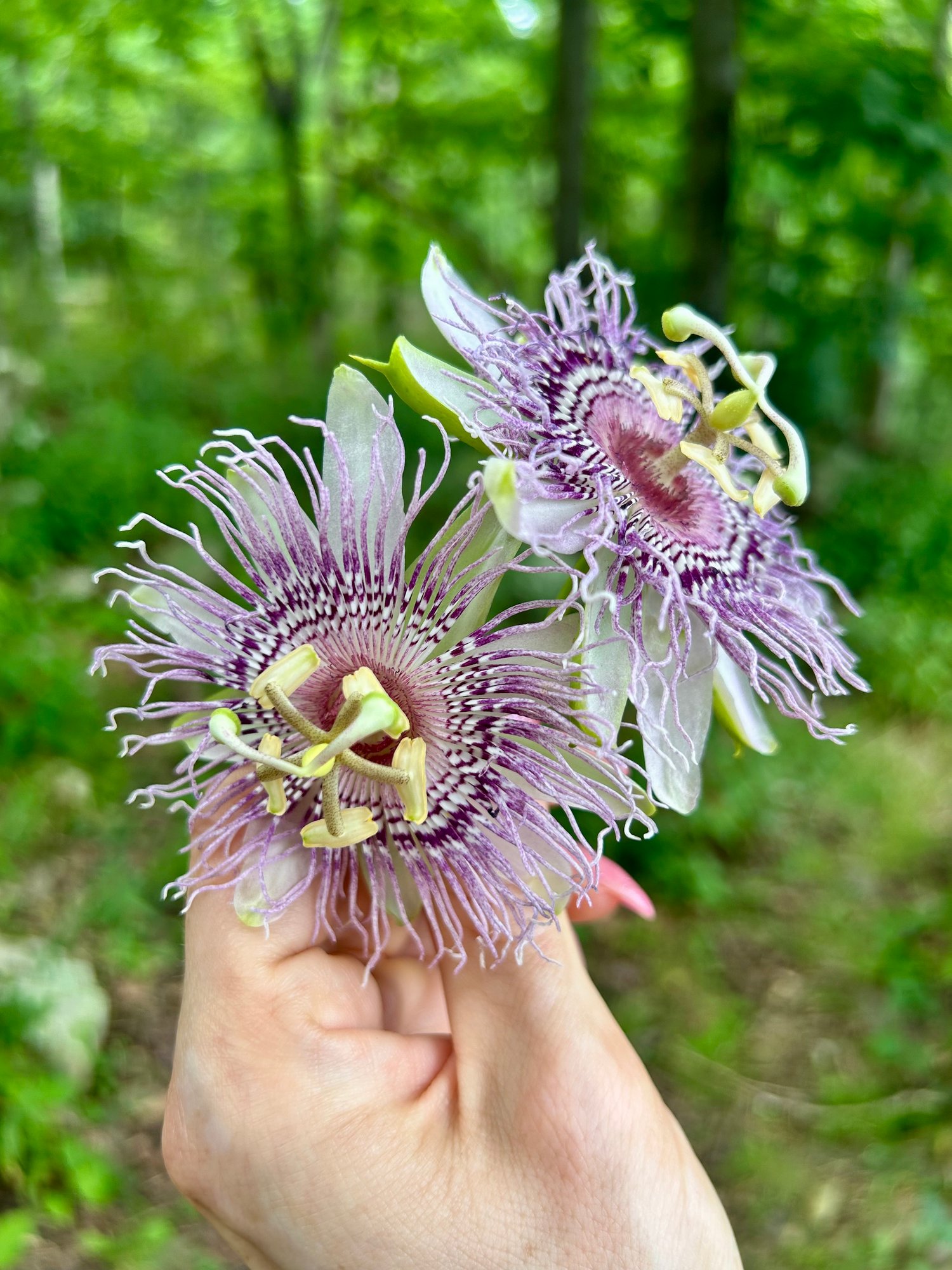
Passionflower is a flowering vine native to the southeastern United States, Central America, and parts of South America. Its striking purple and white blooms are not only beautiful—they’re also rich in naturally occurring plant compounds that have been studied for their calming effects on the nervous system.
The aerial parts of the plant (leaves, stems, and flowers) are most commonly used in herbal teas, tinctures, capsules, and extracts.
Why Is It Called “Passionflower”?
Despite what many people assume, passionflower isn’t named after romantic love or passion. Its name actually comes from the Passion of Yahusha (Jesus Christ)—the events surrounding His suffering, crucifixion, and resurrection.
When Spanish missionaries arrived in the Americas during the 16th century, they encountered this extraordinary flower and saw striking symbolism within its intricate structure. They began using the flower as a visual tool to teach the story of Christ’s sacrifice.
Different parts of the flower were believed to represent various aspects of the crucifixion:
- The ten petals and sepals symbolized the ten faithful apostles (excluding Judas Iscariot, who betrayed Yahusha, and Peter, who denied Him three times before later being restored).
- The ring of delicate purple and white filaments (the corona) represented the Crown of Thorns placed on Yahusha’s head.
- The five stamens symbolized the five wounds Christ received during the crucifixion—His hands, His feet, and His side.
- The three stigmas represented the three nails used in the crucifixion.
- The tendrils of the vine were seen as the whips used during His scourging.
- The pointed leaves were said to resemble the spear that pierced His side.
- Some traditions even viewed the vine itself as a reminder of the cords used to bind Him.
Because of these powerful biblical associations, the missionaries named it “Passionflower,” referring not to human passion, but to the Passion of Christ.
Whether viewed through the lens of faith, history, or botany, passionflower remains one of God’s most remarkable creations—a plant admired not only for its calming properties but also for the profound story its unique design has inspired for centuries.
“By His wounds we are healed.” — Isaiah 53:5
What Makes Passionflower So Effective?
Passionflower contains several beneficial plant compounds, including:
- Flavonoids
- Alkaloids
- Glycosides
- Antioxidants
Researchers believe these compounds help increase the activity of GABA (gamma-aminobutyric acid)—one of the brain’s primary calming neurotransmitters.
Think of GABA as your body’s natural “brake pedal.” When GABA activity is healthy, your brain can slow racing thoughts, reduce nervous tension, and promote relaxation.
Health Benefits of Passionflower
1. Supports a Healthy Response to Stress
Passionflower is classified as a nervine, meaning it nourishes and supports the nervous system.
Unlike herbs that simply sedate the body, passionflower encourages a sense of calm while often allowing mental clarity to remain intact.
Many people enjoy it during:
- Busy workdays
- Emotional stress
- Overstimulation
- High-pressure situations
- Evening wind-down routines
2. May Help Ease Mild Anxiety
Several clinical studies have found that passionflower may help reduce symptoms of mild anxiety.
Rather than “knocking you out,” many people describe the herb as helping them feel:
- Less overwhelmed
- More emotionally balanced
- Mentally quieter
- Better able to relax
While it isn’t a replacement for professional treatment of anxiety disorders, it can be a valuable addition to an overall wellness routine for some individuals.
3. Promotes Restful Sleep
If your body feels tired but your mind won’t stop racing, passionflower may help.
Many people use passionflower before bed to:
- Quiet racing thoughts
- Fall asleep more easily
- Improve sleep quality
- Encourage deeper relaxation
It is often combined with herbs such as:
- Chamomile
- Lemon balm
- Lavender
- Valerian root
for additional nighttime support.
4. Supports Nervous System Health
Long-term stress can leave the nervous system feeling depleted.
Traditional herbalists often recommend passionflower for individuals who experience:
- Nervous tension
- Mental exhaustion
- Emotional burnout
- Restlessness
- Difficulty unwinding
Its gentle nature makes it one of the more approachable herbs for supporting everyday nervous system wellness.
5. May Help Reduce Muscle Tension
Stress doesn’t only affect the mind—it often shows up physically.
Many people carry tension in their:
- Neck
- Shoulders
- Jaw
- Upper back
Because passionflower encourages relaxation throughout the nervous system, some individuals notice less muscle tightness and an overall feeling of physical ease.
6. Rich in Antioxidants
Passionflower naturally contains antioxidants that help protect cells from oxidative stress caused by free radicals.
Antioxidants play an important role in supporting:
- Healthy aging
- Immune function
- Cardiovascular health
- Overall cellular wellness
7. May Support Healthy Blood Pressure During Stress
Stress can temporarily elevate blood pressure.
By encouraging relaxation, passionflower may help support healthy cardiovascular function during periods of emotional stress.
However, it should never replace medications prescribed for high blood pressure.
8. May Help Ease Menopausal Symptoms
Some women find passionflower helpful during perimenopause and menopause because it may help reduce:
- Irritability
- Mood fluctuations
- Trouble sleeping
- Nervousness
- Restlessness
While more research is needed, its calming effects may provide gentle support during hormonal transitions.
Traditional Uses of Passionflower
Historically, passionflower has been used to support:
- Restlessness
- Nervousness
- Occasional insomnia
- Emotional tension
- Digestive upset related to stress
- Headaches associated with muscle tension
Traditional herbal wisdom viewed passionflower as an herb that helped restore balance between the mind and body.
How to Use Passionflower
Passionflower is available in several forms:
Herbal Tea
One of the gentlest ways to enjoy the herb.
Steep:
- 1–2 teaspoons dried passionflower
- In 8 ounces of hot water
- For 10–15 minutes
The flavor is mild, grassy, and slightly earthy.
Tincture
A concentrated liquid extract that absorbs quickly.
Often used when someone wants convenient daily support.
Capsules
Ideal for those who don’t enjoy herbal tea.
Herbal Blends
Passionflower pairs beautifully with:
- Chamomile
- Lemon balm
- Lavender
- Skullcap
- Oatstraw
- Holy basil (Tulsi)
Together, these herbs create calming blends that support both relaxation and nervous system resilience.
Is Passionflower Safe?
For most healthy adults, passionflower is generally well tolerated when used appropriately.
However, because it promotes relaxation, it may cause:
- Drowsiness
- Sleepiness
- Reduced alertness
Use caution before driving or operating machinery until you know how it affects you.
Pregnant or breastfeeding individuals should speak with a qualified healthcare provider before using passionflower, as safety has not been well established.
Passionflower may also interact with certain medications, including sedatives, sleep aids, anti-anxiety medications, and some antidepressants. If you take prescription medications or have an underlying medical condition, consult your healthcare provider before adding herbal supplements.
The Holistic Perspective
Stress affects far more than our emotions—it can influence digestion, sleep, immune function, hormone balance, energy levels, and overall quality of life.
Passionflower reminds us that true wellness isn’t just about doing more; sometimes it’s about allowing the body to slow down, reset, and restore.
When paired with nourishing foods, regular movement, quality sleep, deep breathing, prayer or meditation, and healthy daily habits, passionflower can become a valuable part of a holistic wellness routine.
Nature often provides gentle support when we learn to work with it instead of against it.
Final Thoughts
Passionflower is much more than a beautiful flower. It is one of herbal medicine’s classic nervines, offering gentle support for stress management, relaxation, sleep, and nervous system health.
While it isn’t a cure-all, it serves as a wonderful reminder that caring for the mind is just as important as caring for the body. Small daily habits—including a calming cup of herbal tea—can make a meaningful difference in how we feel over time.
🌿 Holistify Me Tip
If you’ve been feeling overwhelmed, mentally exhausted, or simply need help winding down after a long day, consider incorporating calming herbal teas into your evening routine.
At Holistify Me, we believe wellness starts with simple, intentional habits that nourish the mind, body, and soul. Whether you’re exploring herbs for the first time or looking to deepen your wellness journey, remember that consistency—not perfection—is what creates lasting change.
Comments ()