

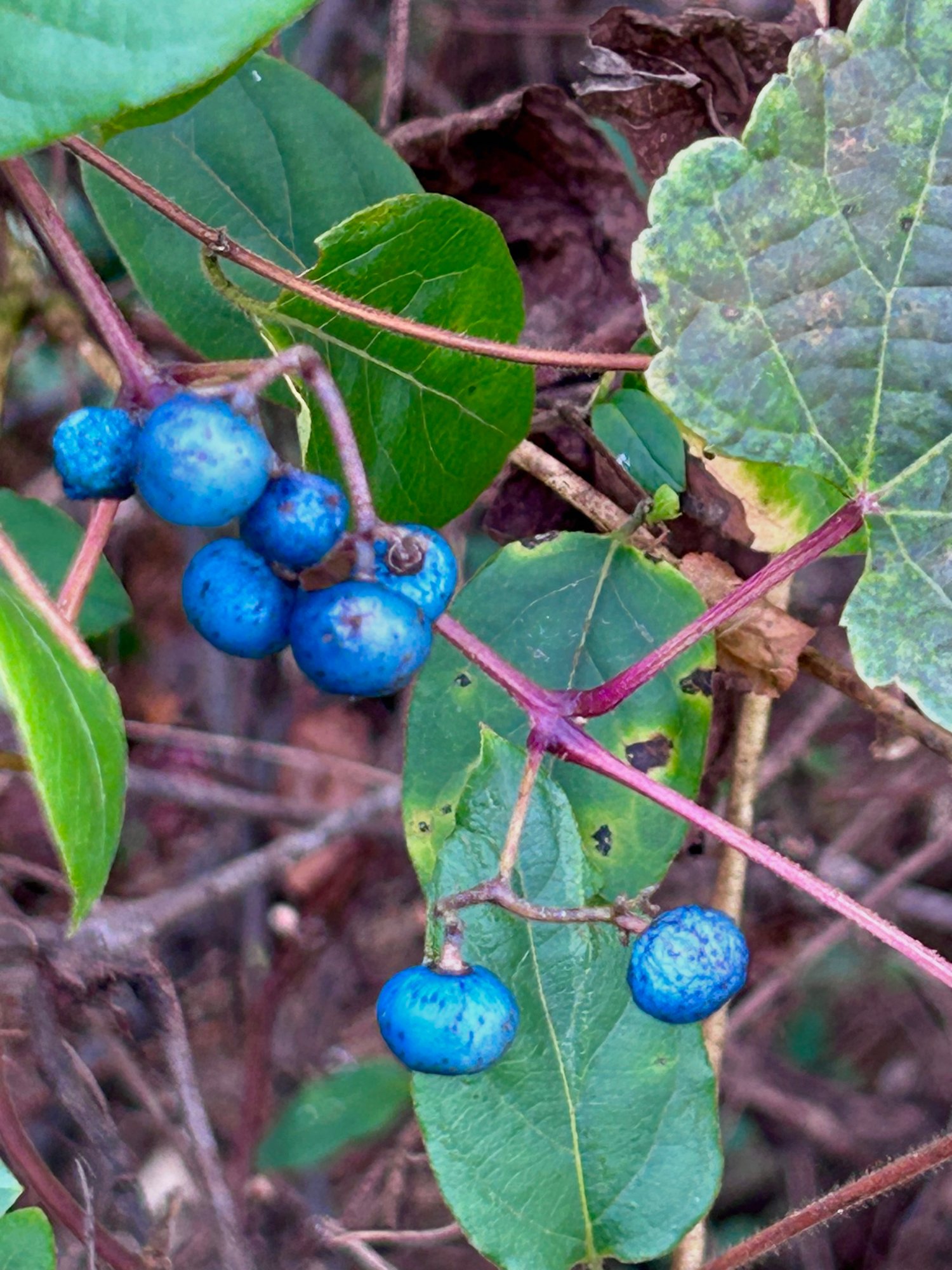
Nature has an extraordinary way of capturing our attention. With its vibrant turquoise berries, delicate speckling and grape-like foliage, porcelain berry looks almost too beautiful to be real. Its jewel-toned fruit resembles miniature pieces of painted porcelain scattered throughout the woodland. But beyond its captivating appearance lies a complicated story involving traditional herbal medicine, potential therapeutic compounds and environmental consequences.
What Is Porcelain Berry?
Porcelain berry (Ampelopsis glandulosa var. brevipedunculata), formerly known as Ampelopsis brevipedunculata, is a deciduous, woody climbing vine belonging to the grape family, Vitaceae.
Native to Eastern Asia, it was introduced to the United States during the 19th century as an ornamental plant. Unfortunately, its aggressive growth eventually made it an invasive species throughout much of the eastern United States.
Botanical profile:
- Common names: Porcelain berry, porcelain vine and Amur peppervine
- Plant family: Vitaceae
- Plant type: Perennial climbing vine
- Native region: Eastern Asia
- Habitat: Woodland edges, streambanks, roadsides and disturbed areas
- Fruiting season: Late summer through fall
- Berry colors: Green, pink, lavender, purple, turquoise and blue
- Edibility: Not recommended for human consumption
- Ecological status: Invasive in many parts of the United States
How to Identify Porcelain Berry
Porcelain berry possesses several distinctive characteristics that make it particularly interesting to plant enthusiasts and foragers.
- Berries: Small, rounded, speckled fruits that develop into several different colors as they mature.
- Leaves: Alternately arranged, toothed leaves that may be heart-shaped or deeply lobed.
- Stems: Young stems may have a reddish or purplish appearance.
- Tendrils: Climbing structures that allow the vine to attach itself to surrounding vegetation.
- Growth habit: Rapidly spreading and capable of climbing 15–20 feet or more.
- Stem interior: White pith, which can help distinguish it from many native grapevines.
Why Are Porcelain Berries So Blue?
The remarkable coloration of porcelain berries is associated with naturally occurring plant pigments called anthocyanins, interactions with flavonols and variations in pH. Anthocyanins are also responsible for many of the beautiful red, purple and blue colors found in nature, including those of blueberries, blackberries and purple cabbage. Interestingly, porcelain berries can display multiple colors within a single cluster, creating an almost artificial appearance. However, the presence of beneficial plant pigments does not automatically make a plant safe or suitable for consumption.
Traditional Medicinal Uses of Porcelain Berry
Despite its reputation as an invasive plant in North America, porcelain berry has a history of use in traditional East Asian herbal medicine. Preparations derived from different parts of the plant have historically been used for inflammatory conditions and liver-related ailments.
The roots and underground stems, known as rhizomes, have been of particular interest in modern botanical research. Researchers have identified several potentially bioactive compounds within the plant, including:
- Resveratrol
- Kaempferol
- Vanillic acid
- Betulin
- Ethyl gallate
- Beta-amyrin
- Catechins
These compounds are of scientific interest because of their potential biological activities. Their presence, however, does not establish the safety or effectiveness of consuming the plant.
Potential Health Benefits of Porcelain Berry
Although porcelain berry has demonstrated interesting medicinal properties in preliminary research, most studies have involved isolated compounds, concentrated extracts, laboratory cells or animals rather than human clinical trials.
1. Antioxidant Properties
Research has demonstrated antioxidant activity in porcelain berry extracts. Antioxidants help counteract oxidative stress, a biological process associated with cellular damage, premature aging and various chronic health conditions.
Laboratory studies suggest that porcelain berry contains compounds capable of interacting with free radicals and reducing certain markers of oxidative damage. However, these findings do not establish that eating the berries provides antioxidant benefits in humans.
2. Potential Anti-Inflammatory Properties
Inflammation is an essential part of the body's natural defense system. When inflammation becomes chronic or dysregulated, however, it can contribute to numerous health concerns. Researchers have investigated porcelain berry extracts for their potential ability to influence inflammatory signaling pathways, including:
- NF-κB
- JAK/STAT3
- COX-2
- JNK
These pathways participate in regulating inflammatory responses throughout the body. The findings offer some scientific context for the plant's traditional medicinal use, although human therapeutic benefits remain unconfirmed.
3. Potential Liver-Protective Properties
Porcelain berry has historically been used in Asian folk medicine for liver-related conditions. Preclinical research has investigated whether extracts may help protect liver cells against chemically induced injury and oxidative damage.
Although these findings are interesting, they do not establish porcelain berry as a safe liver remedy, detoxification agent or treatment for liver disease in humans.
4. Potential Skin Health Applications
One particularly interesting area of research involves the plant's potential effects on inflammatory skin conditions.
Studies involving porcelain berry extracts have examined their effects on:
- Atopic dermatitis-like inflammation
- Inflammatory responses in skin cells
- Immune signaling associated with skin irritation
A 2019 study investigated the effects of an ethanol extract derived from porcelain berry rhizomes on atopic dermatitis-like skin inflammation. Additional research published in 2023 examined similar effects in cultured skin cells and mice.
While these findings are promising from a botanical research perspective, they do not support using homemade porcelain berry skincare preparations.
5. Potential Bone Health Applications
Research has also explored porcelain berry's influence on osteoclastogenesis, the process through which bone-resorbing cells develop. Osteoclasts are responsible for breaking down bone tissue as part of the body's natural bone remodeling process. Excessive osteoclast activity can contribute to bone loss. A 2014 preclinical study found that porcelain berry extract inhibited osteoclast formation and reduced bone loss in experimental models.
Further research is necessary to determine whether these findings have meaningful applications for human bone health.
6. Potential Effects on Allergic Responses
A 2024 study investigated porcelain berry rhizome extract for its effects on mast cell activation.
Mast cells are immune cells involved in allergic reactions and the release of inflammatory substances, including histamine. Researchers observed inhibitory effects in experimental models of allergic responses. However, porcelain berry should not be used as a substitute for antihistamines, epinephrine or other established allergy treatments.
PubMed
What Does the Scientific Evidence Actually Support?
While porcelain berry contains several biologically active compounds with potential therapeutic properties, it is important to distinguish preliminary scientific findings from proven human health benefits.
Antioxidant Activity
Laboratory studies suggest that porcelain berry extracts possess antioxidant properties that may help counteract oxidative stress and cellular damage.
Anti-Inflammatory Activity
Preclinical studies indicate that certain compounds within the plant may influence inflammatory signaling pathways and regulate inflammatory responses.
Liver Protection
Preclinical research suggests potential liver-protective properties against oxidative stress and chemically induced cellular damage. However, these effects have not been adequately established in humans.
Skin Inflammation Regulation
Cell and animal studies have explored the potential of porcelain berry extracts to reduce inflammatory responses associated with skin conditions, including atopic dermatitis.
Bone Loss Prevention
Cell and animal studies suggest that porcelain berry extracts may inhibit excessive bone-resorbing cell activity, potentially offering applications for future bone health research.
Allergic Response Regulation
Preclinical studies have investigated the plant's potential ability to regulate mast cell activation and inflammatory responses associated with allergic reactions.
Human Medicinal Benefits
There is currently insufficient human clinical evidence to establish porcelain berry as a safe or effective therapeutic remedy.
Safe Therapeutic Dosage
No scientifically established safe therapeutic dosage exists for human consumption or self-directed medicinal use. Potential side effects, contraindications and medication interactions remain insufficiently understood.
Understanding the Limitations of Herbal Research
Although these preliminary findings are scientifically interesting, results obtained from isolated compounds, concentrated extracts, laboratory cells and animal studies do not necessarily translate into the same benefits in humans. The distinction between medicinal potential and proven medicinal effectiveness is essential in responsible herbalism.
A plant's ability to demonstrate therapeutic activity in a laboratory does not automatically make it safe, effective or suitable for human consumption.
Is this conversation helpful so far?
Are Porcelain Berries Edible?
Despite their resemblance to blueberries and wild grapes, porcelain berries should not be considered a safe wild edible. North Carolina State University Extension classifies the fruit as nonedible. Furthermore, there is insufficient clinical evidence establishing safe consumption levels, potential drug interactions or long-term effects.
The plant is not recommended for homemade herbal preparations, including teas, tinctures, syrups, powders, juices or topical remedies. It is also important to remember that birds and other wildlife can safely consume certain plants that humans cannot.
Porcelain Berry vs. Wild Grapes: How to Tell the Difference
Because porcelain berry belongs to the grape family (Vitaceae), it shares several physical characteristics with wild grapes. Both are climbing vines with similar foliage and clusters of round fruit. However, there are important differences that foragers and herbal enthusiasts should recognize.
Porcelain Berry (Ampelopsis)
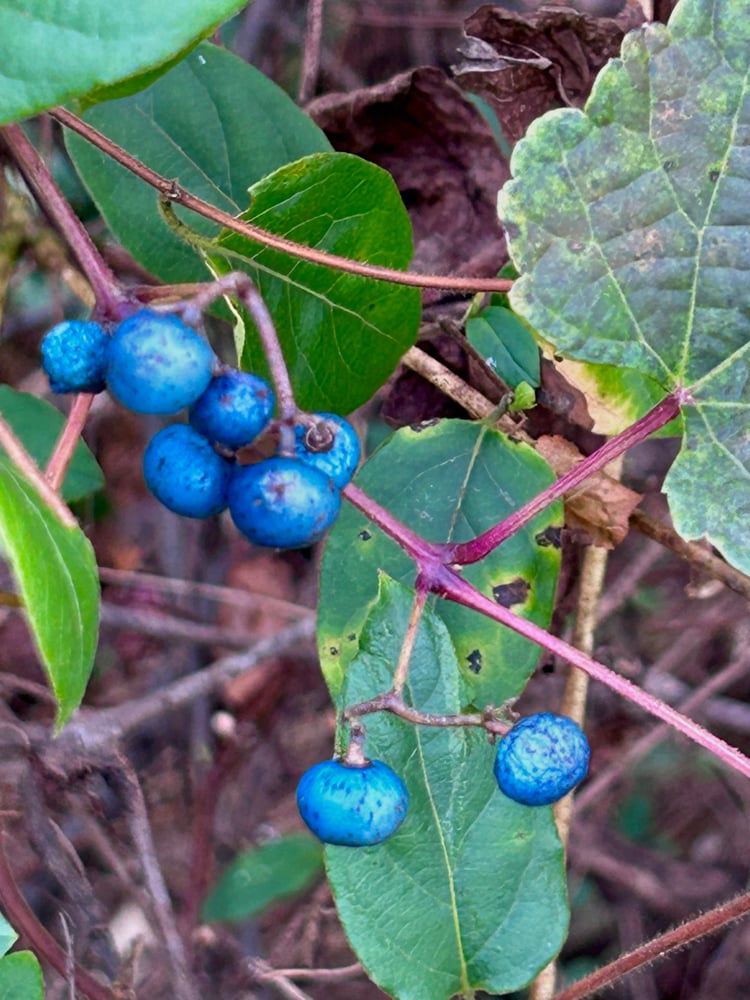
- Berry Color: Green, pink, lavender, turquoise, purple and bright blue, often displaying multiple colors within the same cluster.
- Berry Appearance: Frequently speckled with small, dark spots and a porcelain-like finish.
- Leaves: Heart-shaped or deeply lobed with toothed edges.
- Stems: Young stems may appear reddish or purplish.
- Stem Pith: White interior.
- Growth Habit: Aggressive climbing vine that can smother surrounding vegetation.
- Edibility: Not recommended for human consumption.
- Medicinal Properties: Potential therapeutic properties identified in preliminary research, but human safety and effectiveness remain insufficiently established.
- Ecological Status: Invasive throughout many parts of the eastern United States.
Wild Grapes (Vitis)
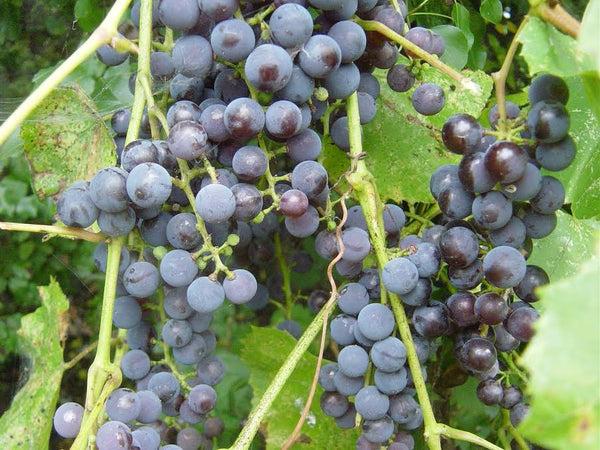
- Berry Color: Typically dark purple, blue-black or reddish-purple when ripe, depending on the species.
- Berry Appearance: Generally smooth, often with a powdery, wax-like coating.
- Leaves: Broad, heart-shaped or lobed with toothed edges.
- Stems: Woody vines that may develop peeling or shredding bark as they mature.
- Stem Pith: Typically brown.
- Growth Habit: Climbing vine that uses tendrils to attach to surrounding vegetation.
- Edibility: Many properly identified species produce edible fruit.
- Health Benefits: Edible wild grapes contain antioxidants, polyphenols and naturally occurring nutrients that may support cardiovascular and cellular health.
- Ecological Status: Many species are native to North America and provide valuable food and habitat for wildlife.
Why Proper Identification Matters
Although porcelain berries and wild grapes share similar botanical characteristics, they should never be used interchangeably in food or herbal preparations. The vibrant, speckled, multicolored appearance of porcelain berries is one of their most distinctive features. However, berry color alone is not sufficient to establish a plant's identity or safety. Always examine multiple botanical characteristics, including leaf structure, stem anatomy, fruit appearance and growth patterns, before considering any wild plant for consumption.
Remember: A plant's beauty, resemblance to an edible species or potential medicinal properties does not guarantee its safety. Responsible foraging begins with accurate identification, education and respect for nature.
The Environmental Impact of Porcelain Berry
Despite its beauty, porcelain berry poses a significant threat to native ecosystems.
Its rapid growth allows it to climb over trees, shrubs and other vegetation, forming dense coverings that restrict sunlight and compete for essential resources.
Porcelain berry can:
- Smother native vegetation.
- Reduce woodland biodiversity.
- Interfere with young tree development.
- Compete with native plants for water and nutrients.
- Spread rapidly through seeds dispersed by wildlife.
- Disrupt the natural balance of local ecosystems.
Its ability to thrive in disturbed environments makes it particularly problematic along hiking trails, forest edges and waterways. For this reason, planting, propagating or transporting viable porcelain berry seeds is discouraged.
What Porcelain Berry Teaches Us About Herbalism
Porcelain berry offers an important lesson in holistic health and botanical medicine: not every medicinal plant is an edible plant, and not every biologically active compound translates into a safe therapeutic remedy.
Responsible herbalism requires an understanding of:
- Accurate botanical identification
- Plant chemistry
- Toxicology
- Proper preparation methods
- Therapeutic dosage
- Scientific evidence
- Environmental sustainability
A plant can possess antioxidant and anti-inflammatory compounds while still being unsuitable for personal medicinal use. Likewise, centuries of traditional use can provide valuable direction for scientific research without guaranteeing safety or effectiveness.
Final Thoughts
Porcelain berry is a remarkable example of nature's complexity. Its extraordinary colors conceal a plant with a history of traditional medicinal use, intriguing phytochemical properties and significant ecological consequences.
While scientific research continues to explore its potential applications in inflammation, oxidative stress, skin health and other areas, much remains unknown about its safety and effectiveness in humans.
Sometimes, the greatest value a plant offers us is not something we can harvest or consume, but something we can learn.
Holistic wellness is not simply about using what nature provides. It is about developing the knowledge, discernment and respect necessary to interact with nature responsibly.
Educational disclaimer: This article is intended for botanical and educational purposes only. The plant identification is based on photographic characteristics and has not been independently confirmed in person. Porcelain berry is not recommended for consumption or self-directed medicinal use.
Scientific references and further reading
- University of Maryland Extension — Porcelainberry
- North Carolina State University — Porcelain Berry Botanical Profile
- Antioxidant Activity of Porcelainberry
- Porcelain Berry Extract and Atopic Dermatitis-Like Skin Inflammation
- Porcelain Berry Extract and Bone Loss
- Porcelain Berry Rhizome Extract and Mast Cell Activation
Comments ()