

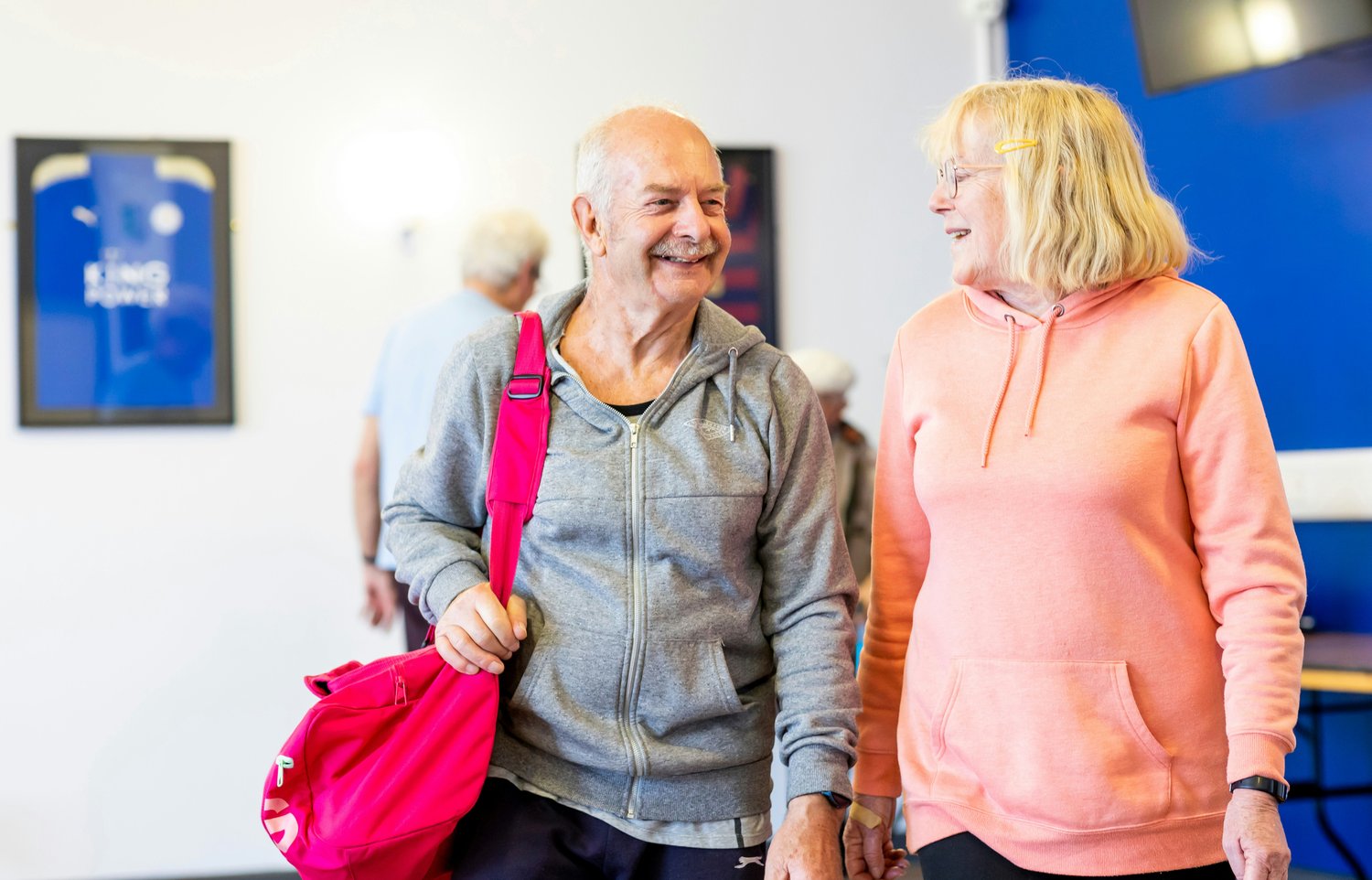
Why Preserving Muscle Is Essential for Independence, Metabolic Health, and Longevity
When most people think about aging, they imagine wrinkles, gray hair, and changes in physical appearance. But one of the most significant changes associated with aging happens beneath the surface, often long before we notice its effects. We're talking about the gradual loss of skeletal muscle.
Muscle is much more than something that gives our bodies shape or allows us to lift weights at the gym. It plays an essential role in movement, metabolism, blood sugar regulation, balance, bone health, and our ability to remain physically independent as we grow older. Yet many people don't begin thinking seriously about preserving muscle until everyday activities become noticeably more difficult.
Getting up from a chair. Carrying groceries. Climbing stairs. Maintaining balance. Recovering from illness. These are everyday abilities we often take for granted, but they depend heavily on muscular strength and function.
The age-related deterioration of muscle mass, strength, and physical performance is associated with a condition known as sarcopenia.
At Holistify Me, we believe healthy aging isn't simply about adding more years to life. It's about protecting the strength, mobility, and independence that allow us to enjoy those years. Understanding sarcopenia is an important step toward making that possible.
What Is Sarcopenia?
Sarcopenia is a progressive skeletal muscle disorder characterized primarily by reduced muscle strength, often accompanied by decreased muscle quantity or quality and impaired physical performance. The term comes from Greek words meaning flesh and loss.
Although some degree of muscle change is common with aging, sarcopenia is more than simply having smaller muscles. It is a clinically important condition associated with increased risks of falls, fractures, physical disability, hospitalization, and mortality.
Modern clinical frameworks emphasize muscle strength, not just muscle size, because strength is particularly important for predicting how well someone can function in everyday life. A person may appear relatively healthy, maintain a normal body weight, and still experience declining muscle function. This is one reason sarcopenia can develop without attracting much attention.
When Does Muscle Loss Begin?
Age-related changes in muscle can begin during early or middle adulthood, although the timing and rate vary considerably. Muscle mass and strength often decline more noticeably after approximately age 50, with losses potentially accelerating in later decades. However, aging itself isn't the only factor.
Muscle loss can also be influenced by:
- Physical inactivity and prolonged sitting
- Inadequate protein or overall calorie intake
- Chronic illness and inflammation
- Hormonal changes
- Poor sleep
- Extended bed rest or hospitalization
- Certain medications
- Neurological conditions
Not everyone loses muscle at the same rate, and substantial decline is not inevitable. A physically active older adult who consistently strength trains may retain considerably more muscle function than a much younger person who lives a sedentary lifestyle.
Your chronological age matters, but your daily habits strongly influence how your muscles age.
Why Muscle Is So Important for Longevity
Muscle is often discussed in terms of appearance, athletic performance, or weight management. But skeletal muscle is also a major organ system with important metabolic and physiological functions. Preserving it supports several foundations of healthy aging.
1. Muscle Protects Your Physical Independence
Imagine being 75 or 85 years old and still being able to climb stairs, carry your groceries, enjoy nature walks, travel, and get up from the floor without assistance. Those abilities require adequate strength, balance, and coordination.
As muscle strength declines, routine movements can become more demanding. Eventually, tasks that once required little thought may require assistance. This can contribute to a loss of independence and reduced quality of life.
Strength training helps preserve the physical capacity needed to perform everyday activities. The goal isn't necessarily to become a competitive athlete. It's to remain capable of living life on your own terms.
2. Muscle Helps Regulate Blood Sugar
Skeletal muscle is one of the body's major sites for glucose uptake and storage. After consuming carbohydrates, glucose enters the bloodstream. Insulin helps transport that glucose into tissues, including muscle, where it can be used for energy or stored as glycogen.
Muscle contractions during physical activity also stimulate glucose uptake through pathways that do not depend entirely on insulin. This means regular movement and resistance training can improve glucose regulation and insulin sensitivity.
Maintaining healthy muscle function is therefore an important part of supporting metabolic health and reducing the risk of conditions such as type 2 diabetes.
3. Muscle Supports Bone Health
Muscles and bones work together. When muscles contract against resistance, they place mechanical forces on bones. Appropriate loading helps stimulate the processes involved in maintaining bone strength. This becomes especially important with age, when osteoporosis and fracture risk become greater concerns.
Resistance training can help support both muscular strength and bone health, although the specific benefits depend on exercise selection, intensity, and individual circumstances. Strong muscles also help stabilize joints and improve movement control.
Protecting your muscles is one way to help protect the structures that support your entire body.
4. Muscle Helps Reduce Fall Risk
Falls are a major health concern among older adults. Declining lower-body strength, reduced balance, slower reaction times, and impaired coordination can make falls more likely. A fall that causes a fracture may lead to hospitalization, reduced mobility, and prolonged recovery.
Maintaining leg strength, balance, and functional movement can reduce fall risk. Exercises such as squats, step-ups, calf raises, and controlled balance movements can help build the physical abilities needed to navigate everyday environments safely.
For older adults at increased fall risk, appropriately designed programs combining strength and balance training are particularly valuable.
5. Muscle Provides a Reserve During Illness
Illness, surgery, and prolonged inactivity can cause substantial muscle loss. During periods of physical stress, the body may break down muscle proteins, particularly when nutritional intake is inadequate. Someone entering an illness with greater muscle strength and physical reserve may be better positioned to tolerate inactivity and rehabilitation.
However, recovery also depends on the illness, nutritional status, medical treatment, and other health factors. This is one reason maintaining muscle throughout adulthood matters even when you aren't focused on athletic performance. You're building physical capacity that may become especially valuable during difficult periods.
The Relationship Between Muscle and Mortality
Research consistently associates lower muscle strength and poorer physical performance with increased risk of adverse health outcomes, including earlier mortality.Measures such as grip strength and walking speed are often used in research and clinical settings because they provide useful information about overall physical function.However, it's important to understand what these findings mean.
An association between low muscle strength and mortality does not prove that increasing muscle size alone will extend someone's lifespan.
Muscle strength may also reflect underlying health, neurological function, physical activity, and chronic disease. Nevertheless, the evidence strongly supports resistance training and regular physical activity as important components of healthy aging.
The goal is not simply to have more muscle. It's to maintain the strength and physical capacity needed for a longer, healthier life.
Can You Have Sarcopenia Without Looking Thin?
Yes. Sarcopenia isn't always obvious from someone's appearance. A person may carry excess body fat while having inadequate muscle strength or muscle mass. When low muscle function occurs alongside excess adiposity, clinicians may consider a condition known as sarcopenic obesity. This is particularly important because body weight alone cannot tell us how much functional muscle someone has.
Two individuals may weigh the same but have very different body compositions, strength levels, and physical abilities. Likewise, being naturally slender doesn't automatically mean someone has sarcopenia.
Muscle strength, body composition, medical history, and physical performance provide a more meaningful picture than appearance alone.
Warning Signs of Declining Muscle Function
Because sarcopenia can develop gradually, early changes may be easy to dismiss as normal aging.
Possible signs include:
- Increasing difficulty rising from a chair
- Trouble climbing stairs
- Reduced walking speed
- Difficulty carrying groceries
- Declining grip strength
- Unexplained loss of muscle size
- Reduced endurance during daily activities
- More frequent falls or near-falls
- Greater difficulty recovering after inactivity
These symptoms can also result from other medical conditions, including neurological, cardiovascular, or joint disorders.
Persistent or progressive weakness should be evaluated by a healthcare professional rather than automatically attributed to aging.
Clinicians may use strength testing, walking-speed assessments, chair-rise tests, and body-composition measurements when evaluating possible sarcopenia.
How to Prevent or Slow Age-Related Muscle Loss
The encouraging news is that skeletal muscle remains responsive to training throughout life. Older adults, including people in their 70s, 80s, and beyond, can improve strength and physical function through appropriately designed resistance training.
While aging may influence the rate of adaptation, it doesn't eliminate the body's ability to respond.
Here are the most important strategies.
1. Make Resistance Training a Lifelong Habit
Resistance training is one of the most effective interventions for preserving muscle strength and improving physical function. It challenges muscles to produce force against resistance, stimulating adaptations that help maintain or increase strength and muscle tissue.
Effective exercises include:
- Squats and sit-to-stand movements
- Lunges and step-ups
- Deadlifts and hip hinges
- Rows
- Chest presses
- Overhead presses
- Glute bridges
- Resistance-band exercises
- Calf raises
You don't need a gym membership to begin. Bodyweight exercises, resistance bands, dumbbells, and machines can all be useful.
For general health, adults should aim to perform muscle-strengthening activities involving major muscle groups on at least two days per week, consistent with established physical activity guidelines.
Training should be progressive, meaning the challenge gradually increases as your strength improves. The objective is to give your muscles a reason to remain strong.
2. Eat Enough Protein
Protein provides the amino acids required for muscle maintenance and repair. As we age, muscles may become less responsive to the muscle-building effects of protein and exercise, a phenomenon often described as anabolic resistance. This makes adequate protein intake especially important.
The standard adult protein Recommended Dietary Allowance is 0.8 grams per kilogram of body weight per day, but that is a minimum population-level recommendation intended to meet basic needs for most healthy adults. Some expert groups recommend approximately 1.0–1.2 grams per kilogram daily for healthy older adults, with higher amounts sometimes considered for physically active individuals or those recovering from illness.
Protein needs vary based on age, activity, health status, and goals. People with certain kidney conditions may require individualized guidance.
Plant-Based Protein Sources
A well-planned vegan or plant-based diet can provide sufficient protein for muscle maintenance and growth.
Excellent options include:
- Tofu
- Tempeh
- Edamame
- Lentils
- Chickpeas
- Black beans
- Seitan
- Soy milk
- Pea protein
- Quinoa
- Hemp seeds
Consuming protein across multiple meals can make it easier to meet daily requirements and support muscle protein synthesis.
However, total daily protein intake remains a major priority.
3. Don't Chronically Under-Eat
Protein alone cannot fully compensate for inadequate energy intake. When the body consistently receives too few calories, maintaining muscle becomes more difficult. This is particularly relevant for people who combine intense exercise with aggressive dieting or frequent prolonged fasting. Excessively restrictive eating can contribute to muscle loss, poor recovery, and reduced physical performance.
For those trying to lose body fat, resistance training, sufficient protein, and a moderate calorie deficit can help reduce the risk of losing muscle.
Healthy aging isn't about staying as light as possible. It's about maintaining a healthy body composition and adequate physical function.
4. Keep Moving Outside the Gym
Resistance training is essential, but everyday movement matters too. Walking, gardening, hiking, dancing, swimming, and other recreational activities help support cardiovascular health, mobility, and physical endurance.
However, aerobic exercise doesn't completely replace the muscle-strengthening stimulus provided by resistance training. A balanced routine includes both.
For example, you might strength train several days per week while incorporating regular walking, recreational activity, and mobility work. The goal is to remain physically capable in multiple ways.
5. Prioritize Sleep and Recovery
Muscle adaptation doesn't happen only during exercise. Recovery is essential. Sleep supports many processes involved in tissue repair, hormonal regulation, energy balance, and overall health.
Chronic sleep restriction may impair recovery and make consistent training more difficult. Most adults should aim for approximately 7–9 hours of sleep per night, although individual needs vary.
Rest days, adequate nutrition, and sensible training progression also help prevent excessive fatigue and overuse injuries.
Remember that recovery isn't the opposite of progress. It's part of progress.
6. Train Your Balance and Coordination
Muscle strength is important, but physical independence also requires balance, coordination, and the ability to react to changes in your environment.
Useful activities include:
- Standing on one leg near a stable support
- Heel-to-toe walking
- Step-ups
- Tai chi
- Controlled directional movements
- Functional balance exercises
Older adults, particularly those with mobility limitations, may benefit from a physical therapist or qualified exercise professional who can design an appropriate program.
Why Women Should Pay Particular Attention to Muscle Preservation
Muscle preservation is important for everyone, but women face several considerations as they age. Women generally begin adulthood with less absolute skeletal muscle mass than men, particularly in the upper body.
During the menopause transition and afterward, hormonal changes can influence body composition, including fat distribution and lean tissue. Women also face an increased risk of osteoporosis after menopause, making resistance training particularly valuable for supporting both muscular and skeletal health.
However, women should not interpret these changes as an inevitable loss of strength. Strength training can improve muscle function throughout adulthood, including after menopause.
Building muscle isn't about becoming bulky. It's about becoming stronger, more capable, and better prepared for the physical demands of aging.
Why Muscle Strength Matters More Than Appearance
There's nothing wrong with enjoying the aesthetic benefits of strength training. Seeing muscle definition, improving body composition, and feeling confident in your appearance can be rewarding. But the deeper benefits extend far beyond what you see in the mirror.
Think about what strength allows you to do:
Carry your own luggage.
Move furniture.
Explore hiking trails.
Play with children or grandchildren.
Maintain balance on uneven ground.
Recover from physical setbacks.
Continue enjoying activities that bring meaning to your life.
These abilities are examples of functional strength. And unlike temporary appearance goals, functional strength can contribute to quality of life for decades.
A Simple Beginner Strength Routine for Healthy Aging
If you're new to resistance training, begin with a manageable full-body routine two or three nonconsecutive days per week.
1. Chair Squats
2 sets of 8–12 repetitions
Strengthens the quadriceps, glutes, and muscles involved in sitting and standing.
2. Glute Bridges
2 sets of 10–15 repetitions
Targets the glutes and supports hip strength.
3. Resistance-Band Rows
2 sets of 10–12 repetitions
Strengthens the upper back and muscles involved in pulling movements.
4. Wall or Incline Push-Ups
2 sets of 8–12 repetitions
Develops upper-body pushing strength.
5. Low Step-Ups
2 sets of 8 repetitions per leg
Improves lower-body strength and stair-climbing ability.
6. Farmer Carries
2 rounds of 20–30 seconds
Supports grip strength, trunk stability, and functional carrying ability.
7. Supported Single-Leg Balance
2 rounds of 15–30 seconds per side
Challenges balance and coordination.
Begin with a resistance level that allows controlled movement and good technique. Increase the challenge gradually as the exercises become easier.
People with significant weakness, balance problems, cardiovascular symptoms, or medical restrictions should seek individualized guidance before beginning.
The Importance of Starting Before Muscle Loss Becomes Severe
One of the greatest misconceptions about healthy aging is that we should wait until something goes wrong before taking action. But preserving muscle is easier when it becomes part of your lifestyle long before major physical decline occurs.
Your 30s, 40s, and 50s are excellent decades to establish habits that support strength later in life. And if you're already in your 60s, 70s, or beyond, it isn't too late to begin.
Muscle remains adaptable.
Improvement is possible.
The key is consistency.
You don't have to train like an athlete to benefit from resistance exercise. You simply need to challenge your body appropriately and regularly.
The Holistify Me Muscle Preservation Checklist
Use this weekly checklist to support your long-term muscular health.
- Complete at least two full-body resistance-training sessions.
- Include protein-rich foods throughout the day.
- Consume enough calories to support your activity and recovery.
- Walk or engage in enjoyable movement regularly.
- Practice balance and functional movements.
- Prioritize adequate sleep.
- Allow time for recovery between demanding workouts.
- Monitor changes in strength and everyday physical function.
Rather than focusing exclusively on body weight, consider tracking functional achievements.
Can you lift a heavier weight with good form? Climb stairs more comfortably? Carry groceries with less effort? Walk farther without becoming exhausted?
These improvements are meaningful indicators of progress.
The Mind-Body-Soul Connection
Muscle preservation may seem primarily physical, but its benefits extend into emotional and personal wellbeing.
Mind: Confidence and Cognitive Wellbeing
Regular physical activity is associated with benefits for mood, mental health, and aspects of cognitive function.
Strength training can also create a sense of accomplishment and confidence as physical abilities improve.
Body: Strength and Metabolic Health
Healthy skeletal muscle supports movement, glucose regulation, balance, joint function, and the physical demands of everyday life.
Soul: Freedom, Purpose, and Independence
Remaining physically capable can make it easier to continue participating in meaningful experiences. Whether that's hiking through nature, traveling, volunteering, spending time with loved ones, or maintaining your home, physical strength helps support the freedom to pursue what matters most.
This is an important part of holistic wellness. We aren't simply training muscles. We're supporting the ability to continue living fully.
Final Reflection: What Are You Building Strength For?
Take a moment to ask yourself:
- Am I doing enough to preserve my muscle strength as I age?
- Do I prioritize resistance training, or only cardiovascular exercise?
- Am I eating enough protein to support my muscles?
- Have I noticed changes in strength, balance, or physical endurance?
- What activities do I want to remain capable of doing at 70, 80, or 90?
- What habits can I begin today to support that future?
The answers may change how you think about exercise. Instead of viewing strength training as something you do solely to improve your appearance, consider it an investment in your future independence.
Closing Thought: Muscle Is an Investment in Your Future Self
Aging is inevitable. But becoming progressively weaker and less capable doesn't have to be accepted as an unavoidable part of growing older.
While some physiological changes occur with age, the rate and consequences of muscle decline can be influenced by how we move, eat, recover, and care for our bodies.
The muscle you build and maintain today can support your ability to remain active and independent years from now.
Strength training isn't reserved for bodybuilders, athletes, or people seeking a particular physique.
It's a powerful form of preventive health care that deserves a place in every stage of adulthood.
Don't wait until everyday movement becomes difficult to appreciate the importance of muscle. Build it, nourish it, challenge it, and protect it while you can.
At Holistify Me, we believe longevity should be about more than simply living longer.
It should be about maintaining the strength, vitality, and freedom to continue doing the things that make life meaningful.
Because the ultimate goal isn't just to add years to your life. It's to preserve the physical capacity to enjoy the years you have.
🌿💜 Holistify Me — Nurturing the Mind, Body & Soul.
Educational References & Further Reading
- Cruz-Jentoft AJ, et al. (2019). Sarcopenia: Revised European Consensus on Definition and Diagnosis. Age and Ageing.
- National Institute on Aging (NIA). Exercise and Physical Activity: Your Everyday Guide.
- Centers for Disease Control and Prevention (CDC). Physical Activity Guidelines for Adults and Older Adults.
- Bauer J, et al. (2013). Evidence-Based Recommendations for Optimal Dietary Protein Intake in Older People: A Position Paper From the PROT-AGE Study Group. Journal of the American Medical Directors Association.
- World Health Organization (WHO). Guidelines on Physical Activity and Sedentary Behaviour (2020).
Disclaimer: This article is intended for educational purposes and does not replace individualized medical, nutritional, or exercise guidance.
Comments ()