

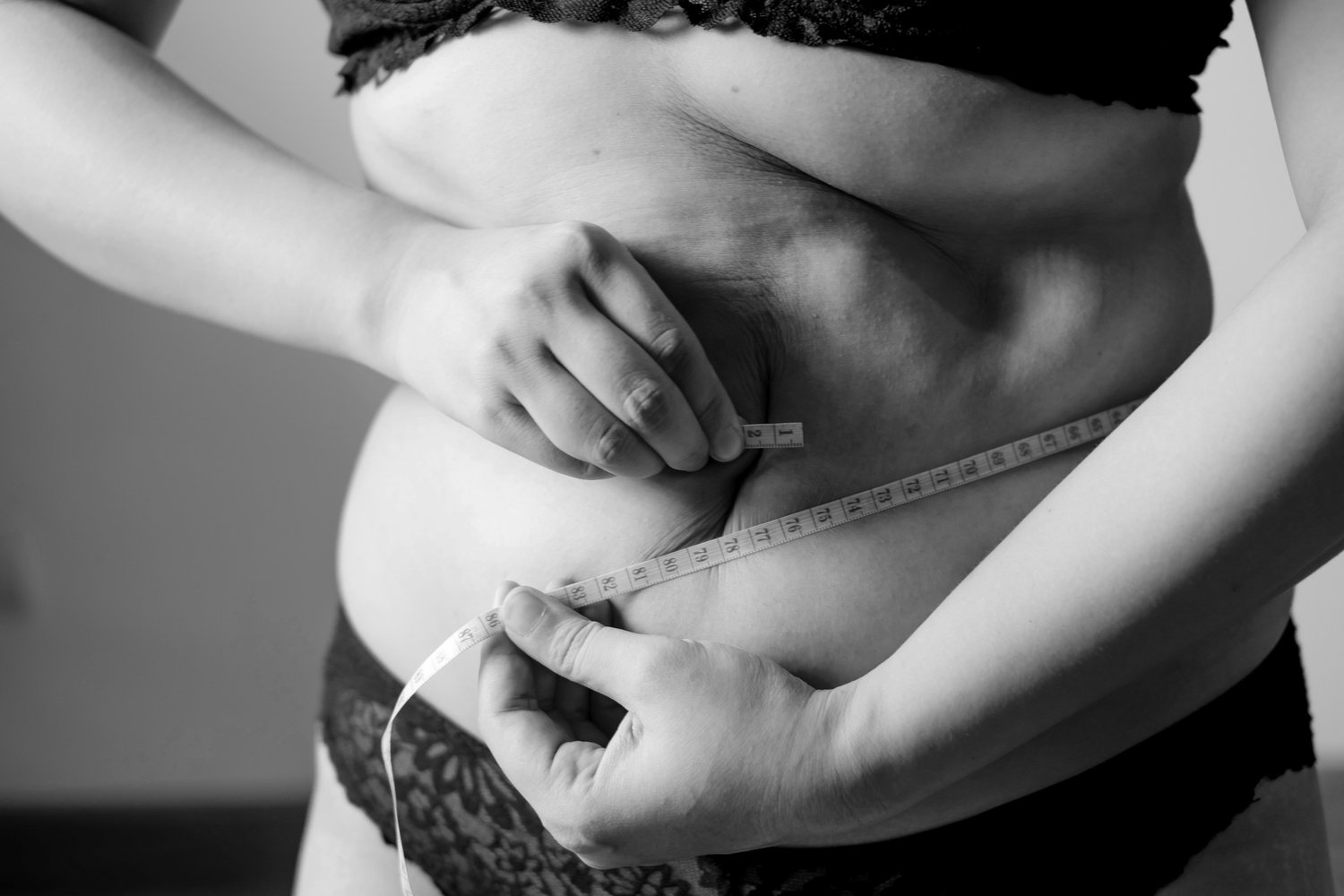
Bloated or Body Fat?
How your gut shapes what you see in the mirror
There’s a frustrating experience a lot of people share but rarely understand:
You’re eating relatively clean. You’re moving your body.
But your stomach still looks distended—sometimes flat in the morning, then swollen by evening.
So you wonder:
Is this fat… or something else?
Here’s the truth most people aren’t told:
Your gut can dramatically change your body shape—without you gaining actual body fat.
Chronic Bloating vs. Actual Fat Storage
Let’s separate what gets confused all the time.
🧠 Body Fat
- Develops gradually over time
- Feels soft and consistent
- Doesn’t fluctuate drastically within a single day
🌿 Bloating
- Can appear within minutes to hours after eating
- Often feels tight, stretched, or uncomfortable
- Fluctuates throughout the day
- May come with gas, pressure, or visible distention
👉 If your stomach is flat in the morning but expands by evening, that’s a strong sign you’re dealing with digestive bloating—not fat gain.
What’s Actually Causing the “Bloat Look”?
Bloating isn’t random—it’s a signal.
Common root causes include:
- Poor digestion (low stomach acid, weak enzyme activity)
- Food fermentation in the gut
- Imbalanced gut bacteria
- Eating in a stressed state
- Improper food combining or timing
When food isn’t broken down efficiently, it sits longer and produces gas.
That gas has to go somewhere.
So your abdomen expands—not because you gained fat, but because your digestive system is under strain.
Water Retention from Gut Inflammation
Here’s where it goes deeper—and where many people get stuck.
When your gut is irritated or inflamed, your body responds by holding onto fluid.
This ties into Inflammation.
What this can look like:
- Puffiness in the lower abdomen
- A “soft but swollen” stomach
- Feeling heavier without actual weight gain
- Tightness in clothing despite stable body composition
Why this happens:
- The gut lining becomes irritated
- The immune system is activated
- The body retains water as a protective response
👉 This is not fat—it’s your body trying to manage internal stress.
The Gut–Posture Connection (No One Talks About This)
This is one of the most overlooked pieces.
Your digestion doesn’t just depend on what you eat—it depends on how your body is positioned.
When posture is off:
- Your abdominal organs become compressed
- Your diaphragm can’t move properly
- Blood flow and digestive movement are restricted
This can lead to:
- Slower digestion
- Increased bloating
- A protruding lower abdomen
Even if you’re relatively lean.
Common Postural Patterns That Affect Digestion:
- Slouching while sitting
- Tight hip flexors pulling the pelvis forward
- Weak core and glutes
- Forward head posture compressing the torso
👉 Your body literally doesn’t have the space to digest efficiently.
Why This Matters for Your Body Image
Here’s where people go wrong:
They see a distended stomach and assume:
- “I need to lose weight”
- “I need to eat less”
- “I need more cardio”
But if the root issue is digestive?
Those approaches won’t fix it—and can actually make things worse.
Because:
- Undereating can weaken digestion further
- Overtraining can increase stress on the body
- Ignoring gut health keeps the cycle going
The Deeper Truth
Your body shape is not just a reflection of calories in vs. calories out.
It’s a reflection of:
- How well you digest
- How your body responds to inflammation
- How supported your nervous system is
- How your body is aligned structurally
Supporting a Flatter, Healthier Stomach (From the Inside Out)
This isn’t about chasing a flat stomach—it’s about restoring function.
🌿 Support Digestion
- Eat in a calm, relaxed state
- Chew thoroughly
- Avoid rushing meals
🌿 Reduce Gut Inflammation
- Identify trigger foods
- Support your gut with whole, simple meals
- Stay hydrated
🌿 Improve Posture & Body Alignment
- Sit upright while eating
- Incorporate gentle mobility work
- Strengthen core and glutes
- Open the chest and ribcage
🌿 Give Your Body Time
- Allow space between meals
- Avoid constant snacking
- Let digestion complete its cycle
Final Perspective
Not every stomach that sticks out is storing fat.
Sometimes, it’s:
- Air
- Fluid
- Inflammation
- Compression
And sometimes… it’s your body asking for support, not restriction.
So instead of asking, “How do I make my stomach smaller?”
Ask: “What is my body trying to process that it hasn’t been able to?”
Because when your gut is supported, your body doesn’t have to hold on to what it can’t handle.
And that’s when things begin to shift—naturally.
Comments ()