

Why your body won’t digest what it doesn’t feel safe to receive
We’ve all heard it: “Stress affects digestion.”
But that statement is incomplete—and honestly, a little lazy.
Because the truth is deeper, more physiological, and more personal:
Your body doesn’t just digest food. It digests in response to safety.
Your Gut Is Listening—Not Just to Food, But to You
Digestion is not just a mechanical process. It’s neurological.
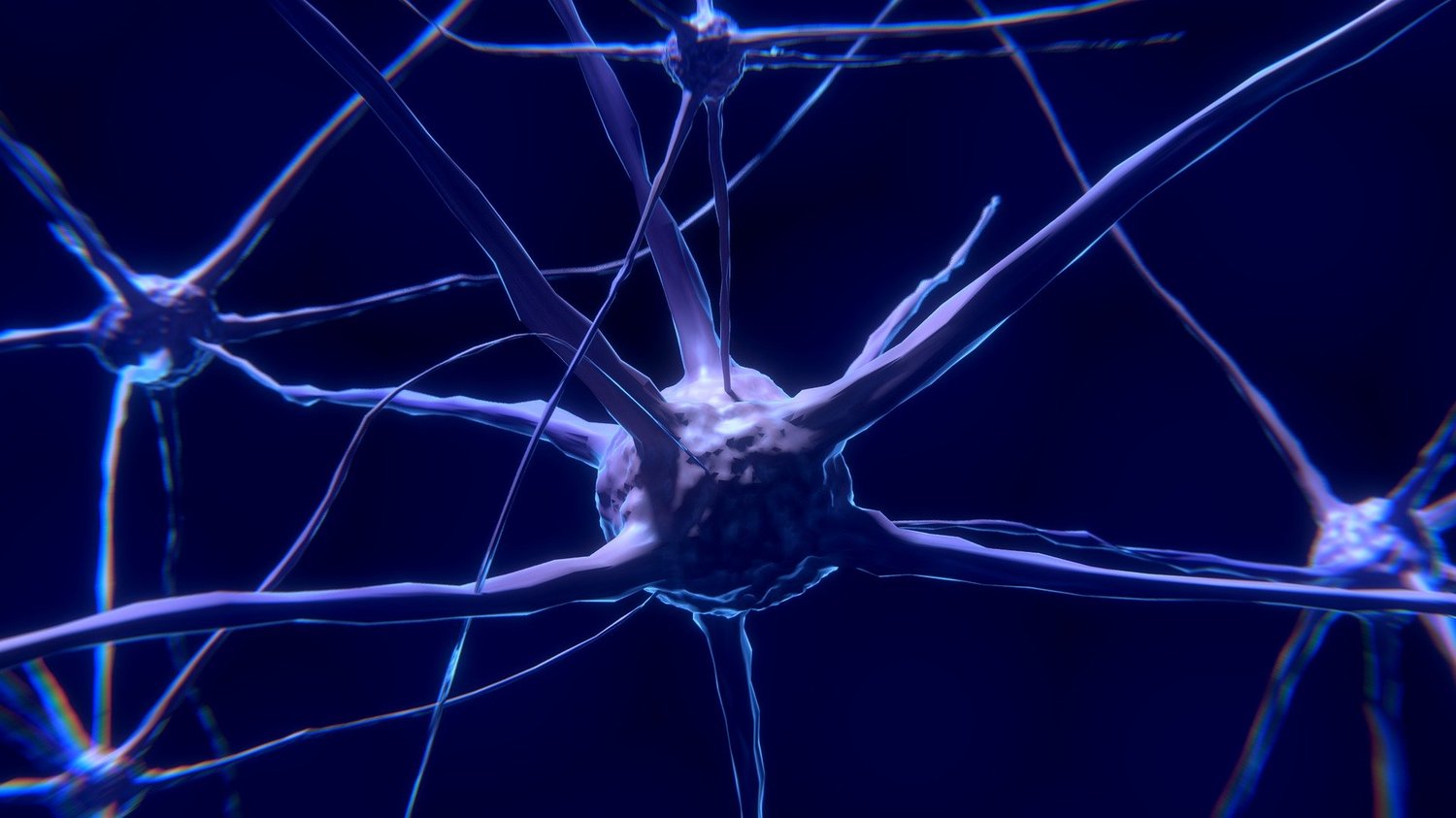
At the center of this communication is the Vagus Nerve—a powerful nerve that connects your brain to your digestive organs, heart, and more.
It’s the main highway of your parasympathetic nervous system—the system responsible for healing, restoration, and digestion.
When this system is active, your body says:
- “It’s safe to break down food.”
- “It’s safe to absorb nutrients.”
- “It’s safe to relax.”
But when it’s not? Everything changes.
Survival Mode: When Your Body Refuses to Digest
If your body perceives stress—whether emotional, mental, or even environmental—it shifts into fight-or-flight mode.
This is not a flaw. It’s protection.
In this state:
- Blood flow is redirected away from your digestive organs
- Stomach acid production decreases
- Digestive enzymes are suppressed
- Gut motility becomes irregular
Why?
Because your body is prioritizing survival—not digestion.
From a biological standpoint, digesting a meal is not urgent if you’re “in danger.”
The problem is…
Most people today are living in a chronic low-grade survival state. Not running from predators—but:
- Overthinking
- Eating while distracted
- Scrolling while chewing
- Rushing through meals
- Holding unprocessed emotions
And your body doesn’t know the difference.
“Rest-and-Digest” vs. “Fight-or-Flight” Eating
Let’s make this real.
🍽️ Rest-and-Digest State
You’re calm. Present. Breathing slowly.
- Your stomach releases adequate acid
- Enzymes break down your food properly
- Nutrients are absorbed efficiently
- You feel satisfied—not overly full or bloated
Your body says:
“I can receive this.”
⚠️ Fight-or-Flight State
You’re anxious. Distracted. Rushed.
- Digestion is slowed or impaired
- Food sits longer → fermentation → gas
- Bloating and discomfort increase
- Nutrient absorption decreases
Your body says:
“Now is not the time.”
This Is Why “Healthy Eating” Isn’t Always Working
Here’s the part most people miss:
You can eat the cleanest, most nutrient-dense meals…
and still experience:
- Bloating
- Constipation
- Fatigue after eating
- Nutrient deficiencies
Because digestion is not just about what you eat—it’s about the state you’re in when you eat.
If your nervous system isn’t regulated, your gut won’t function optimally.
The Gut-Brain Conversation You’re Not Aware Of
There’s a constant dialogue happening between your brain and your gut through the Gut-Brain Axis.
And it’s not one-way.
Your thoughts affect your digestion.
Your digestion affects your mood.
That’s why:
- Anxiety can cause stomach pain
- Gut issues can lead to brain fog
- Emotional suppression can show up as digestive discomfort
Your body is always communicating. The question is—are you listening?
The Deeper Truth: Digestion Requires Safety
Let’s go beyond science for a moment.
If your body doesn’t feel safe, it won’t fully open.
Not to food.
Not to rest.
Not to healing.
And safety isn’t just physical—it’s emotional, mental, and even spiritual.
You can’t rush your body into digestion.
You can’t force your gut to function.
You have to create an environment where your body chooses to.
How to Support Your Nervous System for Better Digestion
This is where real healing begins—simple, but intentional.
🌿 Before You Eat
- Pause. Breathe deeply for 30–60 seconds
- Put your phone down
- Let your body arrive to the moment
🌿 While You Eat
- Chew slowly and thoroughly
- Stay present with your meal
- Avoid multitasking
🌿 After You Eat
- Sit upright or take a gentle walk
- Avoid immediate stress or stimulation
🌿 Daily Nervous System Support
- Deep breathing exercises
- Time in nature
- Herbal teas (like mint, lemon balm, chamomile)
- Reducing constant overstimulation
Final Reflection
Your gut is not broken. It may be overwhelmed.
It may be unsupported.
It may be stuck in a pattern of protection.
But it’s not failing you—it’s responding exactly as it was designed to.
The question isn’t just “What are you eating?”
It’s “What state are you in when you receive it?”
Because healing your digestion isn’t just about food…
It’s about teaching your body that it’s safe to nourish itself again. 🫶🏻
Comments ()