

Have you ever noticed how your stomach becomes unsettled when you're anxious? Or how your breathing and heart rate change when you're stressed, frightened, or overwhelmed?
Perhaps you've experienced the opposite: a sense of calm washing over you after taking several slow breaths, spending time in nature, or relaxing after a demanding day.
These experiences aren't simply coincidences. They reflect the remarkable communication occurring between your brain, nervous system, and internal organs.
One of the most fascinating components of this communication network is the vagus nerve. Often discussed in holistic wellness circles as a key to relaxation, digestion, and emotional balance, the vagus nerve plays an essential role in regulating many automatic bodily functions. But while the science behind this nerve is genuinely fascinating, it has also become the subject of exaggerated wellness claims. You may have heard that humming, cold showers, breathing exercises, or certain stretches can instantly "reset" your nervous system.
The reality is more complex—and far more interesting.
At Holistify Me, we believe understanding how your body works empowers you to care for it more intentionally. By exploring the vagus nerve and its relationship with the autonomic nervous system, we can better understand why stress affects digestion, how breathing influences heart rate, and why daily recovery practices matter for long-term wellbeing.
What Is the Vagus Nerve?
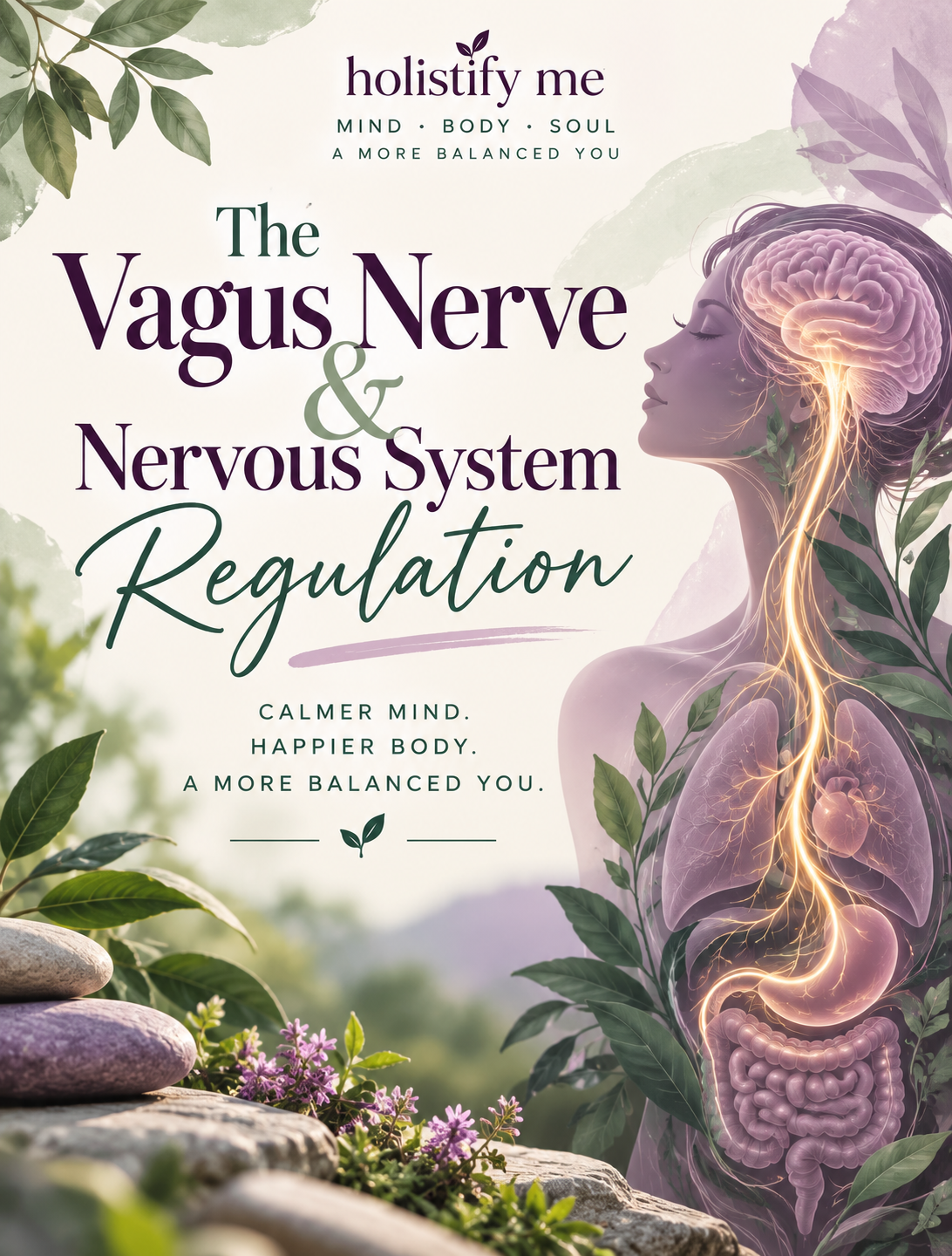
The vagus nerve is the tenth cranial nerve, also known as cranial nerve X. It is one of the body's most extensive and important communication pathways between the brain and internal organs. The word vagus comes from the Latin word for "wandering," an appropriate name considering how widely its branches extend throughout the body. There are actually two vagus nerves, one on each side of the body. They originate in the brainstem and travel through the neck into the chest and abdomen, connecting with structures involved in essential bodily functions.
The vagus nerve helps regulate:
- Heart rate
- Digestive activity
- Swallowing
- Certain aspects of breathing
- Communication between the gut and brain
- Reflexes such as coughing
- Some immune and inflammatory signaling
It also carries sensory information from internal organs back toward the brain. In fact, a substantial majority of the fibers in the vagus nerve are sensory, meaning they help communicate information from the body to the brain rather than simply sending commands outward.
This two-way communication is one reason the vagus nerve is so important to the relationship between physical and emotional health.
Understanding the Autonomic Nervous System
To understand the vagus nerve, we first need to understand the autonomic nervous system.
The autonomic nervous system regulates many bodily processes that occur without conscious effort. You don't have to remind your heart to beat, consciously direct every movement of your digestive tract, or think about adjusting your blood pressure when you stand up. Your autonomic nervous system helps coordinate these activities. It includes two major divisions that are especially relevant to stress regulation.
The Sympathetic Nervous System: Preparing for Action
The sympathetic nervous system helps prepare the body to respond to challenges or perceived threats. This is commonly described as the fight-or-flight response.
During sympathetic activation, you may experience:
- Increased heart rate
- Faster breathing
- Greater alertness
- Increased blood flow to working muscles
- Changes in digestive activity
- Release of stress-related hormones through associated pathways
These responses are not inherently harmful. They help the body respond to demanding situations, including physical exercise, emergencies, and other challenges. The difficulty arises when stress becomes persistent and recovery is inadequate.
The Parasympathetic Nervous System: Supporting Restoration
The parasympathetic nervous system helps regulate functions associated with energy conservation, digestion, and recovery. It is often described as the rest-and-digest system.
The vagus nerve is a major pathway of parasympathetic communication, particularly involving the heart, lungs, and digestive organs.
Parasympathetic activity can contribute to:
- Slowing heart rate
- Supporting digestive movement and secretion
- Coordinating certain reflexes
- Regulating internal organ function
However, the sympathetic and parasympathetic systems are not simply an on-and-off switch. They interact continuously, and both are necessary for health.
A healthy nervous system isn't one that remains relaxed all the time. It's one that can respond appropriately to challenges and adjust as circumstances change.
The Vagus Nerve and the Stress Response
Stress begins with the brain's interpretation of a situation. When something feels threatening or demanding, the brain coordinates responses involving the autonomic nervous system and hormonal pathways, including the hypothalamic-pituitary-adrenal axis. These systems prepare the body to respond.
Your heart may beat faster, muscles may tense, and breathing may become shallow or rapid. Meanwhile, digestion may become less of an immediate priority. Once the stressful situation passes, physiological recovery involves changes across multiple systems, including parasympathetic regulation.
The vagus nerve contributes to this process, particularly through its influence on heart rate and internal organ function. This doesn't mean the vagus nerve single-handedly controls stress or that every anxious feeling indicates poor vagal function.
Emotional regulation involves complex interactions among the brain, autonomic nervous system, hormones, thoughts, behaviors, and environment. Nevertheless, understanding vagal physiology helps explain why certain calming practices can produce noticeable physical changes.
How the Vagus Nerve Influences Heart Rate
One of the best-understood functions of the vagus nerve is its role in regulating the heart. Parasympathetic signals traveling through the vagus nerve release the neurotransmitter acetylcholine, which acts on specialized cells in the heart.
This helps slow the firing rate of the sinoatrial node, the heart's natural pacemaker.
As a result, vagal activity contributes to the regulation of resting heart rate. During exercise, changes in autonomic activity help the heart beat faster to meet increased demands. During recovery, parasympathetic influences contribute to slowing the heart rate. This ability to adjust is an important part of normal cardiovascular function.
What Is Heart Rate Variability?
Heart rate variability, or HRV, refers to the natural variation in time between consecutive heartbeats. Although your heart may beat approximately 70 times per minute, the intervals between individual beats are not perfectly identical.
Certain HRV measurements reflect parasympathetic influences on the heart. HRV is frequently discussed as a marker of recovery, stress, and autonomic regulation.
However, it is influenced by many factors, including:
- Age
- Physical fitness
- Sleep
- Illness
- Medications
- Alcohol consumption
- Breathing patterns
- Measurement conditions
Higher HRV is not universally better, and a single reading cannot diagnose nervous system dysfunction. Wearable devices can provide useful trends, but their measurements should be interpreted cautiously.
The Vagus Nerve and Digestion: Understanding the Gut-Brain Connection
Have you ever experienced stomach discomfort before an important event?
Or lost your appetite during an emotionally stressful period?
These experiences illustrate how closely the digestive system and nervous system communicate. The vagus nerve plays an important role in this relationship.
It carries information between the brain and several digestive organs, helping coordinate aspects of:
- Stomach movement
- Gastric secretion
- Digestive reflexes
- Sensations related to fullness
- Communication about internal digestive conditions
The vagus nerve also participates in communication between the brain and the gastrointestinal tract. However, it doesn't control the entire digestive system. The digestive tract contains its own extensive network of neurons, known as the enteric nervous system, which coordinates many digestive functions locally.
The enteric nervous system interacts with autonomic nerves, hormones, immune signals, and the gut microbiome. Together, these systems form important components of the gut-brain axis.
Why Stress Can Affect Digestion
During stressful periods, changes in autonomic activity and stress-related signaling can influence gastrointestinal movement, secretion, sensitivity, and appetite.
Some people experience:
- Nausea
- Abdominal discomfort
- Changes in bowel habits
- Reduced appetite
- Increased digestive sensitivity
These symptoms are real physiological experiences, not simply something imagined. However, persistent digestive problems shouldn't automatically be blamed on stress or the vagus nerve. Conditions such as irritable bowel syndrome, reflux, inflammatory disorders, medication effects, and food intolerances may require medical evaluation.
Supporting nervous system regulation may complement digestive wellness, but it doesn't replace investigating ongoing gastrointestinal symptoms.
The Vagus Nerve and Inflammation
Another fascinating area of research involves the relationship between the nervous system and immune function. Scientists have investigated a mechanism known as the cholinergic anti-inflammatory pathway, in which neural signaling can influence inflammatory responses.
Experimental research suggests that vagal-related pathways may participate in regulating certain immune processes. This has generated interest in therapeutic vagus nerve stimulation for selected inflammatory conditions. However, much of this research remains experimental, and the underlying pathways are complex.
It would be inaccurate to claim that simply humming, breathing deeply, or taking a cold shower has been proven to meaningfully reduce chronic inflammation through vagus nerve activation.
Inflammation is an essential biological process involved in healing and immune defense. The goal isn't to eliminate inflammation but to support healthy regulation of immune responses.
What Is Vagal Tone?
You may have heard the phrase vagal tone used in wellness discussions. Traditionally, this refers to the influence of vagal activity on bodily functions, particularly cardiovascular regulation.
Researchers sometimes use measures such as respiratory sinus arrhythmia or certain HRV indices to estimate aspects of cardiac vagal regulation. However, these measurements don't provide a complete picture of vagus nerve function throughout the entire body.
Someone cannot reliably determine the health of their vagus nerve simply by checking whether they feel calm, have a certain resting heart rate, or obtain a high HRV score. Vagal function is more complex than a single number.
It's also important to understand that many online claims about "low vagal tone" causing nearly every symptom—from anxiety to bloating to fatigue—go far beyond established evidence.
Can You Naturally Support Nervous System Regulation?
Yes. Several everyday practices can support stress management, autonomic regulation, and overall wellbeing. However, it's more accurate to say these practices may influence physiological regulation than to claim they directly repair or reset the vagus nerve.
Let's explore some of the most practical approaches.
1. Practice Slow, Comfortable Breathing
Breathing is one of the few bodily processes that operates automatically but can also be consciously controlled. This makes it a useful bridge between voluntary behavior and autonomic physiology.
Slow breathing can influence heart rate patterns, respiratory sinus arrhythmia, and the body's experience of stress. Research suggests that certain slow-breathing practices may help reduce perceived stress and modestly influence cardiovascular measures.
Try This Simple Breathing Exercise
Sit comfortably and relax your shoulders.
Inhale gently through your nose for approximately four seconds.
Exhale slowly for approximately six seconds.
Continue for three to five minutes.
Keep the breathing comfortable rather than forcing deep inhalations.
If you become dizzy or uncomfortable, return to your normal breathing pattern.
The goal is not to maximize oxygen intake or force your nervous system into a particular state.
It's to encourage a calmer, more comfortable breathing rhythm.
2. Engage in Regular Physical Activity
Exercise is one of the most consistently supported lifestyle strategies for improving physical and mental health. Regular movement can improve cardiovascular fitness, sleep quality, metabolic health, and stress resilience. Both aerobic activity and resistance training offer important benefits.
Consider incorporating:
- Walking
- Hiking
- Cycling
- Swimming
- Strength training
- Yoga
- Recreational movement
Exercise temporarily increases physiological demands, but appropriate training followed by recovery helps the body adapt. This ability to respond to challenges and recover is an important aspect of overall physiological resilience.
3. Prioritize Restorative Sleep
Sleep is essential for nervous system function. Insufficient sleep can affect emotional regulation, attention, cardiovascular physiology, and the body's stress-response systems. Most adults should aim for approximately seven to nine hours of sleep per night.
Helpful habits include maintaining consistent sleep and wake times, reducing bright light exposure near bedtime, limiting late caffeine intake, and creating a comfortable sleeping environment.
Sleep isn't simply a break from activity. It's a fundamental part of the body's ongoing regulation and recovery.
4. Practice Mindfulness and Meditation
Mindfulness practices encourage awareness of thoughts, emotions, and bodily sensations without immediately reacting to them. Research suggests that mindfulness-based interventions can help reduce stress and improve certain measures of psychological wellbeing.
These practices may also influence autonomic responses, although findings vary depending on the intervention and measurement method. You don't need an elaborate routine. Begin with five minutes of quiet reflection, comfortable breathing, or observing your surroundings without distraction.
Consistency matters more than complexity.
5. Spend Time in Nature
Natural environments can provide opportunities for movement, relaxation, and reduced exposure to everyday stressors. Walking through a forest, sitting beside a stream, or spending time in a peaceful park may help improve mood and reduce perceived stress.
Some studies have also observed changes in physiological stress markers during nature-based activities. However, the effects cannot be attributed exclusively to the vagus nerve.
Nature offers multiple potential benefits through movement, sensory experience, attention restoration, and emotional wellbeing.
6. Support Healthy Social Connection
Human relationships influence emotional and physical health. Supportive interactions can help reduce perceived stress and create a sense of security and belonging.
Meaningful conversations, laughter, shared experiences, and affectionate connection may influence physiological stress responses. But these effects involve many interconnected systems rather than one specific nerve.
Building healthy relationships is therefore an important part of holistic nervous system care.
7. Practice Gentle Vocal Activities
Humming, singing, and chanting are frequently promoted as vagus nerve exercises. The vagus nerve contributes to functions involving the larynx, and vocal activity involves coordinated breathing, muscular control, and neural signaling.
Singing or humming may feel calming for some people, particularly when performed with slow, comfortable breathing. However, evidence that these activities directly improve vagal tone or treat nervous system disorders remains limited.
Enjoy them as accessible relaxation practices rather than guaranteed medical interventions.
What About Cold Water and Vagus Nerve Stimulation?
Cold showers, ice baths, and cold-water facial immersion have become popular in wellness communities. Cold exposure can produce complex autonomic responses.
For example, cold-water immersion may initially increase sympathetic activation, causing changes in breathing, heart rate, and blood pressure. Cold stimulation of the face can also contribute to the diving reflex, which may slow heart rate under certain conditions. But this doesn't mean cold exposure is universally calming or medically beneficial.
Sudden cold-water immersion can be dangerous, particularly for individuals with cardiovascular conditions, certain arrhythmias, or other medical vulnerabilities. There is no need to subject yourself to extreme cold to support nervous system health.
Gentle, sustainable practices are often more appropriate than dramatic wellness challenges.
Medical Vagus Nerve Stimulation vs. Wellness Practices
It's important to distinguish lifestyle practices from medical vagus nerve stimulation. Vagus nerve stimulation (VNS) is an established medical treatment that uses electrical impulses delivered through specialized devices. Certain implanted VNS systems are approved for specific conditions, including some forms of treatment-resistant epilepsy and depression.
Noninvasive stimulation technologies are also used or investigated for selected neurological and pain-related conditions, depending on the device and indication.
These treatments involve specific electrical stimulation parameters and clinical oversight. They are not equivalent to humming, stretching, or taking a cold shower. The fact that medical VNS can help treat certain conditions does not prove that every activity marketed as "vagus nerve stimulation" produces comparable effects.
Signs That Deserve Medical Attention
Because the vagus nerve participates in many bodily functions, genuine vagal dysfunction can contribute to significant medical problems. However, symptoms are often nonspecific and may have many other causes.
Seek medical evaluation for persistent or unexplained:
- Fainting or recurrent near-fainting
- Significant swallowing difficulties
- Persistent vomiting
- Unexplained changes in heart rate
- Severe or ongoing digestive problems
- New or progressive voice changes
Chest pain, severe breathing difficulty, or fainting accompanied by concerning symptoms warrants urgent medical attention. These issues should not be self-diagnosed as poor vagal tone or managed solely through relaxation exercises.
The Holistify Me Daily Nervous System Support Routine
Supporting nervous system health doesn't require complicated equipment or expensive wellness products.
Instead, build a routine around evidence-informed habits that support overall regulation.
Morning: Establish a Healthy Rhythm
Begin your day with natural light exposure when possible.
Hydrate and incorporate gentle movement.
If time allows, take a short walk outdoors before beginning your daily responsibilities.
Midday: Create Opportunities for Recovery
Take brief movement breaks during prolonged periods of sitting.
Eat balanced meals and allow yourself time to eat without unnecessary rushing.
If stress rises, practice several minutes of comfortable, slow breathing.
Afternoon: Move Your Body
Engage in enjoyable physical activity such as walking, resistance training, cycling, or hiking.
Choose an activity level appropriate for your fitness and recovery needs.
Evening: Reduce Unnecessary Stimulation
Create a transition between daytime responsibilities and nighttime rest.
You might:
- Take a gentle walk
- Stretch comfortably
- Journal
- Read
- Practice meditation or prayer
- Spend quiet time without screens
Night: Prioritize Sleep
Maintain a consistent bedtime when practical. Create a cool, comfortable sleeping environment and allow adequate time for restorative sleep.
The objective isn't to keep your nervous system permanently relaxed. It's to develop daily habits that support an appropriate balance between activity, stress, and recovery.
The Mind-Body-Soul Connection
The vagus nerve provides a fascinating example of how interconnected the human body truly is. Although it is a physical structure, understanding its functions can encourage a broader appreciation for the relationship between emotional experiences and bodily processes.
Mind: Emotional Awareness and Regulation
Stress management, mindfulness, and healthy coping strategies can help us respond more thoughtfully to emotional challenges.
Body: Physiological Balance
Breathing, cardiovascular regulation, digestion, physical activity, and sleep all contribute to overall bodily function.
Soul: Rest, Connection, and Inner Peace
Spiritual practices such as prayer, gratitude, reflection, and spending time in nature may provide meaningful opportunities for calm and connection. These practices should be appreciated for their potential psychological and spiritual benefits without assuming every positive experience results from vagus nerve activation.
Holistic wellness becomes more meaningful when we understand both the possibilities and the limitations of what science can tell us.
Final Reflection: Are You Giving Your Nervous System Time to Recover?
Take a moment to reflect on your everyday habits.
- Do I regularly move between periods of activity and adequate recovery?
- How does stress affect my breathing, appetite, digestion, or sleep?
- Do I recognize when my body is becoming overwhelmed?
- Am I consistently getting enough sleep?
- Do I make time for movement, nature, and meaningful connection?
- What calming practices genuinely help me feel more grounded?
- Am I relying on wellness trends instead of addressing persistent symptoms or chronic stressors?
Sometimes improving wellbeing doesn't require discovering a new technique. It requires consistently practicing the fundamentals that support health.
Closing Thought: Your Nervous System Is Designed for Adaptation, Not Constant Calm
The human nervous system is remarkably sophisticated. It helps you respond to challenges, coordinate internal organ function, recover from physical demands, and maintain essential bodily processes without conscious effort.
The vagus nerve is an important part of this system, connecting the brain with the heart, lungs, digestive organs, and other structures involved in maintaining physiological stability. But supporting nervous system health isn't about finding a magical switch that eliminates stress. Stress is a normal part of life.
Your body needs the ability to become alert and active when circumstances require it, just as it needs opportunities for rest and recovery.
True nervous system resilience isn't the absence of stress. It's the capacity to respond, adapt, and recover.
At Holistify Me, we believe lasting wellness comes from understanding your body rather than chasing quick fixes.
Nourish yourself.
Move regularly.
Breathe comfortably.
Protect your sleep.
Build meaningful connections.
Create space for peace.
And remember that caring for your nervous system is part of caring for your entire wellbeing.
Because a healthier relationship with stress begins with understanding how your body responds to it.
🌿💜 Holistify Me — Nurturing the Mind, Body & Soul.
Educational References & Further Reading
- National Institute of Neurological Disorders and Stroke (NINDS). Information on the autonomic nervous system and vagus nerve stimulation.
- Cleveland Clinic. Vagus Nerve: What It Is, Function, Location & Conditions.
- Breit S, et al. (2018). Vagus Nerve as Modulator of the Brain–Gut Axis in Psychiatric and Inflammatory Disorders. Frontiers in Psychiatry.
- Laborde S, Mosley E, Thayer JF. (2017). Heart Rate Variability and Cardiac Vagal Tone in Psychophysiological Research. Frontiers in Psychology.
- Zaccaro A, et al. (2018). How Breath-Control Can Change Your Life: A Systematic Review on Psycho-Physiological Correlates of Slow Breathing. Frontiers in Human Neuroscience.
- National Center for Complementary and Integrative Health (NCCIH). Research and guidance on meditation, mindfulness, and relaxation techniques.
Disclaimer: This article is intended for educational purposes and should not replace professional medical evaluation or treatment. Persistent digestive, cardiovascular, neurological, or autonomic symptoms should be discussed with a qualified healthcare professional.
Comments ()