

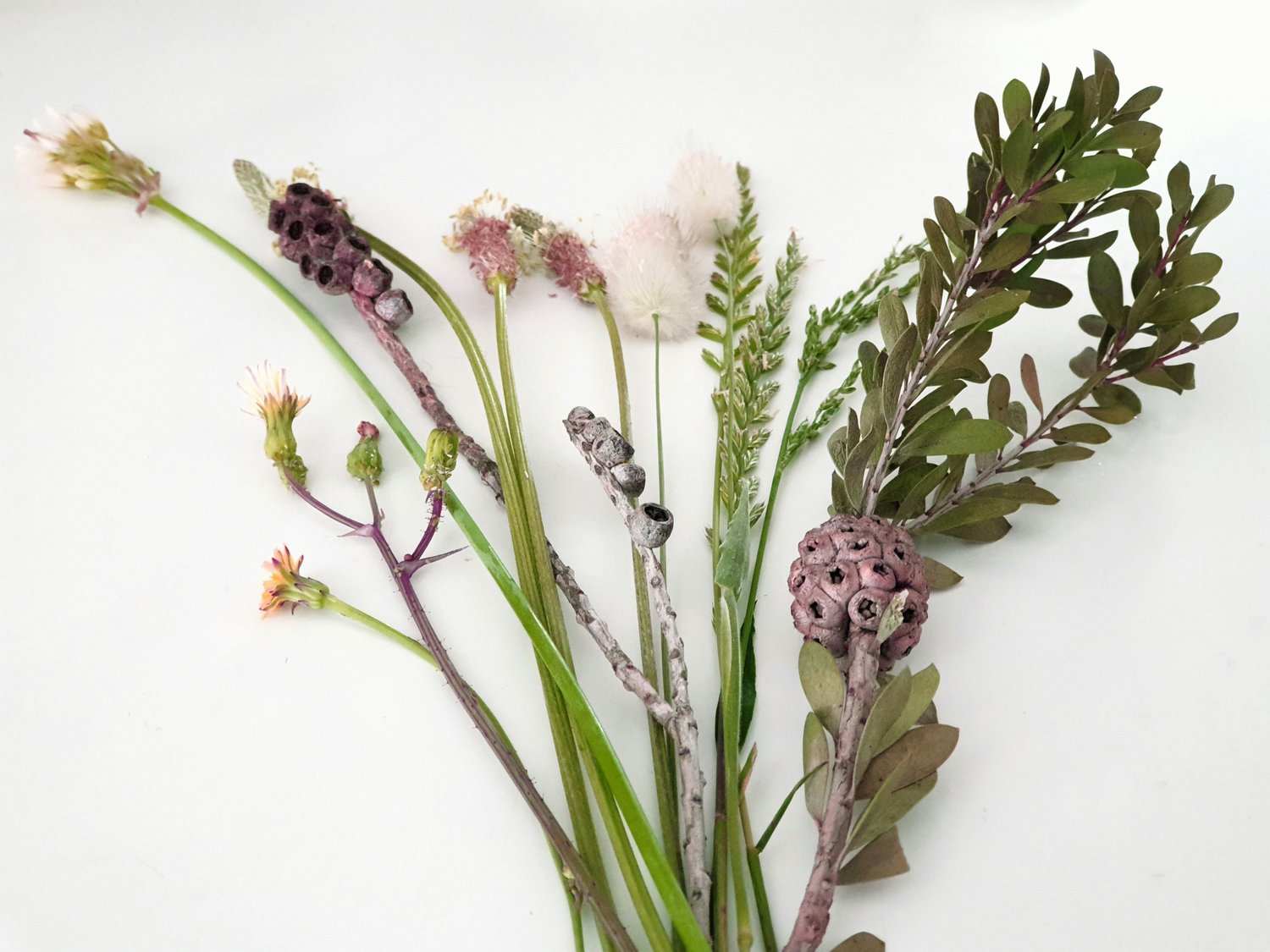
Whether you're just beginning your herbal journey or looking to expand your home apothecary, learning about a handful of versatile herbs is one of the best places to start.
For centuries, herbs have been used in traditional wellness practices to support digestion, relaxation, immune health, circulation, and overall wellbeing. While each plant has unique properties, many of the most useful herbs are surprisingly easy to find as teas, tinctures, capsules, or dried herbs.
Let's explore 10 everyday healing herbs that deserve a place in your herbal toolkit.
Disclaimer: Herbs can interact with medications and may not be appropriate during pregnancy, breastfeeding, or for certain medical conditions. Always consult a qualified healthcare professional before beginning a new herbal regimen.
🌿 1. Stinging Nettle
Why It's Loved
Often called one of nature's most nourishing herbs, stinging nettle is rich in naturally occurring vitamins, minerals, and plant compounds. It has been used traditionally to support overall wellness and vitality.
Traditional Uses
- General nourishment
- Healthy skin and hair
- Bone health
- Seasonal wellness
- Urinary tract support
How to Use
- Tea (especially nourishing infusions)
- Capsules
- Tinctures
- Cooked like leafy greens
🌼 2. Chamomile
Why It's Loved
Chamomile is one of the world's most well-known calming herbs. Its gentle nature makes it popular for both adults and children.
Traditional Uses
- Relaxation
- Occasional stress support
- Digestive comfort
- Bedtime routines
How to Use
- Tea
- Tincture
- Herbal bath
- Steam inhalation
🌱 3. Lemon Balm
Why It's Loved
With its refreshing citrus aroma, lemon balm has traditionally been used to promote calmness while supporting a positive mood.
Traditional Uses
- Nervous system support
- Relaxation
- Digestive comfort
- Cognitive wellness
How to Use
- Fresh tea
- Dried tea
- Tincture
- Culinary herb
🍃 4. Peppermint
Why It's Loved
Peppermint is both refreshing and versatile. It's commonly used to support digestive comfort and mental clarity.
Traditional Uses
- Digestive support
- Occasional bloating
- Cooling sensation
- Mental alertness
How to Use
- Tea
- Fresh leaves
- Essential oil (used safely and appropriately)
- Culinary recipes
🌸 5. Calendula
Why It's Loved
Calendula's vibrant orange flowers have long been valued in traditional herbalism, especially for topical skin care.
Traditional Uses
- Skin wellness
- Minor cuts and scrapes
- Herbal oils
- Salves
How to Use
- Infused oil
- Tea
- Salve
- Cream
🌿 6. Ginger
Why It's Loved
Ginger has been treasured around the world for thousands of years as both a culinary spice and a traditional wellness herb.
Traditional Uses
- Digestive support
- Occasional nausea
- Warming circulation
- Seasonal wellness
How to Use
- Fresh tea
- Powder
- Capsules
- Cooking
🌼 7. Dandelion
Why It's Loved
Many people consider dandelions weeds, but herbalists often see them as one of nature's most useful plants.
Nearly every part of the plant has traditional uses.
Traditional Uses
- Digestive support
- Bitter digestive tonic
- General wellness
- Nourishing greens
How to Use
- Root tea
- Fresh leaves
- Tincture
- Coffee substitute
🍄 8. Reishi Mushroom
Why It's Loved
Known as the "Mushroom of Immortality" in traditional practices, reishi has been valued for centuries as a wellness-supporting mushroom.
Traditional Uses
- Stress resilience
- Immune support
- Relaxation
- Overall vitality
How to Use
- Tea
- Decoction
- Powder
- Capsules
- Tincture
🌿 9. Holy Basil (Tulsi)
Why It's Loved
Tulsi is considered a sacred plant in many traditions and is commonly used to support resilience during stressful periods.
Traditional Uses
- Stress support
- Emotional balance
- Immune wellness
- Daily vitality
How to Use
- Tea
- Fresh leaves
- Capsules
- Tincture
🌸 10. Yarrow
Why It's Loved
Yarrow has a long history of traditional use for both internal and external wellness practices.
Traditional Uses
- Skin support
- Digestive wellness
- Herbal first-aid traditions
- General wellness
How to Use
- Tea
- Tincture
- Herbal compress
- Salve
🌿 Quick Reference Guide
🌱 Stinging Nettle
Best Known For: Nourishment, minerals, vitality
🌼 Chamomile
Best Known For: Relaxation and digestive comfort
🍋 Lemon Balm
Best Known For: Calm mood and nervous system support
🌿 Peppermint
Best Known For: Digestion and mental clarity
🌸 Calendula
Best Known For: Skin support
🌱 Ginger
Best Known For: Digestive wellness and warming support
🌼 Dandelion
Best Known For: Bitter digestive support
🍄 Reishi
Best Known For: Stress resilience and overall wellness
🌿 Holy Basil (Tulsi)
Best Known For: Adaptogenic support and emotional balance
🌸 Yarrow
Best Known For: Traditional first-aid and skin support
🌿 How to Start Building Your Herbal Collection
If you're new to herbalism, you don't need dozens of herbs right away.
Start with just a few versatile favorites:
🍵 For relaxation: Chamomile and lemon balm
🌱 For nourishment: Stinging nettle
🌿 For digestion: Peppermint, ginger, and dandelion
🍄 For resilience: Reishi and holy basil
🌼 For skin care: Calendula and yarrow
As you become more familiar with each herb, you'll begin to understand how different plants can complement one another and support your wellness goals.
🌸 Final Thoughts
One of the greatest gifts of herbalism is realizing that wellness doesn't have to be complicated.
Simple, everyday herbs have supported people around the world for generations. Whether you're sipping a calming cup of chamomile tea, adding fresh peppermint to your water, or nourishing yourself with mineral-rich nettle, these plants offer a meaningful way to reconnect with nature and care for your body.
Remember, herbalism isn't about finding a single "miracle herb." It's about building consistent, intentional habits that support your health over time.
Start with one herb. Learn it well. Then let your herbal knowledge grow—one plant at a time.
🌿 At Holistify Me, we believe that small, mindful herbal rituals can become the foundation of lifelong wellness.
Comments ()