

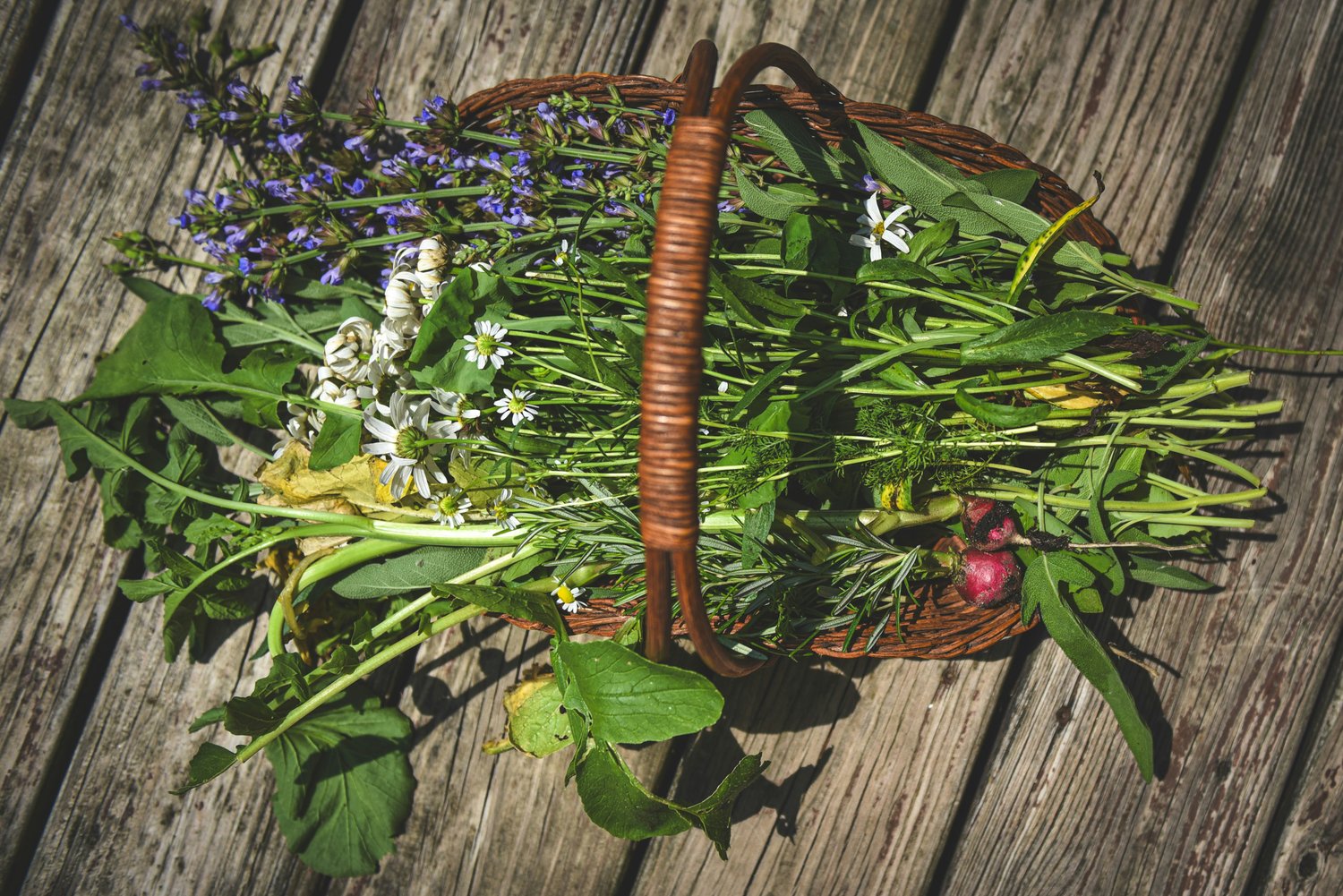
Nature's Everyday Wellness Allies: Understanding Their Benefits, Traditional Uses & How to Incorporate Them Into Your Life
Long before pharmacies and modern supplements became part of everyday life, people turned to plants for nourishment, comfort, and traditional healing practices. From soothing cups of chamomile tea to warming ginger infusions, herbs have played an important role in wellness traditions across cultures for thousands of years.
Today, herbalism continues to attract people who want to reconnect with nature, understand plant-based wellness, and incorporate more intentional habits into their daily routines. But with thousands of medicinal plants around the world, where should you begin? The good news is that you don't need an overflowing herbal cabinet to experience the value of herbalism. Some of the most versatile herbs are already familiar kitchen ingredients, common garden plants, or readily available herbal teas.
In this guide, we'll explore 10 everyday healing herbs worth knowing, their traditional applications, what modern research suggests, and simple ways to incorporate them into a holistic lifestyle.
A Note About Herbal Healing: The term healing herbs reflects their historical and traditional uses. Although some herbs contain compounds with demonstrated biological activity, not every traditional benefit has been scientifically established. Herbal remedies should complement—not replace—appropriate medical care.
1. Peppermint: The Digestive Comfort Herb
Botanical Name: Mentha × piperita
Plant Part Used: Leaves
Herbal Category: Aromatic, carminative
Peppermint is one of the most recognizable herbs in the world, known for its cooling sensation, refreshing aroma, and long history of digestive use. Its leaves contain aromatic compounds, including menthol, that contribute to its distinctive flavor and sensory effects.
Traditional Uses
Peppermint has traditionally been used for:
- Occasional bloating and gas
- Digestive discomfort
- Fresh breath
- Mental refreshment
- General digestive wellness
What Does Science Say?
Certain enteric-coated peppermint oil capsules have demonstrated benefits for some people with irritable bowel syndrome (IBS), particularly for abdominal discomfort. However, peppermint tea is not equivalent to concentrated peppermint oil, and research on peppermint tea for specific digestive conditions is limited.
How to Use Peppermint
Steep dried peppermint leaves in hot water for approximately 5–10 minutes.
Enjoy after meals or as a refreshing afternoon beverage.
Herbal Tip: Peppermint may worsen acid reflux in some individuals because it can relax the lower esophageal sphincter.
2. Chamomile: The Gentle Nervous System Herb
Botanical Name: Matricaria chamomilla
Plant Part Used: Flowers
Herbal Category: Nervine, aromatic
Chamomile is often associated with sleep, but this delicate flower has a much broader history in traditional herbalism. Its naturally occurring compounds include apigenin, a flavonoid studied for its potential calming properties.
Traditional Uses
- Relaxation
- Occasional nervous tension
- Digestive comfort
- Evening wellness rituals
- Topical skin care
What Does Science Say?
Some clinical research suggests that certain chamomile preparations may help reduce anxiety symptoms, although findings are not consistent enough to establish chamomile as a treatment for anxiety disorders. Evidence supporting chamomile as a reliable sleep aid is also limited. Nevertheless, chamomile tea can be a comforting addition to a relaxing bedtime routine.
How to Use Chamomile
Steep dried chamomile flowers in hot water for 5–10 minutes.
Enjoy during quiet moments, after meals, or before bedtime.
Herbal Tip: Individuals allergic to ragweed, daisies, or related plants should use caution. Chamomile may also interact with medications such as warfarin.
3. Ginger: The Warming Digestive Herb
Botanical Name: Zingiber officinale
Plant Part Used: Rhizome
Herbal Category: Aromatic, warming digestive herb
Ginger has been valued for centuries in traditional Chinese medicine, Ayurveda, and culinary practices worldwide. Its warming flavor comes partly from compounds known as gingerols and shogaols.
Traditional Uses
- Digestive comfort
- Occasional nausea
- Warming herbal preparations
- General seasonal wellness
- Menstrual comfort
What Does Science Say?
Ginger is one of the better-studied culinary herbs. Research suggests that certain ginger preparations may help with pregnancy-related nausea and menstrual discomfort. However, results vary by preparation and dose, and ginger is not equally effective for every type of nausea.
How to Use Ginger
Add several slices of fresh ginger to water and gently simmer for 10–15 minutes.
Enjoy with lemon or incorporate ginger into soups, smoothies, and savory dishes.
Herbal Tip: Concentrated ginger supplements may cause gastrointestinal discomfort and can interact with certain medications. Seek medical advice before using medicinal amounts during pregnancy.
4. Stinging Nettle: The Nourishing Green Herb
Botanical Name: Urtica dioica
Plant Part Used: Leaves
Herbal Category: Nutritive herb
Although stinging nettle is often considered an unwanted weed, herbalists have valued it for generations as a nourishing plant. Its leaves naturally contain minerals, plant pigments, and polyphenols.
Traditional Uses
- Everyday nourishment
- Seasonal wellness
- Urinary wellness
- General vitality
- Culinary nutrition
What Does Science Say?
Nettle leaves contain nutrients, including calcium, magnesium, and potassium. However, the amounts extracted into tea depend on preparation methods. Research on nettle for specific medical conditions remains limited, and evidence for nettle leaf should not be confused with research on nettle root.
How to Use Nettle
Prepare dried nettle leaves as an herbal infusion or use properly cooked young nettle leaves as a leafy green.
Herbal Tip: Fresh nettle can sting the skin. Wear gloves when harvesting and properly cook or dry it before consumption. People with kidney disease or potassium restrictions should seek medical guidance before using concentrated nettle preparations.
5. Lemon Balm: The Calming Citrus Herb
Botanical Name: Melissa officinalis
Plant Part Used: Leaves
Herbal Category: Nervine, aromatic
Lemon balm belongs to the mint family and has a fresh, mildly citrus-like aroma.
For centuries, it has been appreciated as an herb for relaxation and emotional wellbeing.
Traditional Uses
- Nervous tension
- Relaxation
- Digestive comfort
- Emotional wellbeing
- Restful evening routines
What Does Science Say?
Small clinical studies have investigated lemon balm for stress, anxiety symptoms, and sleep quality.
Some results are promising, but the evidence remains preliminary, and different preparations may produce different effects.
How to Use Lemon Balm
Steep fresh or dried leaves in hot water for approximately 5–10 minutes. Combine with chamomile for an evening tea or peppermint for a refreshing daytime blend.
Herbal Tip: If you take thyroid medication or sedating medications, consult a healthcare professional before using concentrated lemon balm products.
6. Calendula: The Skin-Care Flower
Botanical Name: Calendula officinalis
Plant Part Used: Flowers
Herbal Category: Traditional topical skin-care herb
With its vibrant orange and golden petals, calendula is one of the most recognizable flowers in traditional herbal skin care. It has been used in herbal oils, salves, creams, and other topical preparations.
Traditional Uses
- Skin comfort
- Minor skin irritation
- Herbal salves
- Bath preparations
- Everyday skin care
What Does Science Say?
Calendula contains compounds such as flavonoids and triterpenoids. Laboratory studies suggest potential anti-inflammatory activity, while clinical evidence for wound healing and other skin conditions remains mixed and limited.
How to Use Calendula
Use properly prepared calendula-infused oils or commercially formulated creams as part of a skin-care routine.
Herbal Tip: Avoid using homemade herbal preparations on deep wounds, infected skin, or serious burns. People allergic to plants in the daisy family may react to calendula.
7. Dandelion: The Traditional Bitter Digestive Herb
Botanical Name: Taraxacum officinale
Plant Parts Used: Root and leaves
Herbal Category: Bitter, nutritive
Dandelion is a perfect example of how a common backyard plant can have a long history of culinary and traditional herbal use. Both its leaves and roots have been incorporated into herbal preparations, although they differ in composition and traditional applications.
Traditional Uses
- Digestive wellness
- Bitter digestive preparations
- Culinary nourishment
- Traditional urinary support
- General wellness
What Does Science Say?
Dandelion contains compounds such as inulin, phenolic acids, and other plant constituents. However, human clinical evidence supporting many of its traditional medicinal uses is limited. It is also important to understand that claims about dandelion "detoxifying the liver" are not established by reliable clinical evidence.
How to Use Dandelion
Roasted dandelion root can be prepared as a caffeine-free coffee alternative. Young dandelion leaves can also be incorporated into salads or cooked greens.
Herbal Tip: Avoid harvesting dandelions from lawns or roadsides that may have been treated with pesticides or exposed to contamination.
8. Hibiscus: The Antioxidant-Rich Floral Herb
Botanical Name: Hibiscus sabdariffa
Plant Part Used: Calyces
Herbal Category: Tart, antioxidant-containing herbal beverage
Hibiscus is known for its vibrant ruby-red color and pleasantly tart flavor. It has a long history of use in traditional beverages throughout Africa, the Caribbean, Latin America, and other regions.
Traditional Uses
- Refreshing hydration
- General cardiovascular wellness
- Seasonal beverages
- Antioxidant-rich herbal preparations
What Does Science Say?
Some clinical studies suggest that hibiscus beverages or extracts may modestly lower blood pressure in certain adults.However, effects vary, and hibiscus should not replace prescribed blood-pressure treatment.
How to Use Hibiscus
Steep dried hibiscus calyces in hot water for 5–10 minutes.
Enjoy warm or chilled over ice with citrus or mint.
Herbal Tip: Hibiscus may affect blood pressure. People taking blood-pressure medications or managing low blood pressure should consult a healthcare professional before using concentrated preparations.
9. Rosemary: The Aromatic Clarity Herb
Botanical Name: Salvia rosmarinus
Plant Part Used: Leaves
Herbal Category: Aromatic culinary herb
Rosemary is a fragrant evergreen herb commonly associated with cooking, remembrance, and mental clarity. Its leaves contain aromatic compounds and polyphenols, including rosmarinic acid.
Traditional Uses
- Mental refreshment
- Digestive comfort
- Culinary wellness
- Aromatic rituals
- Traditional scalp and hair preparations
What Does Science Say?
Preliminary research has explored rosemary aroma and extracts in relation to attention, memory, and cognitive performance. However, evidence is not sufficient to conclude that rosemary tea reliably improves memory or treats cognitive conditions.
How to Use Rosemary
Add fresh rosemary to roasted vegetables, potatoes, beans, soups, or homemade herbal infusions.
Herbal Tip: Culinary amounts of rosemary are generally well tolerated, but concentrated rosemary essential oil should never be treated as interchangeable with rosemary tea or food.
10. Holy Basil (Tulsi): The Traditional Stress-Support Herb
Botanical Name: Ocimum tenuiflorum
Plant Part Used: Leaves
Herbal Category: Traditional adaptogenic herb
Holy basil, commonly known as tulsi, holds an important place in Ayurvedic traditions. Unlike sweet basil commonly used in Italian cooking, tulsi has a distinctive aromatic profile and a long history of traditional wellness use.
Traditional Uses
- Stress resilience
- Emotional wellbeing
- Relaxation
- General vitality
- Daily wellness rituals
What Does Science Say?
Small human studies have investigated tulsi extracts for perceived stress and other health outcomes. Although some findings are encouraging, larger, higher-quality studies are needed. Claims that tulsi directly "balances cortisol" or corrects hormonal imbalances go beyond what current evidence reliably establishes.
How to Use Tulsi
Steep dried tulsi leaves in hot water for approximately 5–10 minutes.
Enjoy alone or combine with ginger for a warming seasonal beverage.
Herbal Tip: Concentrated tulsi preparations may not be appropriate during pregnancy or for individuals taking certain medications, including blood-glucose-lowering drugs.
Quick Reference: Which Herb Is Traditionally Used for What?
For Digestive Comfort
- Peppermint
- Ginger
- Chamomile
- Dandelion
For Relaxation & Stress Support
- Chamomile
- Lemon balm
- Holy basil
For Everyday Nourishment
- Stinging nettle
- Dandelion greens
For Skin-Care Rituals
- Calendula
For Refreshing Herbal Beverages
- Hibiscus
- Peppermint
- Lemon balm
For Aromatic & Culinary Wellness
- Rosemary
- Ginger
- Holy basil
Remember, traditional uses do not automatically mean an herb has been clinically proven to treat a particular condition.
How to Begin Incorporating Herbs Into Your Daily Routine
One of the most common mistakes beginners make is purchasing dozens of herbs before learning how to use even one. A better approach is to start with a few versatile plants.
Morning: Nourish & Refresh
Enjoy ginger tea with breakfast or add rosemary to a savory morning meal.
Afternoon: Digestive Comfort
Prepare a refreshing peppermint infusion after lunch or enjoy hibiscus tea over ice.
Evening: Relax & Unwind
Create a calming routine with chamomile or lemon balm.
You don't have to use herbs at every meal or every hour. The goal is to develop simple habits that fit naturally into your lifestyle.
Building Your First Home Herbal Collection
If you're beginning your herbal journey, consider starting with five herbs:
1. Peppermint — For refreshing teas and traditional digestive comfort.
2. Chamomile — For relaxing evening rituals.
3. Ginger — For cooking and digestive wellness.
4. Lemon Balm — For calming herbal infusions.
5. Calendula — For exploring traditional topical herbal preparations.
As your knowledge grows, you can gradually introduce additional herbs. Store dried herbs in labeled, airtight containers away from direct sunlight, heat, and moisture. Include the botanical name, plant part, and purchase or harvest date whenever possible.
Understanding Herbal Safety: Natural Doesn't Always Mean Harmless
One of the most important lessons in herbalism is that plants contain biologically active compounds. That means they can affect the body—and sometimes interact with medications or medical conditions.
Before using an unfamiliar herb, consider:
- Is this the correct plant species?
- Which part of the plant is traditionally used?
- Is the preparation intended for internal or external use?
- Could it interact with my medications?
- Is it appropriate during pregnancy or breastfeeding?
- Does my health history require additional precautions?
- Is there reliable evidence for the benefit I'm seeking?
Also remember that herbal teas, concentrated extracts, tinctures, and essential oils are not interchangeable. A plant that is generally safe in culinary amounts may present different risks when consumed in highly concentrated forms.
Responsible herbalism begins with knowledge, not assumptions.
The Holistify Me Approach: Herbs as Part of Whole-Body Wellness
At Holistify Me, we believe herbalism is most meaningful when incorporated into a larger approach to health.
Herbs can complement healthy habits, but they cannot replace:
- Balanced, nutrient-dense nutrition
- Adequate sleep
- Regular physical activity
- Proper hydration
- Stress management
- Preventive healthcare
- Emotional and spiritual wellbeing
Rather than viewing herbs as quick fixes, think of them as potential companions in your daily wellness journey. A cup of peppermint tea after a meal can become an opportunity to slow down. A calming chamomile infusion can mark the beginning of your evening routine. Growing rosemary or lemon balm can deepen your connection with nature.
These simple practices encourage mindfulness, consistency, and intentional self-care.
And sometimes, those habits become just as meaningful as the herbs themselves.
Bring Herbal Wellness Into Your Daily Routine With Holistify Me
You don't need to grow an entire herb garden or prepare complicated herbal formulas to begin enjoying plant-based wellness. At Holistify Me, we believe herbal tea should be accessible, enjoyable, and easy to incorporate into everyday life.
💚 Holistify Me Mint + Chlorophyll Green Tea
Looking for a refreshing addition to your daily routine?
Our Holistify Me Mint + Chlorophyll Green Tea brings together the refreshing character of mint, the naturally occurring caffeine and polyphenols of green tea, and chlorophyll in one convenient blend.
Whether you're enjoying a warm cup during your morning routine or sipping it over ice in the afternoon, this tea offers a simple way to create a refreshing wellness ritual.
🌿 Holistify Me Detox Tea
If you're looking to refresh your wellness habits, our Holistify Me Detox Tea can become part of an intentional daily routine.
Your body already has natural detoxification systems, including your liver and kidneys. Herbal tea doesn't need to promise a dramatic cleanse to be worthwhile. Instead, focus on nourishing habits, hydration, consistency, and giving yourself time to slow down.
Explore Holistify Me herbal teas at Holistify Me, LLC and discover how simple botanical rituals can complement your wellness lifestyle.
Final Thoughts: Healing Begins With Understanding
Herbalism isn't about memorizing hundreds of plants or believing that every herb is a miracle remedy. It's about developing a deeper understanding of nature and how plants have been used throughout human history. Some herbs have promising scientific evidence supporting specific applications. Others are primarily valued for their traditional uses, culinary benefits, aromas, or role in meaningful self-care rituals. Both perspectives can be appreciated without confusing tradition with proven medical treatment.
Start with one herb.
Learn its botanical name.
Understand its traditional uses.
Explore its preparation methods.
Respect its limitations.
And gradually build your herbal knowledge from there.
The most valuable tool in your herbal collection isn't the herb itself—it's the knowledge of how to use it responsibly.
At Holistify Me, we believe true wellness grows through education, nourishment, and intentional daily choices that support the mind, body, and soul.
Holistify Me — Embracing Health & Wellness the Holistic Way: Mind, Body & Soul. 🌿
Comments ()