

Getting enough quality sleep is one of the most important things you can do for your physical, mental, and emotional health.
Unfortunately, millions of adults struggle with falling asleep, staying asleep, or waking up feeling truly rested. Chronic stress, demanding schedules, excessive screen time, and everyday responsibilities can all make it difficult to unwind at the end of the day.
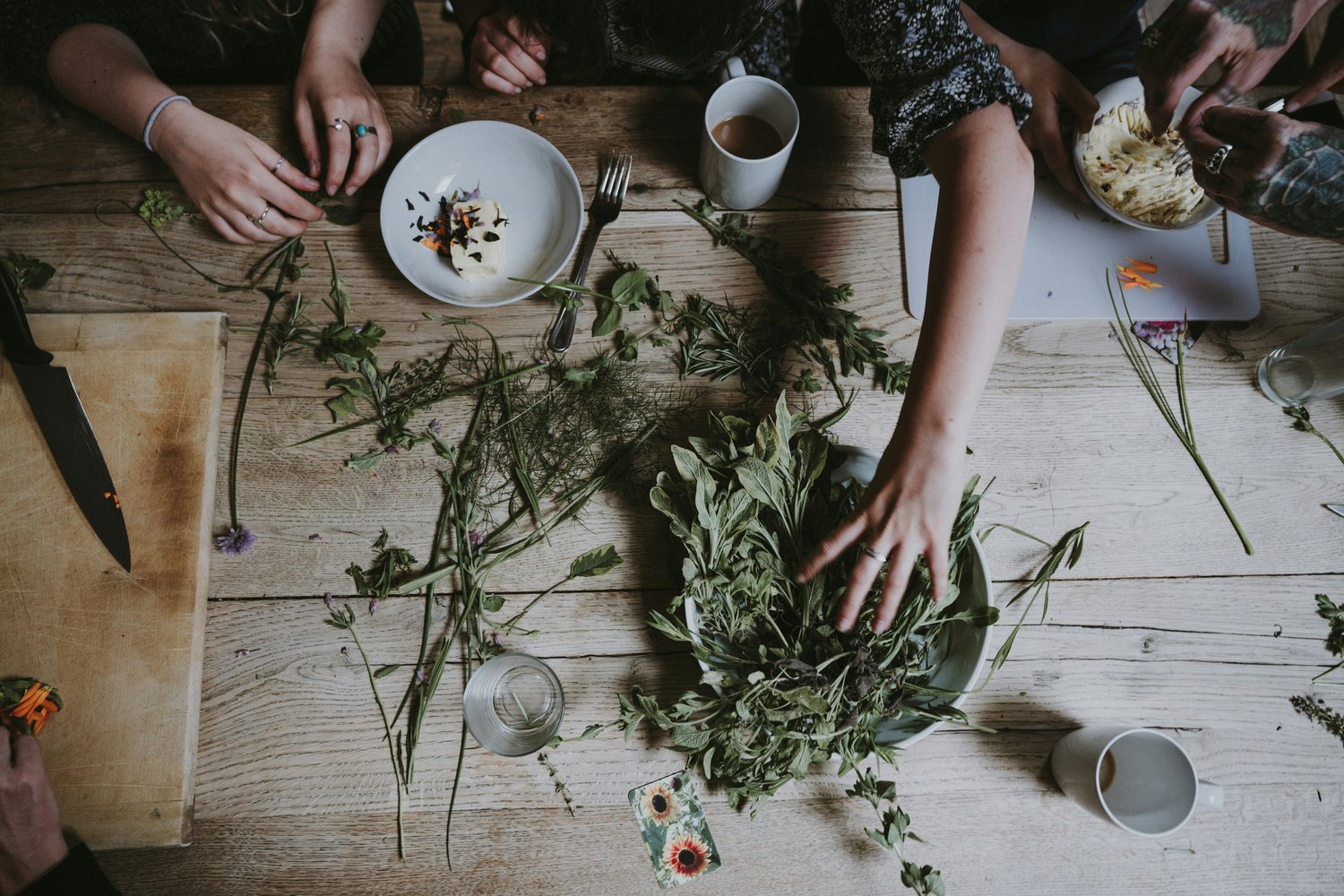
While herbs are not a replacement for medical care or healthy sleep habits, many have been used for centuries to support relaxation and promote restful sleep. Modern research is continuing to explore how some of these traditional botanicals may complement an overall wellness routine.
If you're looking for a natural way to support your evening routine, these ten herbs are among the most well-known for encouraging relaxation and healthy sleep.
1. Chamomile (Matricaria chamomilla)
Chamomile is one of the world's most recognized calming herbs.
Traditionally enjoyed as an evening tea, chamomile has been used to promote relaxation and support restful sleep while also soothing occasional digestive discomfort.
Traditionally Used For:
- Relaxation
- Mild nervous tension
- Digestive comfort
- Bedtime rituals
Ways to Enjoy:
- Herbal tea
- Tincture
- Capsules
2. Lemon Balm (Melissa officinalis)
Lemon balm belongs to the mint family and has been valued in herbal traditions for centuries.
Its gentle lemon aroma makes it a popular ingredient in calming teas designed to support emotional balance and relaxation.
Traditionally Used For:
- Stress support
- Relaxation
- Mental calmness
- Restful sleep
Ways to Enjoy:
- Tea
- Fresh leaves
- Tincture
3. Lavender (Lavandula angustifolia)
Lavender is perhaps best known for its calming fragrance.
Whether enjoyed as a tea, used in aromatherapy, or added to a warm bath, lavender has long been associated with relaxation.
Traditionally Used For:
- Relaxation
- Stress management
- Evening routines
- Emotional well-being
Ways to Enjoy:
- Essential oil diffuser
- Herbal tea
- Bath soak
- Sachets placed near the bed
4. Passionflower (Passiflora incarnata)
Passionflower has been traditionally used to calm a busy mind and encourage relaxation before bedtime.
It is commonly included in herbal sleep blends.
Traditionally Used For:
- Occasional nervousness
- Relaxation
- Restful sleep
Ways to Enjoy:
- Tea
- Tincture
- Capsules
5. Valerian Root (Valeriana officinalis)
Valerian root has one of the longest histories of traditional use for promoting restful sleep.
Its earthy aroma is distinctive, but many herbalists value it as a nighttime botanical.
Traditionally Used For:
- Sleep support
- Relaxation
- Nervous system support
Ways to Enjoy:
- Capsules
- Tea
- Tincture
Note: Valerian may not be appropriate for everyone and can interact with certain medications. Consult your healthcare provider before use.
6. Ashwagandha (Withania somnifera)
Ashwagandha is classified as an adaptogenic herb, meaning it has traditionally been used to help the body adapt to stress.
Rather than acting as a sedative, it may help support resilience during periods of ongoing stress.
Traditionally Used For:
- Stress management
- Emotional balance
- Healthy energy levels
- Overall wellness
Ways to Enjoy:
- Powder
- Capsules
- Tincture
7. Holy Basil (Tulsi) (Ocimum tenuiflorum)
Tulsi has been treasured in Ayurvedic traditions for thousands of years.
Often referred to as the "Queen of Herbs," it has traditionally been used to support stress resilience and overall vitality.
Traditionally Used For:
- Stress support
- Emotional wellness
- Calm focus
Ways to Enjoy:
- Tea
- Fresh leaves
- Capsules
8. California Poppy (Eschscholzia californica)
Despite its name, California poppy is not the same as the opium poppy.
It has traditionally been used as a gentle calming herb to encourage relaxation and support restful sleep.
Traditionally Used For:
- Relaxation
- Evening calm
- Sleep support
Ways to Enjoy:
- Tincture
- Tea
- Capsules
9. Skullcap (Scutellaria lateriflora)
Skullcap has a long history in North American herbalism.
It is often used by herbalists to help calm nervous tension and promote relaxation.
Traditionally Used For:
- Nervous system support
- Relaxation
- Emotional balance
Ways to Enjoy:
- Tea
- Tincture
- Capsules
10. Oatstraw (Avena sativa)
Oatstraw is considered a nourishing herb rather than a sedative.
Rich in minerals, it has traditionally been used to support the nervous system during periods of prolonged stress.
Traditionally Used For:
- Nervous system nourishment
- Stress recovery
- Gentle relaxation
Ways to Enjoy:
- Tea
- Infusions
- Tincture
Lifestyle Habits That Improve Sleep Naturally
Herbs work best when paired with healthy daily habits.
Consider building an evening routine that includes:
- Going to bed at the same time each night
- Limiting screen exposure before bedtime
- Spending time outdoors during the day
- Exercising regularly
- Practicing meditation or deep breathing
- Avoiding excessive caffeine late in the day
- Keeping your bedroom cool, dark, and quiet
- Eating a balanced, nutrient-rich diet
Think of herbs as one piece of a larger wellness plan rather than a quick fix.
Herbal Safety Matters
Natural does not always mean risk-free.
Some herbs may interact with:
- Prescription medications
- Over-the-counter medications
- Dietary supplements
Others may not be appropriate during pregnancy, breastfeeding, or for people with certain health conditions.
Always purchase herbs from reputable suppliers and consult a qualified healthcare professional before beginning a new herbal regimen.
A Holistic Approach to Rest
Quality sleep depends on more than a single herb.
True rest is supported by caring for the whole person.
Mind
- Stress management
- Healthy emotional expression
- Mindfulness
Body
- Nutritious food
- Regular movement
- Hydration
- Consistent sleep habits
Soul
- Time in nature
- Meaningful relationships
- Gratitude
- Spiritual practices
When these areas are nurtured together, restful sleep often becomes easier to achieve.
Final Thoughts
Sleep is one of the most powerful forms of healing available to the body.
Whether you're navigating stress, burnout, or simply trying to establish a healthier bedtime routine, herbs may offer gentle support as part of a comprehensive approach to wellness.
Combined with nourishing foods, regular exercise, emotional well-being, and healthy sleep habits, these traditional botanicals can become valuable allies on your journey toward better rest.
Remember, the goal isn't just to sleep longer—it's to wake up feeling restored, refreshed, and ready to embrace each new day with clarity and resilience.
At Holistify Me, we believe that true wellness begins by caring for the mind, body, and soul—because restorative sleep is one of nature's greatest gifts.
Comments ()