

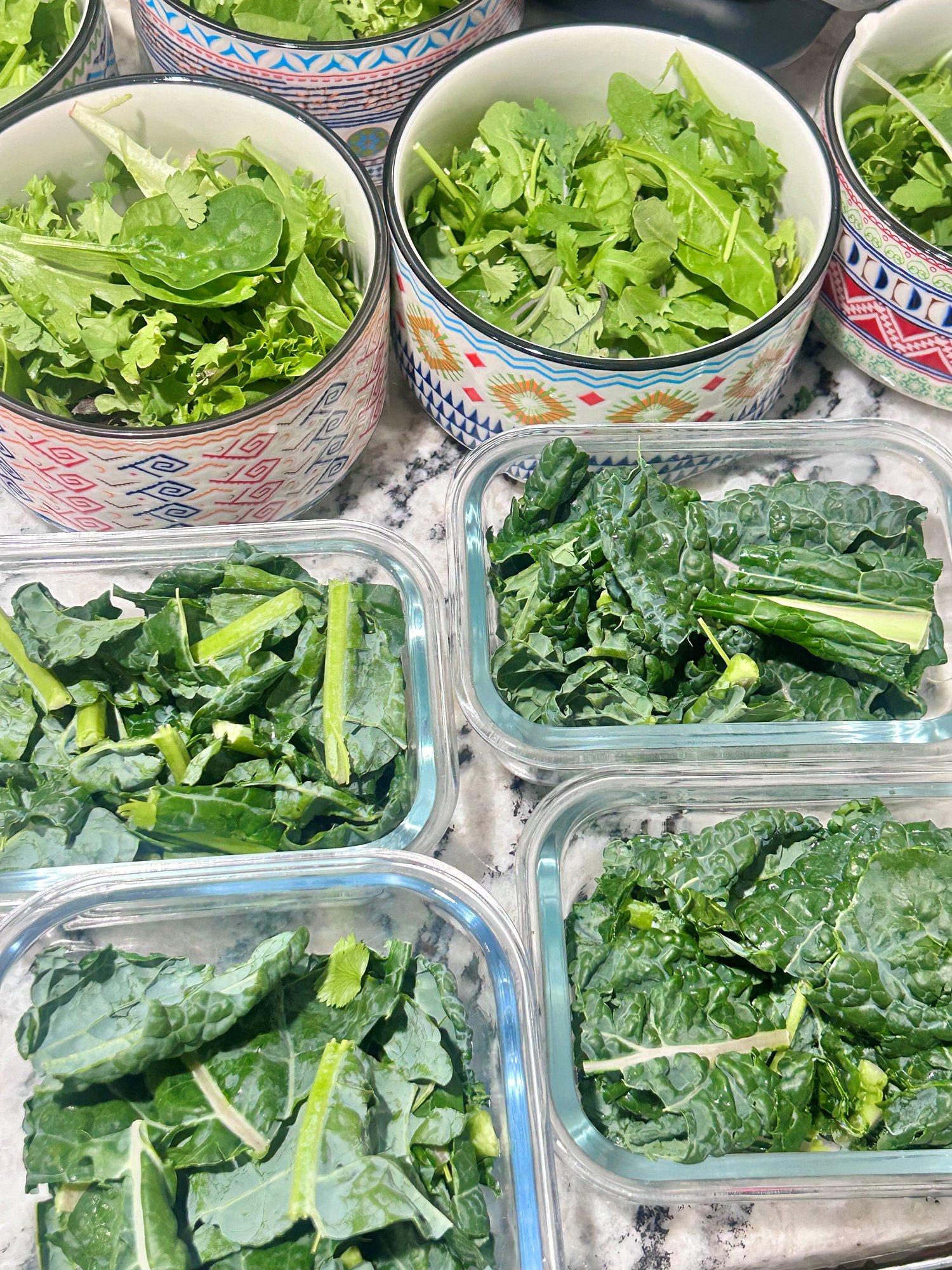
Greens aren’t “healthy” just because the wellness world says so—they’re useful because of what they do inside your digestive system. When they work for you, you feel lighter, more regular, and less inflamed. When they don’t, it’s usually a digestion issue—not the greens themselves.
Let’s break down why they actually matter.
1. Fiber That Keeps Things Moving
Leafy greens like spinach, kale, and arugula are rich in dietary fiber.
That fiber does two important things:
- Insoluble fiber adds bulk → helps prevent constipation
- Soluble fiber feeds gut bacteria → supports a healthy microbiome
If your digestion feels slow or sluggish, greens are often part of the fix.
2. Natural Digestive Stimulation (Bitters)
Many greens—especially bitter ones like dandelion greens—activate your digestive system.
Bitters help:
- Stimulate stomach acid
- Trigger enzyme release
- Support bile flow from the liver
Translation: your body actually breaks food down more efficiently.
This is huge if you deal with bloating or that “food just sits there” feeling.
3. Magnesium for Smooth Muscle Function
Greens are naturally high in magnesium, which supports the muscles in your digestive tract.
That means:
- Better bowel movements
- Less cramping
- More consistent elimination
Magnesium is one of those quiet nutrients that makes digestion feel effortless when it’s sufficient.
4. Chlorophyll for Gut Environment Support
That deep green color isn’t just aesthetic—it comes from chlorophyll.
Chlorophyll may:
- Support detox pathways
- Help balance gut bacteria
- Reduce internal irritation
Think of it as helping “clean up” the digestive environment so things can function properly.
5. Hydration + Enzyme Support
Greens have a high water content and contain natural enzymes that assist in breaking food down.
This is especially helpful if:
- You eat a lot of dense or cooked foods
- Your digestion feels heavy after meals
They bring a level of “lightness” that your gut appreciates.
But Here’s the Truth Most People Skip
Greens only help digestion if your body can handle them.
If you experience:
- Bloating after salads
- Gas from smoothies
- Discomfort after raw veggies
That’s not your body rejecting greens—it’s a sign your digestion needs support.
Raw greens can be harder to break down, especially if:
- Your stomach acid is low
- Your gut is inflamed
- You’re eating them too fast or in large amounts
How to Use Greens Strategically
If you want real digestive benefits, be intentional:
- Start with lightly cooked greens instead of raw
- Add bitters before meals (like arugula or herbal blends)
- Chew thoroughly—don’t rush salads
- Pair greens with healthy fats to improve nutrient absorption
Bottom Line
Greens support digestion because they:
- Feed your gut
- Stimulate digestive function
- Support elimination
- Create a healthier internal environment
But they’re not magic on their own.
It’s not just about eating greens—it’s about how your body processes them.
Comments ()