

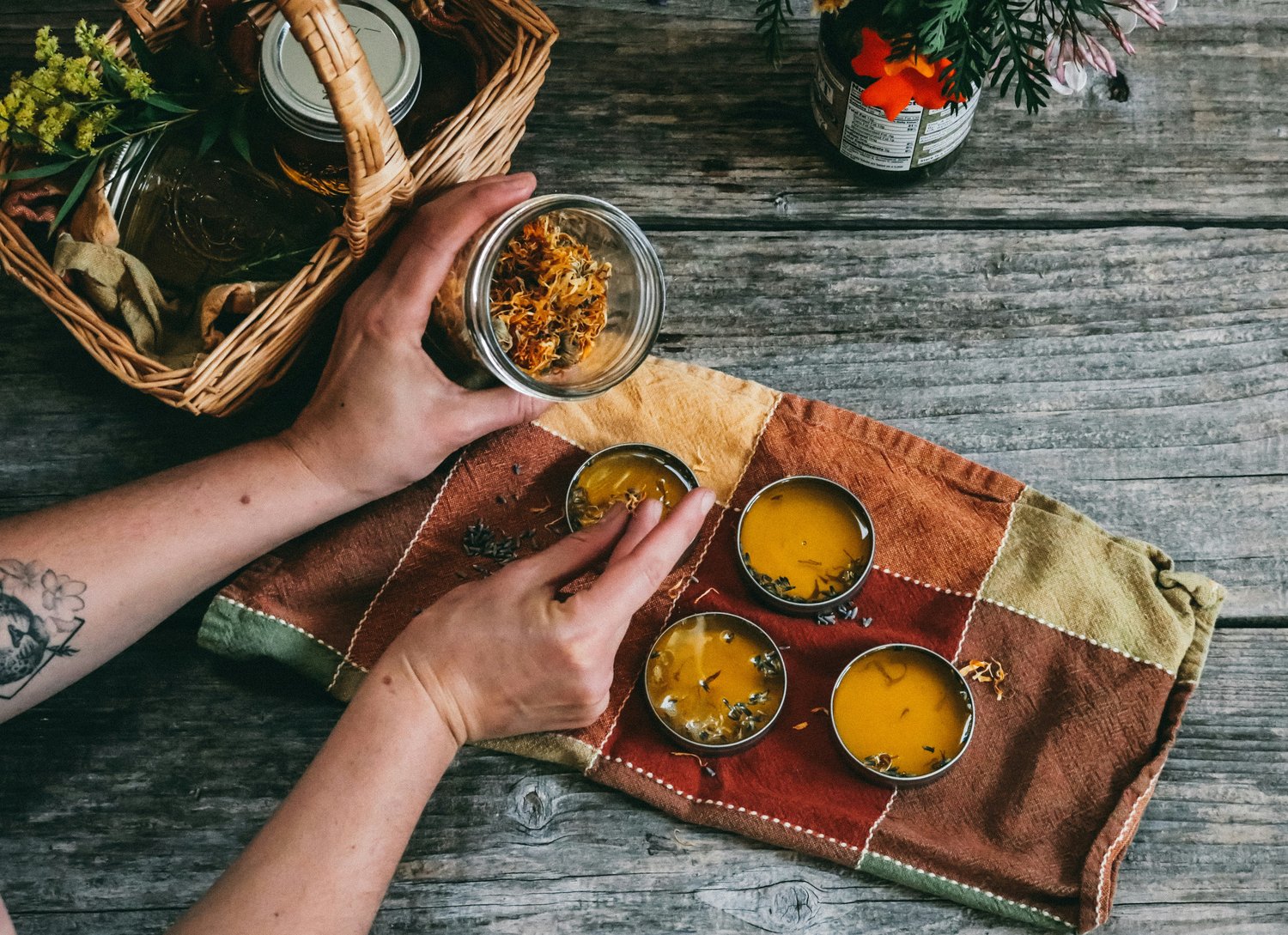
Understanding the Science, Limitations, and Complexity of Natural Healing
Natural remedies have been used for centuries to support health, manage symptoms, and promote overall well-being. From herbal teas and medicinal mushrooms to essential oils, nutritional supplements, and traditional healing practices, nature offers an abundance of therapeutic resources. However, not every natural remedy produces the results we expect.
You may have tried an herb for digestion, a supplement for energy, or a natural remedy for inflammation, only to find that nothing seemed to change. Does that mean natural medicine doesn't work? Not necessarily.
The effectiveness of a natural remedy depends on several factors, including individual biology, the quality of the remedy, dosage, preparation, underlying health conditions, and the strength of the scientific evidence supporting its use.
Understanding these factors can help you make more informed decisions about your holistic health journey.
1. You're Addressing the Symptom, Not the Root Cause
One of the most common reasons natural remedies fall short is that they are being used to address symptoms without investigating why those symptoms exist in the first place.
For example:
- Drinking peppermint tea for bloating when the underlying issue is a food intolerance.
- Taking adaptogenic herbs for fatigue when the actual cause is iron deficiency.
- Using lavender for poor sleep when an undiagnosed sleep disorder is present.
- Taking supplements for hair growth when hair loss is related to thyroid dysfunction or nutritional deficiencies.
Although certain natural remedies may temporarily alleviate discomfort, they may not resolve the underlying condition responsible for it. Holistic health encourages us to look beyond the symptom and consider the bigger picture.
The question shouldn't simply be, “What natural remedy can help this symptom?” but also, “Why am I experiencing this symptom in the first place?”
2. You're Using the Wrong Remedy for Your Body
Just because a natural remedy works exceptionally well for someone else doesn't mean it will work the same way for you. Every individual has a unique biological makeup influenced by genetics, metabolism, hormonal activity, digestive health, medical history, and environmental exposures.
For example, peppermint may help relieve certain digestive symptoms but worsen acid reflux in some individuals. An herb that helps one person feel relaxed may cause unwanted side effects in another.
Factors that influence your response include:
- Genetic variations
- Hormonal fluctuations
- Gut microbiome composition
- Liver and kidney function
- Nutritional status
- Existing health conditions
- Individual sensitivities
This is why a personalized approach to holistic health is so important. Natural medicine should not be approached with a one-size-fits-all mentality.
3. You're Not Using the Appropriate Dosage
Dosage matters in herbal medicine just as it does in conventional medicine. Plants contain biologically active compounds, including alkaloids, flavonoids, terpenes, tannins, and polyphenols. These compounds can influence various physiological processes within the body. However, an insufficient dosage may not produce a meaningful therapeutic effect, while an excessive dosage may cause adverse reactions or toxicity.
Factors that influence dosage include:
- The concentration of active compounds
- The form of the remedy
- The frequency of consumption
- The intended therapeutic purpose
- Individual health status
- The body's ability to absorb and metabolize the compounds
More does not necessarily mean better. The objective is to use an appropriate, evidence-informed amount rather than simply increasing consumption until something happens.
4. You're Using the Wrong Preparation Method
How an herb is prepared can significantly influence which beneficial compounds are extracted and made available to the body. Different plant compounds have different solubility properties. Some dissolve readily in water, while others are better extracted using alcohol or other solvents.
Herbal Infusions
Generally suitable for delicate plant materials such as leaves and flowers.
Examples: peppermint, nettle leaf, chamomile, and lemon balm.
Herbal Decoctions
Often used for tougher plant materials that require prolonged heating.
Examples: burdock root, dandelion root, and ginger root.
Herbal Tinctures
Liquid extracts commonly made using alcohol and water, allowing for the extraction of a range of plant compounds.
Herbal Capsules and Extracts
May provide powdered plant material or concentrated extracts, depending on the formulation.
Herbal Oil Infusions
Useful for extracting certain fat-soluble compounds, often for topical applications.
An improperly prepared herb may not deliver the same composition or concentration of compounds as the preparation used in scientific research.
The herb itself may not be the problem. The preparation method could be.
5. You're Expecting Immediate Results
We live in a culture that prioritizes convenience and instant gratification. Unfortunately, many physiological processes do not operate on that timeline. Some natural remedies may provide relatively quick symptom relief, while others may require consistent use over several weeks before their effects can reasonably be assessed.
Processes that often require time include:
- Correcting nutritional deficiencies
- Restoring healthy sleep patterns
- Improving digestive function
- Supporting cardiovascular health
- Building muscle and improving metabolic health
- Improving stress management
- Restoring healthy skin barrier function
However, it is equally important to recognize that not every remedy becomes effective simply because you use it longer.
If a remedy consistently produces no improvement within an appropriate timeframe, reassess its suitability rather than continuing indefinitely.
Patience is valuable, but so is recognizing when an approach isn't working.
6. You're Not Considering Bioavailability
Bioavailability refers to the extent and rate at which a substance becomes available to the body after administration. Simply consuming a beneficial compound does not guarantee that your body will absorb or utilize it effectively.
For example, curcumin, one of the primary active compounds found in turmeric, has relatively poor oral bioavailability in many formulations. Similarly, certain digestive disorders can interfere with nutrient absorption.
Factors that may affect bioavailability include:
- Digestive enzyme activity
- Intestinal health
- Food combinations
- Chemical structure
- Supplement formulation
- Metabolic processes
- Medication interactions
This is one reason why two products containing the same herb may produce different results.
What you consume and what your body can actually utilize are not necessarily the same thing.
7. Your Lifestyle Is Working Against the Remedy
Natural remedies are not designed to compensate for every unhealthy habit or lifestyle imbalance. Consider someone who takes an herbal remedy for stress but continues to experience chronic sleep deprivation, excessive caffeine consumption, inadequate nutrition, and overwhelming daily responsibilities. The remedy may offer some support, but the contributing factors remain present.
Lifestyle factors that can undermine your health goals include:
- Chronic stress
- Insufficient sleep
- Nutrient deficiencies
- Excessive alcohol consumption
- Physical inactivity
- Inadequate caloric intake
- Overtraining without sufficient recovery
- Poorly managed chronic health conditions
A natural remedy is one component of a larger health strategy. Drinking chamomile tea cannot replace adequate sleep. Taking magnesium cannot eliminate every source of chronic stress. Consuming anti-inflammatory herbs cannot compensate for every dietary or lifestyle factor contributing to inflammation.
Holistic health requires us to examine how our daily behaviors collectively influence our well-being.
8. The Quality of Your Natural Remedy Is Poor
Not all herbal products are created equal. The quality and chemical composition of an herb can vary considerably depending on how it was grown, harvested, processed, and stored.
Factors that influence herbal quality include:
- Soil and growing conditions
- Harvesting time
- Plant species and identification
- The part of the plant used
- Drying and processing methods
- Exposure to heat, light, and moisture
- Storage duration
- Contamination or adulteration
Some commercial products may also contain insufficient amounts of the advertised ingredient or unnecessary fillers. In the United States, dietary supplements generally do not undergo FDA approval for safety and effectiveness before being marketed. This makes researching manufacturers and looking for independent quality testing particularly important.
When purchasing herbal products, look for transparent ingredient labeling, botanical names, clear dosage information, reputable sourcing, and appropriate quality testing.
An inexpensive product isn't necessarily ineffective, and an expensive product isn't necessarily superior.
9. You're Experiencing Herb, Supplement, or Medication Interactions
Natural substances are biologically active, which means they can interact with other substances in the body. Certain herbs may increase or decrease the effectiveness of medications, interfere with their metabolism, or amplify their side effects.
For example:
- St. John's wort can reduce the effectiveness of certain medications, including some hormonal contraceptives.
- Licorice root containing glycyrrhizin can increase blood pressure and reduce potassium levels.
- Sedative herbs may increase drowsiness when combined with certain medications.
- Iron and calcium supplements can interfere with the absorption of certain medications when taken together.
Combining multiple herbs and supplements without understanding their potential interactions may also increase the risk of unwanted effects.
Natural does not mean chemically inactive. Plants contain powerful compounds that can influence human physiology in both beneficial and harmful ways.
10. The Remedy May Not Have Sufficient Scientific Evidence
One of the most important aspects of responsible herbalism is acknowledging the difference between traditional use and scientifically demonstrated effectiveness.
An herb may have been used for centuries for a particular purpose, but historical use alone does not establish clinical effectiveness.
There are several different levels of evidence:
- Traditional use: Knowledge accumulated through cultural and historical practices.
- Anecdotal evidence: Individual experiences and personal testimonials.
- Laboratory research: Studies examining compounds, cells, and biological mechanisms.
- Animal research: Studies investigating effects in nonhuman subjects.
- Human clinical trials: Research evaluating effectiveness and safety in people.
- Systematic reviews: Evaluations of findings across multiple studies.
A compound that demonstrates impressive antioxidant, antimicrobial, or anti-inflammatory activity in a laboratory may not produce the same results in the human body. Traditional knowledge deserves respect, but it should not be confused with scientific certainty.
The strength of evidence supporting herbal remedies varies considerably from one herb and health condition to another.
11. You're Misinterpreting Side Effects as Healing
A common misconception within the natural wellness community is that feeling worse means a remedy is working.
Headaches, nausea, diarrhea, dizziness, skin irritation, and fatigue are sometimes described as detoxification symptoms or healing reactions.
However, these symptoms may actually indicate:
- An adverse reaction
- An inappropriate dosage
- An allergic response
- A medication interaction
- Digestive irritation
- Toxicity
- An unrelated medical condition
There is no general scientific basis for assuming that experiencing uncomfortable symptoms after taking an herbal remedy means your body is eliminating toxins or undergoing a healing process.
Do not ignore persistent or worsening symptoms in the name of natural healing. Stop using a suspected problematic supplement and seek appropriate medical advice.
Feeling worse is not proof that you are getting better.
12. Your Condition Requires More Than Natural Medicine
Natural remedies have a valuable place in healthcare, but they also have limitations. Certain health conditions require medical intervention, prescription medications, diagnostic testing, surgery, or other specialized treatments.
Examples include:
- Serious bacterial infections
- Severe nutritional deficiencies
- Uncontrolled diabetes
- Significant hormonal disorders
- Organ dysfunction
- Severe allergic reactions
- Certain autoimmune diseases
- Cancer
Choosing a holistic approach does not mean rejecting conventional medicine. True holistic healthcare recognizes the value of nutrition, herbalism, movement, emotional well-being, preventive care, and appropriate medical intervention.
The goal should always be to support the individual's health rather than remain loyal to one particular healing modality.
How to Make Natural Remedies Work More Effectively
Before incorporating a natural remedy into your wellness routine, consider the following questions:
- Have I identified the potential underlying cause of my symptoms?
- Is this remedy appropriate for my individual health needs?
- Is there credible scientific evidence supporting its intended use?
- Am I using the appropriate preparation and dosage?
- Is the product sourced from a reputable manufacturer?
- Could it interact with my medications or other supplements?
- Am I allowing a reasonable amount of time to evaluate its effectiveness?
- Are my lifestyle habits supporting my health goals?
- How will I objectively measure whether it is working?
- Is this a condition that requires professional medical attention?
Keeping a wellness journal can also help you identify patterns, monitor symptoms, document adverse reactions, and determine whether a particular remedy is providing meaningful benefits.
Whenever possible, introduce new remedies individually rather than starting several simultaneously. This makes it easier to evaluate your body's response.
Natural Does Not Always Mean Safe, Gentle, or Effective
Nature produces substances capable of nourishing, healing, stimulating, sedating, irritating, and poisoning the human body.
The origin of a substance does not determine its safety or therapeutic value.
Likewise, synthetic does not automatically mean harmful, and natural does not automatically mean superior.
Responsible herbalism requires an understanding of plant chemistry, human physiology, dosage, contraindications, and scientific research.
We should approach natural medicine with both appreciation and critical thinking.
Blind faith in natural remedies can be just as problematic as dismissing their potential altogether.
Final Thoughts: Healing Requires More Than a Remedy
Natural remedies can be valuable tools for supporting health, but they are not magical solutions. Their effectiveness depends on the remedy, the individual, the underlying condition, and the circumstances surrounding its use.
Sometimes, you need a different herb.
Sometimes, you need a different preparation.
Sometimes, you need to address a nutritional deficiency or change a lifestyle habit.
Sometimes, you need medical intervention.
And sometimes, the remedy simply does not work.
At Holistify Me, we believe that holistic wellness begins with education, self-awareness, informed decision-making, and an understanding of the interconnected nature of human health.
The objective is not to replace every conventional treatment with something natural. It is to cultivate a comprehensive, evidence-informed approach to caring for the body, mind, and spirit.
Nature is a powerful resource, but knowledge is what allows us to use it wisely.
Educational Resources & References
- National Center for Complementary and Integrative Health – Using Dietary Supplements Wisely
- National Institutes of Health – Botanical Dietary Supplements
- NCCIH – Herbs at a Glance
- FDA – Mixing Medications and Dietary Supplements Can Endanger Your Health
- NCCIH – Natural Doesn't Necessarily Mean Safer, or Better
Disclaimer: This article is intended for educational purposes only and is not a substitute for professional medical advice, diagnosis, or treatment. Consult a qualified healthcare professional before introducing herbal remedies or dietary supplements, particularly if you take medications, are pregnant or breastfeeding, or have an existing medical condition.
Comments ()