

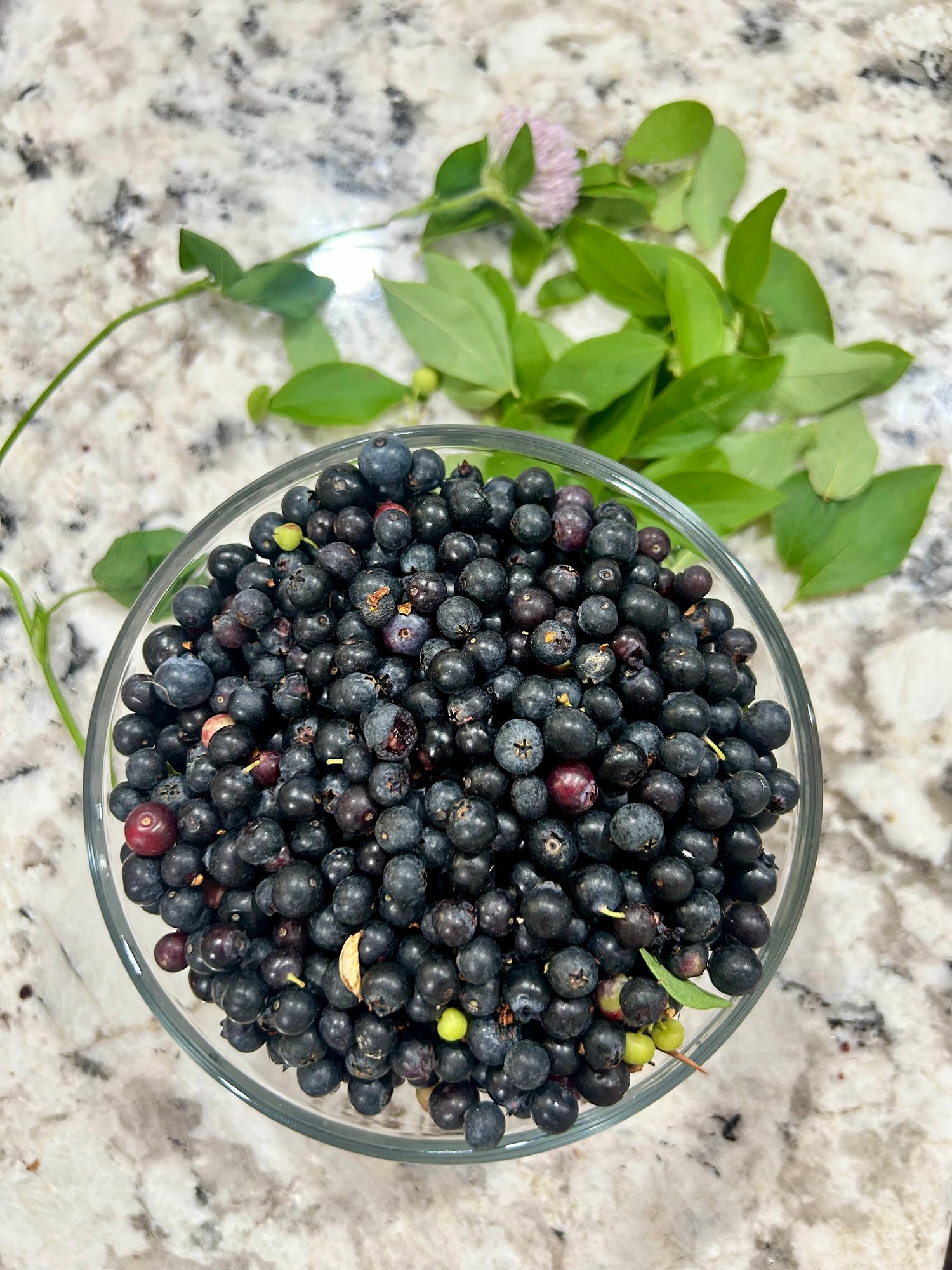
When most people think of blueberries, they picture the plump berries commonly found in grocery stores. However, hidden among rocky hillsides, forests, and open barrens grows a smaller, often more flavorful relative—the Wild Lowbush Blueberry.
These tiny berries have been enjoyed for centuries by Indigenous peoples and foragers throughout North America. Known for their intense sweet-tart flavor and exceptional nutrient density, wild lowbush blueberries are often considered one of nature's most powerful superfoods.
Let's explore what makes these wild berries so special, their potential health benefits, and how they compare to the blueberries commonly found in supermarkets.
What Are Wild Lowbush Blueberries?
Wild lowbush blueberries belong primarily to the species Vaccinium angustifolium and related wild Vaccinium species.
Unlike cultivated highbush blueberries, lowbush blueberries:
- Grow naturally in the wild
- Spread through underground rhizomes
- Form dense colonies or "blueberry barrens"
- Typically reach only 6–24 inches in height
- Produce smaller berries with concentrated flavor
These hardy plants thrive in acidic soils and are commonly found throughout northeastern North America.


A Brief History
Wild blueberries have been harvested for thousands of years.
Many Indigenous communities used blueberries as:
- A fresh food source
- A dried winter food
- A medicinal plant
- An ingredient in pemmican and traditional dishes
Today, wild blueberries remain an important part of regional food traditions throughout parts of the United States and Canada.
Nutritional Profile
Despite their small size, wild lowbush blueberries pack a remarkable nutritional punch.
They contain:
- Dietary fiber
- Vitamin C
- Vitamin K
- Manganese
- Potassium
- Folate
- Polyphenols
- Anthocyanins
- Antioxidants
Because the berries have a higher skin-to-flesh ratio than cultivated blueberries, they often contain higher concentrations of beneficial plant compounds.
Powerful Antioxidant Properties
One reason wild blueberries receive so much attention is their antioxidant content.
Antioxidants help neutralize unstable molecules known as free radicals, which can contribute to:
- Cellular damage
- Premature aging
- Chronic inflammation
- Oxidative stress
The deep blue-purple pigments in blueberries come from compounds called anthocyanins, which are largely responsible for many of their health-promoting properties.
Potential Health Benefits
1. Supports Brain Health
Research suggests blueberry anthocyanins may help support:
- Memory
- Cognitive performance
- Healthy aging of the brain
- Communication between brain cells
Some studies have linked regular blueberry consumption with improved cognitive function and memory retention.
2. Supports Heart Health
The nutrients and antioxidants in wild blueberries may help support:
- Healthy blood vessels
- Circulation
- Blood pressure regulation
- Cholesterol balance
Their anti-inflammatory properties may also contribute to overall cardiovascular wellness.
3. Helps Combat Inflammation
Chronic inflammation has been linked to numerous health concerns.
Wild blueberries contain plant compounds that may help support a healthy inflammatory response throughout the body.
4. Supports Digestive Health
Wild blueberries provide dietary fiber that can help:
- Promote regular bowel movements
- Support beneficial gut bacteria
- Improve digestive comfort
- Support overall gut health
The fiber content also contributes to feelings of fullness.
5. May Support Blood Sugar Balance
Although naturally sweet, blueberries have a relatively low glycemic impact compared to many processed snacks and desserts.
Their fiber and polyphenol content may help support healthy blood sugar regulation when consumed as part of a balanced diet.
6. Supports Immune Function
Vitamin C, antioxidants, and various phytonutrients work together to support a healthy immune system and help protect cells from oxidative stress.
Wild Lowbush Blueberries vs. Regular (Highbush) Blueberries
Many people wonder whether wild blueberries are actually healthier than the larger cultivated varieties.
Plant Height
Wild Lowbush Blueberries
- 6–24 inches tall
- Grow close to the ground
- Spread naturally through underground rhizomes
Regular Highbush Blueberries
- 5–12 feet tall
- Upright shrub growth
- Typically planted and managed in cultivated rows
Growing Method
Wild Lowbush Blueberries
- Grow naturally in the wild
- Minimal human intervention
- Thrive in forests, barrens, and rocky landscapes
Regular Highbush Blueberries
- Commercially cultivated
- Managed through farming practices
- Grown for larger yields and easier harvesting
Berry Size
Wild Lowbush Blueberries
- Small and compact
- Typically pea-sized
- More skin relative to flesh
Regular Highbush Blueberries
- Larger berries
- Often two to three times bigger
- More flesh relative to skin
Flavor
Wild Lowbush Blueberries
- Intense blueberry flavor
- Sweet with a pleasant tartness
- More concentrated taste
Regular Highbush Blueberries
- Milder flavor
- Generally sweeter
- Less intense blueberry character
Texture
Wild Lowbush Blueberries
- Firmer texture
- Less watery
- Hold up well in baking
Regular Highbush Blueberries
- Juicier
- Softer texture
- Higher water content
Antioxidant Content
Wild Lowbush Blueberries
- Generally higher antioxidant levels
- Greater concentration of anthocyanins
- More protective plant compounds per serving
Regular Highbush Blueberries
- Rich in antioxidants
- Lower concentrations compared to wild varieties
- Still highly nutritious
Anthocyanin Content
Wild Lowbush Blueberries
- Typically higher
- Responsible for deep blue-purple color
- Associated with brain and heart health benefits
Regular Highbush Blueberries
- Contain anthocyanins
- Usually lower concentrations due to larger berry size
Fiber Content
Wild Lowbush Blueberries
- Often slightly higher per cup
- More skin contributes additional fiber
Regular Highbush Blueberries
- Good source of fiber
- Slightly less concentrated
Nutrient Density
Wild Lowbush Blueberries
- More nutrients packed into a smaller berry
- Often considered one of the most nutrient-dense fruits
Regular Highbush Blueberries
- Highly nutritious
- Lower nutrient concentration by volume
Availability
Wild Lowbush Blueberries
- Seasonal
- Often found through foraging or specialty markets
- Frequently sold frozen
Regular Highbush Blueberries
- Widely available year-round
- Found in most grocery stores
Best Uses
Wild Lowbush Blueberries
- Smoothies
- Muffins
- Pancakes
- Jams
- Sauces
- Foraged culinary dishes
Regular Highbush Blueberries
- Fresh snacking
- Fruit salads
- Baking
- Yogurt toppings
- Everyday use
Bottom Line
Choose Wild Lowbush Blueberries if you want:
- Maximum antioxidant content
- Stronger blueberry flavor
- Greater nutrient density
- A true wild food experience
Choose Regular Highbush Blueberries if you want:
- Larger berries
- Easier availability
- Sweeter flavor
- Convenient year-round access
Winner for Nutrition: Wild Lowbush Blueberries 🫐
Winner for Convenience: Regular Highbush Blueberries 🛒
Winner for Flavor Intensity: Wild Lowbush Blueberries 🌲🫐
The best option? Enjoy both. Each provides valuable nutrients, fiber, vitamins, and antioxidants, but wild lowbush blueberries often earn their "superfood" reputation thanks to their exceptionally high concentration of beneficial plant compounds.
Why Wild Blueberries Often Contain More Antioxidants
Wild lowbush blueberries face environmental challenges such as:
- Harsh weather
- Pests
- Competition from surrounding vegetation
To survive, the plants naturally produce protective compounds, including anthocyanins and other polyphenols.
Because the berries are smaller and contain proportionally more skin, they often deliver a greater concentration of these beneficial compounds per serving.
Foraging for Wild Lowbush Blueberries
If you're fortunate enough to live where they grow, foraging can be a rewarding summer activity.
Look For
- Open forests
- Sandy or rocky soils
- Pine barrens
- Mountain clearings
- Recently burned areas
Harvesting Tips
- Pick only ripe blue berries.
- Leave unripe berries behind.
- Harvest responsibly.
- Avoid areas treated with pesticides.
- Respect private property and local regulations.
Culinary Uses
Wild lowbush blueberries are incredibly versatile.
They can be enjoyed:
- Fresh
- Frozen
- Dried
- In smoothies
- In oatmeal
- In muffins
- In pancakes
- In jams and preserves
- In herbal teas
- In sauces and reductions
Their concentrated flavor makes them especially prized by chefs and bakers.
A Forager's Favorite Pairing: Wild Blueberries and Chicken of the Woods
One of the most unique wild food combinations is pairing lowbush blueberries with Chicken of the Woods mushrooms.
The sweet-tart complexity of the berries balances the savory, meaty texture of the mushroom beautifully.
Try creating a simple blueberry gastrique by simmering:
- Wild blueberries
- Apple cider vinegar
- A touch of maple syrup
- Fresh thyme
Serve over sautéed Chicken of the Woods for a dish that highlights the incredible flavors found in the wild.
Final Thoughts
Wild lowbush blueberries may be small, but they are among the most nutrient-dense fruits nature has to offer. Their rich flavor, impressive antioxidant content, and long history of traditional use make them a favorite among foragers, herbalists, nutrition enthusiasts, and chefs alike.
Whether you're gathering them from a mountainside, adding them to your morning smoothie, or pairing them with wild mushrooms for a gourmet woodland meal, these tiny berries offer a delicious way to connect with nature while nourishing your body.
The next time you spot a patch of wild blueberries, remember: sometimes the smallest foods provide the biggest benefits. 🫐🌿🍄
Comments ()