

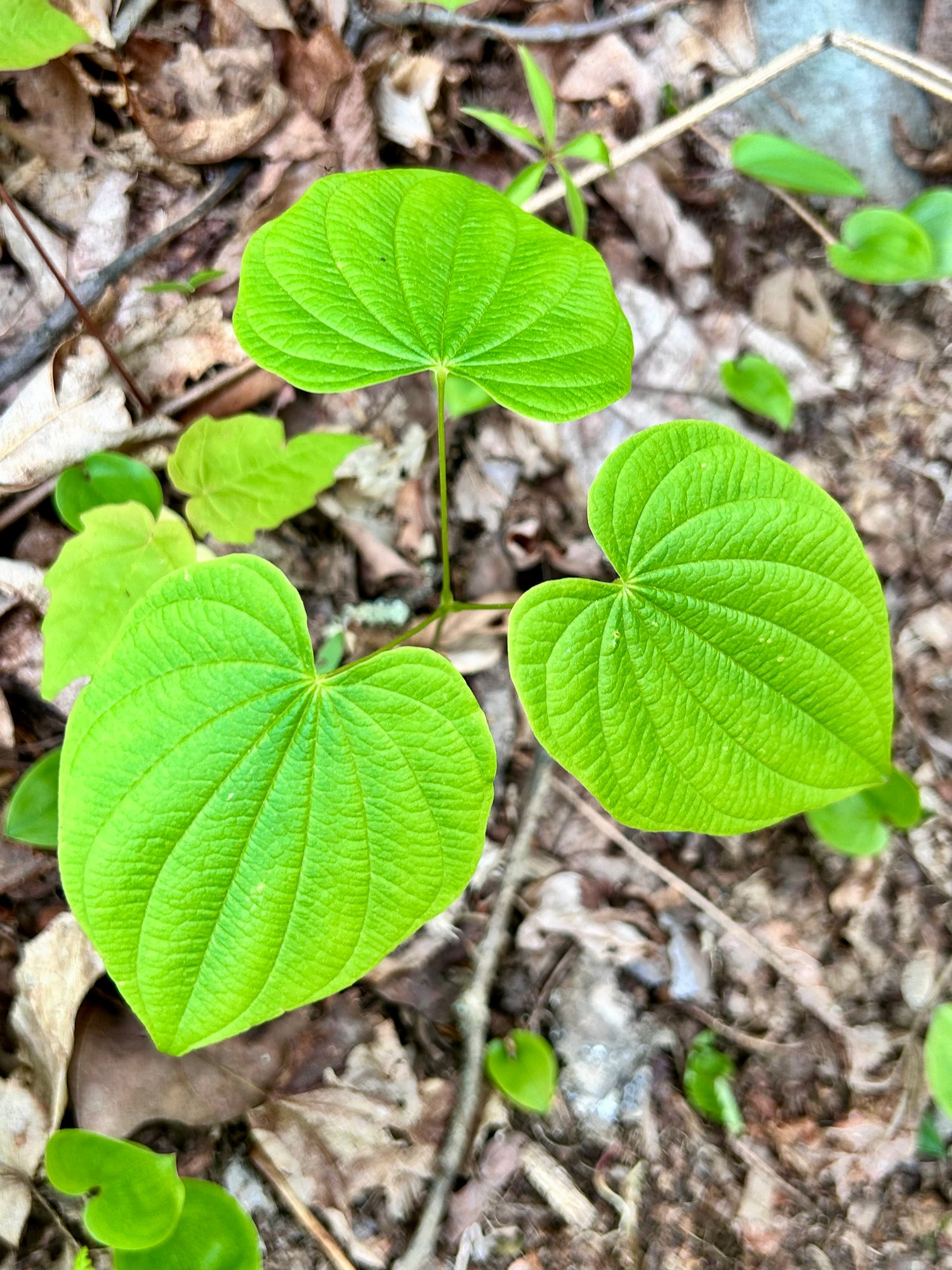
For centuries, Dioscorea villosa has held a respected place in traditional herbalism. This climbing woodland vine, native to parts of North America, became especially valued for its reputation as a relaxing, antispasmodic herb used to support cramping, tension, and digestive discomfort.
Despite its name, wild yam is not the same as the orange “yams” commonly sold in grocery stores. It is a completely different plant with a long medicinal history rooted in folk herbalism, Indigenous traditions, and early American botanical medicine.
What Is Wild Yam?
Wild yam is a perennial twining vine found growing along:
- woodland edges
- thickets
- fences
- moist forest areas
It produces:
- heart-shaped leaves
- slender climbing stems
- underground tubers/roots
The root is the primary medicinal part traditionally used in herbal preparations.
Why Herbalists Traditionally Used Wild Yam
Historically, wild yam became known as an herb associated with:
- relaxation
- cramp relief
- muscle tension support
- digestive calming
Traditional herbal systems often used it for:
- menstrual cramping
- intestinal spasms
- colic
- nervous tension
- rheumatic discomfort
- gallbladder-related spasmodic pain
In the 1800s, Eclectic physicians in America frequently referenced wild yam for what they described as “spasmodic conditions,” especially when pain appeared sharp, gripping, or tense in nature.
Wild Yam & Women’s Wellness
Wild yam is probably most famous today for its connection to women’s health.
Traditional herbalists commonly used wild yam root to support:
- menstrual comfort
- pelvic tension
- cyclical cramping
- menopausal transitions
Its long-standing reputation as a relaxing antispasmodic herb is one reason it became so closely associated with women’s wellness formulas.
However, there is also a major misconception online that wild yam naturally converts into progesterone inside the body.
That is not accurate.
Wild yam contains a compound called:
- diosgenin
Scientists learned how to chemically convert diosgenin into steroid hormones in laboratories, which helped influence pharmaceutical development. But the human body does not perform this conversion naturally on its own.
That distinction is important when evaluating marketing claims around wild yam creams and supplements.
The Root Is the Most Valued Part
One of the biggest surprises for many beginner foragers is learning that the leaves are not the primary medicinal portion of the plant.
The root contains the compounds most associated with wild yam’s traditional herbal reputation.
The leaves have occasionally appeared in minor folk applications, but historically:
- the root remained the central medicinal focus.
This is common in herbalism. Some plants are valued mainly for:
- roots
- bark
- flowers
- seeds
- or leaves
Wild yam is considered primarily a:
- root medicine herb.
What Does Wild Yam Taste Like?
Wild yam root is often described as:
- bitter
- earthy
- slightly woody
In traditional herbal energetics, it is commonly viewed as:
- relaxing
- grounding
- slightly drying
Traditional Preparations
Wild yam has traditionally been prepared as:
- decoctions (simmered root teas)
- tinctures
- powders
- capsules
Because the root is dense and fibrous, simmering was often preferred over simple steeping.
Wild Yam Lookalikes Matter
One reason proper identification matters is because woodland vines can easily be confused.
Common lookalikes include:
- Smilax
- bindweed species
- other twining woodland vines
Wild yam typically has:
- smooth stems
- no thorns
- heart-shaped leaves
- distinct arcing veins
Greenbrier, one of the most common lookalikes, usually develops:
- tendrils
- thorns
- thicker leaves
Foraging without careful identification can lead to mistakes, so learning multiple identifying traits is important.
Sustainability Matters
Because the medicinal portion is the root, overharvesting can kill the plant.
Responsible herbalism includes:
- ethical harvesting
- leaving healthy populations intact
- replanting when possible
- cultivation over excessive wild harvesting
A healthy relationship with medicinal plants includes protecting them for future generations.
Final Thoughts
Wild yam is one of those herbs that reflects the deeper philosophy of traditional herbalism:
- supporting tension,
- calming spasms,
- and encouraging balance rather than force.
Its history reminds us that many respected medicinal plants were valued not because they “override” the body, but because they support the body’s ability to soften, regulate, and recover.
And while modern wellness culture often chases quick results, wild yam represents a slower, steadier tradition of plant medicine rooted in observation, respect, and patience.
Comments ()