
Most problems inside a house can be seen or touched. Cracked walls, dripping pipes and peeling paint make themselves obvious. Air, however, hides its secrets. It looks clean even when it carries particles, gases and moisture that slowly damage a home and the people living in it. Texas homeowners live with a unique mix of climate and construction styles. High humidity, pollen, dust storms and ageing HVAC systems combine to create indoor conditions that are often far worse than anyone realises.
Air quality testing shines a light on what the eye cannot see. It turns guesses into measurements. It tells you whether your living room air is healthy, stale or potentially harmful. More than a one-off inspection, it becomes a tool for understanding how a house breathes. And in Texas, where weather and rapid development keep changing the housing stock, that knowledge is more valuable than ever.
Why Air Quality Matters More Inside Texas Homes
Outdoor pollution gets headlines. Yet people spend nearly 90 per cent of their time indoors. In Texas, hot summers and strong allergens drive families to keep windows closed and air conditioning running for long stretches. That traps contaminants inside. Small children, elderly residents and anyone with asthma are especially vulnerable.
Indoor pollutants do not just cause sneezing or mild irritation. They can worsen chronic respiratory conditions, trigger headaches, and affect sleep quality. Some contaminants even damage furniture and electronics over time. Because most Texas houses are sealed tightly for energy efficiency, pollutants recirculate unless the systems moving air are designed and maintained correctly. Without testing, you’re left to guess what you’re actually breathing.
Common Hidden Pollutants Detected During Testing
Air quality testing covers much more than dust counts. It looks for a wide spectrum of invisible problems. Volatile organic compounds leak from cleaning products, paints and new carpets long after installation. Fine particulate matter drifts in from traffic, construction sites and even kitchen activities. Carbon dioxide levels point to ventilation issues that make a house feel stuffy and increase fatigue.
Biological contaminants are another layer. Mold spores thrive in humid corners of ductwork. Bacteria and allergens settle into soft furnishings. Combustion by-products from nearby highways or attached garages add carbon monoxide or nitrogen dioxide to indoor air. Each contaminant behaves differently. Some spike at certain times of day. Others accumulate slowly. Testing shows these patterns and helps target fixes.
How Professionals Test Air Quality Inside Homes
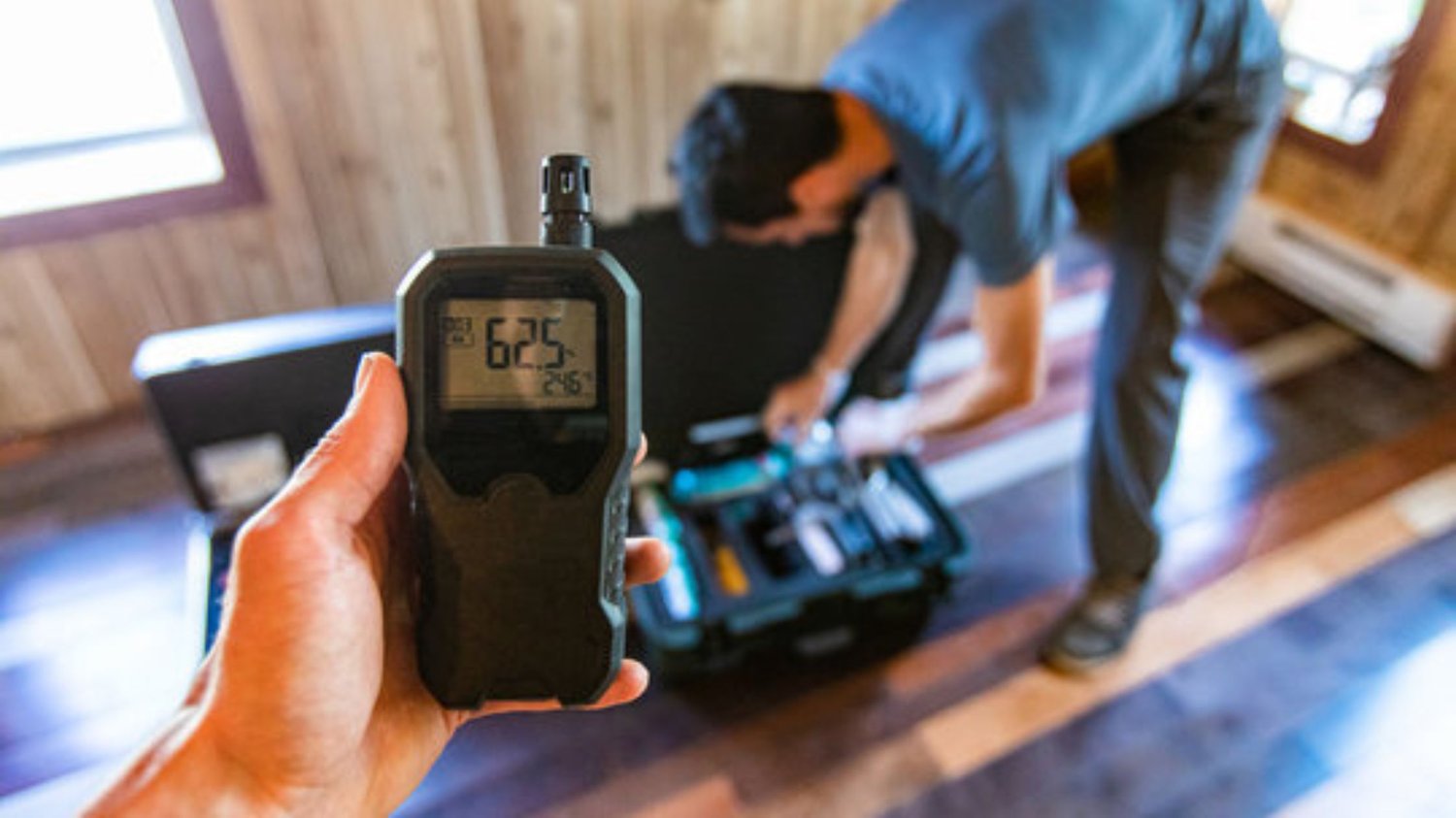
Good testing is systematic. It starts with an interview about symptoms, building history and recent renovations. Inspectors use calibrated instruments to sample air in different rooms and at different times. They measure particulates, gases, humidity and temperature. They may also take surface or bulk samples where hidden growth is suspected.
Data is then compared to established guidelines. Instead of a vague “pass” or “fail,” you get a profile of your indoor environment. This profile shows where the biggest risks are and whether they stem from outside infiltration, building materials or system failures. Testing can also be paired with other inspections. A skilled Home Inspector in Bellaire, TX might combine structural, moisture and air findings to create a full picture of a property’s health.
Signs a Texas Home May Need Air Quality Testing
Some indicators are obvious. Persistent musty smells, visible mold or unexplained condensation are red flags. So are frequent respiratory complaints among household members, headaches that fade when leaving the house, or worsening allergy symptoms indoors.
Less obvious signs can also signal trouble. A new energy-efficient retrofit can reduce natural air exchange. Adding pets increases dander loads. Construction nearby can push more dust and fine particles into your home. Even a simple change like sealing a fireplace can alter airflow patterns. Testing takes the guesswork out of whether these changes matter.
Indoor Air Quality Testing in Pearland, TX Shows Local Variations
Every region has its own air signature. Coastal humidity near Houston is different from dry air in West Texas. Industrial zones release different pollutants than rural areas. That means no two houses face the exact same risks. A family ordering Indoor Air Quality Testing in Pearland, TX may uncover high mold spore counts linked to local moisture conditions. Another family in North Texas might find higher levels of dust and pollen but low humidity.
Understanding these local variations helps tailor solutions. What works in a dry climate may not suit a coastal one. Testing captures the reality of your specific home at a specific time, which is far more reliable than general advice.
Bottom Line
Invisible problems inside Texas homes can harm health, comfort and property value. Air quality testing is the flashlight that reveals them. It identifies pollutants, moisture patterns and ventilation flaws that no eye can see. In a climate as challenging as Texas, guessing is not enough.
IAQ Analytical provides homeowners with expert air testing and interpretation tailored to Texas conditions. The company combines advanced measurement tools with local knowledge to uncover hidden issues and recommend clear actions. By working with IAQ Analytical, families gain a partner who can turn invisible risks into manageable solutions, creating healthier, more comfortable and more valuable homes.