

Having been self-employed most of my life, I have always had a problem creating a social life.
When I was single, I'd go out to salsa clubs in Bournemouth several times a week. Since being married with children, things are a lot easier. I have family duties, I meet parents, I don't have time to be on my own.
Working from home can become dull and predictable, so when co-working spaces sprung up in Bournemouth around 2014, I got out of the house and tried them.
The promise of a co-working space is the opportunity to have a social life and make new business connections. The reality is a bit more complex.
My idea of a workspace is library silence. There are many people who find piped music appropriate in such a space.
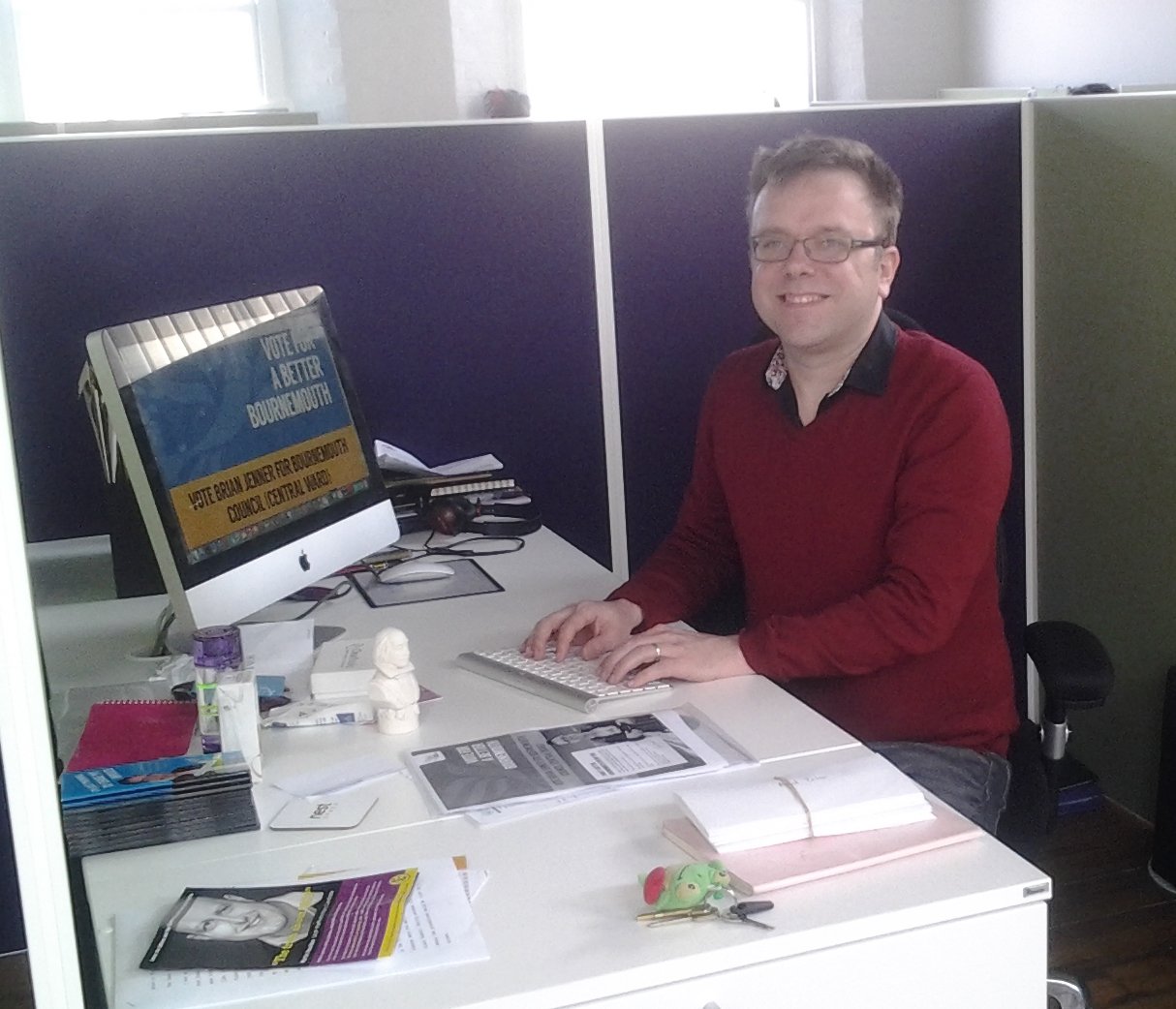
The other problem is the owner of the space is seeking to make a profit.
When they come to sell the desk, they promise a ready-made community, but they don't necessarily know how to build community, they just tell us that it will happen spontaneously, or it's our responsibility.
Most recently Patch has opened in Bournemouth town centre. It's a fantastic space, light, comfortable and equipped with conference rooms and kitchen areas.
Likewise THIS Workspace is a stylish environment in which to work.
But when you sign up, you realise that the business owners just want to fill their space and make money.
They're just like the old soulless Regus office space suppliers with Innocent-drinks-style branding.
In fact, there is much more demand for office space for small businesses who are seeking to avoid signing leases, than there is for self-employed people seeking to find a community.
I remember a pizza party being held at THIS Workspace.
The self-employed eagerly looked forward to connecting, while all the employees of the small businesses couldn't see the point of it. They had done a day of work, and they couldn't wait to go home.
The small business mentality of hunting and gathering new business was alien to them.
The other strange thing about co-working spaces is that they supply a space that reflects the idealised material needs of the customers. When they open, there is no business.
What do I mean by that?
In my childhood, Tesco stores were small and grimy. Now they're palaces.
But the palaces are the result of years of growth, customer interaction and business evolution. The stores have made profit and expanded through gradual reinvestment.
These co-working spaces are what their creators think the customers want.
They have been financed by investors who are seeking to find new income streams and offset tax liabilities.
They didn't start off with three people in a church hall with no heating and then gradually become shaped by what was absolutely necessary and what was superfluous.
They also don't build esprit de corps, because that involves meetings, charismatic leaders and team work.
There are council-run alternatives.
I've watched The Old School House in Boscombe (TOSH) go through several revamps.
They are now closing their desks and transforming everything into artist studios. This is probably progress - they have discovered that they can rent out such spaces in a neighbouring building.
This is an example of responding to the market rather than trying to create it.
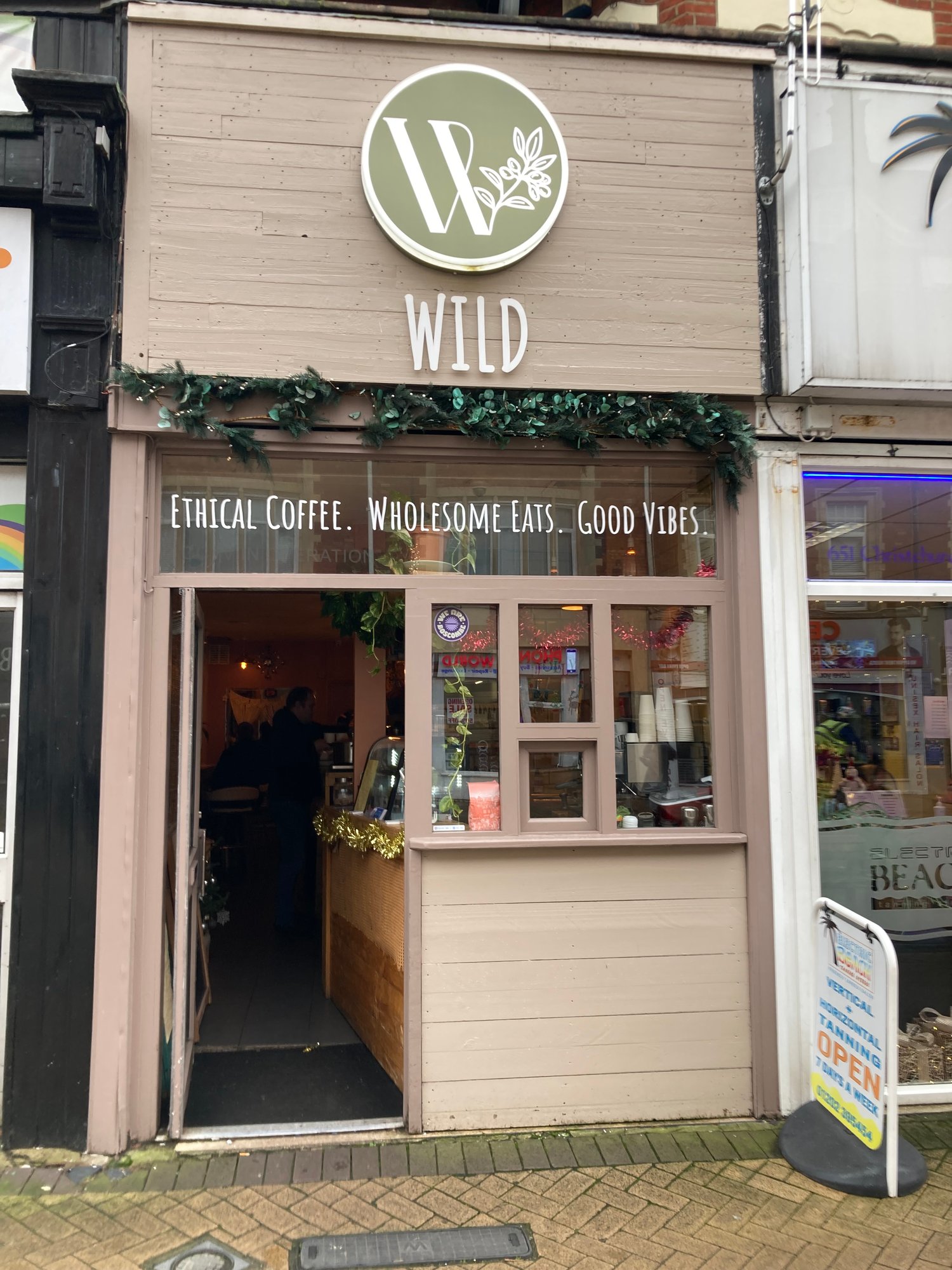
Wild café in Boscombe was the creation of an Italian woman called Francesca. She created a very feminine space served by edgy young women with tattoos. Cafés are special spaces that draw in particular crowds. Francesca connected with the Boscombe yoga set.
Then Francesca sold up and it was taken over by Peter and Lisa. They come from Swaziland, and they've gradually changed the place to make it more down-to-earth. They have a programme of social events and they create conversations among their customers.
Indaba has emerged from this café.
When I used to go there I would take my notebook and pen with me, because as a writer I can gather my thoughts and come up with new ideas.
Now there is no point. Whenever I go there, I always bump into another customer and end up in conversation.
This means a community has emerged in Wild café.
I joke that it's my 'Rovers Return' (the local pub made famous by the soap opera Coronation Street). Lisa and Peter engage with customers when it's appropriate and they're interested in starting new things.
There is a yearning for new institutions that can overcome the problem of social atomisation, but what form they should take, and how they should sustain themselves, remains a mystery.
Co-working spaces signal virtue and reflect fashion, but they risk being caught out by rapid social change.
Shares in being a B-Corp and having gender-neutral toilets are collapsing. They employ bubbly managers, but really it's all shallow positivity and insincerity.
Rather like Starbucks, they generate a brand fantasy rather than a real experience.
Francesca's original design meant that the place was perfect to eavesdrop the conversations of other customers. Indaba is a club that has grown out of an effort to conduct open conversation.
There have been several breakdowns in the quest to achieve this, and they have shaped the Indaba group.
But we're not trying to go into competition with Patch or Starbucks, we're starting with just people and ideas and seeing where we end up.
Which is why we're seeking new members to come to our events and be part of our conversation...
Brian Jenner