
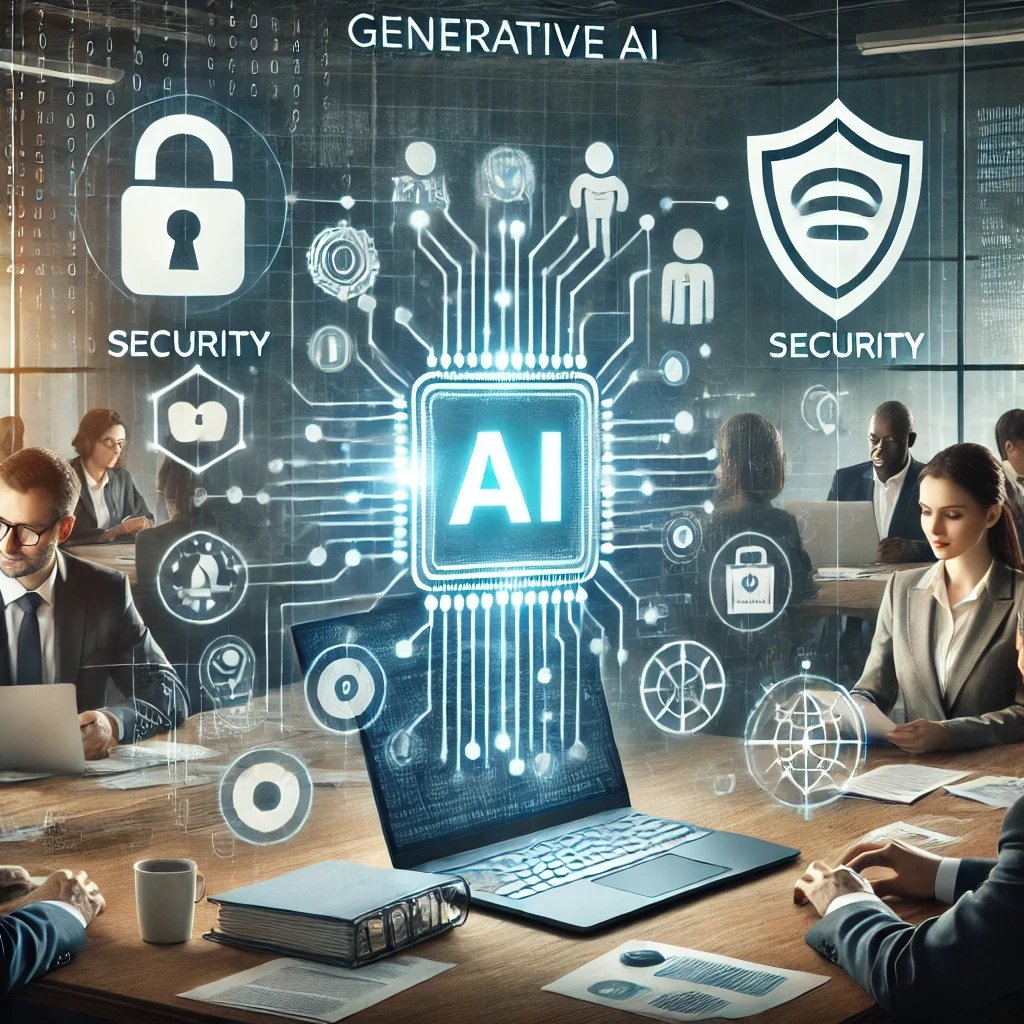
The rise of generative AI has undoubtedly transformed the way we approach problem-solving, decision-making, and communication in various sectors, including international development and humanitarian work. For NGOs, generative AI offers unprecedented opportunities to streamline operations, enhance content creation, and improve resource management. However, this rapid adoption also introduces significant security concerns that must not be overlooked.
As more organizations integrate AI tools into their workflows, the question arises: how has generative AI affected security? For NGOs, INGs and United Nations, the answer is multifaceted and demands a closer look at both the risks involved and the solutions available.
One of the most pressing concerns with generative AI is data security. Many AI tools require users to input sensitive information, whether it’s project details, beneficiary data, or organizational plans. This data, once submitted, may be stored or processed by external servers, raising questions about confidentiality. For NGOs working in conflict zones or sensitive areas, even the slightest data leak could jeopardize operations or put lives at risk.
Another issue lies in the potential for misinformation. Generative AI models, while advanced, are not infallible. They can produce incorrect or biased outputs, especially when fed incomplete or misleading inputs. For NGOs, relying on AI-generated content without thorough verification can lead to the dissemination of inaccurate information, undermining credibility and possibly endangering stakeholders.
There is also the risk of AI misuse by malicious actors. Cybercriminals can exploit generative AI to create convincing phishing emails, fake documents, or even manipulated media that could harm an NGO’s reputation or compromise its systems. These tools, while beneficial, are equally accessible to those with harmful intentions.
Despite these challenges, NGOs can still harness the power of generative AI without compromising security. The key lies in implementing robust practices that prioritize data protection and risk management.
First and foremost, NGOs must be mindful of the information they input into AI systems. Avoid sharing sensitive or identifying data with generative AI tools, especially those hosted on external servers. If a task requires processing confidential information, consider using AI solutions that operate locally or within your organization’s secure infrastructure. This approach minimizes the risk of data breaches and ensures greater control over sensitive materials.
Organizations should also invest in staff training to build awareness about the limitations and risks of generative AI. Teams need to understand that AI outputs are not always accurate or reliable and must be treated as a starting point rather than the final product. Verifying AI-generated content through trusted sources and cross-referencing with existing data is essential to maintaining the integrity of information.
Another critical step is strengthening cybersecurity measures. NGOs must ensure their systems are equipped with up-to-date security protocols, including firewalls, encryption, and regular software updates. Additionally, access to AI tools should be controlled, with clear guidelines on who can use them and for what purposes. Multi-factor authentication can further enhance security by preventing unauthorized access.
Collaboration with technology providers is another avenue worth exploring. Many AI developers are open to working with NGOs to customize tools that meet specific security and privacy needs. By engaging directly with providers, organizations can gain better insights into how their data is processed and stored, while also advocating for features like enhanced encryption or localized processing options.
Generative AI has the potential to be a transformative force for NGOs, enabling them to achieve greater impact with fewer resources. However, with this potential comes the responsibility to address the security challenges it presents. Organizations must strike a balance between embracing innovation and safeguarding the people and communities they serve.
Staying safe while using generative AI is not just about adopting the right tools but also about fostering a culture of accountability and vigilance. By understanding the risks, implementing strong safeguards, and promoting ethical usage, NGOs can harness the benefits of AI while minimizing its threats.
The future of generative AI in the nonprofit sector is bright, but it requires a deliberate and thoughtful approach. With the right practices in place, NGOs can confidently navigate this evolving landscape, ensuring that their work remains impactful, secure, and aligned with their core mission.
Comments ()