
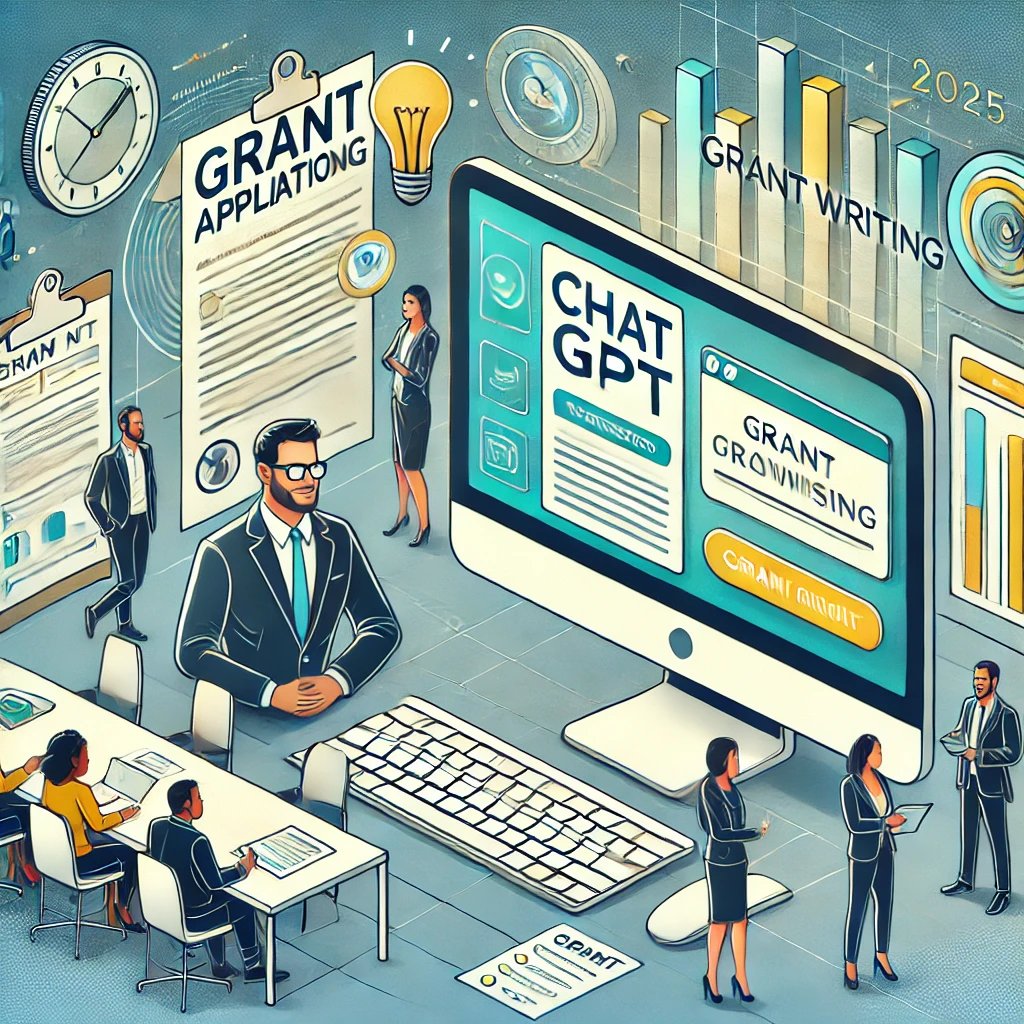
Grant writing has always been a challenging yet vital task for NGOs and development professionals. In 2025, the introduction of advanced AI writing tools like ChatGPT is transforming how organizations approach this critical process. With its ability to draft, streamline, and enhance content, ChatGPT is becoming an indispensable tool for grant writers aiming to save time, reduce stress, and secure more funding. Here’s how ChatGPT can revolutionize grant writing and why you should consider integrating it into your workflow.
One of the most significant advantages of using ChatGPT is the speed it brings to grant writing. From drafting project summaries to creating detailed proposal outlines, ChatGPT can handle tasks that typically take hours. For instance, instead of starting from scratch, you can input a brief prompt like, “Write a 200-word project summary for a health initiative focused on reducing malnutrition in rural areas,” and ChatGPT will produce a draft within seconds. This allows you to focus more on refining the content and less on the tedious initial writing.
Quality is paramount when writing grant proposals, and ChatGPT can help elevate the standard of your submissions. The tool is designed to create professional, cohesive, and persuasive content. It can suggest impactful phrases, restructure sentences for clarity, and even refine complex ideas to make them more digestible. For example, ChatGPT can transform a long-winded explanation into a concise and compelling paragraph that aligns with donor expectations.
One of the biggest challenges in grant writing is tailoring proposals to meet the unique requirements of each donor. ChatGPT can assist by helping you rewrite sections of a proposal to fit specific donor priorities or thematic areas. You can input prompts like, “Adapt this proposal for a donor focused on climate resilience,” and the AI will reframe your content accordingly. This feature saves time while ensuring that your proposal resonates with the intended audience.
For grant proposals requiring technical or highly specialized language, ChatGPT can be a game-changer. Whether you need to draft a section on renewable energy, public health, or education, ChatGPT can assist by simplifying complex concepts into clear and accessible language. This is especially useful for ensuring that technical sections remain comprehensible to non-specialist reviewers while retaining the necessary level of detail.
Crafting a compelling narrative is one of the most challenging aspects of grant writing. ChatGPT can help generate ideas, offer storytelling techniques, and even suggest structure improvements to make your proposal more engaging. For instance, if you’re struggling to connect your project’s activities to its broader impact, ChatGPT can suggest narrative frameworks that link the two seamlessly.
Grant writing often involves multiple team members contributing to a single proposal, which can result in inconsistencies in tone and style. ChatGPT can serve as a unifying tool, ensuring that all sections of the proposal maintain a consistent voice and professional tone. By using ChatGPT for editing and harmonization, you can avoid the disjointed feel that often arises from collaborative writing.
While ChatGPT is an incredibly powerful tool, it’s important to use it responsibly. Here are a few ethical considerations to keep in mind:
- Accuracy: Always cross-check facts and figures generated by ChatGPT with credible sources to ensure accuracy.
- Originality: Be cautious about plagiarism. Use ChatGPT as a starting point but refine the content to make it your own.
- Transparency: If you’ve used ChatGPT in your proposal, be transparent about its role, especially when dealing with donors who value authenticity.
- Privacy: Avoid inputting sensitive or confidential information into ChatGPT to protect your organization’s data.
Best Practices for Using ChatGPT in Grant Writing
- Start with Clear Prompts
- The quality of ChatGPT’s output depends on the clarity of your prompts. Be specific about what you want, such as word count, tone, or focus areas.
- Use It for Drafting, Not Finalizing
- ChatGPT is great for generating first drafts but always review and refine its output to ensure it meets your standards.
- Pair AI with Human Expertise
- While ChatGPT can enhance your efficiency, human oversight is crucial for contextual adjustments, cultural sensitivity, and strategic alignment.
- Train Your Team
- If you plan to incorporate ChatGPT into your organization, provide training to your team on how to use it effectively and responsibly.
As ChatGPT and other AI tools continue to evolve, their role in grant writing will only expand. In 2025, organizations that embrace AI in their workflows will find themselves better equipped to produce high-quality proposals in less time, allowing them to focus on the bigger picture: creating meaningful change in the communities they serve.
By combining ChatGPT’s efficiency with your expertise and strategic insights, you can revolutionize your grant writing process and set your organization apart in the competitive funding landscape.
ChatGPT is more than just an AI writing tool; it’s a powerful ally for grant writers in 2025. From speeding up the drafting process to ensuring donor-specific customization, ChatGPT has the potential to transform how you approach grant writing. However, like any tool, it’s most effective when used responsibly and paired with human expertise.
Ready to see the difference ChatGPT can make in your grant writing? Start exploring its features today and take your proposals to the next level.
Comments ()