
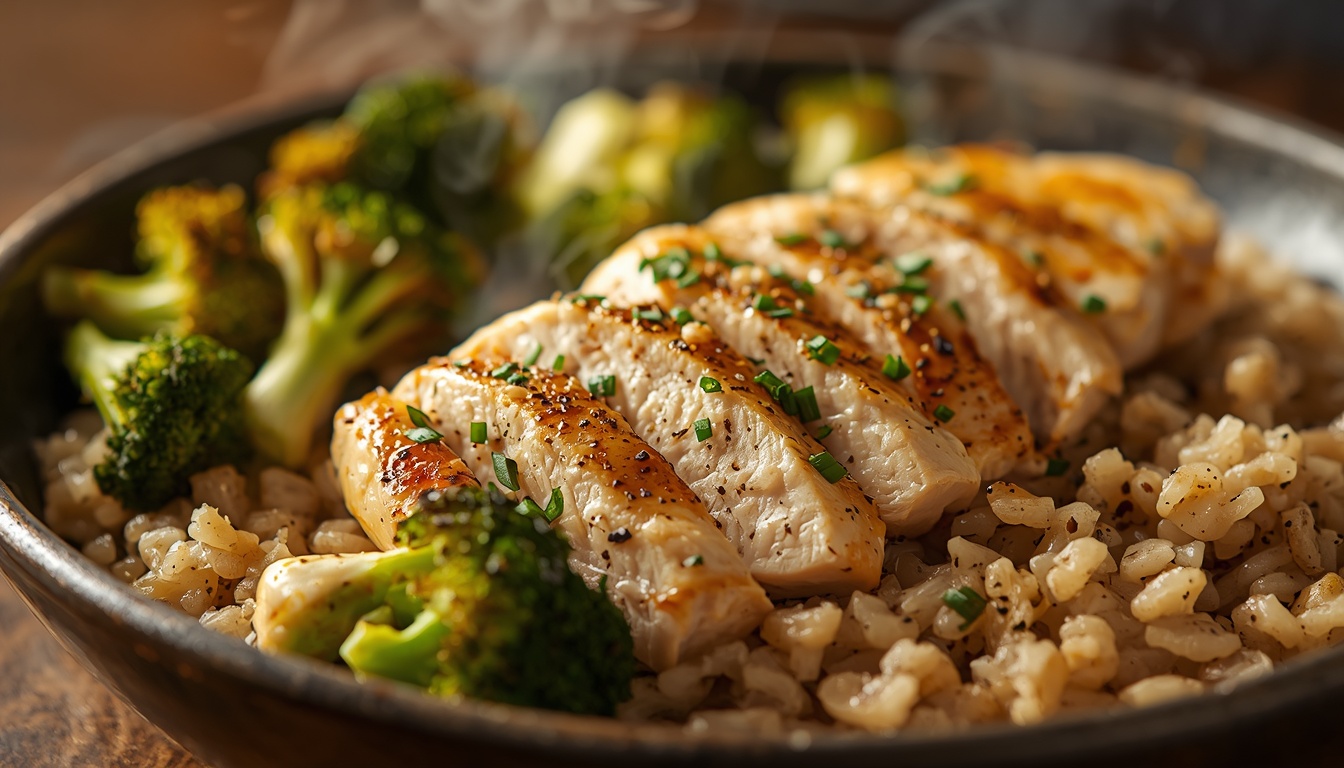
Over the past decade, gluten-free eating has become increasingly popular. While some people choose a gluten-free lifestyle as a personal preference, for many others it is a necessary step toward better health. Understanding what gluten is, how it affects the body, and which foods are naturally gluten-free can help you make informed choices that support your overall wellness.
Whether you have celiac disease, gluten sensitivity, or simply want to explore healthier eating habits, incorporating gluten-free foods into your diet can offer numerous benefits when done correctly.
What Is Gluten?
Gluten is a group of proteins found in wheat, barley, and rye. It acts as a binding agent that helps foods maintain their shape and texture. Gluten is commonly found in foods such as:
- Bread
- Pasta
- Crackers
- Cakes and pastries
- Cereals
- Many processed foods
For most people, gluten can be consumed without any issues. However, for others, it can trigger digestive problems, inflammation, and other health concerns.
👉 Get your copy of the Gluten-Free Sunday Meal Prep Master Guide – 12 Meals in One Prep Session
Who Benefits from a Gluten-Free Diet?
People with Celiac Disease
Celiac disease is an autoimmune disorder in which consuming gluten causes the immune system to attack the small intestine. Over time, this damage can interfere with nutrient absorption and lead to serious health complications.
For individuals with celiac disease, a strict gluten-free diet is essential and lifelong.
People with Gluten Sensitivity
Some people experience symptoms similar to celiac disease without having the condition itself. This is often referred to as non-celiac gluten sensitivity.
Common symptoms may include:
- Bloating
- Stomach pain
- Fatigue
- Brain fog
- Headaches
- Joint discomfort
Many individuals report significant improvements after eliminating gluten from their diet.
People Looking to Improve Dietary Quality
While a gluten-free diet is not automatically healthier, many people find that reducing processed foods and focusing on naturally gluten-free whole foods encourages better eating habits overall.
Naturally Gluten-Free Foods
One of the biggest misconceptions is that gluten-free eating requires expensive specialty products. In reality, many healthy and nutritious foods are naturally gluten-free.
Fruits and Vegetables
Fresh fruits and vegetables are naturally gluten-free and packed with vitamins, minerals, antioxidants, and fiber.
Excellent choices include:
- Berries
- Apples
- Bananas
- Leafy greens
- Broccoli
- Sweet potatoes
- Carrots
Lean Proteins
Protein supports muscle maintenance, recovery, and overall health.
Naturally gluten-free protein sources include:
- Chicken
- Turkey
- Fish
- Eggs
- Lean beef
- Tofu
- Beans and legumes
Gluten-Free Grains
Several grains provide important nutrients without containing gluten.
Popular options include:
- Rice
- Quinoa
- Buckwheat
- Millet
- Certified gluten-free oats
- Corn
These grains can serve as healthy alternatives to traditional wheat-based products.
Nuts and Seeds
Nuts and seeds provide healthy fats, protein, and essential minerals.
Examples include:
- Almonds
- Walnuts
- Chia seeds
- Flaxseeds
- Pumpkin seeds
Dairy Products
Most plain dairy products are naturally gluten-free, including:
- Milk
- Yogurt
- Cheese
- Cottage cheese
Always check labels on flavored or processed varieties to ensure they do not contain gluten-containing additives.
Health Benefits of Choosing Gluten-Free Foods
Improved Digestive Health
For those who are sensitive to gluten, removing it from the diet can significantly reduce symptoms such as bloating, gas, stomach pain, and digestive discomfort.
Better Nutrient Absorption
Individuals with untreated celiac disease often struggle to absorb nutrients properly. Following a gluten-free diet allows the intestinal lining to heal, improving nutrient absorption.
Increased Energy Levels
Many people report feeling more energetic after eliminating gluten, especially if digestive issues were previously affecting nutrient uptake and overall well-being.
Reduced Inflammation
For those with gluten-related disorders, removing gluten may help reduce inflammation and improve overall health.
Encouragement of Whole-Food Eating
A well-planned gluten-free lifestyle often focuses on whole, minimally processed foods such as vegetables, fruits, lean proteins, and healthy fats.
Common Mistakes on a Gluten-Free Diet
Going gluten-free doesn't automatically mean eating healthier. Some packaged gluten-free products can be high in:
- Sugar
- Saturated fat
- Sodium
- Artificial ingredients
Instead of relying heavily on processed gluten-free snacks, focus on nutrient-dense whole foods whenever possible.
A balanced gluten-free diet should include:
- Quality protein
- Healthy fats
- Fruits and vegetables
- Gluten-free whole grains
- Adequate hydration
Tips for Success with Gluten-Free Eating
Read Labels Carefully
Gluten can hide in sauces, dressings, seasonings, and processed foods. Always check ingredient labels.
Plan Meals Ahead
Meal planning helps prevent last-minute food choices and ensures you always have healthy gluten-free options available.
Keep Your Kitchen Organized
Avoid cross-contamination by storing gluten-free foods separately if other family members consume gluten-containing products.
Focus on Variety
Include a wide range of fruits, vegetables, proteins, and gluten-free grains to maximize nutrient intake.
Building a Sustainable Gluten-Free Lifestyle
A successful gluten-free lifestyle is not about restriction—it's about choosing foods that help your body perform at its best. Whether you're managing a medical condition or simply exploring healthier eating habits, focusing on naturally gluten-free whole foods can support digestion, energy, and overall wellness.
With proper planning, gluten-free eating can be simple, delicious, and highly nutritious. The key is preparation, consistency, and having the right resources to make healthy choices easier every day.
Ready to Make Gluten-Free Meal Prep Easy?
If you want to save time, reduce stress, and always have healthy gluten-free meals ready to go, check out the Gluten-Free Sunday Meal Prep Master Guide – 12 Meals in One Prep Session.
This comprehensive guide will show you how to:
- Prep 12 delicious gluten-free meals in one session
- Save hours of cooking throughout the week
- Stay consistent with your health goals
- Simplify grocery shopping and meal planning
- Enjoy nutritious, satisfying meals without the daily hassle
Whether you're new to gluten-free eating or looking to streamline your routine, this guide provides a practical system you can use week after week.
👉 Get your copy of the Gluten-Free Sunday Meal Prep Master Guide – 12 Meals in One Prep Session
Start enjoying the convenience, confidence, and health benefits of organized gluten-free meal prep today.
Comments ()