Investing in stocks might seem intimidating, especially if you’re just starting out. There’s talk of “market volatility,” endless opinions about the “next big thing,” and enough jargon to make your head spin. But here’s the truth: investing doesn’t have to be complicated.
Whether you’re working with $100 or $10,000, building wealth through stocks is accessible to anyone willing to take that first step. The key is having a simple, clear plan—one that helps you start smart, avoid common mistakes, and stay on track for the long term.
In this step-by-step guide, we’ll break down everything you need to know:
- How to open your first brokerage account.
- How to choose between stocks, ETFs, and index funds.
- How to start investing with confidence, even if you have no prior experience.
You’ll also see how small, consistent investments can grow into significant wealth over time—even starting with just $100 per month.
If you’ve ever thought, “I want to invest, but I don’t know where to start,” you’re in the right place. By the end of this guide, you’ll have the tools and knowledge to take control of your financial future, one step at a time.
Let’s get started.
Choose the Right Brokerage Account
Before you can start investing in stocks, you need a place to buy and hold your investments. That’s where a brokerage account comes in. Think of it like your gateway to the stock market: a secure account where you can purchase, sell, and track stocks, ETFs, and other investments.
What Is a Brokerage Account?
A brokerage account is like a bank account, but instead of just holding cash, it allows you to invest that money in stocks, bonds, ETFs, and more. It’s the essential first step to building your portfolio.
The good news? Opening one is quick, easy, and doesn’t require a lot of money to get started.
How to Choose the Best Brokerage Account for Beginners
When choosing a brokerage account, here’s what you should look for:
- Low Fees and No Commissions: Look for brokers that offer $0 commissions on stock and ETF trades. This ensures your profits aren’t eaten up by fees.
- Examples: Vanguard, Fidelity, Charles Schwab, and newer platforms like Robinhood or M1 Finance.
- User-Friendly Platforms: Beginner investors need a platform that’s easy to navigate. Look for a clean, intuitive interface, whether on desktop or mobile.
- Fractional Shares: Fractional shares allow you to buy a “slice” of a stock instead of a whole share. This means you can invest in companies like Apple or Amazon, even if you only have $10 or $20 to start.
- Educational Tools and Resources: The best brokerages help you learn as you go. Look for brokers with tutorials, research tools, and articles designed for beginners.
Popular Brokerage Options for 2026
Here are a few great options to consider:
- Fidelity: Known for strong research tools and excellent customer service.
- Offers fractional shares and zero commissions on trades.
- Vanguard: A top choice for index funds and ETFs.
- Ideal for long-term investors focused on building wealth over time.
- Charles Schwab: User-friendly and beginner-friendly with no commissions.
- Allows fractional share investing through its “Schwab Stock Slices” program.
- Robinhood: Simple, mobile-first interface perfect for new investors.
- Offers fractional shares and no-commission trading.
- M1 Finance: Combines automation and investing, making it easy to set up a long-term portfolio.
- Great for beginners looking for a hands-off approach.
How to Open Your Brokerage Account
Opening an account is easier than you might think. Here’s what you need:
- Personal Information: Social Security number, address, and bank details.
- Initial Deposit: While some brokerages require a minimum deposit, many let you open an account with as little as $0.
- Choose the Right Type of Account: Standard Brokerage Account: Best for general investing.
- Retirement Accounts (IRAs): Tax-advantaged accounts for long-term retirement savings.
Action Step: Visit your chosen brokerage’s website or app, follow the account creation prompts, and set up your account—it typically takes less than 15 minutes.
Choosing the right brokerage account is the first step to starting your investing journey. Focus on low fees, beginner-friendly features, and tools that will help you learn and grow. Once your account is open, you’re ready to move on to the next step: setting your investing goals.
Set Your Investing Goals
Before you buy your first stock, it’s important to know why you’re investing. Clear investing goals act like a roadmap—they guide your decisions, keep you focused, and help you measure progress. Without goals, it’s easy to make emotional or impulsive decisions that derail your success.
Why Setting Goals Matters
- They Define Your Time Horizon: Are you saving for a short-term goal (like a vacation or emergency fund) or a long-term goal (like retirement or a house down payment)? Your time horizon will influence how you invest.
- They Clarify Your Risk Tolerance: Can you stomach short-term dips in the market for the potential of higher long-term returns, or do you need more stable, lower-risk investments?
- They Help You Stay Disciplined: Goals keep you on track when markets swing or headlines scream “crisis.” When you know what you’re working toward, you’re less likely to panic and make costly mistakes.
Short-Term vs. Long-Term Goals
- Short-Term Goals (1–3 Years):Examples: Building an emergency fund, saving for a vacation, or a new car.
- Best Investments: Low-risk options like bonds, high-yield savings accounts, or short-term ETFs.
- Avoid volatile assets like individual stocks—they may not recover in time for your goal.
- Long-Term Goals (5+ Years):Examples: Retirement, buying a home, funding a child’s education, or achieving financial independence.
- Best Investments: Growth-focused assets like stocks, ETFs, and index funds.
- The longer your time horizon, the more you can handle short-term market dips for long-term gains.
How to Identify Your Goals
To get started, ask yourself:
- What am I investing for? Retirement? Wealth-building? A specific purchase?
- When do I need the money? Is it a few years away, or decades into the future?
- How much risk am I comfortable with? Am I okay with some ups and downs for bigger rewards, or do I prefer slow, steady growth?
Example: Sarah’s Investing Goals
- Short-Term Goal: Save $5,000 for a wedding in 2 years.
- Sarah decides to put her savings into a short-term bond ETF. It’s low risk and provides small but steady returns.
- Long-Term Goal: Retire at age 60 with $1 million.
- Sarah invests in an S&P 500 index fund and contributes $300 monthly. She knows that regular investing and compounding returns over 25 years will help her reach this goal.
By identifying these goals, Sarah knows exactly how and where to invest her money—without second-guessing her decisions.
Tips for Setting Realistic Goals
- Start Small and Grow: If your long-term goal feels overwhelming, break it into smaller milestones. Start by saving for your first $1,000, then $10,000, and so on.
- Make Your Goals Specific and Measurable: Instead of saying, “I want to save for retirement,” say, “I will invest $200 a month in an S&P 500 ETF to grow my retirement fund to $1 million in 30 years.”
- Review Your Goals Annually: Life changes, and so will your goals. Review them every year to ensure they still align with your needs.
Setting clear investing goals is the foundation of a successful investing strategy. Whether you’re saving for the short term or building long-term wealth, your goals will guide how you invest and help you stay focused when markets get shaky.
Learn the Basics: Stocks, ETFs, or Index Funds?
Now that you have your goals set and your brokerage account ready, it’s time to decide where to put your money. For beginners, the options can feel overwhelming, but don’t worry—we’ll break it down into three simple choices: stocks, ETFs, and index funds.
Each of these investments serves a different purpose, so let’s go over what they are, how they work, and which one might be right for you.
1. Individual Stocks: Owning a Piece of a Company
When you buy a stock, you’re buying a small ownership stake in a company. If the company grows and profits, your shares increase in value. Some companies even pay you dividends—cash payments that act like a reward for being a shareholder.
Pros:
- High Return Potential: If you choose a successful company, the returns can be significant.
- Direct Ownership: You own a piece of the business.
Cons:
- Higher Risk: Individual stocks can be volatile—prices can swing dramatically.
- Time-Intensive: You need to research and understand the company before investing.
Best For: Investors who want to pick specific companies they believe in and are willing to do the research.
If you bought $1,000 of Apple (AAPL) stock in 2010 and held onto it, it would be worth over $15,000 today—just by staying invested.
2. ETFs: A Diversified Basket of Investments
An Exchange-Traded Fund (ETF) is like a bundle of stocks, bonds, or other investments, all grouped together in one fund. Buying one share of an ETF gives you exposure to a wide variety of companies, which helps spread your risk. ETFs trade on the stock market, just like individual stocks.
Pros:
- Instant Diversification: A single ETF can include hundreds of stocks, reducing the risk of relying on one company.
- Low Cost: ETFs typically have lower fees than actively managed funds.
- Easy to Buy and Sell: ETFs trade throughout the day, making them flexible and beginner-friendly.
Cons:
- Less Potential for Explosive Growth: ETFs offer broader exposure, so they might not outperform the market dramatically.
Best For: Beginners who want instant diversification without spending time researching individual companies.
An ETF like Vanguard’s VOO tracks the S&P 500 index and includes 500 of the largest U.S. companies. With one purchase, you’re investing in companies like Apple, Microsoft, and Coca-Cola.
3. Index Funds: Low-Cost, Long-Term Growth
An index fund is a type of ETF or mutual fund that tracks a specific market index, like the S&P 500. Instead of trying to “beat the market,” index funds aim to match its performance—and historically, the market has delivered strong long-term returns.
Pros:
- Proven Results: Over the long term, the S&P 500 has delivered an average annual return of around 8–10%.
- Low Fees: Index funds are passively managed, which keeps costs low.
- Beginner-Friendly: Perfect for investors who want steady, hands-off growth.
Cons:
- Limited Upside: Index funds won’t outperform the market like individual stocks might.
Best For: Investors who want steady, reliable growth without the stress of picking individual stocks.
If you invested $100 per month into an S&P 500 index fund like Vanguard’s VOO and earned an average return of 8% annually, you’d have:
- $18,000+ in 10 years.
- $150,000+ in 30 years.
That’s the power of steady, long-term investing.
Which Option Is Right for You?
Here’s a quick guide based on your goals and risk tolerance:
- Want to Pick Specific Companies? → Individual Stocks
- Want Instant Diversification? → ETFs
- Want Long-Term, Stress-Free Growth? → Index Funds
Pro Tip: If you’re just starting out, an S&P 500 index fund or broad-market ETF is the easiest and safest way to begin. It gives you exposure to the entire market, balances risk, and lets you grow your wealth steadily over time.
Understanding stocks, ETFs, and index funds is key to making smart investing decisions. If you’re unsure where to start, begin with an S&P 500 index fund or ETF—these are beginner-friendly options that offer steady growth and instant diversification.
One of the biggest myths about investing is that you need thousands of dollars to get started. The truth? You can begin investing with as little as $100. Thanks to tools like fractional shares and low-cost ETFs, small, consistent contributions can turn into significant wealth over time.
Why Starting Small Matters
- You Don’t Need to Wait: Waiting until you have “enough” money means losing valuable time. The earlier you start, the more you benefit from compound growth.
- Build Confidence Gradually: Investing a small amount allows you to learn and build confidence without worrying about big losses.
- Consistency Is More Important Than Size: Even small monthly contributions grow into large sums when combined with time and discipline.
How to Invest $100 (Step-by-Step)
- Open Your Brokerage Account If you haven’t already, pick a brokerage that allows fractional shares or low-cost index funds (e.g., Vanguard, Fidelity, or Robinhood).
- Choose an Investment Option: Option 1: An S&P 500 Index Fund: Buy a share of Vanguard’s VOO ETF or SPY ETF. These funds give you exposure to 500 of the largest U.S. companies in a single investment.
- Option 2: Fractional Shares of Individual Stocks: Invest in quality companies like Apple (AAPL), Microsoft (MSFT), or Coca-Cola (KO) with just a few dollars.
- Option 3: Target-Date or Total Market Funds: These funds automatically diversify your money across the entire stock market, perfect for beginners.
- Set Up Automatic Contributions: Automate investing $25 or $50 per week into your chosen fund or stock. Automation makes it easy to stay consistent, regardless of market swings.
The Power of Investing $100/Month
Let’s say you invest $100 every month in an S&P 500 index fund earning an average annual return of 8%:
- After 1 Year: You’ll have $1,236—a solid start.
- After 10 Years: You’ll have $18,294, thanks to consistent contributions and compounding.
- After 30 Years: Your small $100/month habit will grow into over $150,000.
Key Lesson: It’s not about how much you start with—it’s about starting now and staying consistent.
Mistakes to Avoid When Starting Small
- Trying to Time the Market: Don’t wait for the “perfect” time to invest. Consistency beats timing.
- Chasing High-Risk Stocks: Stick with ETFs or strong, stable companies as you learn. Avoid speculative “get-rich-quick” stocks.
- Stopping During Market Dips: Market downturns are opportunities to buy at lower prices. Keep contributing regularly, even when it feels scary.
You don’t need a fortune to start investing. With $100, you can open a brokerage account, buy fractional shares or an ETF, and begin building your portfolio. Small steps today can lead to big results tomorrow—if you stay consistent and let time do the work.
Build a Habit and Stay Consistent
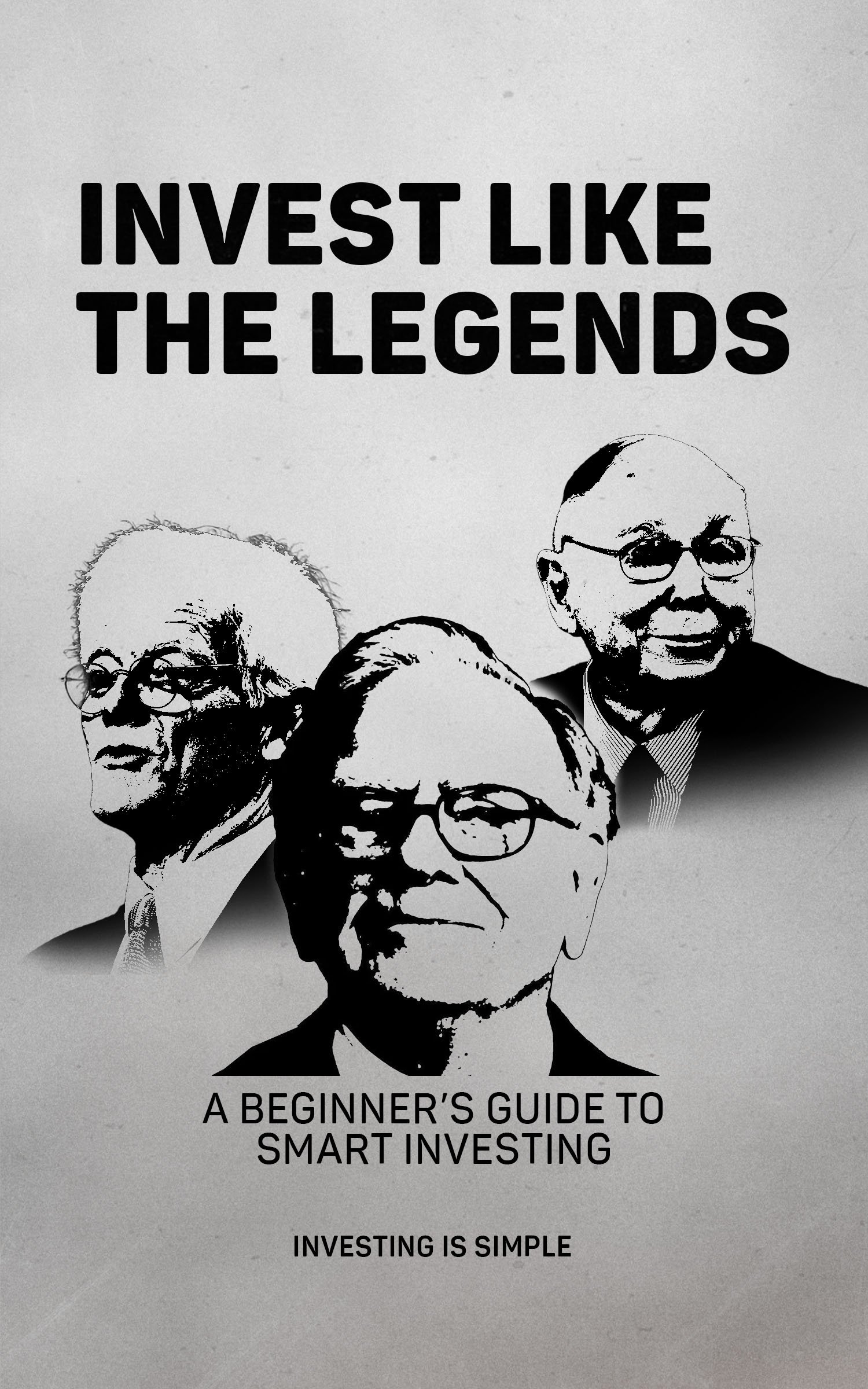
Starting your investing journey is important, but the real magic happens when you stick with it. The world’s most successful investors—Warren Buffett, Peter Lynch, and Charlie Munger—built their wealth not through quick wins but through years of disciplined, consistent investing.
Why Consistency Is the Key to Long-Term Success
- Consistency Beats Timing the Market: Many beginners think they need to “buy low and sell high.” In reality, trying to time the market often leads to mistakes.
- Instead, regular contributions—regardless of whether the market is up or down—help smooth out price fluctuations over time.
- The Power of Dollar-Cost Averaging: Dollar-cost averaging means investing a fixed amount regularly (like $100/month), no matter what’s happening in the market.
- This strategy allows you to buy more shares when prices are low and fewer when prices are high, reducing the risk of making emotional decisions.
Example:
If you invested $100 every month into an S&P 500 ETF during the 2008 financial crash, you would’ve purchased more shares when prices were low. By staying consistent, you would’ve benefited greatly as the market rebounded in the following years.
How to Build an Investing Habit
- Automate Your Investments: Set up automatic transfers from your bank account to your brokerage account every month.
- Automating removes the guesswork and makes investing as routine as paying a bill.
- Focus on Progress, Not Perfection:Don’t worry about market ups and downs—focus on sticking to your plan. Over time, steady contributions will compound into significant wealth.
- Celebrate Small Wins: Reaching milestones—your first $1,000, $10,000, or first dividend payment—will keep you motivated.
- Stay Educated and Inspired: Learn from legendary investors like Buffett and Munger. Their stories remind us that wealth is built over years, not days.
- Track your progress using a simple journal or app to see how far you’ve come.
Mistakes to Avoid
- Stopping During Market Downturns: Market dips are opportunities to buy shares “on sale.” Don’t panic—keep contributing.
- Overchecking Your Portfolio: Checking daily can lead to emotional decisions. Review your portfolio quarterly or annually instead.
- Chasing Trends: Stay focused on your long-term plan. Don’t get distracted by hype or short-term fads.
Consistency is the key to building wealth. Automate your investments, keep contributing regularly, and trust the process. The earlier you start and the longer you stay invested, the greater your rewards will be.
Monitor Your Progress (But Don’t Obsess Over It)
Once you’ve started investing, it’s important to monitor your progress. But here’s the key: don’t check your portfolio every day. Successful investing is a long-term game, and obsessing over short-term movements can lead to stress and emotional decisions that hurt your returns.
Why Monitoring Matters
- Stay Aligned With Your Goals: Over time, your portfolio might drift from your original allocation. Checking regularly ensures you’re on track.
- Make Adjustments (If Needed):As your goals, risk tolerance, or financial situation change, your investment strategy should evolve, too.
- Learn From Your Decisions: Reviewing your investments helps you understand what’s working and where you can improve.
How Often Should You Check Your Portfolio?
- Once a Quarter (Every 3 Months): A quick review helps you assess performance and see if adjustments are needed.
- Once a Year: Do a deeper dive to rebalance your portfolio, set new goals, and reflect on your progress.
Pro Tip: Avoid checking your portfolio daily or weekly—it’s normal for stocks to fluctuate. Long-term investors focus on years and decades, not days.
What to Look For When Reviewing Your Portfolio
- Performance: Compare your returns to benchmarks like the S&P 500 to see how you’re doing.
- Asset Allocation: Are you still diversified? If stocks have grown faster than bonds or gold, your portfolio might be “overweighted” in one area.
- Example: If your target was 70% stocks and 30% bonds, but stocks now make up 80%, consider rebalancing.
- Progress Toward Your Goals: Are you on track to reach your short-term and long-term goals?
- If not, adjust your contributions or revisit your strategy.
Track Your Progress Without Stressing
- Use a Simple Investing Journal: Record why you made each decision (buying, holding, or selling). Over time, this will help you learn from your successes and mistakes. If you’re looking for an easy way to get started, the Investing Is Simple Bundle includes a guided digital journal specifically designed to help you track your investments, emotions, and progress.
- Use Brokerage Tools: Most brokerages offer performance reports and tools to help you monitor your portfolio.
- Focus on the Big Picture: Don’t worry about daily ups and downs. Focus on long-term trends and staying consistent with your contributions.
Monitoring your progress is about staying on track, not micromanaging every move. Check your portfolio quarterly, rebalance as needed, and stay focused on your goals. Remember, it’s the long-term picture that matters most.
Your Step-by-Step Path to Building Wealth
Investing in stocks doesn’t have to be complicated or intimidating. By following this step-by-step guide, you’ve learned how to set goals, choose the right investments, and build habits that will serve you for years to come. Remember, it’s not about timing the market or starting with a fortune—it’s about staying consistent, being patient, and trusting the process.
To make your journey even easier, the Investing Is Simple Bundle gives you the tools to take action confidently. With checklists, guides, and a digital investing journal, you’ll have everything you need to evaluate stocks, avoid emotional mistakes, and track your progress step by step.